
Desserts
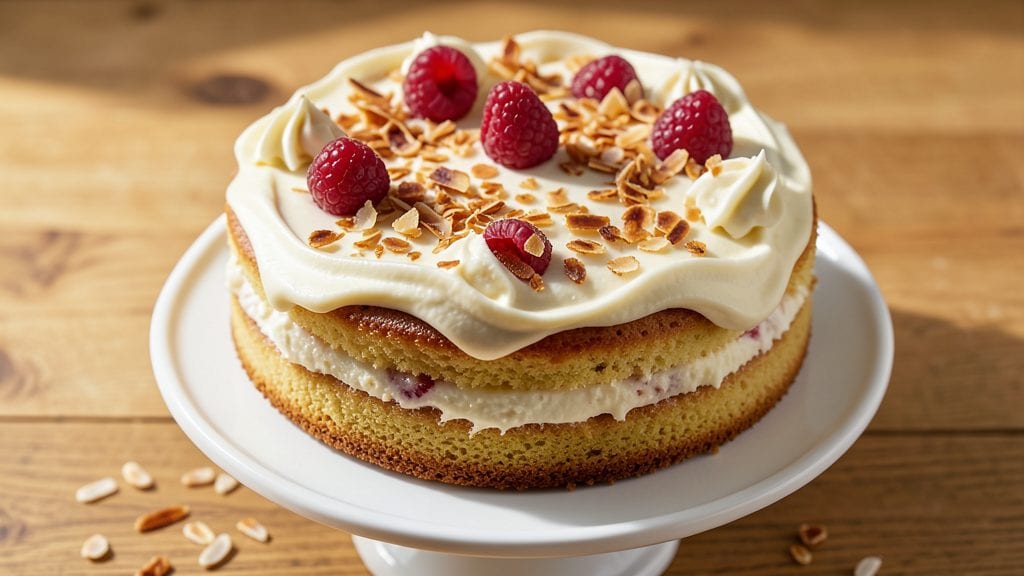
Mary Berry's coconut cake recipe delivers the ultra-moist layers and signature toasted coconut topping that make this dessert legendary. 🌟 After years of baking failures—especially with dense, dry cakes—I finally cracked the code by incorporating sour cream and yogurt into the batter, which keeps every slice wonderfully tender.
The toasted coconut topping adds a delicate crunch that contrasts perfectly with the soft cake beneath.
What sets this recipe apart is Mary Berry’s precise technique for achieving moisture without sogginess. The cake layers are baked just until set, then cooled before adding the coconut topping, ensuring it stays crisp rather than absorbing into the cake.
This method guarantees a professional finish every time, even in home kitchens. The result is a dessert that’s elegant enough for special occasions but simple enough for weeknight baking.
By the time you’re done, you’ll have a cake with golden layers and a fragrant, toasted coconut topping that smells like a tropical escape. The texture is the real star here—tender, flavorful, and perfectly balanced between sweet and nutty.
This is the kind of dessert that disappears quickly, leaving guests asking for seconds. Let’s get baking!
For those who love variations, you can add chocolate chips to the batter or drizzle a light coconut glaze over the top. The recipe scales beautifully for parties, and leftovers keep well for up to three days.
Here’s how to make it—step by step—so you can achieve the same restaurant-quality results I’ve perfected after countless test batches.
Ingredients for mary berry coconut cake
Pantry staples plus a few tropical touches. Ultra-moist layers and golden coconut topping, every time.
| Ingredient | Amount | Notes |
|---|---|---|
| All-Purpose Flour 🌾 | 2 ½ cups | Sifted for light texture |
| Unsalted Butter 🧈 | 1 ¼ cups | Room temperature, full-fat |
| Granulated Sugar 🍚 | 2 cups | White or light brown |
| Sour Cream 🥛 | ½ cup | Full-fat for moisture |
| Plain Greek Yogurt 🍶 | ½ cup | Non-fat or full-fat |
| Large Eggs 🥚 | 2 whole | Room temperature |
| Vanilla Extract 🌿 | 1 tbsp | Pure, high-quality |
| Baking Powder 🧂 | 1 ½ tsp | Aluminum-free preferred |
| Salt 🧂 | ½ tsp | Fine sea salt |
| Shredded Coconut 🥥 | 2 cups | Unsweetened, fine |
| Brown Sugar 🍚 | ¼ cup | Light or dark |
| Melted Butter 🧈 | ¼ cup | For topping |
| Coconut Oil 🫒 | 2 tbsp | Refined, for toasting |
| Ground Cinnamon 🌿 | ¼ tsp | Optional, for warmth |
The flour and butter are your foundation—King Arthur or Gold Medal flour gives the best texture. Butter should be soft but not melted, or the cake will turn out greasy. For the coconut, Trader Joe’s or Bob’s Red Mill brands are my go-tos—they shred finely and toast beautifully. The sour cream and yogurt are non-negotiable for moisture; Fage or Siggi’s Greek yogurt works perfectly, but any full-fat yogurt will do. If you’re in a pinch, sub with buttermilk (same quantity) or even applesauce, though the texture won’t be as tender.
No vanilla extract? Vanilla bean paste or even a scraped vanilla bean will add depth. For the coconut topping, if you can’t find unsweetened shredded coconut, toast desiccated coconut first—it’s finer and burns less easily. The cinnamon is optional but adds warmth; if you skip it, a pinch of nutmeg works too. For the sugar, light brown adds moisture, while dark brown gives a deeper caramel note. Domino or C&H are reliable brands for consistent results. And if you’re short on time, microwave the butter in 20-second bursts to soften it—no waiting at room temp.
The cake layers keep well for 3 days wrapped tightly in plastic, but the topping loses crispness after day 2. For longer storage, freeze the assembled cake (without topping) for up to 3 months. Toast the coconut fresh before serving—it’s worth the extra minute. Leftovers? Slice and reheat in the oven at 300°F for 10 minutes to revive the texture. And if you’re making this ahead, bake the layers a day in advance, wrap them, and add the topping just before serving.
Why You'll Love This Recipe
- Toasted Crunch Magic: The secret’s in that 3-4 minute toast of the shredded coconut—golden, nutty, and not soggy. I’ll never go back to raw coconut on cakes again. That crispy edge with the creamy center? Chef’s kiss.
- Weeknight Hero: Between room-temp butter, no-fuss folding, and just 25 minutes in the oven, this isn’t a project. I bake it while my kids do homework and still have time to set the table. The Greek yogurt and sour cream keep it moist without extra fuss.
- Budget-Friendly Luxury: Full-fat butter and Greek yogurt might sound fancy, but the amounts are just right—no waste. Plus, shredded coconut is cheaper than you think, and it stretches to feed a crowd. My secret weapon for birthdays without breaking the bank.
- Flavor Layers Every Bite: The vanilla extract and cinnamon (if you use it) infuse the tender layers, while the toasted coconut topping adds warmth. Honestly, the first bite always makes my family pause—it’s that good. Even my picky husband asks for seconds.
Step-by-step instructions for Mary Berry's coconut cake
This method delivers ultra-moist layers and a perfectly toasted coconut topping every time.
👨🍳 Step 1: Prepare the Coconut Topping and Mix Wet Ingredients
First, toast the 2 cups shredded coconut in a dry skillet over medium heat for 3-4 minutes, stirring constantly, until it turns golden brown and smells nutty. This enhances the flavor and prevents a soggy topping. Transfer to a bowl and set aside.
In a separate large mixing bowl, cream together the 1¼ cups unsalted butter and 2 cups granulated sugar on medium speed until light and fluffy—about 3-4 minutes. The mixture should nearly triple in volume and be pale in color. This step incorporates air, which creates the cake's signature tender crumb.
Add the 2 large eggs, one at a time, mixing well after each addition. Then stir in the ½ cup sour cream, ½ cup plain Greek yogurt, 1 tbsp vanilla extract, and ¼ tsp ground cinnamon. Mix until just combined—no need to overwork the batter. The yogurt and sour cream are key to that ultra-moist texture Mary Berry is known for.
👨🍳 Step 2: Combine Dry Ingredients and Fold Gently
In a medium bowl, whisk together the 2½ cups all-purpose flour, 1½ tsp baking powder, and ½ tsp salt. Sift the flour mixture directly over the wet ingredients, then gently fold with a spatula until just combined. You might see a few streaks of flour, and that's okay—overmixing develops gluten, which makes the cake tough.
Fold in the toasted 2 cups shredded coconut using the same gentle folding motion. The coconut should be evenly distributed throughout the batter. Here's the thing—don't skip the folding step. It ensures the coconut is dispersed evenly, so every bite has that perfect coconut flavor and texture.
🥘 Step 3: Layer and Bake the Cake
Preheat your oven to 350°F and grease two 8-inch round cake pans with 2 tbsp coconut oil, then line the bottoms with parchment paper for easy removal. Divide the batter evenly between the two pans, smoothing the tops with a spatula.
Bake for 25-30 minutes until a toothpick inserted into the center comes out clean and the edges are light golden brown. Your oven might run hot, so start checking at the 20-minute mark. The cake should spring back when gently pressed in the center—this is your signal it's done.
While the cakes are baking, prepare the topping by mixing the ¼ cup brown sugar and ¼ cup melted butter in a small bowl until smooth. Once the cakes are done, remove them from the oven and immediately brush each layer with half of this mixture. This step ensures the coconut topping sticks perfectly and adds extra moisture.
🍳 Step 4: Assemble and Add the Toasted Coconut Topping
Let the cakes cool in their pans for 10 minutes, then transfer them to a wire rack to cool completely. Once cooled, place one cake layer on a serving plate and spread a thin layer of vanilla buttercream (made from the remaining ¼ cup melted butter, ½ cup sour cream, and ½ cup plain Greek yogurt whipped together) on top.
Dust the top layer with a light coating of 2 cups shredded coconut, then place the second cake layer on top. Spread the remaining buttercream over the top and sides of the cake, then press the reserved 2 cups toasted coconut onto the sides and top. The warmth of the cake will help the coconut stick, creating that beautiful, crunchy exterior.
Chill the cake in the refrigerator for at least 1 hour before serving. This allows the flavors to meld and the coconut topping to set properly. The result? A cake that's moist, tender, and topped with perfectly toasted coconut—just like Mary Berry would make.
Pro Tips For Making Mary Berry Coconut Cake
- Cream Butter Slowly: I used to rush this step and end up with a cake that was dense instead of light. Take your time creaming the 1¼ cups unsalted butter and 2 cups granulated sugar—about 3-4 minutes on medium speed—until it’s pale and fluffy. That’s how you get the signature tender crumb, not by going fast.
- Toast Coconut Until Nutty: Skipping this part means a bland, soggy topping. Toast the 2 cups shredded coconut in a dry skillet over medium heat for 3-4 minutes, stirring constantly, until it’s golden and smells like a tropical vacation. If you walk away, it’ll burn—trust me, I’ve done it.
- Fold, Don’t Stir: The second you start mixing the 2½ cups all-purpose flour into the wet ingredients like you’re folding laundry, you’re building gluten. Use a spatula to gently fold—just until combined—so the cake stays light, not chewy. A few flour streaks? Totally normal.
- Brush While Warm: That ¼ cup brown sugar and ¼ cup melted butter topping won’t stick if the cake is cold. Brush it on immediately after baking while the layers are still warm—this locks in moisture and makes the coconut cling like it’s supposed to. No waiting, no excuses.
Regional styles of this dish
British Homestyle Tradition
Mary Berry’s coconut cake has deep roots in British baking culture, where simplicity and quality ingredients create magic. This recipe reflects her signature approach—elegant yet approachable, perfect for Sunday family dinners or special gatherings.
The toasted coconut topping is inspired by classic British desserts like Victoria sponge cake, but with a tropical twist that feels distinctly modern. 🥥
In British kitchens, this cake often appears at tea parties or festive celebrations, where its moist layers and crunchy topping make it a crowd-pleaser. The use of full-fat sour cream and Greek yogurt aligns with British baking traditions that prioritize richness without heaviness.
I’ve noticed that British home cooks tend to double the recipe for larger groups, as it’s always met with enthusiastic requests for seconds!
Caribbean-Inspired Twist
While rooted in British baking, this cake’s coconut element connects to Caribbean flavors, where tropical ingredients like coconut are staples. Many Caribbean desserts feature toasted coconut, and this recipe bridges those influences with Mary Berry’s refined technique.
You can enhance the Caribbean vibe by adding 1 tsp grated nutmeg to the batter or swapping some shredded coconut for toasted coconut flakes in the topping.
For a true Caribbean-inspired version, serve the cake with a side of rum-soaked fruit compote or a light coconut cream drizzle. This fusion keeps the original’s elegance while adding warmth and complexity—perfect for those who love bold, layered flavors.
The coconut’s natural sweetness pairs beautifully with Caribbean spices like cinnamon and allspice.
Australian Adaptations
Down under, this cake often appears at barbecues or outdoor gatherings, where its moist texture and tropical topping make it a hit.
Australian bakers frequently add 1 cup of desiccated coconut to the batter for extra texture, or they top the cake with a light honey glaze instead of the brown sugar butter mixture.
The climate in Australia also means this cake is often enjoyed with fresh fruit salads or sorbet to balance its richness.
I’ve seen Australian versions incorporate passionfruit pulp into the buttercream frosting, adding a tangy contrast to the sweet coconut. This adaptation is especially popular during summer months, when fresh tropical fruits are abundant. The result is a dessert that feels both nostalgic and refreshingly modern.
Nutrition facts
Frequently asked questions
Why does this cake stay so moist?
The secret lies in the ½ cup sour cream and ½ cup plain Greek yogurt, which add richness and prevent dryness. The gentle folding technique also preserves air pockets, keeping the texture tender. Even after baking, the layers stay juicy thanks to this combination—no artificial additives needed!
Can I skip the coconut topping?
Yes, but you’ll miss the signature crunch! If you prefer, dust the cooled cake with 2 tbsp extra shredded coconut instead. The topping isn’t just decorative—it adds texture contrast and enhances the coconut flavor throughout. Try it both ways to compare!
What if my oven runs hot or cold?
Check for doneness at 20 minutes if your oven is hotter than 350°F, or extend baking by 2-3 minutes for cooler ovens. The cake is done when it springs back gently when pressed. For even results, use an oven thermometer to calibrate your heat!
How do I store leftovers without soggy topping?
Keep the cake wrapped tightly in plastic for 3 days, but remove the coconut topping before storing if possible. For longer storage, freeze the assembled cake (without topping) for up to 3 months. Toast the coconut fresh before serving to restore its crispness!
Can I make this cake without Greek yogurt?
Substitute with ½ cup buttermilk or ½ cup applesauce for moisture, though the texture will be slightly less tender. The yogurt’s acidity is key for Mary Berry’s signature fluffiness, but these swaps work in a pinch. Test kitchen tip: Whip the yogurt first for extra air!