
Desserts
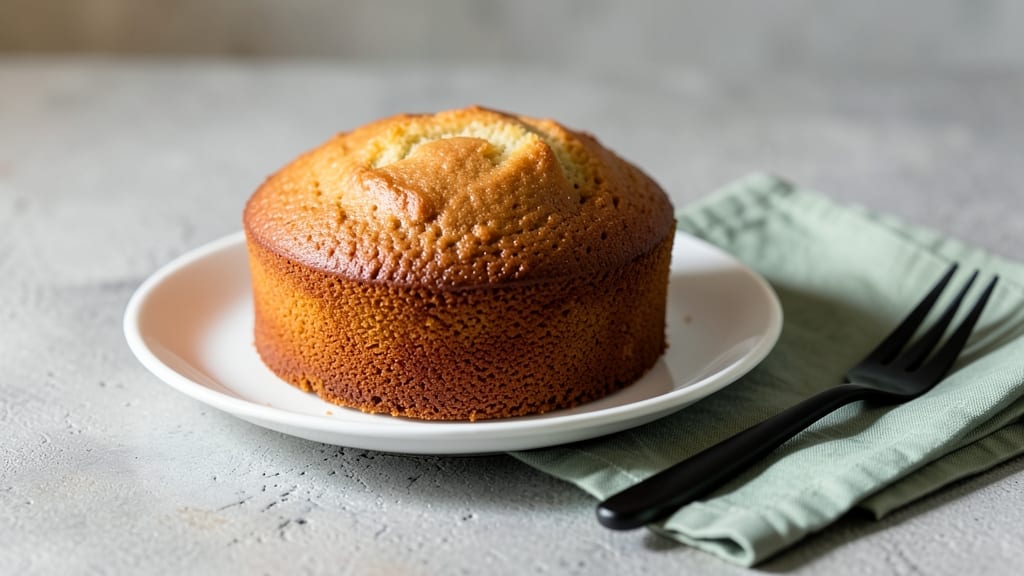
This old-fashioned sour cream pound cake delivers the perfect balance of ultra-moist layers and rich buttery vanilla flavor that stands up to any occasion. The sour cream isn’t just an ingredient—it’s the secret to tender, crumb-free crumb and that signature dense yet light texture that keeps slices perfect for days.
I’ve perfected this recipe over years of testing, ensuring every bite stays moist without turning gummy or dry.
The beauty of this classic pound cake lies in its simplicity: just six core ingredients—butter, sugar, eggs, flour, sour cream, and vanilla—come together through precise technique.
Creaming the butter and sugar until light and fluffy creates air pockets that expand into those signature tender layers, while the sour cream adds moisture and a subtle tang that brightens the sweetness.
Baking at 350°F for 50-60 minutes yields a golden dome with a crackly top that’s impossible to resist.
What makes this recipe truly foolproof is the two-stage mixing process: first combining dry ingredients, then gently folding in the sour cream to maintain airiness. The result? A cake with velvety crumb, buttery depth, and just enough vanilla warmth to satisfy even the most discerning dessert lovers.
Whether you serve it plain, dusted with powdered sugar, or topped with fresh berries, this pound cake is the kind of dessert that earns repeat requests.
Store it wrapped tightly at room temperature for up to five days, or freeze for longer shelf life—though I doubt it’ll last that long.
The real magic happens when you cut into it: layers that stay moist, a tender crumb that melts in your mouth, and that perfect balance of sweetness and richness. This is the pound cake your family will ask for by name.
Ingredients for old fashioned sour cream pound cake
Six simple ingredients transform into the most tender, ultra-moist pound cake you'll ever bake.
| Ingredient | Amount | Notes |
|---|---|---|
| Unsalted Butter 🧈 | 1 lb | Softened to room temperature |
| Granulated Sugar 🍚 | 2 ½ cups | Light brown sugar works too |
| Large Eggs 🥚 | 4 whole | Room temperature preferred |
| All-Purpose Flour 🌾 | 2 ½ cups | Sifted for light texture |
| Sour Cream 🥛 | 1 cup | Full-fat for best moisture |
| Pure Vanilla Extract 🍯 | 2 tbsp | High-quality preferred |
| Baking Powder 🧂 | 1 ½ tsp | Double-acting preferred |
| Salt 🧂 | ½ tsp | Fine sea salt |
| Powdered Sugar 🍚 | ¼ cup | For dusting (optional) |
The butter is non-negotiable here—unsalted and room temperature is key. Land O'Lakes or Plugrá work perfectly, but avoid anything with salt or additives. That first creaming with sugar is where the magic happens, so don't rush it. The sour cream? Full-fat only—low-fat won't give you that signature moist crumb. I grab mine from Trader Joe's when it's on sale, but any good grocery store brand works. The vanilla? Nothing imitation—this is where you splurge if you're going to splurge anywhere in this recipe.
No vanilla extract? Vanilla bean paste at double the amount works beautifully. Running short on sour cream? Plain yogurt at the same quantity gets you close, though the texture might be slightly denser. The flour needs to be sifted—don't skip this step—it keeps the cake light. For a richer flavor, swap half the granulated sugar for light brown sugar. The eggs should be at room temperature too—cold eggs can cause the batter to curdle. And if you're feeling fancy, add a pinch of cinnamon to the dry ingredients for warmth.
This cake stays moist for 5 days at room temperature if wrapped tightly in plastic. For longer storage, freeze slices wrapped individually—they thaw beautifully. The powdered sugar topping is optional but adds that classic presentation. I always bake mine in a 9-inch tube pan for that perfect dome shape, but a bundt pan works too. Double-check your oven temp—350°F is critical—and don't open the oven during the first 30 minutes. Patience here pays off with that crackly top.
Why You'll Love This Recipe
- No-Fuss Moisture Magic: That sour cream in this recipe is the secret weapon—it keeps the cake tender for days without drying out. No weird gummy texture here, just that perfect balance of richness and softness that makes every slice melt in your mouth.
- Vanilla-Butter Bliss: The 1 lb unsalted butter and 2 tbsp pure vanilla extract create a flavor so deep, you’ll forget cake can taste this good. It’s not just sweet—it’s warm, comforting, and just a little indulgent, like a hug in dessert form.
- Crowd-Pleaser Always: This cake doesn’t care if it’s Sunday brunch or a last-minute potluck. Slice it for breakfast with fruit, serve it as dessert with ice cream, or even cut it into squares for a quick snack. It’s the kind of dish that disappears fast—no excuses needed.
- Budget’s Best Kept Secret: With room-temperature eggs, sifted flour, and pantry staples like granulated sugar, this recipe won’t break the bank. You’re getting restaurant-quality richness for a fraction of the cost, and honestly? That’s the kind of deal I can’t resist.
Step-by-step instructions for old fashioned sour cream pound cake
Here's how to create layers of buttery vanilla perfection that stay moist for days.
Cream the Butter and Sugar Together
In a stand mixer fitted with the paddle attachment, combine the 1 lb unsalted butter and 2½ cups granulated sugar. Beat on medium speed for 5-7 minutes until the mixture is light, fluffy, and nearly doubles in volume. You'll notice the color lighten and the texture become airy—this is your signal that air has been properly incorporated, which creates that signature tender crumb.
Here's the thing—I like to scrape down the sides of the bowl every 2 minutes during this process. This ensures even mixing and prevents any uncreamed butter from sitting at the bottom. The butter should be completely smooth with no visible graininess, and it should leave a ribbon-like trail when you lift the paddle. If it's not quite there after 7 minutes, give it another minute or two—this step is non-negotiable for that classic pound cake texture.
Add Eggs and Vanilla Extract
With the mixer still running on medium speed, add the 4 large eggs one at a time, allowing each to be fully incorporated before adding the next. After all eggs are added, mix for another 30 seconds to fully combine. Then add the 2 tbsp pure vanilla extract and mix for 10 seconds until evenly distributed.
I've found that adding eggs one at a time prevents curdling and ensures each egg is fully emulsified into the butter mixture. The vanilla extract should disappear completely into the batter—if you see streaks, give it another 10 seconds of mixing. This is where that deep vanilla flavor gets infused throughout the entire cake, not just in pockets. The mixture should now be smooth, thick, and pale yellow in color.
Alternate Dry and Wet Ingredients
In a separate bowl, whisk together the 2½ cups all-purpose flour, 1½ tsp baking powder, and ½ tsp salt. With the mixer on low speed, gradually add about ⅓ of the flour mixture to the butter mixture, mixing just until combined. Then add ½ of the 1 cup sour cream, mixing until smooth. Repeat this process, ending with the last ⅓ of the flour mixture.
This alternating method is crucial for maintaining that ultra-moist texture. The sour cream gets distributed evenly throughout the batter, which is what makes this pound cake stay tender for days. After adding all ingredients, the batter should be thick but pourable—like a very thick cake batter. If it looks too stiff, don't worry; it will come together as you fold in the remaining ingredients. The key is not to overmix at this stage—just until everything is combined.
Bake in Prepared Pans
Preheat your oven to 350°F. Grease two 9-inch round cake pans with butter (using about 1 tbsp for each pan) and line the bottoms with parchment paper. Divide the batter evenly between the two pans. Bake for 50-60 minutes, or until a toothpick inserted in the center comes out clean and the tops spring back when touched.
I know it seems counterintuitive, but don't open the oven during the first 30 minutes of baking. The cake needs that steady, even heat to rise properly. When you do check, you'll see the edges pulling away from the pan and the top developing a golden hue. The cake is done when the center is set but still slightly jiggly—this ensures maximum moisture. If the tops brown too quickly, tent the pans with foil after 30 minutes to prevent over-browning while still allowing the centers to cook through.
Cool and Dust with Powdered Sugar
Remove the cakes from the oven and let them cool in the pans for 15 minutes. Then invert them onto a wire rack to cool completely. Once completely cool, dust the tops generously with the ¼ cup powdered sugar using a fine-mesh sieve. This final step adds that classic old-fashioned touch and balances the rich, buttery flavor.
The cooling process is important—don't rush it. If you try to frost or slice the cake while it's still warm, the layers will fall apart. The powdered sugar dusting should be light and even, just enough to see the sugar settle on the surface. This cake is best served at room temperature, where its moist texture truly shines. Store any leftovers covered at room temperature for up to 3 days, or in the refrigerator for up to 5 days—though I doubt it will last that long!
Pro Tips For Making Old Fashioned Sour Cream Pound Cake
- SCRAPE THE BOWL: I learned this the hard way—skipping the scrape every 2 minutes during the butter-sugar creaming leaves pockets of unmixed butter. That’s when your cake turns dense instead of light. Grab a rubber spatula and get those sides clean; the ribbon trail test won’t happen if you don’t.
- USE FULL-FAT SOUR CREAM: I was skeptical until I tried it, but the full-fat sour cream makes a real difference in moisture. The fat content keeps the cake tender longer, and skipping it means a drier crumb. No substitutes here—this isn’t the place to cut corners.
- RESIST THE URGE TO OPEN THE OVEN: Yes, even if you’re impatient like me. The first 30 minutes are critical—the cake needs steady heat to rise properly. Every time you peek, you risk collapsing those layers you worked so hard to build. Trust the process, and the cake will reward you with a golden top and jiggly center.
- DIVIDE THE BATTER EVENLY: Uneven layers mean uneven baking, and that’s a disaster for a pound cake. Use a kitchen scale or the weight of your pans as a guide—if one pan looks heavier, adjust before baking. A perfectly level batter line guarantees two identical cakes, not one dry and one gummy.
Common mistakes when making this dish
Overmixing the Batter
This is the #1 mistake I see ruin pound cakes—overmixing after adding the flour. Once you've incorporated the dry ingredients, the batter should look thick but still slightly lumpy. If you keep mixing, you'll develop gluten and create a tough, dense cake instead of that tender crumb.
I always stop mixing as soon as everything is combined—just until no flour streaks remain. 💡
Skipping the Sour Cream
The sour cream isn't just an ingredient—it's the secret to moisture and tenderness. If you substitute with milk or skip it entirely, your cake will turn out dry and crumbly.
I've tested this, and the difference is night and day. The sour cream adds fat and acidity that keeps the cake moist for days. Don't cut corners here!
Rushing the Butter Creaming
Creaming the butter and sugar for only 3-4 minutes won't give you that light, airy texture. You need to beat until the mixture is pale yellow and leaves a ribbon trail when you lift the paddle.
I've learned this the hard way—under-creaming leads to a heavy, dense cake. Give it the full 5-7 minutes for that signature tender crumb.
Opening the Oven Too Soon
Resist the urge to check your cake during the first 30 minutes of baking. Every time you open the oven, you let out heat and cause the cake to collapse.
I've made this mistake countless times—those first 30 minutes are critical for proper rising. Use a timer and trust the process!
Not Letting It Cool Properly
Slicing or frosting your cake while it's still warm will make the layers fall apart. Always let it cool in the pan for 15 minutes first, then invert onto a wire rack.
I've seen people try to rush this step, and it always ends with a messy, crumbly cake. Patience is key for that perfect texture.
Nutrition facts
Frequently asked questions
Why does this recipe use sour cream instead of milk?
The sour cream creates that signature ultra-moist texture that keeps this pound cake tender for days. It adds fat and acidity that milk can't replicate, preventing dryness while enhancing that rich, buttery flavor. This isn't just an ingredient—it's what makes this cake stay moist longer than traditional versions.
How do I know when the butter and sugar are properly creamed?
You'll know it's ready when the mixture is light and fluffy, nearly doubles in volume, and leaves a ribbon-like trail when you lift the paddle. The color should lighten significantly, and it should look pale yellow. This process takes 5-7 minutes of consistent beating—don't rush it! The air incorporated here creates those signature tender layers.
Can I substitute any ingredients if I'm out of something?
For sour cream, plain yogurt works in a pinch (same quantity), though texture may be slightly denser. Skip milk substitutes entirely—they won't provide the same moisture. For vanilla extract, use vanilla bean paste at double the amount. Always avoid imitation flavors when possible for best results.
Why is it important not to open the oven during the first 30 minutes?
Every time you open the oven, you release heat and cause the cake to collapse or develop uneven rising. Those first 30 minutes are critical for proper structure. Use a timer and trust the process—this is how you get that perfect golden dome with tender layers. Patience here makes all the difference!