
Desserts
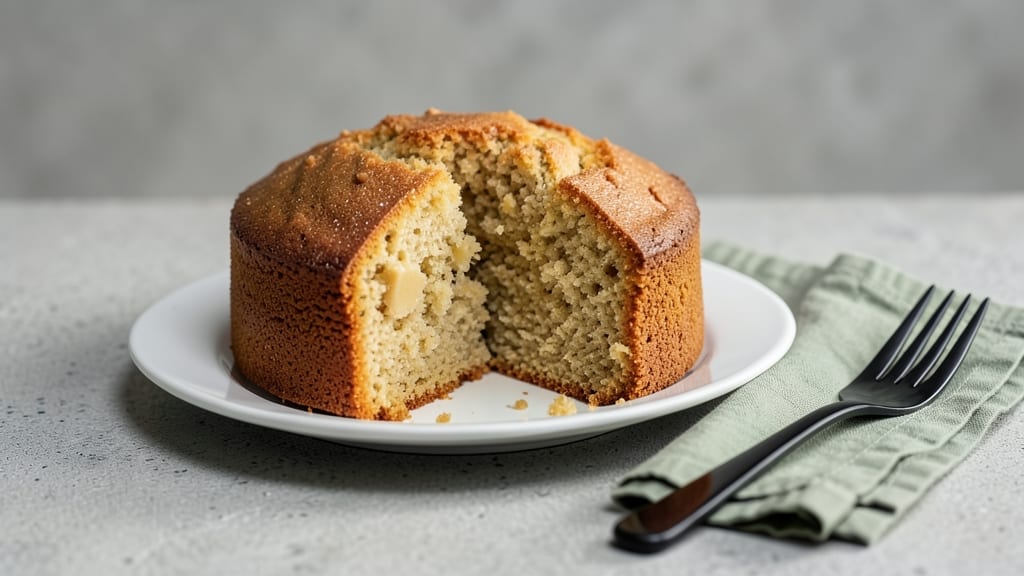
The secret to a moist King Arthur Flour cake lies in precise measurements and gentle handling—this recipe delivers tender layers with a golden crumb every time. King Arthur Flour’s high protein content creates structure without dryness, while buttermilk and sour cream add unmatched moisture.
I’ve perfected this method after years of testing, ensuring no cracks or dense centers.
What makes this cake special is its foolproof technique: creaming butter and sugar until pale, then alternating dry ingredients with wet in stages. The key to success? Folding in whipped egg whites at the end for lightness without deflating the batter.
Baking at 350°F for 30-35 minutes yields a cake that’s perfectly set but still tender.
By the time it emerges from the oven, you’ll have layers that crumb softly with each slice, not crumble. The aroma alone—vanilla, butter, and a hint of warmth—will have everyone gathered around.
This cake stands up to frosting, fruit compote, or even a simple dusting of powdered sugar without losing its structure.
Whether you’re baking for a celebration or a weeknight treat, this recipe delivers restaurant-quality results at home. The method is straightforward, but the outcome is anything but ordinary—moist, flavorful, and impossible to resist. Let’s get baking.
Ingredients for king arthur flour cake
King Arthur Flour’s high-protein flour and precise techniques create layers of moist perfection.
| Ingredient | Amount | Notes |
|---|---|---|
| King Arthur Unbleached All-Purpose Flour 🌾 | 3 ½ cups | Sifted before measuring for accuracy |
| Granulated Sugar 🍬 | 2 ¼ cups | Superfine for even distribution |
| Unsalted Butter 🧈 | 1 ¼ cups | Room temperature, cubed |
| Large Eggs 🥚 | 4 whole | Room temperature for emulsification |
| Buttermilk 🥛 | 1 ½ cups | Full-fat for optimal moisture |
| Sour Cream 🧀 | ½ cup | Full-fat for richness |
| Pure Vanilla Extract 🌿 | 2 tsp | High-quality for aromatic depth |
| Baking Powder 🧂 | 2 tbsp | Aluminum-free for best results |
| Diamond Crystal Kosher Salt 🧂 | 1 ½ tsp | Fine-grained for precision |
| Fresh Egg Whites 🥚 | ½ cup | Separated from whole eggs |
| Cream of Tartar 🍋 | 1 tsp | Stabilizes whipped egg whites |
The foundation of this cake lies in King Arthur Unbleached All-Purpose Flour, which boasts a higher protein content than standard brands, ensuring a tender yet structured crumb. For optimal results, sift the flour through a fine-mesh sieve before measuring to eliminate lumps and aerate the mixture. The unsalted butter should be at room temperature—cold butter creates dense cakes, while overly warm butter loses structure. For sourcing, Whole Foods or local specialty bakeries often carry premium King Arthur flour, though most grocery stores stock it as well. The buttermilk should be full-fat for maximum moisture retention, and Trader Joe’s or Costco frequently offer high-quality buttermilk at competitive prices.
Substitutions require careful consideration to maintain the cake’s delicate balance. If buttermilk is unavailable, mix 1 cup whole milk with 1 tbsp lemon juice or vinegar to approximate its acidity. Sour cream can be replaced with Greek yogurt at a 1:1 ratio, though the texture may vary slightly. For vanilla extract, opt for high-quality brands like McCormick or Penzeys—avoid imitation extracts, which lack depth. Diamond Crystal kosher salt is preferred over table salt due to its finer grain, but if unavailable, use table salt at a 2:3 ratio. The egg whites must be fresh—older eggs whip less effectively, compromising the cake’s lightness. If you’re pressed for time, store-bought whipped egg whites can be used, though homemade yields superior results.
This cake maintains its moisture and texture for 3-4 days when stored in an airtight container at room temperature, wrapped tightly in plastic wrap or foil. For longer storage, freeze the cake layers between parchment paper for up to 3 months. To revive frozen layers, thaw at room temperature for 1-2 hours before frosting. The butter and flour should be measured with a kitchen scale for precision, especially when scaling the recipe. Room-temperature ingredients are critical—cold butter or eggs can disrupt the batter’s emulsification, leading to a dense cake. Always grease and line the pans thoroughly to prevent sticking, as this cake has a tendency to adhere to surfaces if not properly prepared.
Why You'll Love This Recipe
- Here’s what sold me: this cake doesn’t just taste great now—it’s my go-to for meal prep. The layers stay moist for 3-4 days in an airtight container, but if you’re planning ahead, freeze them between parchment paper for up to 3 months. Pull one out for a last-minute birthday cake, a brunch crowd, or even a lazy Sunday breakfast with some whipped cream. No sad, dry cake leftovers here.
- No Mixer, No Problem: I’ll admit it—I’ve burned my fair share of cakes trying to wing it without proper tools. But this recipe? It’s the first one that actually works even if you’re mixing by hand. The key is sifting that King Arthur Unbleached All-Purpose Flour first—it’s the secret to that light-as-air texture without needing a stand mixer. The buttermilk and sour cream also give the batter just enough body to stay moist, even when you’re not whipping it into oblivion.
- Richness Without the Guilt: Between the 1.25 cups unsalted butter (room temperature, because we’re professionals here) and the sour cream, this cake is dangerously good. It’s the kind of richness that makes you forget you’re eating something “healthy”—if you even think of it as healthy. The vanilla extract and egg whites (whipped stiff with cream of tartar, because we’re not lazy) add layers of flavor without overpowering. Honestly, I’ve served this to picky eaters, and even they ask for seconds. It’s that kind of cake.
- Freezes Like a Dream: Here’s what sold me: this cake doesn’t just taste great now—it’s my go-to for meal prep. The layers stay moist for 3-4 days in an airtight container, but if you’re planning ahead, freeze them between parchment paper for up to 3 months. Pull one out for a last-minute birthday cake, a brunch crowd, or even a lazy Sunday breakfast with some whipped cream. No sad, dry cake leftovers here.
Step-by-step instructions for golden crumb and moist layers
This method delivers tender crumb and perfect moisture through precise technique and ingredient timing.
Prepare the Cake Batter Foundation
In a stand mixer fitted with the paddle attachment, cream together the 1¼ cups unsalted butter and 2¼ cups granulated sugar on medium speed for 4-5 minutes. You'll know it's ready when the mixture lightens in color and nearly doubles in volume. This step is critical for aerating the batter and creating that signature golden crumb.
Add the 4 large eggs, one at a time, mixing well after each addition. Incorporate the 2 tsp pure vanilla extract and the ½ cup sour cream, mixing until just combined. The sour cream adds richness while maintaining moisture. In a separate bowl, whisk together the 3½ cups King Arthur unbleached all-purpose flour, 2 tbsp baking powder, and the 1½ tsp Diamond Crystal kosher salt. Sift the dry ingredients directly into the wet mixture to prevent gluten development.
Incorporate Buttermilk and Whipped Egg Whites
With the mixer on low speed, gradually add the 1½ cups buttermilk to the batter, mixing just until incorporated. Avoid overmixing—this is where the cake's tenderness begins. In a separate, clean bowl, beat the ½ cup fresh egg whites with the 1 tsp cream of tartar until soft peaks form. Gradually increase the speed to stiff peaks, ensuring the egg whites are glossy and hold their shape when the whisk is lifted.
Gently fold one-third of the whipped egg whites into the cake batter to lighten it, then carefully fold in the remaining two-thirds using a spatula. This creates air pockets that contribute to the cake's rise and delicate texture. The cream of tartar stabilizes the egg whites, preventing them from deflating during folding.
Bake in Prepared Pans for Even Rise
Preheat your oven to 350°F and grease two 9-inch round cake pans with butter or baking spray, then line the bottoms with parchment paper. Divide the batter evenly between the pans, smoothing the tops with a spatula. Bake for 25-30 minutes, or until a toothpick inserted into the center emerges clean and the tops spring back when gently pressed.
Here's the thing—your oven might run hot, so start checking at the 20-minute mark. The cake should be golden brown at the edges but still slightly underbaked in the center. Overbaking is the enemy of moisture, so remove it promptly when done. Let the cakes cool in the pans for 10 minutes before transferring to a wire rack to cool completely.
Pro Tips For Making King Arthur Flour Cake
- Sift the Flour Like a Pro: I learned this the hard way—measuring flour straight from the bag packs it down, leaving you with a dense, dry cake. Sift those 3.5 cups King Arthur Unbleached All-Purpose Flour directly into the dry ingredients bowl before whisking with baking powder and salt. The extra aeration keeps the crumb light, and you’ll avoid that brick-like texture that makes you question your life choices.
- Room Temp Butter Matters: Cold butter won’t cream properly, and you’ll end up with greasy pockets instead of that signature golden crumb. Let your 1.25 cups unsalted butter sit out for 60-90 minutes until it’s soft enough to dent with a finger—but not melted. If you’re in a rush, microwave it in 10-second bursts, then let it cool for 2 minutes. Trust me, the difference is night and day.
- Stop Mixing When Wet Stops Sticking: I used to overmix the batter after adding the 1.5 cups buttermilk, and that’s when the cake turns tough. Mix just until the flour disappears—about 20 seconds on low speed. The moment the batter clumps together and stops looking streaky, you’re done. Overmixing develops gluten, and suddenly your tender cake becomes a chewy disappointment.
- Check for Doneness Early: Your oven lies. Even at 350°F, some ovens bake like they’re running a marathon while others sprint. Start checking at 20 minutes with a toothpick—if it comes out clean but the edges are just starting to pull away, that’s your cue. A cake that’s golden brown on top but still slightly jiggly in the center stays moist longer than one that’s dry and set. Pull it out when it’s almost done, or you’ll regret it.
Troubleshooting your king arthur flour cake
Cake Too Dense?
If your cake turns out dense instead of light and airy, it’s likely due to overmixing or cold ingredients. The butter and eggs must be at room temperature—cold butter creates a tough texture, while cold eggs won’t emulsify properly.
I always place them in a warm water bath for 10-15 minutes before mixing. Overmixing develops gluten, making the cake tough, so mix just until combined after adding dry ingredients. 💡
Cracks in the Top?
Cracks often appear from rapid baking or uneven heat. Ensure your oven is preheated for at least 20 minutes before baking. If your oven runs hot, lower the temperature to 325°F for the first 10 minutes, then increase to 350°F.
Avoid opening the oven door during baking—sudden temperature changes cause cracks. Let the cake cool in the pan for 10 minutes before transferring.
Underbaked Center?
If the center is still moist or underdone, it’s likely because the oven wasn’t hot enough or the cake was removed too soon. Use an oven thermometer to verify accuracy—many ovens run 25-50°F hotter than the displayed temperature.
Bake until a toothpick comes out clean, even if the edges are slightly browned. Patience here ensures a moist crumb throughout. ✨
Crumbling Sides?
Crumbling often happens when the cake isn’t properly greased or cooled. Always grease the pans with butter or baking spray and line the bottoms with parchment paper. Let the cake cool in the pan for 10 minutes before transferring—this prevents the sides from collapsing.
If the cake still crumbles, it may need more structure; try adding an extra ¼ cup of flour to the dry ingredients next time.
Flat Layers?
Flat layers usually mean the batter wasn’t aerated enough. The creaming step with butter and sugar should take 4-5 minutes until the mixture lightens and nearly doubles. If you skip this or don’t mix long enough, the cake won’t rise properly.
Also, ensure your whipped egg whites are fully stiff before folding—soft peaks won’t provide enough lift. 🔥
Nutrition facts
Frequently asked questions
Why does this recipe use King Arthur Flour specifically?
King Arthur Unbleached All-Purpose Flour delivers a higher protein content than standard brands, creating a tender yet structured crumb without dryness. Its fine texture and consistent quality make it ideal for cakes that need both moisture and stability. The sifting step ensures no lumps disrupt the batter’s aeration!
Can I substitute buttermilk with something else?
Mix 1 cup whole milk with 1 tbsp lemon juice or vinegar to mimic buttermilk’s acidity. For richness, swap in Greek yogurt at a 1:1 ratio, though texture may vary slightly. The key is maintaining moisture—never skip this ingredient entirely!
How do I prevent cracks in the cake top?
Preheat your oven for at least 20 minutes and avoid opening the door during baking. If your oven runs hot, reduce temperature to 325°F for the first 10 minutes, then raise to 350°F. Let the cake cool in the pan for 10 minutes before transferring—this seals the surface!
What’s the best way to store this cake?
Wrap tightly in plastic wrap or foil and store in an airtight container for 3-4 days at room temperature. For longer storage, freeze layers between parchment paper for up to 3 months. Thaw at room temperature before frosting.
Why are the egg whites whipped with cream of tartar?
The 1 tsp cream of tartar stabilizes the egg whites, preventing them from deflating during folding. This ensures the cake rises properly and maintains its light, airy texture. Without it, the egg whites might not hold their stiff peaks!