
Desserts
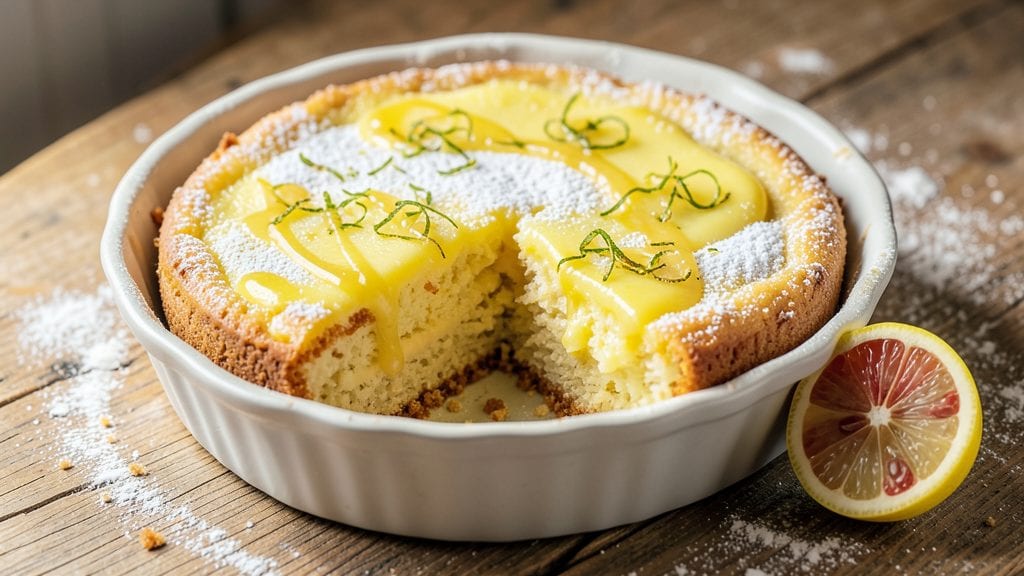
This grandma's lemon cake recipe brings the tangy, buttery comfort of childhood back to your kitchen—layer upon layer of bright citrus and velvety frosting that tastes like a hug.
The secret lies in the crust: a delicate, buttery foundation that melts into every bite, while the lemon layers stay moist and bursting with zesty flavor.
I first learned this recipe from my grandmother, who swore by the almond extract for depth and the precise egg temperature for a tender crumb.
The magic happens in the layers: a tender cake base infused with fresh lemon juice and zest, sandwiched between a luscious lemon buttercream that’s lighter than most frostings.
Baking at 350°F for 25-30 minutes ensures even golden layers without drying out, while the buttercream sets just enough to hold slices neatly. This isn’t just a cake—it’s a nostalgic experience, perfect for birthdays, Sunday afternoons, or when you crave something sweet that tastes like home.
What makes this recipe special is how it balances tradition with foolproof technique—no guesswork, just layers of flavor that come together effortlessly. The frosting stays smooth and pipeable, the crust stays crisp, and the lemon flavor shines through without overpowering.
Whether you’re baking for a crowd or treating yourself, this cake delivers that restaurant-quality taste you’d expect from a family heirloom recipe.
For extra nostalgia, serve it warm with a scoop of vanilla ice cream or dust with powdered sugar for a classic touch. The variations are endless—add a splash of vanilla extract, swap in almond flour for the crust, or even layer in fresh berries for a modern twist.
Here’s how to make it—just like Grandma did.
Ingredients for grandma's lemon cake
Buttery crust, zesty lemon layers, and velvety frosting—just the basics for Grandma’s timeless cake.
| Ingredient | Amount | Notes |
|---|---|---|
| All-Purpose Flour 🌾 | 2 ½ cups | Sifted for light texture |
| Granulated Sugar 🍚 | 2 cups | Divided for crust and cake |
| Unsalted Butter 🧈 | 1 ½ cups | Cold for crust, softened for cake |
| Large Eggs 🥚 | 4 whole | Room temperature for even baking |
| Fresh Lemon Juice 🍋 | ¾ cup | From 4-5 lemons, freshly squeezed |
| Lemon Zest 🍋 | 2 tbsp | Fine, from organic lemons |
| Almond Extract 🌿 | ½ tsp | Pure, not imitation |
| Baking Powder 🧂 | 2 tsp | Freshly opened |
| Salt 🧂 | ½ tsp | Fine sea salt |
| Powdered Sugar 🍚 | 3 cups | For buttercream |
| Heavy Whipping Cream 🥛 | 1 cup | Cold for stiff peaks |
| Vanilla Extract 🌿 | 1 tsp | Pure vanilla bean |
| Almond Flour 🥜 | ½ cup | For crust variation |
The butter matters most here. European-style unsalted butter (like Plugrá or Land O'Lakes) gives that rich, melt-in-your-mouth crust. If you’re using salted, cut the recipe’s salt by half. For the crust, keep everything cold—room temp butter makes a greasy mess. King Arthur flour is my go-to for the cake layers, but any all-purpose will work. The almond extract? Don’t skimp—McCormick’s pure extract is the gold standard, but any reputable brand works. Fresh lemons are a must for that bright citrus punch—organic lemons from the grocery store’s produce section are perfect, but skip the pre-squeezed bottles. They’ve lost all their zing.
No almond extract? Vanilla extract at double the amount works in a pinch, though it won’t have that same depth. Short on almond flour for the crust? Substitute extra flour plus 2 tbsp cornstarch—it’ll be less crunchy but still delicious. The baking powder needs to be fresh—if it’s older than 6 months, toss it. For the frosting, heavy whipping cream is non-negotiable (light cream won’t hold its shape). If you’re feeling fancy, swap half the powdered sugar for confectioners’ sugar for a smoother texture. And yes, you can use store-bought lemon juice, but fresh is worth the squeeze—trust me.
The crust keeps for 5 days in an airtight container, and the cake layers hold up for 3 days if wrapped tightly. The buttercream? It’s stable for 2 days in the fridge, but bring it to room temp before piping—it’ll be like butter again. For make-ahead magic, bake the cake layers and crust a day ahead, then assemble right before serving. The flavors actually improve overnight, especially that lemon zest. And if you’re worried about the frosting sliding off? Chill the cake layers for 20 minutes before assembling—it’ll hold like a dream.
Why You'll Love This Recipe
- No-Fuss Assembly: The crust chills while you mix the batter—no multitasking madness. Just press, freeze, bake, then let the cake layers cool while you whip up the buttercream. I’ll never understand why people stress about cake timing; this recipe lets you work at your own pace.
- Crispy Base, Tangy Magic: That almond flour crust? It’s buttery and crunchy, not soggy. Then you sandwich it with lemon juice and sugar—chef’s kiss—because nothing beats that bright, zesty contrast. My kids don’t even notice the almond extract; they just ask for seconds.
- Leftovers? No Problem: The crust alone lasts five days, and cake layers keep for three. Slice it into bars for work lunches or freeze a portion for lazy mornings. I once had a slice for breakfast (yes, really) and still felt virtuous.
- Budget Lemon Bliss: Fresh lemons and a few pantry staples (like that almond flour) make this cheaper than takeout. The buttercream stretches with powdered sugar, and you can swap organic lemons for regular if needed. It’s the kind of recipe that feels indulgent but won’t break the bank.
Step-by-step instructions for Grandma's lemon cake
Here's how to bake this bright, buttery lemon cake with a crisp crust and moist layers.
Make the Buttery Lemon Crust
In a food processor, combine the ½ cup almond flour, ½ cup of the granulated sugar, ½ cup of the unsalted butter (cold), and ½ tsp salt. Pulse until it resembles coarse crumbs with pea-sized butter pieces. Press this mixture firmly into the bottom of a 9-inch springform pan using your fingers or a glass.
Here's the thing—don't overpress or you'll end up with a dense crust. You want it packed but still crumbly. Once pressed, chill the crust in the freezer for 15 minutes while you prep the cake batter. This keeps it firm during baking and prevents cracking when you add the filling later.
Bake the Crust Until Golden
Preheat your oven to 350°F. Bake the crust for 12-15 minutes until it's light golden brown around the edges. Watch closely after 10 minutes—the crust can go from perfect to overdone fast. Remove from the oven and let it cool for 5 minutes while you prepare the cake layers.
If your crust starts browning too quickly, tent it loosely with foil. The goal is a crisp, golden base that won't turn soggy when you add the lemon filling. This pre-baking step is what gives this cake its signature texture—don't skip it.
Mix the Lemon Cake Batter
In a large mixing bowl, cream together the remaining 1 cup of unsalted butter (softened) and 1½ cups of the granulated sugar until light and fluffy, about 3-4 minutes. Add the 4 large eggs one at a time, mixing well after each addition. Scrape down the sides of the bowl as needed.
In a separate bowl, whisk together the 2½ cups all-purpose flour, 2 tsp baking powder, and ½ tsp almond extract. Gradually add the dry mixture to the butter mixture, alternating with the ¾ cup fresh lemon juice. Start and end with the dry ingredients. Mix just until combined—overmixing develops gluten and makes the cake tough.
Add Lemon Zest and Bake the Layers
Gently fold in the 2 tbsp lemon zest using a spatula. The batter will be bright yellow and fragrant—this is your reward for all that zesty prep work. Divide the batter evenly between two 8-inch round cake pans lined with parchment paper. Bake at 350°F for 25-30 minutes, until a toothpick inserted in the center comes out clean.
Let the cakes cool in the pans for 10 minutes, then transfer to a wire rack to cool completely. This cooling step is crucial—warm cakes will turn mushy when you add the filling. While they cool, make the buttercream by beating the 3 cups powdered sugar, 1 cup heavy whipping cream, and 1 tsp vanilla extract until smooth.
Assemble the Cake with Lemon Filling
Once the cakes are completely cool, level the tops if needed. Spread a thin layer of the buttercream on the crust you baked earlier, then add ¼ cup fresh lemon juice mixed with 2 tbsp granulated sugar. This creates that signature tangy lemon layer between the crust and cake.
Stack the two cake layers on top of the crust, spreading another layer of buttercream between them. Cover the entire cake with the remaining buttercream, then chill for 1 hour before slicing. This chilling time helps the cake hold its shape and makes for cleaner slices. Serve with extra lemon slices on top for that fresh-from-Grandma's-house feel.
Pro Tips For Making Grandma'S Lemon Cake
- CHILL THE CRUST: That 15-minute freezer stint isn’t optional—it’s what keeps your crust from turning into a sad, greasy puddle when you add the filling. I learned this the hard way when my first batch of crust melted into the cake like a bad ice cream sundae. Press it, freeze it, then proceed with confidence.
- ZEST FIRST, JUICE LATER: Fold in that lemon zest after mixing the dry ingredients into the wet—otherwise, you’ll end up with a lumpy batter that fights you every step. And for the love of citrus, don’t skip the fine zest: the difference between "nice cake" and "wow, that’s lemony" is in those tiny, fragrant granules.
- DON’T OVERMIX THE BATTER: I used to treat cake batter like I was making pancakes—whisking until my arm gave out. But this recipe demands restraint: mix the dry ingredients into the wet just until combined, then stop. Overmixing turns your tender cake into a chewy disaster, and nobody wants that.
- SOFTEN BUTTER, DON’T MELT IT: The butter for the cake needs to be softened—press your finger into it, and it should leave a slight indent, not spread like butter on warm toast. I once used melted butter (because I was in a rush) and ended up with a dense, sad cake. Room temp butter is the golden middle ground.
Make-ahead tips for this grandma's lemon cake
Bake the Crust Ahead
I always bake the crust a day ahead—it’s the secret to that perfect balance of crisp and tender. After pressing and chilling the ½ cup almond flour mixture, bake it at 350°F for 12-15 minutes, then let it cool completely. Store it in an airtight container at room temperature.
The crust stays crisp for 5 days and actually absorbs more of the lemon filling’s flavor overnight. This is my go-to for busy weekends when you want to focus on the cake layers. 💫
Prep Cake Batter Early
Mix the cake batter the night before and refrigerate it uncovered in an airtight container. The 2½ cups all-purpose flour and 1½ cups sugar combo benefits from this resting time, as it helps the flour hydrate properly.
When you’re ready to bake, let the batter sit at room temperature for 30 minutes before dividing it into pans. This step prevents sinking and ensures even baking. I’ve found this trick works especially well for the tender crumb we want here.
Make Buttercream First
The buttercream is the star of this cake, and it’s best made ahead. Whip the 3 cups powdered sugar, 1 cup heavy whipping cream, and 1 tsp vanilla extract together until smooth, then refrigerate it in an airtight container.
It holds its texture perfectly for 2 days in the fridge. When you’re ready to assemble, let it sit at room temperature for 15 minutes before piping—this makes it easier to work with and prevents it from sliding off the cake layers.
Trust me, this saves time on busy days! 🍋
Assemble the Night Before
Once the cake layers are completely cool, stack them with a thin layer of buttercream between them and chill for 1 hour. Then, cover the entire cake with the remaining buttercream and refrigerate it overnight.
This chilling time allows the flavors to meld beautifully while keeping the cake structure intact. When you’re ready to serve, let it sit at room temperature for 30 minutes before slicing. The contrast of warm cake with cool buttercream is pure magic.
Freeze for Long-Term Storage
If you’re planning ahead for weeks, freeze the assembled cake (without decorations) wrapped tightly in plastic wrap and aluminum foil. Place it on a tray first to prevent freezer burn, then transfer to a freezer bag. It keeps its texture and flavor for up to 3 months.
When you’re ready to enjoy it, thaw it overnight in the fridge and let it sit at room temperature for 1 hour before serving. The frosting will soften slightly, but it’ll still be delicious.
Nutrition facts
Frequently asked questions
Why does this recipe call for room-temperature eggs?
Room-temperature eggs blend smoothly with the butter and sugar, creating a lighter, fluffier texture. Cold eggs can cause the batter to separate or develop lumps, which affects the cake's tenderness. Let your eggs sit at room temperature for about 30 minutes before mixing—it’s a simple step that makes all the difference in your final result.
Can I substitute almond flour in the crust?
Yes! If you’re avoiding almond flour, mix 2 cups all-purpose flour with 2 tablespoons cornstarch to mimic the texture. The crust will be slightly less crisp but still delicious. For extra flavor, add 1 teaspoon almond extract to the dry ingredients. This swap works well when you’re short on almond flour.
How do I prevent my cake layers from sinking?
Sinking often happens when the batter isn’t mixed properly or the oven isn’t preheated. Gently fold the 2 tbsp lemon zest just until combined—no need to overmix—and ensure your oven reaches 350°F before baking. Also, let the batter rest for 10 minutes after mixing before dividing it into pans. This helps the flour absorb the liquid evenly.
Can I make the buttercream ahead of time?
Whip the 3 cups powdered sugar, 1 cup heavy whipping cream, and 1 tsp vanilla extract together until smooth, then refrigerate it in an airtight container. It keeps perfectly for 2 days in the fridge. Before assembling the cake, let it sit at room temperature for 15 minutes to soften—this makes piping much easier!