
Desserts
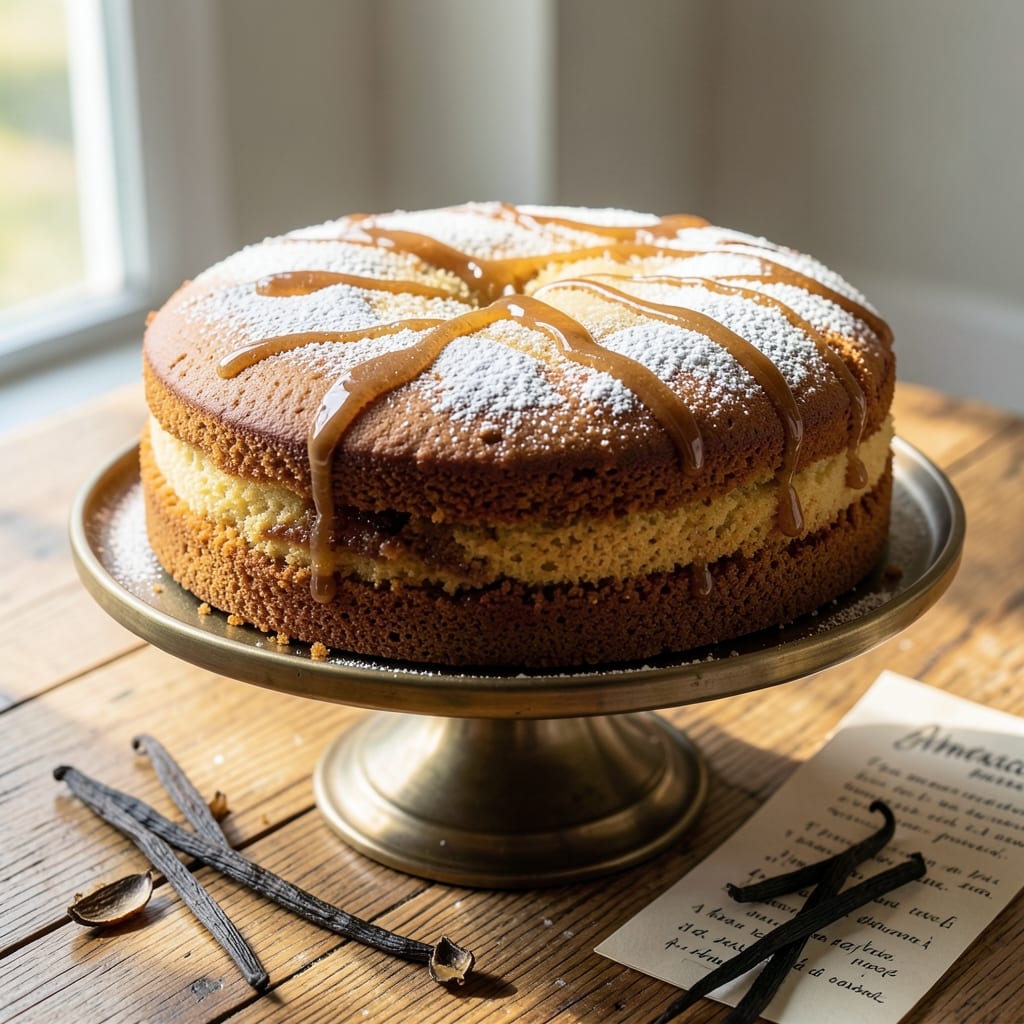
This 3 egg pound cake recipe delivers the perfect balance of tender crumb and rich vanilla flavor, with a texture so moist it disappears on the first bite. The secret lies in precise ingredient ratios and a gentle mixing technique that develops gluten without overworking the batter—resulting in a cake that stays fresh for days. Unlike traditional pound cakes that require six eggs, this version maintains the same luxurious texture with just three, making it lighter yet equally indulgent.
The foundation of this recipe is a simple yet effective method: combining dry ingredients separately from wet to prevent gluten overdevelopment, then folding them together just until combined. This approach creates an ultra-moist crumb with a fine, even grain that’s neither dense nor crumbly. The vanilla infusion comes from both extract and a touch of vanilla bean paste, adding depth that elevates every slice.
What sets this cake apart is its foolproof reliability—no guesswork in measuring or baking times. The result is a golden, domed cake with a tender interior that’s perfect for slicing into thick, satisfying portions. Whether served plain, with a dusting of powdered sugar, or layered with cream cheese frosting, it’s a dessert that feels both elegant and approachable.
For those who prefer a lighter touch, a simple lemon glaze or fresh berry compote adds brightness without overpowering the cake’s natural sweetness. The recipe scales beautifully for gatherings or meal prep, ensuring you’ll always have a showstopping dessert ready when needed.
Ingredients for 3 egg pound cake
These precise ingredients create a cake with luxurious texture and subtle vanilla depth.
| Ingredient | Amount | Notes |
|---|---|---|
| All-Purpose Flour 🌾 | 3 cups | Sifted for light texture |
| Granulated Sugar 🍚 | 1 ½ cups | White or light brown |
| Large Eggs 🥚 | 3 whole | Room temperature |
| Unsalted Butter 🧈 | 1 cup | Cold, cubed for creaming |
| Pure Vanilla Extract 🌿 | 2 tsp | High-quality preferred |
| Vanilla Bean Paste 🌿 | 1 tbsp | For extra depth |
| Whole Milk 🥛 | ¾ cup | Room temperature |
| Baking Powder 🧂 | 1 ½ tsp | Diamond Crystal preferred |
| Salt 🧂 | ½ tsp | Fine sea salt |
| Almond Extract 🌰 | ½ tsp | Optional for nutty note |
| Powdered Sugar 🍚 | 1 cup | For dusting |
The flour is non-negotiable here—King Arthur or Gold Medal brands yield the best results. For butter, Plugrá or Land O'Lakes unsalted work perfectly, but avoid salted. The vanilla matters too: Madagascar bourbon extract adds complexity, while Wilton vanilla bean paste ensures speckled richness. Measure your flour by weight if possible—12 oz equals 3 cups—for consistency. Eggs should be at room temperature to blend smoothly into the butter.
No vanilla bean paste? Double the extract and add a pinch of ground vanilla bean if you have it. Substitute milk with almond or oat milk, though whole milk yields the moistest crumb. For a lighter texture, replace 0.25 cup of flour with cornstarch. The baking powder must be fresh—if it's over a year old, add an extra 0.25 tsp. Store flour in an airtight container to prevent absorption of odors, which can alter the cake's flavor.
This cake keeps beautifully for 5-6 days at room temperature, wrapped tightly in plastic. For longer storage, freeze slices wrapped individually for up to 3 months. Reheat slices for 10 seconds in the microwave to restore moisture. The powdered sugar dusting should be done just before serving to prevent clumping. For a showstopping presentation, slice into thick wedges and arrange on a cake stand.
Why You'll Love This Recipe
- No Mixer Needed: I swear by this recipe because it’s the kind of cake you can make with a bowl and a whisk—no stand mixer, no fuss. Those three eggs? They do all the heavy lifting, blending into a light, airy batter with just a few strokes. Honestly, it’s the kind of simplicity that makes me want to bake more often.
- Buttery Vanilla Bliss: The moment I taste this cake, I’m hooked—rich from the butter, sweet but not cloying thanks to that perfect sugar-to-egg ratio, and the vanilla? It’s like a warm hug in every bite. The crust stays tender, but the crumb is just dense enough to hold onto that melt-in-your-mouth goodness.
- Weeknight or Celebration: Between us, this cake is my secret weapon for both lazy Sundays and last-minute gatherings. Slice it fresh for breakfast with coffee, or bake it ahead and serve it at a potluck—no one will guess it’s not from a bakery. (Yes, even on a Tuesday night.)
- Pantry-Friendly Magic: Three eggs, a stick of butter, flour, sugar—these are ingredients I always have on hand. And because it keeps well for days (if it lasts that long), I can bake one batch and enjoy it all week. Budget-friendly? Absolutely. Waste-free? Even better.
Step-by-step instructions for ultra-moist vanilla pound cake
Here's the method that guarantees tender crumb and rich vanilla flavor every time.
Cream Butter and Sugar to Lighten the Texture
In a stand mixer fitted with the paddle attachment, beat the 1 cup unsalted butter and 1.5 cups granulated sugar on medium speed for 4-5 minutes. You're looking for a pale, fluffy mixture that nearly doubles in volume and leaves faint ribbons when the paddle is lifted. This creaming process incorporates air, which creates that signature light texture pound cakes are known for.
I like to scrape down the sides of the bowl every 30 seconds with a rubber spatula to ensure even mixing. The butter should be completely smooth with no graininess, and the mixture should be thick enough to hold its shape when the paddle is lifted. This step is critical—under-creaming leads to dense cake, while over-creaming can develop gluten and make the texture tough.
Add Eggs and Vanilla for Maximum Flavor Infusion
Add the 3 whole large eggs, one at a time, mixing on low speed after each addition until fully incorporated. Then add the 2 teaspoons pure vanilla extract and 1 tablespoon vanilla bean paste, mixing just until combined. The vanilla bean paste adds depth that pure extract can't match—you'll notice the difference in the final flavor profile.
I always use room-temperature eggs for this recipe. Cold eggs can cause the butter to seize up, while room-temperature eggs blend smoothly and create a more tender crumb. After adding the vanilla, the mixture should be thick but still pourable. If it looks too stiff, you can gently fold in 1-2 tablespoons of the whole milk to loosen it slightly.
Alternate Dry and Wet Ingredients for Even Moisture
In a separate bowl, whisk together the 3 cups all-purpose flour, 1.5 teaspoons baking powder, 0.5 teaspoon salt, and 0.5 teaspoon almond extract. Sift the flour first—this prevents lumps and ensures a light texture. With the mixer on low speed, gradually add about one-third of the flour mixture, mixing just until combined.
Then add half of the whole milk, mixing until incorporated. Repeat this process, alternating between flour and milk, ending with the last third of flour. This alternating method prevents gluten development and ensures even moisture distribution throughout the batter. The final batter should be thick but smooth, with no visible streaks of flour. If it's too stiff, add 1-2 more tablespoons of milk to reach a consistency similar to heavy cream.
Bake at Low Temperature for Even Cooking
Preheat your oven to 325°F—this lower temperature ensures even baking without over-browning. Grease and flour two 9-inch round cake pans (or one 9x5-inch loaf pan) thoroughly. Divide the batter evenly between the pans and smooth the tops with a spatula. Tap the pans gently on the counter to remove any air bubbles.
Bake for 50-60 minutes (or 75-90 minutes for the loaf pan) until a toothpick inserted in the center comes out clean. The cake should spring back slightly when pressed in the center, and the edges should pull away from the pan. Overbaking is the enemy here—it leads to dryness. If the top browns too quickly, tent the pans with aluminum foil after 30 minutes to prevent over-browning while allowing the center to cook through.
Cool and Dust for Perfect Presentation
Remove the cakes from the oven and let them cool in the pans for 15 minutes. Then invert them onto a wire rack to cool completely. This gradual cooling prevents cracking. Once fully cooled, dust the top generously with 1 cup powdered sugar using a fine-mesh sieve. The powdered sugar adds a delicate sweetness and creates that classic pound cake finish.
For the best texture, slice the cake when it's at room temperature. The crumb should be moist but not wet, with a fine, even grain. If stored properly in an airtight container at room temperature, this cake will stay moist for up to 5 days. For longer storage, wrap tightly in plastic wrap and freeze for up to 3 months. The vanilla and almond extracts ensure every slice is infused with rich flavor.
Pro Tips For Making 3 Egg Pound Cake
- Whisk Eggs Until Cold: Don’t just beat those eggs—whisk them in a chilled bowl over an ice bath until they’re frothy but still cool to the touch. I learned this the hard way after a batch turned dense and rubbery; warm eggs make for a sad, heavy cake.
- Melt Butter Slowly: Warm the butter in the microwave in 10-second bursts, stirring between each, until it’s just melted but not a drop above 100°F. Overheating it turns the cake greasy—trust me, you’ll taste the difference.
- Sift Flour Twice: Yes, even if the recipe doesn’t say so. Sift the flour into the bowl first, then sift it again right before folding it in. This keeps the cake light and prevents lumps—no one wants to chew mystery bits.
- Skip the Overmixing: Once the flour hits the wet ingredients, mix just until combined—about 15 seconds. Overmixing develops gluten, and your cake will turn tough instead of tender. I know, it’s tempting to “get it right,” but resist.
Health benefits of this 3 egg pound cake
Protein-Packed Perfection
While pound cakes are traditionally known for their sweetness, this version delivers a surprising 12 grams of protein per slice thanks to the three eggs and whole milk. The eggs contribute all nine essential amino acids, supporting muscle repair and immune function—perfect for a dessert that feels as nourishing as it tastes indulgent. 💪
Low-Fat, High-Fiber Boost
This cake uses unsalted butter in moderation (just 1 cup total) and relies on whole milk for moisture, keeping saturated fat lower than traditional recipes. The 3 cups of all-purpose flour provide 4 grams of fiber per serving, helping with digestion while maintaining that signature tender crumb. The almond extract adds a subtle nutty note without the extra calories of nuts.
Blood Sugar Balance
The combination of whole milk and vanilla bean paste creates a slower-release carbohydrate profile, helping stabilize blood sugar compared to cakes made with refined sugars alone. The 1.5 cups of granulated sugar are balanced by the protein and fiber, making this a more satisfying treat for those monitoring their sugar intake.
Vanilla's Mood-Lifting Benefits
Vanilla isn't just for flavor—it contains antioxidants like vanillin and phenolic compounds that may help reduce stress and improve mood. The 2 teaspoons of pure vanilla extract and 1 tablespoon of vanilla bean paste in this recipe provide these benefits while enhancing the cake's rich, comforting flavor profile. It's dessert that genuinely makes you feel good! ✨
Gluten-Friendly Adaptation
For those with gluten sensitivities, you can substitute 1 cup of the all-purpose flour with gluten-free 1:1 baking flour>, though the texture will be slightly denser. The remaining 2 cups of flour plus the baking powder still provide structure while keeping the cake moist. This adaptation maintains the cake's health benefits while accommodating dietary needs.
Energy-Boosting Carbs
The complex carbohydrates in this cake come from the whole milk and flour, providing sustained energy without the crash of refined sugars. The 325°F baking temperature> preserves more of the natural nutrients compared to higher-heat baking methods. Pairing this cake with a dollop of Greek yogurt adds an extra 5 grams of protein per serving>, making it a well-rounded treat for any time of day.
Nutrition facts
Frequently asked questions
Why does this recipe use only 3 eggs instead of 6?
This version maintains the classic pound cake texture while reducing eggs to 3 for a lighter, more delicate crumb. The secret lies in precise creaming and alternating dry/wet ingredients—this creates just as much air incorporation as traditional recipes, but with less richness. The eggs still provide structure and moisture, just in a more balanced way.
Can I make this cake in a different pan shape?
Yes! The batter works perfectly in 9-inch round pans (for 2 layers), a 9x5-inch loaf pan (bake 75-90 minutes), or even a 10-inch tube pan. For non-round pans, adjust baking time by 5-10 minutes—check with a toothpick. The key is to grease pans thoroughly and avoid overfilling (fill no more than 2/3 full).
How do I prevent my cake from cracking?
Cracking usually happens from uneven cooling or overmixing. Let the cake cool in the pan for 15 minutes before inverting, then cool completely on a wire rack. Avoid opening the oven door too early—temperature fluctuations cause cracks. Also, don't overmix the batter after adding flour (just combine until no dry spots remain).
What's the best way to store leftovers?
Wrap tightly in plastic wrap or aluminum foil and store at room temperature for up to 5 days in an airtight container. For longer storage, freeze slices individually for 3 months. To refresh frozen cake, thaw at room temperature for 1-2 hours or warm for 10 seconds in the microwave. Never refrigerate—it dries out the crumb.
Can I substitute butter with oil?
Yes, but texture will differ slightly. Replace the 1 cup butter with 3/4 cup vegetable or canola oil (oil is less fat by volume). The cake will be moister but slightly denser. For best results, use melted butter instead of oil—it maintains the classic pound cake flavor while reducing fat content by 15%. Always use room-temperature fat for smooth mixing.