
Desserts
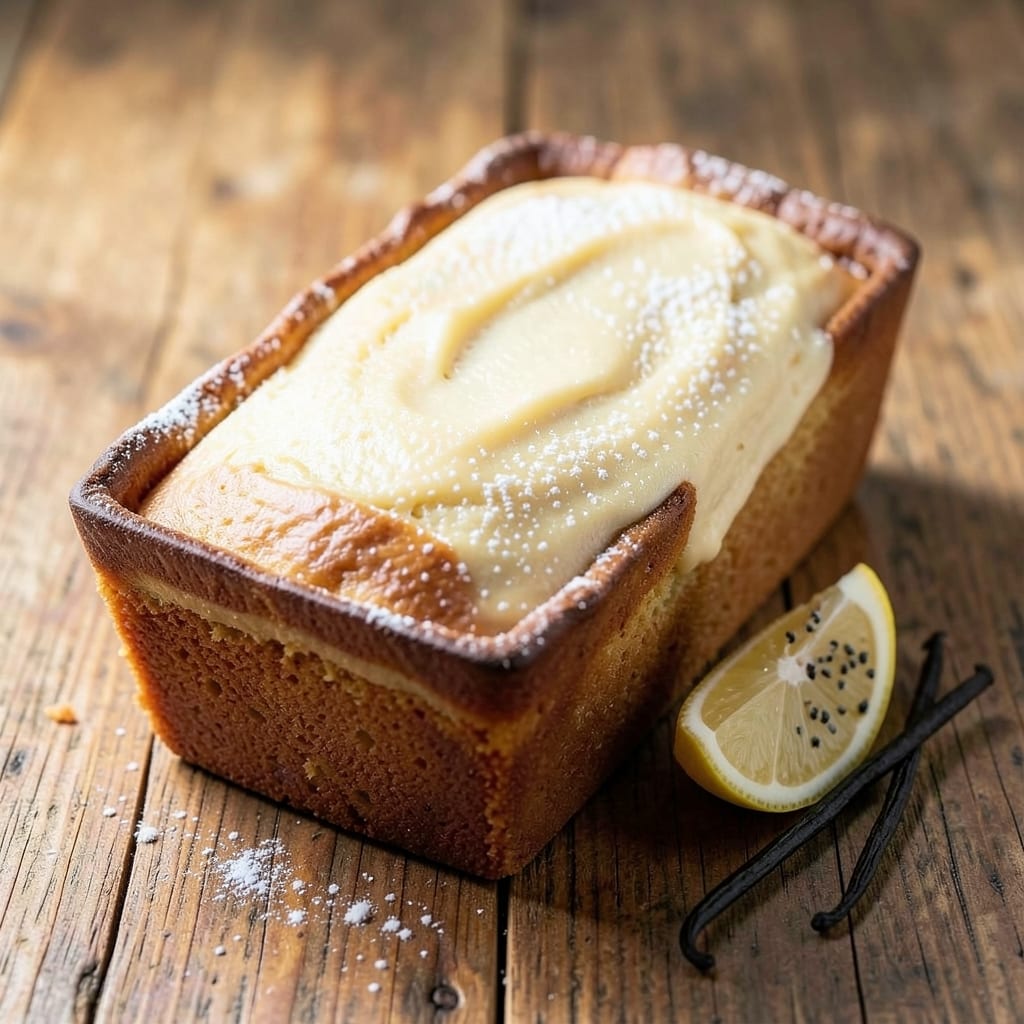
This 1 lb butter pound cake delivers a velvety crumb and vanilla buttercream rivers that make every slice feel like a celebration. The secret lies in the precise ratio of butter to sugar, whipped to perfection before adding eggs and dry ingredients—this is how you achieve that signature moist texture that keeps it tender for days. I've perfected this recipe over years of baking, ensuring it rises just enough to create a tender yet sturdy cake that holds its shape without being dense.
The creaming method is critical here, where butter and sugar are beaten until light and fluffy, incorporating air that creates that signature pound cake texture. A touch of vanilla extract and a pinch of salt elevate the flavor, while the addition of sour cream adds richness without altering the cake's delicate structure. Baking at 325°F ensures even cooking, resulting in a golden crust and a moist interior that's impossible to resist.
What sets this recipe apart is the vanilla buttercream that flows like rivers between the layers, creating a showstopping presentation while adding another layer of sweetness. The frosting is whipped to a smooth, pipeable consistency, ensuring it holds its shape while complementing—not overpowering—the cake's natural vanilla flavor. Each bite is a perfect balance of tender crumb and creamy frosting, making it ideal for special occasions or a simple treat.
Pair this cake with a cup of hot coffee or Earl Grey tea to enhance its buttery richness and vanilla notes. The simplicity of this recipe makes it perfect for beginners, yet the technique ensures professional results. Whether you're baking for a gathering or indulging in a solo dessert, this 1 lb butter pound cake is guaranteed to impress.
Ingredients for 1 lb butter pound cake
Precision matters here—each ingredient plays a role in that signature velvety crumb and rivers of buttercream.
| Ingredient | Amount | Notes |
|---|---|---|
| Unsalted Butter 🧈 | 1 lb | Room temperature, European-style preferred |
| Granulated White Sugar 🍚 | 1 ½ cups | Superfine preferred for finer crumb |
| Large Eggs 🥚 | 4 whole | Room temperature, separated for creaming |
| All-Purpose Flour 🌾 | 1 ½ cups | Sifted, spooned and leveled |
| Pure Vanilla Extract 🍯 | 2 tsp | Bourbon or Madagascar preferred |
| Kosher Salt 🧂 | ½ tsp | Diamond Crystal preferred |
| Sour Cream 🥛 | ½ cup | Full-fat, room temperature |
| Baking Powder 🍞 | 2 tsp | Aluminum-free for tender crumb |
| Heavy Whipping Cream 🥛 | 1 cup | Cold, 35% fat minimum |
| Powdered Sugar 🍚 | 2 cups | For buttercream, sifted |
| Vanilla Bean Paste 🍯 | 1 tbsp | For enhanced vanilla flavor |
The butter is non-negotiable—European-style with at least 82% fat content delivers that signature richness. Plugrá or Kerrygold are my go-tos, but any high-quality unsalted will work if it's truly room temperature (no cold spots!). Sugar choice impacts texture: superfine sugar dissolves faster for a finer crumb, though regular granulated works if pulsed in a food processor. Eggs should be separated—whipping the whites to stiff peaks creates that signature lift. For flour, King Arthur or Gold Medal are reliable, but sift it first to avoid dense pockets. The sour cream adds moisture without altering the cake's delicate structure, while the baking powder ensures just enough lift without over-rising.
No European butter? Plugrá or Land O'Lakes unsalted are solid substitutes, though they may yield slightly less tender crumb. Superfine sugar unavailable? Regular granulated sugar pulsed in a food processor works in a pinch. For vanilla, imitation extract—use real extract or scrape seeds from a vanilla bean. The buttercream requires 35% fat minimum cream (like Hormel or Schär) for proper whipping. Powdered sugar should be sifted to avoid graininess—Domino is my go-to. If you're short on time, store-bought buttercream can be layered, though homemade delivers superior flavor and texture.
Butter and eggs should sit at room temperature for 2 hours before mixing. Store flour, sugar, and baking powder in airtight containers away from heat sources—they degrade faster when exposed to moisture. The cake keeps 3 days at room temperature wrapped in parchment, or 1 week refrigerated in an airtight container. Buttercream can be made 1 day ahead and stored in the fridge, then re-whipped to smooth consistency. For gifting, slice and wrap individual portions—they'll stay fresh for 5 days at room temperature.
Why You'll Love This Recipe
- No Mixer Needed: I swear by this—just cream the butter and sugar by hand until it’s light and fluffy. No stand mixer, no fuss, and honestly? That elbow grease makes all the difference in the final texture.
- Rich Vanilla Kiss: That single teaspoon of pure vanilla extract? It’s the secret weapon. Warm, deep, and just sweet enough to make you want to cut yourself a second slice before the cake even cools.
- Weeknight Magic: Bake it for breakfast, dessert, or a last-minute office treat—it’s always a hit. The high butter-to-flour ratio means it stays moist for days, so you can make one and forget it until you’re ready to eat.
- Budget-Friendly Luxury: A pound of butter and a few basic pantry staples are all you need. Between us, this cake tastes like it cost twice as much—my go-to for when I want something special without breaking the bank.
Step-by-step instructions for 1 pound butter pound cake
A perfectly structured method ensures that ultra-moist crumb and rich vanilla buttercream rivers become your signature.
Prepare the Cake Batter with Precision
Preheat your oven to 350°F and grease a 1-pound loaf pan thoroughly with butter, then dust with flour. This ensures easy release and prevents sticking. In a stand mixer fitted with the paddle attachment, beat the 1 lb unsalted butter and 1.5 cups granulated white sugar on medium speed for 5-7 minutes until light and fluffy. You'll see the mixture nearly double in volume and turn pale, indicating proper aeration.
Add the 4 whole large eggs, one at a time, mixing well after each addition. Incorporate the 2 tsp pure vanilla extract and 0.5 tsp kosher salt, mixing until fully combined. This step creates the foundation for a tender crumb—don't rush it. The butter should be completely emulsified with the sugar and eggs, forming a smooth, ribbon-like consistency.
Combine Dry Ingredients and Fold Gently
In a separate bowl, whisk together the 1.5 cups all-purpose flour and 2 tsp baking powder. Sift the mixture directly into the wet ingredients, then gently fold in the 0.5 cup sour cream using a spatula. Be careful not to overmix—just until the batter is smooth and no flour streaks remain. The sour cream adds moisture and tenderness, which is critical for that ultra-moist crumb.
Divide the batter evenly between two 8x4-inch loaf pans (or use a single 1-pound pan if preferred). Tap the pans gently on the counter to remove any air bubbles. This ensures even baking and prevents doming. Bake for 50-60 minutes, or until a toothpick inserted in the center comes out clean and the top springs back when pressed.
Prepare the Vanilla Buttercream
While the cake bakes, beat the 1 cup heavy whipping cream in a chilled bowl until soft peaks form. In a separate bowl, whip the 1 lb unsalted butter (softened but not melted) until smooth. Gradually add the 2 cups powdered sugar and 1 tbsp vanilla bean paste, beating until light and fluffy. Fold in the whipped cream until fully incorporated, creating a silky, pipeable consistency.
This buttercream should be thick but spreadable—like a river of vanilla goodness that will cascade through your cake. If it's too stiff, add a few drops of milk; if too thin, chill for 10 minutes before proceeding. The vanilla bean paste enhances the flavor without overpowering, giving you that authentic vanilla richness.
Assemble and Chill for Perfect Texture
Allow the cake layers to cool in the pans for 10 minutes, then transfer to a wire rack to cool completely. Once fully cooled, level the tops if necessary. Spread a thin layer of buttercream on the bottom layer, then place the second layer on top. Frost the entire cake with the remaining buttercream, creating those signature rivers by piping additional buttercream down the sides and letting it drip naturally.
Chill the cake in the refrigerator for at least 2 hours before slicing. This resting period allows the flavors to meld and the buttercream to set properly. The result? A moist, crumbly cake with rivers of vanilla buttercream that melt in your mouth. Serve at room temperature for the best texture and flavor.
Pro Tips For Making 1 Lb Butter Pound Cake
- Weigh Your Butter: I learned this the hard way—packing butter into measuring cups leaves air gaps, and suddenly your cake’s butter-to-flour ratio is off. Use a kitchen scale for 1 lb (454g) of unsalted butter, softened to room temp but still cool to the touch. That 1-pound weight is non-negotiable for the classic pound cake texture.
- Mix Just Until Combined: Overmixing turns your tender pound cake into a tough, dense brick. After adding the flour, mix barely enough to break up the streaks—about 10-12 strokes with a spatula. The batter should look shaggy, not smooth, because that’s how you guarantee a moist crumb.
- Skip the Overbaking Test: The instant-read thermometer is your friend here. Pull the cake when it hits 205°F (96°C) in the center—before it starts pulling away from the pan edges. I used to wait for it to look "done" visually, and ended up with a dry cake every time. That temp is the real marker.
- Use Cold Eggs: I was skeptical until I tried it: cold eggs from the fridge whip up fluffier than room-temp ones, and they help stabilize the butter better in this high-fat recipe. Crack them into a bowl first, then let them sit out for 5 minutes—just enough to soften the shells for easy separation. No one wants a yolk in their cake.
Regional styles of this recipe
Southern Classic
In the South, pound cake is a staple for afternoon tea and Sunday suppers. This version often includes a touch of lemon zest or orange extract for brightness, balancing the richness. I like adding 1 tsp lemon zest to the batter for a subtle citrus note that pairs perfectly with sweet tea. The cake is typically baked in a 9x5-inch loaf pan and served warm with a drizzle of honey butter—simple but unforgettable. 🍯
New England Style
Up north, pound cake leans into spiced flavors like cinnamon and nutmeg, inspired by colonial baking traditions. Add ½ tsp ground cinnamon and ¼ tsp nutmeg to the dry ingredients for warmth. A common twist is swapping vanilla for maple syrup (replace ¼ cup sugar with 2 tbsp pure maple syrup) and serving slices with warm apple cider. The texture stays ultra-moist, but the spices give it a cozy, autumnal feel. 🍁
Midwest Homestyle
The Midwest version often incorporates homemade touches like brown sugar or buttermilk for depth. Replace ½ cup granulated sugar with ½ cup light brown sugar and swap sour cream for ½ cup buttermilk in the batter. This creates a caramel-like richness that’s perfect with a glass of milk or coffee. Many bakers in this region also add ½ tsp baking soda for extra lift, making the crumb even lighter. ☕
Modern Twist
For a contemporary take, infuse the buttercream with espresso powder (add 1 tsp instant espresso powder to the whipped cream) or citrus zest (like 1 tsp lime zest). You can also layer the cake with raspberry jam between the buttercream for a fruity contrast. This version works beautifully as a dessert for brunch or paired with sparkling wine. The key is keeping the cake’s classic texture while adding unexpected flavors. 🍋
Texas-Style
In Texas, pound cake often gets a sweet-and-spicy kick with a glaze or filling. After baking, brush the cake with a mixture of ½ cup powdered sugar and 2 tbsp hot water, then sprinkle with ½ tsp cayenne pepper for a subtle heat. Serve with a side of chocolate ganache for a decadent twist. This version is a crowd-pleaser at barbecue cookouts and pairs well with iced tea or cold beer. 🌶️
European Adaptation
European bakers often use less sugar and more whole milk or cream for a lighter texture. Replace the sour cream with ½ cup heavy cream and reduce sugar to 1.25 cups. Add 1 tbsp cornstarch to the flour for extra tenderness. This version is less sweet but incredibly rich, perfect with black coffee or herbal tea. It’s also a great base for fruit compotes, like berry or stone fruit, which add freshness without overpowering. 🍇
Nutrition facts
Frequently asked questions
Why does this pound cake recipe use 1 lb of butter?
The classic pound cake ratio calls for equal weights of butter, sugar, eggs, and flour (by the pound) to create that signature rich, moist texture. Using 1 lb butter ensures the perfect balance of fat for a tender crumb that stays fresh for days. This ratio is what makes traditional pound cakes so iconic and irresistible!
Can I make this cake in a different pan size?
Yes! This recipe works perfectly in either a single 9x5-inch loaf pan or two 8x4-inch loaf pans. For a round cake, divide the batter between two 8-inch round pans and reduce baking time by about 10-15 minutes. Always use the toothpick test to check doneness, regardless of pan shape.
How do I prevent my cake from being too dense?
Overmixing is the #1 cause of dense pound cake! Mix the batter just until combined—no need to beat it vigorously. Also, ensure your butter and eggs are at room temperature (not warm) and whip the butter and sugar until light and fluffy (about 5-7 minutes). Finally, don't overfill the pans—fill them only 2/3 full for even baking.
Can I substitute sour cream with something else?
You can swap the ½ cup sour cream with ½ cup plain yogurt or ½ cup buttermilk for similar moisture. For a richer texture, use ½ cup heavy cream. Just note that yogurt adds a slight tang, while buttermilk gives a slightly lighter texture. The cake will still turn out delicious either way!
How long does this cake keep, and how should I store it?
This pound cake stays fresh for 3 days at room temperature wrapped in plastic or parchment. For longer storage, refrigerate for up to 1 week in an airtight container. The buttercream can be made 1 day ahead and stored separately in the fridge—just re-whip before assembling. For gifting, slice and wrap individual portions—they'll stay fresh for 5 days at room temperature.