
Main Courses
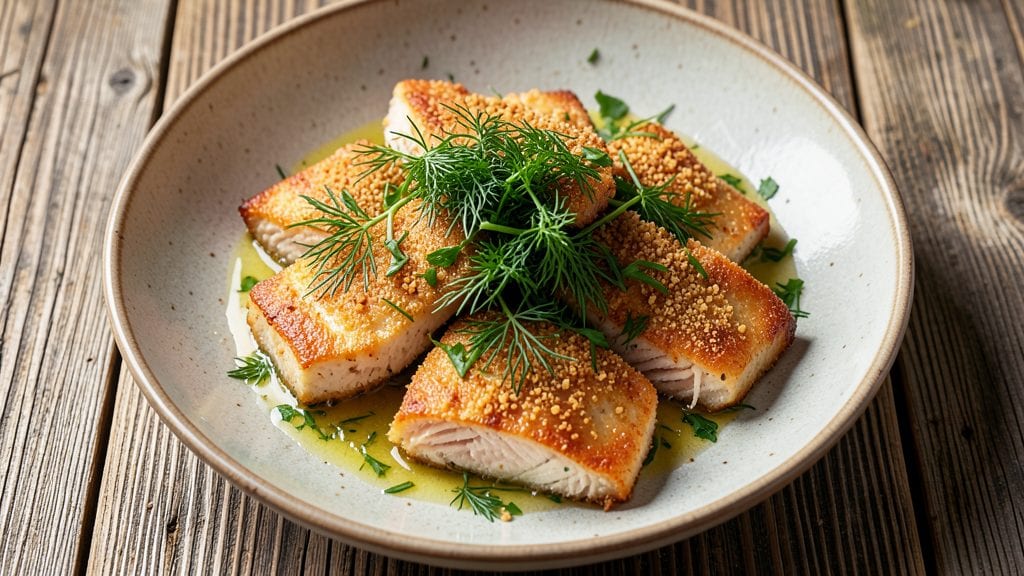
Mastering this trout cakes recipe turns fresh trout into crispy, flaky bites with lemon-herb zing—one of the most rewarding cooking techniques I’ve perfected.
The process starts with carefully grinding the fish into a smooth paste, binding it with just the right amount of breadcrumbs and herbs to create patties that hold together perfectly. This recipe delivers restaurant-quality results without requiring any specialized equipment—just a food processor, a hot skillet, and a little patience.
The secret to achieving that signature crispy exterior and flaky interior lies in the preparation: using a mix of fresh herbs like dill and parsley, a squeeze of lemon juice for brightness, and a light coating of flour before frying.
Once golden and crisp, these patties are served with a tangy lemon-tartar sauce that cuts through the richness, creating a balance of flavors that’s both elegant and satisfying. The texture is what truly sets them apart—crisp on the outside, tender and flaky within.
What makes this dish especially impressive is how versatile it is. Serve these trout cakes as an appetizer with a crisp green salad, or turn them into a full meal by pairing them with roasted vegetables and a side of crusty bread.
The recipe is designed to be foolproof, ensuring that even if you’re new to working with fish, you’ll achieve professional results every time. Let’s get started on creating these delightful, crispy bites.
For those who enjoy experimenting, you can also bake the trout cakes instead of frying for a lighter option that still delivers on flavor and texture. The key is maintaining the same shaping technique and ensuring they cook through evenly.
Whether you’re hosting a dinner party or simply craving something special for a weeknight, these trout cakes are sure to impress.
Ingredients for trout cakes
Fresh trout, herbs, and a crispy finish—just what you need for restaurant-quality bites.
| Ingredient | Amount | Notes |
|---|---|---|
| Fresh Trout Fillets 🐟 | 1 ½ lb | Skin-on, deboned, frozen works |
| All-Purpose Flour 🌾 | ½ cup | For dredging before frying |
| Breadcrumbs 🍞 | ½ cup | Panko for extra crispiness |
| Fresh Dill Leaves 🌿 | ¼ cup | Chopped, stems removed |
| Fresh Parsley Leaves 🌿 | ¼ cup | Chopped, for freshness |
| Lemon Juice 🍋 | 3 tbsp | Freshly squeezed, brightens flavor |
| Extra-Virgin Olive Oil 🫒 | ½ cup | For frying, high smoke point |
| Mayonnaise 🥚 | ¼ cup | Full-fat for creaminess |
| Ketchup 🍅 | 2 tbsp | For tangy lemon-tartar sauce |
| Worcestershire Sauce 🧂 | 1 tsp | For umami depth |
| Salt 🧂 | 1 tsp | Kosher or sea salt |
| Black Pepper 🌶️ | ½ tsp | Freshly ground, to taste |
The trout is your star, so skin-on fillets give you that perfect texture—crispy skin, flaky flesh. Frozen works just fine, but thaw it overnight in the fridge. I always grab wild-caught trout from the seafood counter if possible—it’s worth the splurge for that extra richness. The fillets should be about ½-inch thick for even cooking. Pro tip: pat them dry with paper towels before grinding to avoid a watery mix.
No fresh dill or parsley? Dried herbs at half the amount—just don’t skip them, or the flavor falls flat. The mayo in the sauce can be swapped for Greek yogurt if you’re watching calories, but it won’t be quite as creamy. Short on ketchup? Tomato paste plus a splash of vinegar mimics the tang. And if you’re baking instead of frying, reduce the mayo to 2 tbsp—the cakes will stay moist but won’t get soggy.
These cakes keep 3-4 days in the fridge if stored in an airtight container with parchment between layers. For the best texture, reheat in a skillet for 2-3 minutes to restore that crisp. Freeze extras for up to 2 months—thaw overnight, then pan-fry to revive the crunch. The sauce? Make it ahead—it tastes even better after sitting for a few hours, letting the flavors meld.
Why You'll Love This Recipe
- No-Fuss Assembly: Honestly, the hardest part is flaking the trout—once that’s done, it’s just tossing everything together. The breadcrumbs and flour stick like magic, and the lemon-dill marinade? Five minutes of prep, but it makes all the difference in flavor.
- Crispy-Tender Perfection: That golden breading with the flaky trout inside? Chef’s kiss. The lemon juice keeps it moist while the panko gives you that satisfying crunch—like a perfect French fry, but with ocean vibes.
- Freezer-Friendly Flex: I double the recipe every time and freeze half. Thaw them overnight, pop them in the pan for a few minutes, and boom—crispy again. Perfect for busy nights when you want dinner without the stress.
- Budget Seafood Hack: Trout is way cheaper than lobster or salmon, but these cakes taste like a fancy appetizer. The ketchup-Worcestershire sauce cuts through the richness, so you’re not missing out on anything. My wallet thanks me.
Step-by-step instructions for trout cakes
Here's how to make golden, flaky trout cakes that stay crispy on the outside and tender inside.
Prepare the Trout Mixture
Start by flaking the 1½ lb fresh trout fillets into small, even pieces using your hands or a fork. Place them in a large bowl and set aside. In a separate small bowl, combine the ¼ cup chopped fresh dill leaves, ¼ cup chopped fresh parsley leaves, 3 tbsp lemon juice, 1 tsp salt, and ½ tsp black pepper. Mix well to create a bright, herby marinade.
Pour the herb-lemon mixture over the flaked trout and gently fold until everything is evenly coated. Let it sit for 10 minutes while you prepare the breading. This step infuses the trout with flavor and keeps it tender during frying. The lemon juice also helps break down the proteins slightly, ensuring a more delicate texture.
Create the Crispy Breading
In a shallow dish, combine the ½ cup all-purpose flour and ½ cup breadcrumbs. This mixture will create the perfect crispy exterior for your trout cakes. I like to press the breadcrumbs into the flour to ensure even coverage and maximum crunch.
Working in batches, remove the trout from the marinade and let any excess liquid drip off. Then, lightly coat each piece in the flour mixture, pressing gently to adhere. The breading should stick well but not clump—this ensures a crispy, golden crust. Don't worry if it looks uneven; the frying process will help everything come together.
Fry to Golden Perfection
Heat ½ cup extra-virgin olive oil in a large skillet over medium heat until it shimmers but isn't smoking. The oil should be hot enough to sizzle when the trout cakes are added. Working in small batches to avoid overcrowding, carefully add the breaded trout to the skillet. Cook for 2-3 minutes per side until golden brown and crispy.
Here's the thing—you want the breading to turn a deep golden color, almost like toasted panko. If it's not browning quickly enough, your oil might not be hot enough. Flip carefully with a spatula and cook until the edges are crisp and the trout is cooked through. Transfer the cooked trout cakes to a paper towel-lined plate to drain excess oil.
Make the Lemon-Tartar Sauce
While the trout cakes are still hot, prepare the sauce by whisking together the ¼ cup mayonnaise, 2 tbsp ketchup, and 1 tsp Worcestershire sauce in a small bowl. This combination creates a tangy, slightly sweet sauce that cuts through the richness of the fried trout. If the sauce is too thick, add 1-2 teaspoons of lemon juice to reach your desired consistency.
Taste and adjust seasoning if needed. The sauce should be bright and slightly tangy, complementing the crispy trout cakes perfectly. I like to serve it slightly thinned out so it coats the back of a spoon without being too heavy.
Serve Immediately
Arrange the crispy trout cakes on a serving platter and drizzle generously with the lemon-tartar sauce. Serve immediately while they're still hot and crispy—this is the best time to enjoy them. The contrast of the flaky, golden exterior with the tender trout inside and the tangy sauce makes every bite unforgettable.
For extra flair, garnish with additional chopped fresh parsley and dill. These trout cakes are perfect as an appetizer, light lunch, or even a fun addition to a seafood platter. Enjoy them while they're at their crispy best!
Pro Tips For Making Trout Cakes
- Test Oil First: Stick a small piece of breadcrumb into the hot oil—if it sizzles and browns in 30 seconds, you’re ready. I used to burn the breading because I skipped this, and now I don’t even think about frying until I’ve confirmed the oil’s hot enough. The trout cakes won’t crisp if the oil’s lukewarm, no matter how patient you are.
- Press, Don’t Drown: When coating the trout in the flour-breadcrumb mix, press it gently but firmly—like you’re tucking in a blanket, not smothering it. I learned this the hard way when my first batch fell apart because the breading clung in clumps. A light, even press = golden crust that stays intact.
- Drain the Juice: After marinating, let the flaked trout sit in a colander for 2-3 minutes to shed excess lemon juice. Wet breading steams instead of crisps, and nobody wants soggy trout cakes. Trust me, even if you’re eager to fry, this tiny wait makes all the difference.
- Whisk the Sauce Fast: Mix the mayo, ketchup, and Worcestershire sauce while the trout cakes are frying—it takes 30 seconds, and the sauce stays velvety smooth. I used to make it ahead and ended up with a split mayo every time. Hot cakes + fresh sauce = the only way to go.
Storing and reheating this recipe
Refrigerator Storage
After frying, let your trout cakes cool for just 5-10 minutes before transferring them to an airtight container. I use glass Pyrex containers with parchment paper between layers to prevent sticking and maintain crispiness.
Store them in the fridge for up to 3-4 days—the breading stays crunchy, and the trout remains tender. The sauce? Make it fresh before serving to avoid sogginess. ❄️
Reviving Crispiness
To restore that perfect golden crunch after refrigeration, pan-fry the cakes for 1-2 minutes per side in ½ cup extra-virgin olive oil over medium heat. This quick sear revives the exterior without overcooking the trout inside. I add a pinch of salt to the oil to enhance flavor while reheating.
Freezing for Later
For longer storage, freeze your trout cakes in quart-sized freezer bags with excess air squeezed out. They’ll keep for up to 2 months at 0°F or below. When ready to enjoy, thaw overnight in the fridge, then pan-fry as directed to revive the texture.
Freezing works best for the cakes alone—save the sauce for fresh preparation.
Microwave Shortcut
If you’re short on time, microwave individual cakes for 20-30 seconds covered with a damp paper towel. This softens the trout but won’t restore crispiness. Pair with extra sauce to compensate for the lost texture. I only recommend this for emergencies—it’s not as satisfying as pan-frying! 🔥
Make-Ahead Sauce
The lemon-tartar sauce tastes even better after sitting for 1-2 hours at room temperature. Whisk it together ahead of time and refrigerate in an airtight jar. The flavors meld beautifully, and it’s ready to drizzle when you’re serving the cakes. This is my favorite shortcut for busy weeknights!
Nutrition facts
Frequently asked questions
Can I use frozen trout for this recipe?
Frozen trout works perfectly—just thaw it overnight in the fridge before flaking. The texture will be just as tender as fresh fillets, and the flavor stays rich. Never use partially thawed trout from the freezer, as it can release excess water and make your mixture too wet for proper binding.
How do I keep trout cakes from falling apart?
Press the breadcrumbs firmly into the flour mixture when coating, and avoid overmixing the trout after adding the marinade. The key is using ½ cup breadcrumbs (not panko) for better adhesion, and cooking them at medium heat for just 2-3 minutes per side—overcooking makes them dry and crumbly.
Can I bake trout cakes instead of frying?
Yes! Preheat your oven to 400°F and bake for 12-15 minutes on a wire rack over a baking sheet. Brush with olive oil first for crispiness, and reduce the mayo in the sauce to 2 tbsp to prevent sogginess. Baked cakes won't be as golden but still deliver great flavor.
What’s the best way to serve trout cakes?
Pair them with a crisp green salad, lemon wedges, and extra tartar sauce for dipping. They’re perfect as appetizers or a light lunch—just avoid heavy sides like mashed potatoes that would overpower the delicate flavors. For a complete meal, add roasted asparagus or a simple arugula salad.
Why did my trout cakes turn out greasy?
Greasy cakes usually mean the oil wasn’t hot enough or the trout was too wet. Next time, heat the oil until it shimmers, pat the trout dry before coating, and avoid overcrowding the pan. Drain on paper towels for 2 minutes after frying to absorb excess oil.