
Desserts
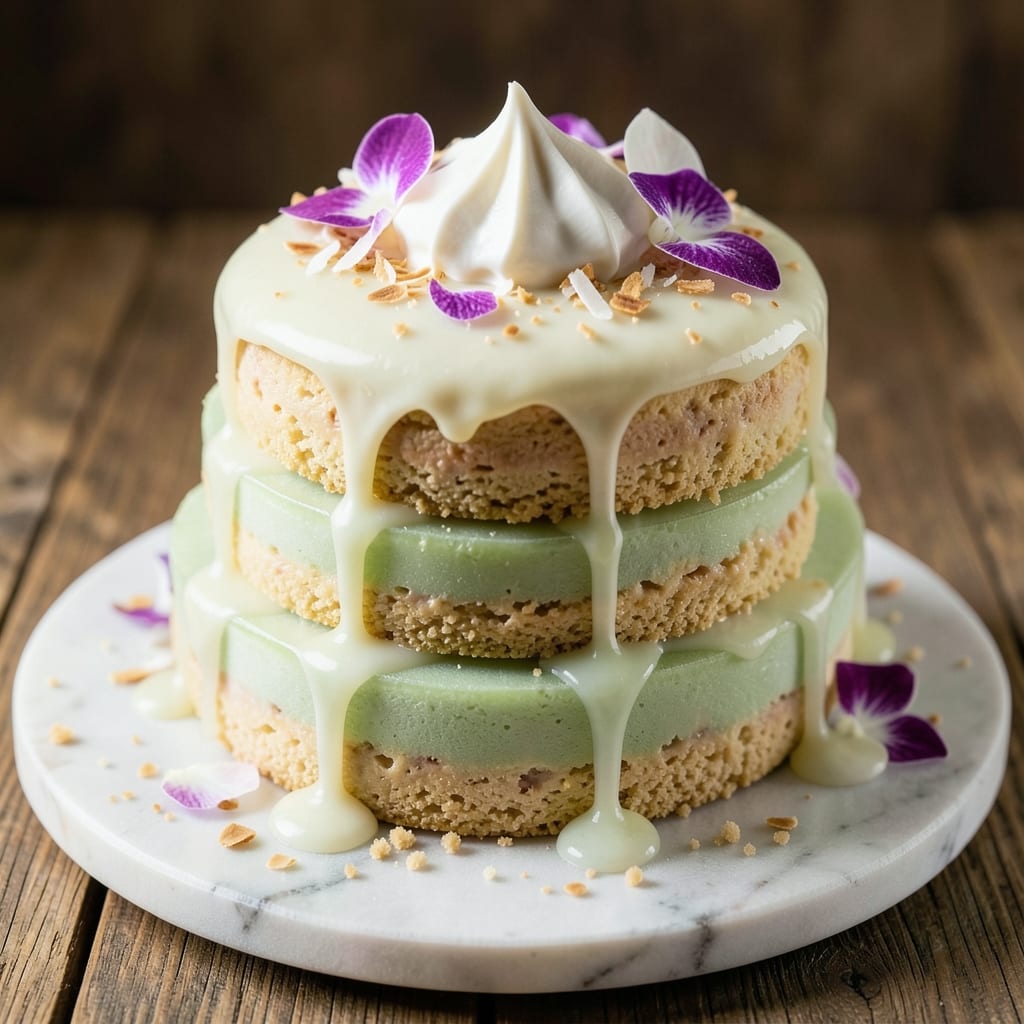
This aloe vera cake recipe delivers moist, tender layers with a tropical twist that keeps every slice light and refreshing. 🌿 The secret lies in aloe vera gel's natural humectant properties, which lock in moisture without heaviness—perfect for those who love cake but crave a healthier balance. Unlike dense flour-heavy desserts, this version relies on aloe's gel-like texture to create a delicate crumb while keeping sugar levels moderate.
The cake's magic starts with blending fresh aloe vera gel into the batter, which replaces traditional oils while adding subtle floral notes. For structure, we use a combination of almond flour and coconut flour (naturally gluten-free), creating a tender yet sturdy base. The tropical zing comes from citrus zest and pineapple puree, which brighten the flavor without overpowering the aloe's natural sweetness.
What you'll achieve is a cake with perfectly moist layers that stay fresh for days, thanks to the aloe's moisture-retaining properties. The texture is light yet substantial—no dryness or heaviness here. Each slice offers a delicate balance of floral aloe, citrus brightness, and tropical warmth, making it ideal for special occasions or guilt-free indulgence.
This recipe works beautifully for vegan diets while offering flexibility for substitutions. Use aquafaba instead of eggs for binding, or swap pineapple for mango puree to customize the tropical flavor. The baking process is straightforward, with a single-layer approach that ensures even cooking and a golden finish.
Ingredients for aloe vera cake
Fresh aloe vera gel and tropical zests transform simple flours into a light, moist cake.
| Ingredient | Amount | Notes |
|---|---|---|
| Fresh Aloe Vera Gel 🌱 | ½ cup | Pure, no additives, from inner leaf |
| Unsweetened Almond Flour 🌰 | 1 ½ cups | Finely ground, no lumps |
| Coconut Flour 🥥 | ¼ cup | Sifted for even texture |
| Coconut Sugar 🍯 | ½ cup | Lightly packed, for subtle sweetness |
| Unsweetened Applesauce 🍎 | ½ cup | For moisture and binding |
| Aquafaba 🥫 | ¼ cup | Whisked to stiff peaks |
| Fresh Pineapple Puree 🍍 | ½ cup | Strained for smooth texture |
| Lemon Zest 🍋 | 1 tbsp | Finely grated, bright flavor |
| Lime Zest 🍈 | 1 tbsp | For tangy contrast |
| Vanilla Extract 🌸 | 1 tsp | Pure, high-quality |
| Baking Powder 🍞 | 1 tsp | Aluminum-free preferred |
| Sea Salt 🧂 | ¼ tsp | Fine grain, enhances flavor |
| Unsweetened Coconut Milk 🥥 | ¼ cup | Full-fat for richness |
| Coconut Oil 🫒 | 2 tbsp | Melted, for moisture |
The aloe vera gel is non-negotiable here—look for pure, colorless gel from the inner leaf, not the green outer layer. Trader Joe's and Whole Foods carry high-quality bottles, but if you're using fresh leaves, let them chill overnight first to reduce bitterness. Almond flour should be finely ground—any lumps will show up in the texture. For coconut flour, sift it first—it's dense and absorbs moisture differently. The tropical zests (lemon and lime) should be organic if possible, to avoid wax coatings that can dull the flavor. If you can't find fresh pineapple, high-quality canned puree works too, just avoid the chunky kind with added sugar.
No aloe vera gel? Extra unsweetened applesauce or mashed banana adds moisture, but the floral notes will be missing. Swap coconut sugar for maple syrup or agave, but reduce by 10% since these sweeteners are more potent. Running short on aquafaba? Flax eggs (1 tbsp ground flaxseed + 3 tbsp water) work in a pinch. For the citrus, orange zest can replace lime zest if that's what's on hand. The coconut milk can be swapped for cashew cream if you're avoiding dairy, but keep it full-fat for the best texture. If you're using store-bought almond flour, check the label—some brands add gums that can alter the texture.
This cake keeps beautifully—3 days at room temperature covered loosely, or 1 week in the fridge wrapped tightly. For longer storage, slice and freeze portions on a tray before transferring to a bag—up to 3 months. The texture stays moist because the aloe vera gel acts like a natural preservative. To reheat, microwave slices for 10-15 seconds—just enough to warm without drying. I like to serve it with a dollop of cashew cream frosting or fresh berries to highlight the tropical flavors. The cake's peak freshness is within the first 2 days, so plan to enjoy it then!
Why You'll Love This Recipe
- I’ll be real: almond and coconut flour aren’t cheap, but they stretch so far here. The applesauce keeps it moist without extra fat, and coconut sugar adds depth without breaking the bank. Leftovers? They last days, wrapped in parchment like little edible gifts.
- No-Mix Magic: I swear, this cake comes together with just a few pulses in the food processor. The aloe gel blends right into the almond and coconut flours—no weird textures, no extra steps—just smooth, velvety batter that pours like a dream.
- Tropical Twist: The aloe gel adds this fresh, slightly tangy brightness that cuts through the natural sweetness of the coconut sugar. Honestly, it’s like biting into a dessert that’s been sun-kissed—light, moist, and nothing like your average cake.
- Weeknight Workhorse: Between us, this is my go-to when I need something quick but still feels special. It’s great for breakfast with a drizzle of honey or as a midday pick-me-up—no one questions why I’m eating cake at 3 PM.
Step-by-step instructions for aloe vera cake
Here's how to create a lusciously moist cake with tropical brightness and aloe's signature hydration.
👨🍳 Step 1: Whisk Wet Ingredients for Perfect Texture
In a large mixing bowl, combine the 0.5 cup fresh aloe vera gel with the 0.5 cup unsweetened applesauce and 0.5 cup fresh pineapple puree. Stir until completely smooth—you want to eliminate any lumps for that silky texture. The aloe vera gel is the secret weapon here, adding moisture without heaviness.
Next, add the 0.25 cup aquafaba (whisked to stiff peaks) and 0.25 cup unsweetened coconut milk to the mixture. The aquafaba acts as our egg substitute, providing structure while keeping the cake light. Gently fold in the 2 tbsp melted coconut oil and 0.5 cup coconut sugar until fully incorporated. This wet mixture should be thick but pourable—like a rich, tropical custard.
👨🍳 Step 2: Combine Dry Ingredients with Zesty Flavor
In a separate medium bowl, sift together the 1.5 cups unsweetened almond flour and 0.25 cup coconut flour. This sifting step is crucial—it prevents dense pockets in your cake. Add the 1 tsp baking powder and 0.25 tsp sea salt, whisking to distribute evenly.
Now for the bright citrus punch: add the 1 tbsp lemon zest and 1 tbsp lime zest to the dry ingredients. Give everything a good stir—those citrus oils will infuse the entire cake with vibrant flavor. Finally, pour in the 1 tsp vanilla extract and mix until just combined. The vanilla rounds out the tart citrus beautifully.
🥘 Step 3: Gently Fold Wet and Dry for Airy Lightness
With a large spatula, carefully fold the dry ingredients into the wet mixture in three additions. Start slow—you're looking to maintain as much air as possible while still ensuring everything combines completely. Overmixing here will make your cake dense, so stop when there are no more flour streaks visible.
This is where the magic happens: the aloe vera gel and aquafaba work together to create a tender crumb while the citrus zest keeps things lively. The batter should be thick but still able to coat the back of your spoon. If it looks too stiff, gently fold in an additional 1 tablespoon of coconut milk to loosen it slightly.
🔥 Step 4: Bake Until Golden with Moisture Locked In
Preheat your oven to 350°F and grease an 8-inch round cake pan thoroughly with coconut oil. Pour the batter into the prepared pan and smooth the top with a spatula. For extra insurance against sticking, line the bottom with parchment paper.
Bake for 35-40 minutes until a toothpick inserted in the center comes out clean and the edges are light golden brown. Here's the pro tip: don't open that oven door until the timer goes off—moisture loss is the enemy of our cake's signature tenderness. The cake should spring back slightly when gently pressed in the center.
⏰ Step 5: Cool and Serve for Maximum Moisture
Remove the cake from the oven and let it cool in the pan for 10 minutes before transferring to a wire rack to cool completely. This gradual cooling prevents cracking and helps set the texture. For best results, serve the cake at room temperature—this allows all the flavors to meld perfectly.
The finished cake should have a tender, almost jelly-like texture with subtle tropical notes from the pineapple and citrus zest. Each bite should deliver that signature aloe vera moisture without being overly sweet. Store leftovers covered at room temperature for up to 3 days or refrigerate for up to 5 days—though I doubt it'll last that long!
Pro Tips For Making Aloe Vera Cake
- BLEND ALOE GEL FIRST: Run the aloe gel through your blender or food processor for 30 seconds before mixing—this breaks down the fibers so they don’t create a weird texture later. I learned this the hard way when my first batch turned out gummy; now I never skip it.
- WEIGH YOUR FLOURS: Almond and coconut flour vary wildly in density—use a kitchen scale for accuracy. Scooping leads to dry spots or a cake that’s too dense. Trust me, the difference is noticeable.
- DON’T OVERMIX THE BATTER: Stir just until combined—overmixing adds air and can make the cake dense or rubbery. Fold in the applesauce last with gentle strokes; it’s more forgiving than you’d think.
- BAKE LOW AND SLOW: 325°F (160°C) for 35–40 minutes is your sweet spot—any hotter and the coconut sugar burns before the center sets. A toothpick should come out clean, but don’t stress if it’s slightly moist; the cake firms up as it cools.
Storing and reheating your aloe vera cake
Room-Temp Storage
Your aloe vera cake stays wonderfully moist at room temperature for 3 days when stored loosely covered with plastic wrap. The aloe vera gel acts like a natural preservative, locking in moisture better than traditional cakes. I like to place it on a wire rack inside an airtight container to prevent condensation from making the top soggy. The tropical flavors actually intensify slightly as it sits, making it perfect for serving at room temperature. 🌿
Fridge Preservation
For longer storage, refrigerate the cake wrapped tightly in plastic wrap or aluminum foil for up to 5 days. The cold temperature helps maintain the aloe vera's freshness and prevents the citrus zest from losing its bright punch. When ready to serve, let it sit at room temperature for 15-20 minutes before slicing—this prevents the cake from feeling chilled and ensures that signature tender texture. 🧊
Freezing for Later
Slice the cake before freezing for best results. Arrange slices on a parchment-lined tray and freeze until solid (about 1 hour). Then transfer to a freezer-safe bag with all air removed. Frozen slices keep for up to 3 months without texture degradation. When ready to enjoy, microwave individual slices for 10-15 seconds on medium power—just enough to warm through without drying out the aloe vera's natural moisture. ❄️
Reheating Secrets
For a stovetop approach, warm slices in a dry skillet over low heat for 2-3 minutes per side. This gentle method preserves the cake's delicate texture better than microwaving. If using the microwave, cover slices with a damp paper towel and heat in 10-second bursts***, checking after each interval. The aloe vera's moisture content means it reheats quickly but can dry out if overcooked. 🔥
Serving Suggestions
Serve your cake with a dollop of cashew cream frosting or fresh berries to complement the tropical flavors. The aloe vera's natural sweetness pairs beautifully with tart fruits like strawberries or passionfruit. For a warm-weather twist, sprinkle toasted coconut flakes on top just before serving. The cake's light texture makes it perfect for brunch or afternoon tea when you want something refreshing but still indulgent. 🍓
Nutrition facts
Frequently asked questions
Why does aloe vera gel make this cake so moist?
Aloe vera gel acts as a natural humectant, binding moisture into the cake's structure while keeping it light. Unlike traditional oils, it adds hydration without heaviness—perfect for a tender crumb. The gel's unique properties also help maintain freshness longer than conventional cakes.
Can I substitute aloe vera gel if I can't find it?
Yes! Try 0.5 cup unsweetened applesauce or mashed banana for moisture, but you'll lose the floral notes. For texture, 1 extra tablespoon of aquafaba helps mimic aloe's binding properties. The cake will still be delicious but with a slightly different flavor profile.
How do I know when the cake is fully baked?
Insert a toothpick into the center—it should come out clean with no wet batter. The edges should be light golden brown, and the cake should spring back slightly when gently pressed. Avoid overbaking, as this can dry out the aloe vera's natural moisture.
Is this cake gluten-free and vegan?
Yes! The recipe uses almond flour and coconut flour (naturally gluten-free) and relies on aquafaba instead of eggs. All ingredients are plant-based, making it perfect for vegan diets. Just double-check your coconut flour brand for cross-contamination warnings if gluten sensitivity is a concern.
Why does my cake taste bitter?
Bitterness usually comes from using the green outer aloe vera layer (which contains aloin) or overmixing the batter. Always use pure, colorless inner gel and mix just until combined. If using fresh aloe, chill the leaves overnight first to reduce bitterness. A pinch of extra coconut sugar can also help balance flavors.