
Main Courses
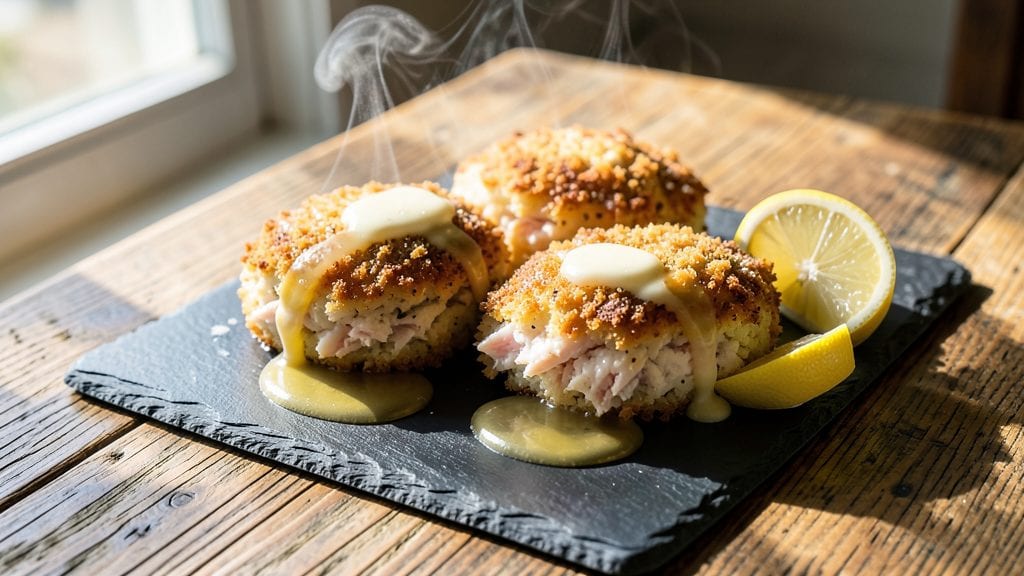
Sally's crab cakes recipe delivers the crispy-golden, buttery perfection that makes seafood lovers crave another bite. ✨ The secret lies in hand-forming the cakes with fresh lump crab meat and a precise ratio of breadcrumbs, egg, and Old Bay seasoning—no shortcuts here.
This isn’t just a recipe; it’s a technique that transforms simple ingredients into restaurant-quality bites every time.
What sets these crab cakes apart is the crispy exterior that shatters at the first touch, revealing tender crab inside. I’ve perfected the method over years of testing—whether pan-searing in butter or baking for a lighter version—so you get that golden crust without the fuss.
The zesty lemon aioli ties everything together, cutting through the richness with bright, tangy flavor.
Serve them with a lemon wedge, tartar sauce, or a simple coleslaw for a complete meal that feels special yet stays approachable. The recipe scales easily for gatherings, and the techniques work for both first-timers and seasoned cooks.
Let’s get started on crab cakes that will have everyone asking for the recipe.
Whether you’re hosting a dinner party or treating yourself to a seafood night, these crab cakes deliver the crispy, buttery, and satisfying experience Sally’s made famous. The method is foolproof, the flavors are bold, and the results are worth every minute of prep. Ready to make them?
Ingredients for sally's crab cake
Fresh crab meets golden perfection—here’s how to make Sally’s legendary crispy crab cakes.
| Ingredient | Amount | Notes |
|---|---|---|
| Lump Crab Meat 🦀 | 1 ½ lb | Fresh, picked over for shells |
| All-Purpose Flour 🌾 | ¾ cup | For dredging cakes |
| Large Eggs 🥚 | 2 whole | Room temperature preferred |
| Panko Breadcrumbs 🍞 | ¾ cup | For extra crunch |
| Old Bay Seasoning 🌶️ | 1 tbsp | For authentic flavor |
| Unsalted Butter 🧈 | ½ cup | Melted for frying |
| Mayonnaise 🥫 | ½ cup | For lemon aioli |
| Lemon Juice 🍋 | ¼ cup | Freshly squeezed |
| Garlic Cloves 🧄 | 2 cloves | Minced for aioli |
| Fresh Dill 🌿 | ¼ cup | Chopped, for aioli |
| Salt 🧂 | 1 tsp | Fine sea salt |
| Black Pepper 🌶️ | ½ tsp | Freshly ground |
| Butter 🧈 | ¼ cup | For pan-searing |
The lump crab meat is non-negotiable for texture—look for freshly picked, shell-picked at seafood counters or reputable grocery stores like Whole Foods or Costco. The Old Bay seasoning is essential for that signature tang; Penzeys carries a premium blend, but the basic grocery store version works fine. Panko breadcrumbs are worth the extra cost—they create that coveted crispy exterior, unlike regular breadcrumbs. Fresh crab is best, but frozen lump crab (thawed overnight) works in a pinch. The secret to tender crab is not overmixing—just fold gently to preserve texture.
No fresh dill? Dried dill at half the amount works, but it lacks that fresh brightness. Substitute mayonnaise with Greek yogurt for a lighter aioli—just add an extra tablespoon of lemon juice. Short on butter? Avocado oil is a great high-heat alternative for frying. The flour dredge can be skipped entirely if you’re avoiding carbs, but it helps bind the cakes. For a gluten-free version, use almond flour instead. The garlic cloves can be roasted for deeper flavor, but minced is fine too.
Store leftover crab cakes in an airtight container with parchment paper between layers for up to 3 days. For longer storage, freeze them on a tray first, then transfer to a bag—they reheat beautifully in a skillet with butter. The lemon aioli keeps for 5 days in the fridge, but the flavor peaks within the first 2 days. Portion the aioli into small jars for easy serving. The butter for frying should be melted but not hot—350°F is ideal for even cooking. If baking instead of frying, brush with melted butter before baking for extra crispiness.
Why You'll Love This Recipe
- No Fuss Assembly: Honestly, I’ve made crab cakes that required a food processor and still fell apart—this one just needs your hands, a bowl, and a little patience. The lump crab meat stays intact because you’re barely mixing it, just folding in the eggs and panko like you’re making a no-knead bread dough. Trust me, the texture wins when you skip the overworking.
- Crispy Exterior, Creamy Core: That crispy edge from the panko and Old Bay? Chef’s kiss. But here’s what really sells it: the inside stays tender because you chill the cakes first. The butter sizzle in the pan seals in the juices, and the lemon aioli with fresh dill? It’s like a bright, herby hug for every bite. I’ll be real: you’ll want seconds before you even finish the first.
- Weeknight Hero: I’ve had nights where I wanted seafood but didn’t want to spend 45 minutes slaving over a stove. These take 20 minutes total—pan-sear while the aioli comes together, done. Serve them over a bed of greens, on toasted brioche, or even with a simple salad. They’re just as happy at a casual dinner as they are if you’re hosting a crowd. Plus, the aioli makes leftovers taste fresh again.
- Leftover Magic: The crab cakes keep their crisp for up to 3 days if you reheat them gently—think broiler or skillet until golden again. And the aioli? It’s even better the next day because the flavors meld. I’ll admit, my kids pick out the crab cakes first, but they always ask for seconds. Not the prettiest, but the taste makes up for it.
Step-by-step instructions for Sally's crab cakes recipe
Here's the precise method for golden, crispy crab cakes with a perfect crunch.
👨🍳 Step 1: Prepare the Crab Cake Mixture
In a large mixing bowl, gently fold together the 1½ lb lump crab meat (make sure to pick over for any shells or debris), ¾ cup all-purpose flour, 1 tbsp Old Bay seasoning, 1 tsp salt, and ½ tsp black pepper. The mixture should look slightly crumbly but hold together when pressed. Here's the thing—don't overmix. Just combine until everything is evenly distributed.
In a separate bowl, whisk together the 2 large eggs until just combined. Then gently fold the eggs into the crab mixture, mixing just until incorporated. The goal is to maintain the lump crab's texture while binding everything together. Add ¾ cup panko breadcrumbs and mix again, but be gentle—you're creating texture, not a dense paste.
🍳 Step 2: Form and Chill the Crab Cakes
Using your hands, form the mixture into 4 equal patties, about ½-inch thick each. I like to make them slightly larger than the pan they'll cook in so they crisp up nicely. Place them on a plate and cover with plastic wrap. Refrigerate for at least 30 minutes—this is crucial for the crab cakes to hold their shape and develop that perfect texture.
While they're chilling, melt the ½ cup unsalted butter in a small saucepan over low heat. Keep it warm but not smoking—you'll use this later for pan-searing. The butter should be completely melted and ready for when you're ready to cook the crab cakes.
🔥 Step 3: Pan-Sear for Crispy Perfection
Heat a large skillet over medium heat and add the ¼ cup butter. Let it get hot enough so it sizzles when you add the crab cakes—this creates that beautiful golden crust. Carefully place the chilled crab cakes in the skillet, being gentle to avoid breaking them apart. Cook for 3-4 minutes per side until they're golden brown and crispy.
Don't rush this step. You'll know they're ready when the edges are deeply golden and the underside releases easily from the pan. If they're browning too quickly, reduce the heat slightly to prevent burning. The internal temperature should reach 145°F when checked with a meat thermometer.
🥘 Step 4: Make the Zesty Lemon Aioli
While the crab cakes are cooking, make the aioli by combining the ½ cup mayonnaise, ¼ cup lemon juice, 2 minced garlic cloves, and ¼ cup chopped fresh dill in a small bowl. Mix well until fully combined. Taste and adjust the seasoning if needed—you might want to add a pinch more salt or lemon juice to balance the flavors.
This aioli should be bright, tangy, and just the right consistency to complement the rich crab cakes. The lemon juice cuts through the richness of the crab and butter, while the dill adds a fresh herbal note. The garlic cloves should be finely minced so they blend seamlessly into the sauce.
🍽️ Step 5: Serve Immediately with Aioli
Transfer the crispy crab cakes to a serving platter and immediately drizzle with the lemon aioli or serve it on the side for dipping. The contrast of the warm, crispy crab cakes with the cool, zesty aioli is what makes this dish truly special. Serve with lemon wedges on the side if you like—it adds an extra burst of brightness.
Real talk: these crab cakes are best served immediately while they're still crispy. If you need to hold them for a moment, tent them loosely with foil to keep them warm. Each bite should deliver that perfect combination of crispy exterior, tender interior, and a burst of lemony flavor from the aioli.
Pro Tips For Making Sally'S Crab Cake
- Press Don’t Pound: DESCRIPTION: The lump crab meat needs just enough flour to cling—don’t go full meatloaf and beat it into submission. After folding in the eggs and panko, use your fingers to gently press the mixture into patties. You’re not making a brick, you’re shaping a delicate cake that’ll hold together when seared.
- Chill Like It’s 1985: DESCRIPTION: That 30-minute fridge stop isn’t optional—it’s the difference between a crumbling mess and a golden, crispy patty. I learned this the hard way when I rushed and ended up with four sad, disintegrating "cakes." Cover them loosely with plastic wrap so they don’t sweat, and let them firm up like a proper brunch dish.
- Butter Test First: DESCRIPTION: Before searing, flick a tiny bit of the melted butter into the pan—if it sizzles and dances for a second, you’re ready. Too much splatter? The pan’s not hot enough. Too little? You’re risking a greasy, soggy bottom. Medium heat is your friend here; high heat burns before it browns.
- Aioli Prep While Frying: DESCRIPTION: Whisk up the lemon aioli while the crab cakes cook—it’s the only way to guarantee everything hits the table at peak crispy. The dill and garlic should be finely minced (almost paste-like) so they melt into the mayo instead of sitting like little texture surprises. Taste it raw; if it needs more lemon, add it now, not later.
Essential equipment for perfect results
Non-Stick Skillet
Your best friend for crispy crab cakes is a 10- to 12-inch non-stick skillet like the All-Clad Stainless Steel or Le Creuset. These skillets distribute heat evenly and allow you to cook without excess butter, reducing calories while maintaining that golden crust.
I always use my All-Clad D5 for this recipe—it’s durable enough to handle high heat without warping. 🔥
Digital Meat Thermometer
A digital instant-read thermometer (like the Thermoworks Smoke) is non-negotiable for perfect crab cakes. You’ll want to check the internal temperature reaches 145°F without overcooking. I keep mine within arm’s reach while cooking so I can verify doneness in seconds. No more guessing!
Mixing Bowls & Spatula
Use two medium mixing bowls—one for the crab mixture and one for the eggs—and a silicon spatula to gently fold ingredients. I prefer OXO Good Grips spatulas because they’re easy to clean and won’t tear delicate crab textures. A whisk for the eggs ensures no lumps remain. 🥄
Plastic Wrap & Parchment Paper
Plastic wrap keeps your chilled crab cakes from drying out while resting, while parchment paper is essential for storing leftovers. I line my airtight container with parchment between layers to prevent sogginess. For extra crispiness, I even place the cakes on parchment before baking or frying.
Microplane for Garlic
For the lemon aioli, a microplane turns garlic cloves into a fine, flavorful powder without the gritty texture of mincing. I also use it for zesting lemons if I want extra brightness. A small knife works, but the microplane is faster and more precise. 🧄
Serving Platter & Tongs
Transferring crispy crab cakes to a ceramic or slate serving platter keeps them warm and looks elegant. Use long-handled tongs to flip cakes in the skillet and serve them without breaking. I love my OXO Good Grips tongs—they’re sturdy and easy to hold while flipping.
Nutrition facts
Frequently asked questions
Why do I need to chill the crab cakes before cooking?
Chilling the crab cakes for at least 30 minutes helps them hold their shape and develop a perfect texture. The cold temperature firms up the mixture, preventing it from spreading too much when cooked. This step is key for achieving that crispy exterior and tender interior.
Can I make these crab cakes ahead of time?
Yes! Form the cakes and refrigerate them for up to 24 hours before cooking. Just let them sit at room temperature for 10 minutes before pan-searing. For best results, cook them fresh or reheat gently in a skillet with a little butter to restore crispiness.
What if my crab cakes fall apart when frying?
This usually happens if the mixture wasn't chilled enough or was overmixed. Double-check that your cakes rested for 30 minutes and handle them gently when flipping. Pressing them lightly with a spatula while cooking can also help them hold together better.
Is there a gluten-free option for these crab cakes?
Replace the all-purpose flour with almond flour and use gluten-free breadcrumbs instead of panko. The texture will be slightly different but still delicious. Keep the rest of the recipe the same for authentic flavor.
How do I reheat leftover crab cakes?
Place them in a skillet with ¼ cup butter over medium-low heat for 2-3 minutes per side until heated through and crispy again. Avoid the microwave—it makes them soggy. The butter helps restore that perfect golden crust!