
Desserts
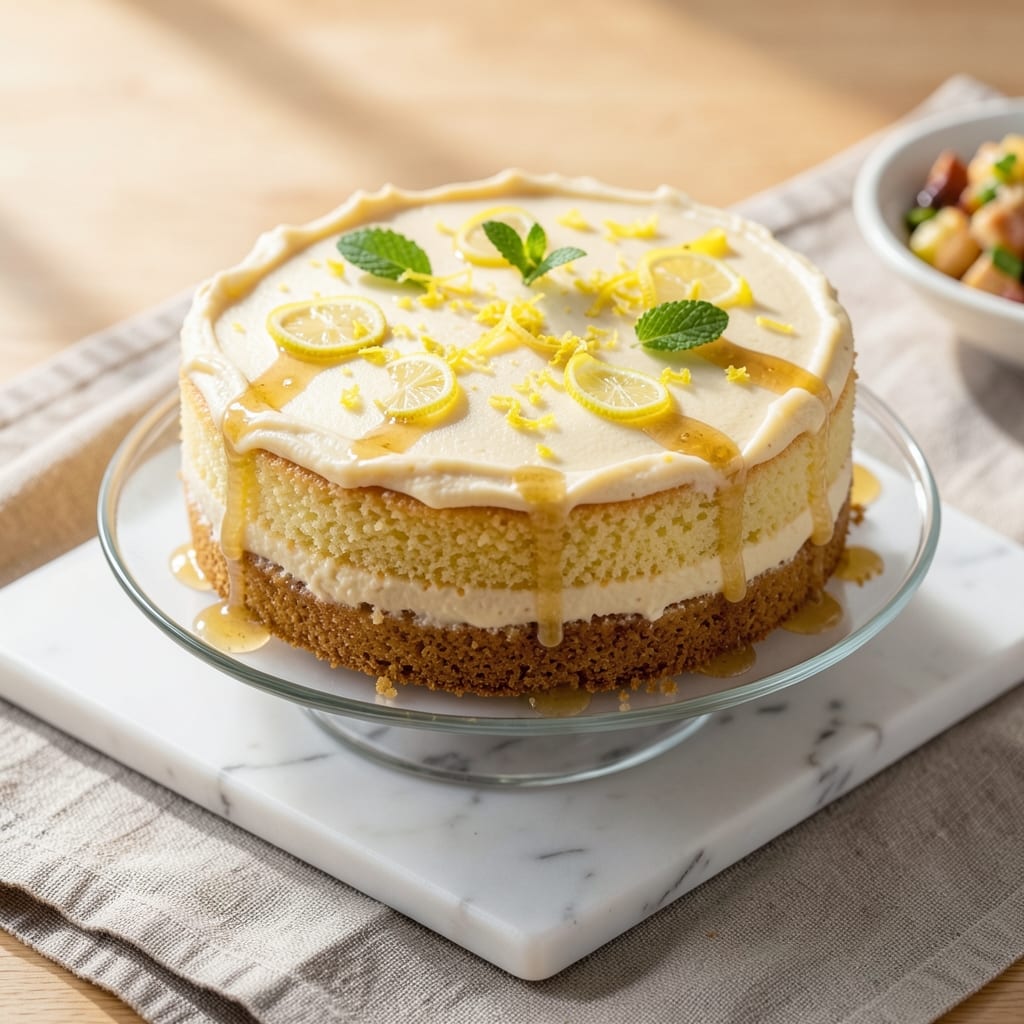
The 4-inch lemon cake recipe delivers a perfect balance of zesty crust and tangy buttercream rivers that make every bite feel like a burst of sunshine. 🌞 This recipe uses a classic creaming method for a tender crumb and a crispy, buttery crust that holds up beautifully—ideal for individual servings or small gatherings. The secret lies in the high ratio of lemon zest and juice, which infuses the cake with bright, citrusy flavor without overpowering the delicate texture.
What sets this recipe apart is the tangy buttercream rivers that create a stunning visual effect while adding layers of flavor. The frosting is light yet rich, with just enough lemon to complement the cake without competing. Baking time is precise—25 to 30 minutes at 350°F—ensuring a golden top and evenly set layers. The result? A cake that’s moist, flavorful, and visually striking, perfect for celebrations or a special treat.
This recipe is designed for foolproof success, even for beginners. The ingredients are simple—flour, sugar, eggs, butter, and fresh lemons—but the technique ensures a professional finish. Whether you’re baking for a single serving or prepping a batch for gifts, the 4-inch size makes it manageable and versatile. The crust stays crisp, the crumb remains tender, and the buttercream adds just the right amount of sweetness to balance the zing.
Once baked, let the cake cool completely before frosting to avoid a soggy texture. The buttercream can be piped in elegant rivers or spread smoothly—either way, it pairs perfectly with the bright lemon flavor. Garnish with extra zest or fresh berries for a pop of color and freshness. This cake is as delightful to make as it is to eat, proving that even small desserts can leave a big impression.
Ingredients for 4 inch lemon cake
Bright citrus ingredients meet classic baking for this sunshine-filled 4-inch lemon delight.
| Ingredient | Amount | Notes |
|---|---|---|
| All-Purpose Flour 🌾 | 1 ½ cups | Sifted for light texture |
| Granulated Sugar 🍚 | 1 ¼ cups | Superfine preferred for smoothness |
| Unsalted Butter 🧈 | 1 cup | Cold, cubed for creaming |
| Large Eggs 🥚 | 2 whole | Room temperature for even baking |
| Fresh Lemon Zest 🍋 | 2 tbsp | From 2 large lemons |
| Fresh Lemon Juice 🍋 | ½ cup | From 4-5 large lemons |
| Baking Powder 🧂 | 2 tsp | Diamond Crystal preferred |
| Salt 🧂 | ½ tsp | Fine sea salt |
| Vanilla Extract 🌸 | 1 tsp | Pure vanilla for depth |
| Powdered Sugar 🍚 | 2 cups | For buttercream frosting |
| Heavy Whipping Cream 🥛 | 1 cup | Cold for stable buttercream |
| Unsalted Butter 🧈 | ½ cup | Softened for buttercream |
| Fresh Lemon Juice 🍋 | 1 tbsp | Extra for buttercream tang |
| Fresh Blueberries 🫐 | ¼ cup | Optional garnish |
The lemons are non-negotiable here—Meyer lemons if you can find them, but regular lemons work too. Whole Foods or local markets often have better quality than grocery store bins. Zest the outer layer only (avoid the white pith), and juice enough lemons to get that vibrant, tangy flavor. For the butter, Plugrá is my go-to for its high fat content, but any good brand works. Sift the flour to avoid dense crumbs, and measure your powdered sugar with a spoon—don't scoop it straight from the bag.
No fresh lemons? Bottled lemon juice works in a pinch, but add extra zest to compensate. Substitute powdered sugar with confectioners' sugar if needed, though it may be slightly grainier. For the buttercream, vegan butter works if you need a dairy-free option, but the texture will be softer. The baking powder is crucial—Diamond Crystal is less alkaline than other brands, so use exactly 2 tsp. If your buttercream curdles, beat in 1 tsp of warm water to bring it back together. The blueberries add a pretty pop but aren't essential—skip if you prefer a cleaner look.
Store the cake in an airtight container at room temperature for up to 3 days, or refrigerate for 1 week if you're not planning to serve it immediately. The buttercream can be made a day ahead and kept in the fridge—just rewhip before using. For a crispier crust, bake the cake 2-3 minutes longer. If you're making multiple cakes, use parchment-lined pans for easy removal. The lemon flavor intensifies slightly after 24 hours, so this cake actually tastes better the next day.
Why You'll Love This Recipe
- No Mixer Needed: I swear by this recipe when my mixer’s on strike—just creaming butter and sugar by hand until fluffy (about 3 minutes) gives that signature tender crumb. The eggs come next, and honestly? You’ll be done before your coffee gets cold.
- Zesty Magic: That bright lemon zest—fresh, not bottled—cuts through the richness of the butter and sugar like a citrusy reset. One whiff of the batter baking, and I’m already planning how I’ll slice it: warm with whipped cream or at room temp with a drizzle of honey.
- Portion Perfection: Four-inch rounds mean no leftovers going stale (unless you’re me, who sneaks slices for breakfast). They’re ideal for brunch crowds, potlucks where you want to bring something showstopping but not overwhelming, or just because you’re treating yourself to a single, glorious slice.
- Budget-Friendly Luxury: This cake costs me less than $5 to make and tastes like a bakery’s pricier lemon confection. The butter and eggs do the heavy lifting—no fancy extracts or pricey lemons here—just pure, bright flavor that makes it feel special without breaking the bank.
Step-by-step instructions for lemon cake with tangy buttercream
Master this recipe and you'll achieve a perfect balance of crisp crust and luscious lemon flavor.
👨🍳 Step 1: Cream Butter and Sugar for Light Texture
In a stand mixer fitted with the paddle attachment, beat the 1 cup unsalted butter (cold and cubed) with the 1.25 cups granulated sugar on medium speed for 3-4 minutes. You're looking for a pale, fluffy mixture that nearly doubles in volume. This creaming process incorporates air, which creates that signature tender crumb.
I press down on the butter occasionally with a spatula to ensure even distribution. The mixture should be light and airy—almost like whipped cream—when you lift the paddle. If it looks too dense, beat for another 30 seconds. This step is critical for that perfect cake texture we're after.
👨🍳 Step 2: Add Eggs and Lemon Flavors
Add the 2 whole eggs one at a time, mixing on low speed for 30 seconds after each addition until fully incorporated. Then add the 2 tbsp fresh lemon zest, 0.5 cup fresh lemon juice, 1 tsp vanilla extract, and mix for another 30 seconds on medium speed.
The lemon flavors should be vibrant but not overpowering at this stage. You'll notice the batter becomes slightly more liquid as the lemon juice incorporates. Don't worry if it looks a bit thin—it'll come together when we add the dry ingredients. The zest adds bright flavor while the juice provides that signature tang.
👨🍳 Step 3: Combine Dry Ingredients for Crisp Crust
In a separate bowl, whisk together the 1.5 cups all-purpose flour (sifted), 2 tsp baking powder, and 0.5 tsp salt. With the mixer on low speed, gradually add the dry ingredients to the wet mixture, mixing just until combined. You should still see some flour streaks—overmixing develops gluten and makes the cake tough.
Scrape down the sides of the bowl to ensure even distribution. The batter should be smooth and just thick enough to hold its shape when dropped from a spoon. If it's too thick, add 1-2 tablespoons of the reserved lemon juice to loosen it. This is where the magic happens—the dry ingredients create that crisp crust we're aiming for.
🥘 Step 4: Bake in Prepared Pan for Even Cooking
Preheat your oven to 350°F. Grease a 4-inch round cake pan and line the bottom with parchment paper. Pour the batter into the prepared pan and smooth the top with a spatula. Bake for 25-30 minutes until a toothpick inserted into the center comes out clean and the top is golden brown.
I like to tap the pan gently on the counter about 2 minutes before removing it from the oven. This helps release any air bubbles that might have formed during baking. Let the cake cool in the pan for 10 minutes before transferring it to a wire rack to cool completely. The center should be slightly springy to the touch when done.
🍳 Step 5: Prepare Lemon Buttercream Rivers
In a medium bowl, beat the 0.5 cup softened butter until smooth. Gradually add the 2 cups powdered sugar and 1 cup heavy whipping cream, mixing on medium speed until fully incorporated. Add the 1 tbsp fresh lemon juice and mix for another 30 seconds to infuse the tangy flavor.
For the signature rivers, pipe the buttercream onto the cooled cake in zigzag patterns. Start from the center and work your way outward, allowing the buttercream to pool naturally. You can use a piping bag with a star tip for this effect. The contrast of the bright yellow buttercream against the pale cake creates that stunning visual effect we're after.
🥘 Step 6: Garnish and Serve Fresh
Once the buttercream is piped, gently press the 0.25 cup fresh blueberries into the buttercream to create a decorative pattern. The blueberries add a pop of color and a subtle tart contrast to the sweet cake. Let the cake sit at room temperature for 30 minutes before slicing to allow the buttercream to set slightly.
Serve immediately for the best texture. Each slice should reveal that perfect balance of crisp crust, tender crumb, and tangy buttercream rivers. The lemon flavor should be bright and refreshing, with just enough sweetness to complement it. Store any leftovers in the refrigerator for up to 3 days, though I doubt it'll last that long!
Pro Tips For Making 4 Inch Lemon Cake
- Melt Butter Slowly: DESCRIPTION: I learned this the hard way—dumping cold butter into hot liquid sugar makes lumps that never fully dissolve. Instead, cut the butter into small cubes (about ½-inch) and let them melt gradually into the sugar over low heat, stirring constantly. You want it smooth, not greasy.
- Zest Before Juicing: DESCRIPTION: Fresh lemon zest is the soul of this cake, but it’s easy to overdo or use dull lemons. Buy the brightest, thickest-skinned lemons you can find—those yellow ones with tight peels. Zest only the outer layer (no white pith) and juice the same lemons; the acidity balances the sweetness perfectly.
- Don’t Overmix Batter: DESCRIPTION: The moment your batter looks like pancake batter, stop. Overmixing develops gluten, which turns your tender lemon cake into a dense brick. Fold just until the flour disappears—lumps are fine, texture is everything.
- Test for Doneness Early: DESCRIPTION: A toothpick with moist crumbs (not wet batter) means your cake’s done. I used to pull mine too soon because I thought it needed more time—big mistake. The center should spring back slightly when pressed, not wobble like Jell-O. If it’s golden but gummy, tent with foil and bake 5 more minutes.
Regional styles of these flavors
British Lemon Drizzle
In the UK, lemon drizzle cakes are a classic tea-time treat, and this 4-inch version keeps the tradition alive. The British twist involves replacing buttercream with a sweet lemon syrup drizzle—made with ½ cup granulated sugar, ¼ cup fresh lemon juice, and 2 tbsp water. Simmer until dissolved, then brush over the warm cake while still in the pan. Let it soak for 10 minutes before cooling completely. The syrup creates a glossy, tangy finish that’s lighter than frosting but just as delicious. 🍋
Southern U.S. Buttermilk Twist
Down South, buttermilk adds richness to lemon cakes, creating a moist crumb with a hint of tang. Replace the ½ cup lemon juice in the batter with ½ cup buttermilk (plus an extra 1 tsp baking powder to balance the acidity). The buttermilk also reacts with the baking powder for extra lift. Top with a simple powdered sugar glaze—just whisk 1 cup powdered sugar with 2 tbsp fresh lemon juice—for a Southern-style finish. This version is perfect for brunch or afternoon tea. 🌞
Italian Lemon Olive Oil Cake
For an Italian-inspired take, swap the butter for extra-virgin olive oil (use ⅔ cup) and reduce the sugar to 1 cup. Olive oil keeps the cake tender while adding a subtle Mediterranean depth. Add 1 tsp grated lemon zest to the batter and top with a lemon curd drizzle—simmer ½ cup sugar, ¼ cup lemon juice, 2 egg yolks, and 2 tbsp olive oil until thickened. This version pairs beautifully with espresso or a glass of Prosecco. 🍷
Scandinavian Cardamom Lemon
Nordic bakers often enhance lemon desserts with cardamom, adding warmth to the bright citrus. Stir ½ tsp ground cardamom into the dry ingredients alongside the flour and baking powder. The spice complements the lemon beautifully and adds a cozy, aromatic note. Serve with a dusting of powdered sugar and a sprinkle of toasted almonds for crunch. This version is especially popular during Scandinavian summer festivals. ❄️
French Lemon Meringue
For a French-inspired touch, top the baked cake with Swiss meringue—whip 3 egg whites with ½ cup sugar until stiff peaks form, then spread over the cake and torch for a golden finish. The meringue’s crispness contrasts perfectly with the tender cake and tangy lemon flavor. Bake the cake slightly underdone (pull it when the center is still slightly jiggly) to avoid a dry texture. This version feels elegant enough for dinner parties. 🔥
Nutrition facts
Frequently asked questions
Can I make this lemon cake without fresh lemons?
Yes, but you'll need to adjust for flavor. Use bottled lemon juice (about ⅓ cup) plus 1 extra tablespoon of zest from bottled lemon concentrate. For zest, try 1½ teaspoons of bottled lemon zest substitute (found in baking sections). The flavor won't be as vibrant, but it'll still taste delicious!
How do I prevent my 4-inch cake from cracking?
Cracking usually happens from uneven baking or cooling too quickly. First, ensure your oven is fully preheated to 350°F. Place the pan on the middle rack for even heat distribution. After baking, let the cake cool in the pan for 10 minutes before transferring to a wire rack. Avoid opening the oven door during baking to prevent temperature fluctuations.
Can I bake this in a different sized pan?
For a single layer, use a 4-inch round or square pan—this recipe is designed for that size. If you want a taller cake, try a 3.5-inch pan (bake 30-35 minutes) or a 6-inch pan (reduce batter by ⅓ and bake 25-30 minutes). For cupcakes, divide batter among 12 lined muffin cups and bake 18-22 minutes at 350°F.
Why did my buttercream turn grainy?
Grainy buttercream usually means the powdered sugar wasn't sifted or the butter wasn't softened enough. Always sift your powdered sugar and use softened (not melted) butter at room temperature. If it happens, beat in 1 teaspoon of warm water to dissolve the sugar crystals. For extra smoothness, chill the buttercream for 15 minutes before piping.
How long can I store the cake before serving?
Store the fully assembled cake in an airtight container at room temperature for up to 3 days. For longer storage, refrigerate (up to 1 week) or freeze (up to 1 month). Let it sit at room temperature for 30 minutes before serving to soften the buttercream. The lemon flavor actually intensifies slightly after 24 hours, making it taste even better!