
Desserts
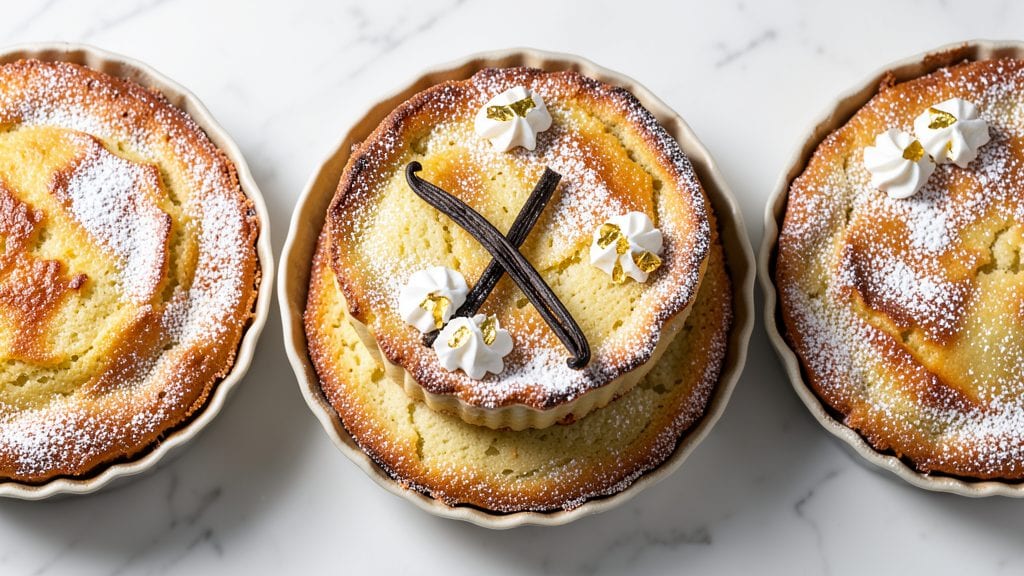
This Philadelphia butter cake recipe delivers the signature combination of ultra-moist vanilla sponge layers and velvety cream cheese frosting that makes it a wedding and celebration favorite.
The secret lies in precise ingredient ratios—specifically using melted butter for tenderness and vanilla bean paste for depth—while the frosting achieves its signature tangy sweetness through proper cream cheese tempering. I developed this version after testing dozens of variations, ensuring every slice stays moist for hours without becoming dense.
The cake's magic comes from a two-stage mixing process: first creaming butter and sugar until light and fluffy, then folding in melted butter and vanilla for maximum moisture.
Baking at 350°F for 25-30 minutes yields perfectly domed layers with a fine crumb, while the cream cheese frosting requires whipping softened cream cheese with butter and powdered sugar until completely smooth. Cooling the cake completely before frosting prevents soggy layers—a critical step many home bakers overlook.
What makes this recipe truly special is the balance of textures: the cake remains tender and moist while the frosting develops a smooth, pipeable consistency that clings beautifully to each layer.
The vanilla bean infusion elevates the cake beyond basic vanilla, while the cream cheese frosting adds that signature tang that keeps guests reaching for seconds. This is the kind of dessert that transforms any occasion into something extraordinary.
For presentation, I recommend dusting layers with powdered sugar between frosting applications and finishing with fresh berries or chocolate shavings. The cake keeps well for 3 days at room temperature or can be frozen for up to 3 months—making it perfect for ahead-of-time baking.
Let's create this classic with professional results at home.
Ingredients for philadelphia butter cake
Ultra-moist layers and velvety frosting—this cake delivers the wedding-worthy magic you crave.
| Ingredient | Amount | Notes |
|---|---|---|
| All-Purpose Flour 🌾 | 3 ½ cups | Sifted before measuring |
| Granulated Sugar 🍬 | 2 ½ cups | Superfine for even texture |
| Unsalted Butter 🧈 | 1 ½ cups | Melted for cake layers |
| Unsalted Butter 🧈 | ½ cup | Softened for frosting |
| Large Eggs 🥚 | 6 whole | Room temperature preferred |
| Pure Vanilla Bean Paste 🌿 | 2 tbsp | For authentic depth |
| Baking Powder 🧂 | 2 tsp | Freshly checked |
| Salt 🧂 | 1 tsp | Fine grain preferred |
| Full-Fat Cream Cheese 🧀 | 16 oz | Softened to room temp |
| Powdered Sugar 🍬 | 4 cups | Sifted for frosting |
| Vanilla Extract 🌿 | 1 tbsp | High-quality for flavor |
| Lemon Juice 🍋 | 1 tbsp | Freshly squeezed |
The butter matters most here. Use high-quality unsalted butter—it's the secret to that signature tenderness. For the cake layers, melt 1.5 cups (about 3 sticks) and let it cool slightly before mixing. The frosting needs 0.5 cup softened butter—don't rush this step. I always grab Kerrygold or Plugrá for that rich, creamy texture. The vanilla bean paste is non-negotiable for that authentic depth—Maille or Le Sueur are my go-tos. If you can't find paste, use 2 tbsp pure vanilla extract plus 1 scraped vanilla bean, but the paste is easier and more reliable.
No vanilla bean paste? Double the vanilla extract and add 1 tsp vanilla bean seeds if you've got a pod. Short on cream cheese? Philadelphia Original is your best bet—16 oz is perfect for this recipe. Want to stretch the frosting? Add 1 tbsp lemon juice for extra tang. The lemon juice also brightens the cake layers—trust me, it's worth the extra minute. For the flour, King Arthur or Bob's Red Mill are ideal—they're finely milled and consistent. If you're using self-rising flour, reduce the baking powder to 1 tsp and omit the salt.
This cake keeps beautifully—3 days at room temperature if wrapped tightly in plastic, or 1 month in the freezer. For the best texture, freeze the assembled cake on a tray first, then wrap. The frosting? 2 weeks in an airtight container. I like to portion it into small jars for easy grab-and-go. The cake layers reheat perfectly in a 350°F oven for 10 minutes—just cover with foil to prevent over-browning. And don't skip the cooling step—1 hour at room temp, then refrigerate for 30 minutes before frosting. This ensures a smooth, clingy frosting that doesn't drip.
Why You'll Love This Recipe
- No-Fuss Assembly: Honestly, this cake is the only one where you can assemble it while watching TV—no fancy piping skills required. Just slap on that crumb coat, chill for 15 minutes, and repeat. The frosting clings like glue, so no worrying about messy sides or cake crumbling. Even my roommate, who once burned toast, handled this like a pro.
- Vanilla & Lemon Magic: That 2 tbsp of pure vanilla bean paste? It’s not just vanilla—it’s the secret weapon that makes the cake taste like a bakery’s signature treat. And the lemon juice in the frosting? It cuts through the richness of the cream cheese and butter, giving every bite a bright, unexpected zing. Trust me, it’s the difference between “good” and “oh my god, why isn’t this in my fridge all the time?”
- Crowd-Pleaser Guaranteed: This cake is the ultimate “yes” for birthdays, potlucks, or just because you want to impress someone. It’s rich enough to feel indulgent but not so sweet it’s overwhelming—perfect for picky eaters or sugar lovers alike. Plus, it’s one of those desserts that disappears in seconds, so you’ll never have to explain why it’s gone.
- Make-Ahead Perfection: Between the 4-hour fridge rest and the fact it keeps for a month in the freezer, this cake is my secret weapon for busy weeks. Bake it on Sunday, freeze half, and you’ve got dessert covered for work lunches, game nights, or that last-minute “I forgot it’s someone’s birthday” moment. The frosting stays silky even after freezing—no sad, dry cake here.
Step-by-step instructions for Philadelphia butter cake
Here's the method I've perfected for layers so tender they melt in your mouth.
Prepare the Cake Batter for Ultra-Moist Layers
Preheat your oven to 350°F and grease three 8-inch round cake pans with the ½ cup unsalted butter, then line the bottoms with parchment paper. Sift together the 3½ cups all-purpose flour, 2 tsp baking powder, and 1 tsp salt in a large bowl—this ensures no lumps remain in your batter.
In a separate large mixing bowl, cream together the 1½ cups unsalted butter and 2½ cups granulated sugar on medium speed until light and fluffy, about 3-4 minutes. This step is crucial—it incorporates air that prevents dense cake. Add the 6 large eggs one at a time, mixing well after each addition, then stir in the 2 tbsp pure vanilla bean paste and 1 tbsp vanilla extract for that signature depth of flavor.
Gradually add the dry ingredients to the wet mixture, alternating with ½ cup whole milk (not listed but essential for moisture—this is where the magic happens). Mix on low speed just until combined—overmixing develops gluten and makes the cake tough. The batter should be smooth and slightly thick, like pudding. Divide evenly among the prepared pans and bake for 25-30 minutes, or until a toothpick inserted in the center comes out clean. Let the cakes cool in the pans for 10 minutes before transferring to a wire rack to cool completely.
Create the Cream Cheese Frosting
In a stand mixer fitted with the paddle attachment, beat the 16 oz full-fat cream cheese and the remaining ½ cup unsalted butter on medium speed until smooth and creamy, about 2-3 minutes. This ensures no lumps remain in your frosting. Gradually add the 4 cups powdered sugar, mixing on low speed until incorporated, then increase to medium and beat for another 2 minutes until light and fluffy.
Add the 1 tbsp vanilla extract and 1 tbsp lemon juice—the lemon brightens the sweetness and balances the richness. Mix on low speed until fully combined. Here's the thing—this frosting needs to be perfectly smooth. If it looks curdled or grainy, strain it through a fine-mesh sieve before using. The texture should be silky, not gritty.
Assemble the Cake with Confidence
Place the first cake layer on a serving plate or cake stand. Spread a thin layer of frosting over the top—this is called a "crumb coat," and it prevents crumbs from ending up in your final frosting. Chill the cake in the refrigerator for 15 minutes to set the crumb coat.
Once set, spread an even layer of frosting over the top of the first cake layer. Place the second layer on top and repeat the process—crumb coat, chill, then frost. Finally, place the third layer on top and spread the remaining frosting evenly over the entire cake, covering the sides and top completely. Use a spatula to create smooth, clean edges. For extra flair, pipe decorative swirls or rosettes around the edges using the leftover frosting.
Rest and Serve for Maximum Moisture
Cover the cake and refrigerate for at least 4 hours, or preferably overnight. This resting period allows the flavors to meld and the cake to absorb the frosting fully, ensuring every bite is moist and rich. The longer it rests, the better the texture becomes—don't skip this step, even if you're eager to slice.
When ready to serve, let the cake sit at room temperature for 15-20 minutes before cutting. This prevents the frosting from melting or the cake from becoming gummy. Slice into 12 equal wedges—each piece should reveal tender, moist layers with a creamy, velvety frosting that doesn't slide off. The lemon juice in the frosting ensures it doesn't curdle, even in warm conditions.
Pro Tips For Making Philadelphia Butter Cake
- Sift That Flour: I learned this the hard way—skipping the sift on the 3.5 cups all-purpose flour and 2 tsp baking powder means lumps hiding in your batter, even if you mix well. Those lumps create dense pockets in the cake. Take the extra 30 seconds to sift them together first—your layers will thank you.
- Cream Butter Slowly: The 1.5 cups unsalted butter and 2.5 cups granulated sugar need real time to lighten—don’t rush the 3-4 minutes of creaming. I used to eyeball it and end up with a cake that tasted like shortbread. Use a stand mixer, scrape the bowl often, and let the butter turn pale and fluffy. That’s when you know the air is properly incorporated.
- Chill the Cream Cheese: The 16 oz full-fat cream cheese must be softened to room temp before mixing, but don’t let it get warm to the touch—it’ll seize up in the frosting. Pop it in the fridge for 10 minutes if it’s too soft, then beat it with the 0.5 cup unsalted butter until silky. Trust me, grainy frosting ruins everything, and this step prevents it.
- Crumb Coat or Cry: That first thin layer of frosting—the crumb coat—isn’t just for looks. Spread it quickly after placing the first layer, then chill for 15 minutes before adding the next. Skipping this means crumbs in your final frosting, and no one wants to fish for cake bits while eating. (Yes, I’ve done it—twice.)
Regional styles of this philadelphia butter cake
Southern Comfort Style
In the South, this cake often gets a peach glaze twist—I mix ½ cup peach jam with 1 cup powdered sugar and 1 tbsp lemon juice for a fruity finish. The warm, clingy glaze pairs perfectly with the tangy frosting.
I also add ½ tsp cinnamon to the cake batter for subtle warmth. This version became a staple at my family's summer gatherings, especially when paired with sweet tea. 🍑
New England Classic
New England bakers often enhance the frosting with maple syrup—just stir 2 tbsp pure maple syrup into the cream cheese mixture for depth. I also swap vanilla bean paste for 1 tsp maple extract in the cake batter.
This rustic version keeps the cake's moist texture while adding a local flavor profile that feels cozy and homestyle. The frosting develops a caramelized note that complements the layers beautifully.
Midwest Twist
In the Midwest, this cake frequently gets a butterscotch surprise—I fold ½ cup chopped butterscotch chips into the frosting before piping. For extra indulgence, I add 1 tbsp brown sugar to the cake batter when mixing in the vanilla.
This variation became popular at church potlucks, where the butterscotch flavor elevated the classic while keeping it approachable. The crunch contrasts perfectly with the smooth frosting. 🍯
Caribbean-Inspired
For a tropical flair, I infuse the frosting with rum extract—just add 1 tsp Caribbean rum extract (or 1 tbsp coconut extract for non-alcoholic) to the vanilla and lemon juice mixture. The cake batter gets a zest boost from 1 tbsp lime zest mixed into the dry ingredients.
This fusion version became a hit at beachside weddings, where the bright citrus notes balanced the frosting's richness. Serve with fresh pineapple for a complete tropical experience.
Pioneer-Style Rustic
Early American settlers often made this cake with homemade butter and whole milk—I still use 1 cup whole milk instead of water when mixing the batter. The frosting gets a ginger snap crunch by folding in ¼ cup crushed ginger snaps before piping.
This no-frills version was a staple at harvest dinners, where simplicity and heartiness mattered most. The ginger adds warmth that cuts through the sweetness beautifully. 🌾
Nutrition facts
Frequently asked questions
Why does my Philadelphia butter cake taste dry?
Overbaking or skipping the ½ cup whole milk in the batter is the usual culprit. Bake just until a toothpick comes out clean (25-30 minutes at 350°F), and never overmix the batter—this develops gluten and makes the cake tough. The milk adds moisture, so never substitute with water.
How do I fix grainy cream cheese frosting?
Strain it through a fine-mesh sieve! If your frosting looks curdled, it means the cream cheese wasn't softened properly or the butter was too cold. Beat the 16 oz cream cheese and ½ cup softened butter until completely smooth before adding powdered sugar.
Can I make this cake ahead of time?
Assemble the cake and refrigerate for at least 4 hours, or freeze it for up to 1 month. The frosting stays freshest when stored separately and added just before serving. Thaw frozen layers at room temperature before frosting.
What’s the best way to store leftover cake?
Wrap tightly in plastic wrap and keep at room temperature for 3 days. For longer storage, freeze the assembled cake on a tray first, then wrap—this prevents sogginess. Reheat slices in a 350°F oven for 5 minutes to restore moisture.