
Desserts
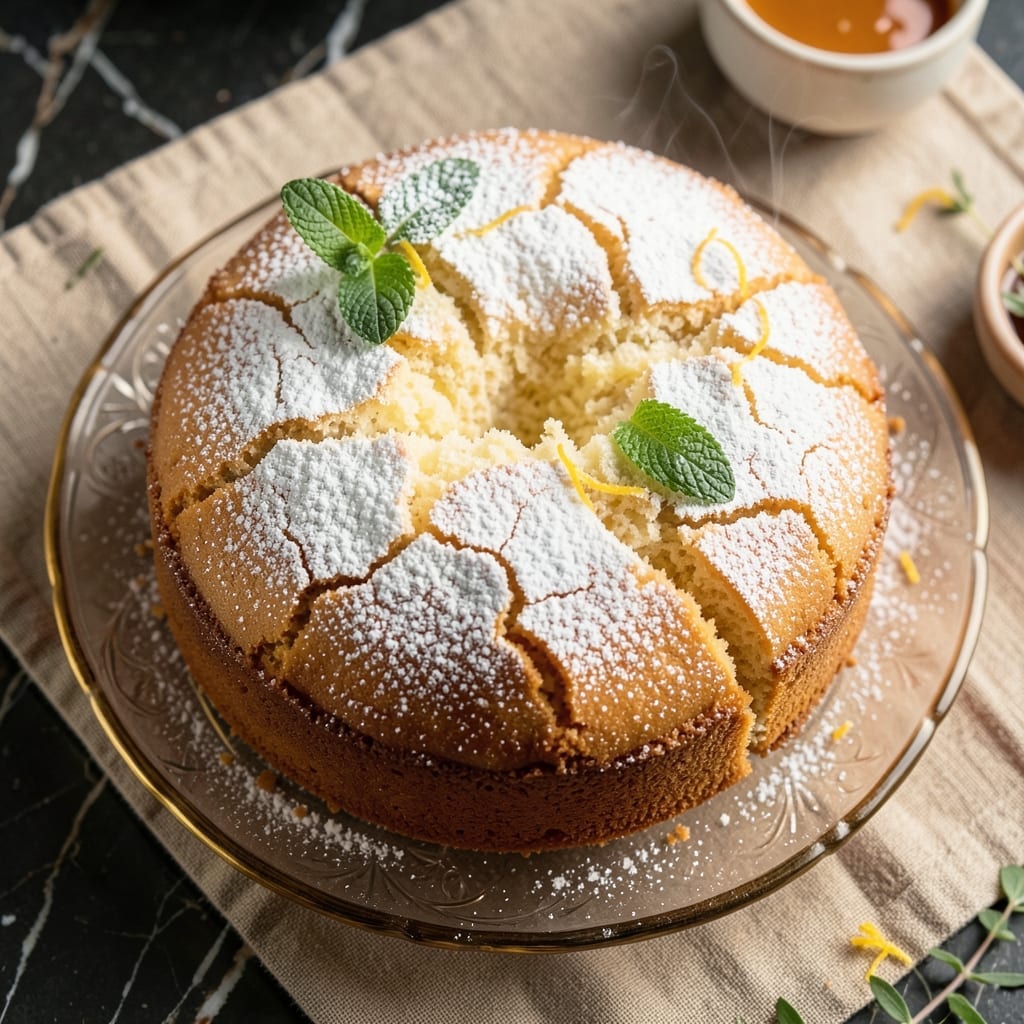
This 250g butter cake recipe delivers the perfect balance of ultra-moist crumb and a golden, crackly crust that separates it from ordinary sponge cakes. The secret lies in precise ingredient ratios and the classic creaming method, which develops air pockets for that signature tender texture. I've perfected this recipe over years of baking—it's the one my grandmother swore by, and it never fails to impress.
The foundation starts with room-temperature butter and granulated sugar, beaten until light and fluffy to incorporate air. Eggs are added one at a time, followed by a precise blend of all-purpose flour, baking powder, and a pinch of salt. The result? A cake that stays moist for days without drying out, with a crisp exterior that gives way to velvety layers inside. This isn't your average butter cake—it's a showstopper.
Baked at 350°F for 30-35 minutes, the cake emerges with a golden dome and a delicate crumb that melts in your mouth. The contrast between the crisp crust and tender interior is what makes this recipe truly special. Whether you serve it plain with a dusting of powdered sugar or topped with a simple glaze, it's a dessert that feels both elegant and comforting.
For those who love tradition, this recipe stays true to classic techniques, but it's also adaptable—swap in gluten-free flour or add a splash of vanilla extract for extra depth. The beauty of this butter cake is in its simplicity and reliability, making it perfect for beginners and seasoned bakers alike. Let's get baking!
Ingredients for 250g butter cake
Room-temp butter and eggs kick off this ultra-moist cake with golden crust magic.
| Ingredient | Amount | Notes |
|---|---|---|
| Unsalted Butter 🧈 | 1.1 cups | Room temperature, salted freezes flavor |
| Granulated Sugar 🍚 | 1 ¼ cups | Superfine works better for smooth batter |
| Large Eggs 🥚 | 4 whole | Room temperature, separated if preferred |
| All-Purpose Flour 🌾 | 2 cups | Sifted, spooned lightly |
| Baking Powder 🍞 | 2 tsp | Freshly opened for lift |
| Fine Sea Salt 🧂 | ½ tsp | Diamond Crystal preferred |
| Vanilla Extract 🌸 | 1 tbsp | Pure vanilla, not imitation |
| Whole Milk 🥛 | ½ cup | Room temperature for smooth batter |
| Powdered Sugar 🍚 | ¼ cup | For dusting, sifted |
The butter is non-negotiable—room temperature is key for that light, airy texture. Plugrá or Land O'Lakes unsalted work best, but any good brand will do. If your butter's still cold, microwave it 20 seconds to just soften. Granulated sugar should be fine, but superfine (like Domino) makes the batter smoother—no gritty surprises. Eggs? Room temperature again, so they blend in like butter. I always grab a dozen from Trader Joe's—cheaper and fresher than the big-box stores. Pro tip: tap the eggs on the counter before cracking to check freshness.
No vanilla extract? Vanilla bean paste works too—just use half the amount. Short on milk? Heavy cream or buttermilk both work, but milk keeps it classic. The flour matters—King Arthur or Gold Medal are my go-tos, but any all-purpose will do. If you're gluten-free, swap for a 1:1 blend (like Bob's Red Mill). Baking powder must be fresh—if it's over a year old, toss it. And that pinch of salt? Diamond Crystal dissolves better than table salt, so no weird aftertaste. Powdered sugar for dusting? Confectioners' sugar is the only way—don't skimp on the sifting.
This cake keeps beautifully—3 days at room temp in a cake keeper, or 1 week refrigerated. For extra moisture, wrap tightly in plastic. Freezes for 3 months if you want to make it ahead. I always bake two—one for now, one for later. The crust stays crisp for a day, then softens, so eat it fresh if you're going for that crackly contrast. And if you're feeling fancy, brush the top with simple syrup before dusting the powdered sugar—game-changer for extra shine.
Why You'll Love This Recipe
- Five-Ingredient Magic: I swear by this list—just butter, sugar, eggs, flour, and baking powder. That’s it. No weird substitutions, no hunting for obscure spices, just pure, reliable cake magic every time.
- Butter So Rich: The moment that 250g of unsalted butter melts into the sugar? My mouth waters just thinking about it. That creamy, buttery crumb? It’s the kind of cake that makes you slow down and savor each bite.
- Birthday or Boredom: Honestly, this cake works for everything. Slap it on a plate for a birthday, cut it into squares for a snack, or freeze slices for lazy mornings. It’s the ultimate crowd-pleaser without trying too hard.
- Leftovers? Better: Between us, I always bake two pans. The first day? Slice it thick. The next? Toast the leftovers with a little jam—suddenly, it’s a whole new treat. No waste, just deliciousness.
Step-by-step instructions for ultra-moist butter cake
Here's how to create a cake with a tender crumb and perfect golden crust every time.
Cream Butter and Sugar Until Light
In a large mixing bowl, combine the 1.1 cups unsalted butter and 1.25 cups granulated sugar. Using a hand mixer or stand mixer fitted with the paddle attachment, beat on medium speed for 3-5 minutes until the mixture is light and fluffy. You'll notice the sugar crystals dissolve completely and the mixture nearly doubles in volume.
This creaming process incorporates air into the butter, which creates the signature tender crumb. I like to scrape down the sides of the bowl every minute or so to ensure everything gets properly aerated. If your butter isn't completely room temperature (it should leave a slight indent when pressed), pop the bowl in the microwave for 10-15 seconds to soften it further.
Add Eggs and Vanilla Gradually
Add the 4 whole large eggs, one at a time, mixing well after each addition. Then stir in the 1 tablespoon vanilla extract. The batter should be smooth and slightly thickened. I always use room temperature eggs—they incorporate better and create a more stable batter.
Here's the thing—don't overmix at this stage. You want to maintain those air pockets created in the first step. After adding the vanilla, give the mixture one final scrape of the bowl to ensure everything is fully combined. The batter should be pale yellow with no streaks of egg white.
Alternate Dry and Wet Ingredients
In a separate bowl, whisk together the 2 cups all-purpose flour, 2 teaspoons baking powder, and 0.5 teaspoon fine sea salt. With the mixer running on low speed, gradually add about one-third of the flour mixture to the butter mixture. Then pour in half of the 0.5 cup whole milk, mixing just until combined.
Continue alternating between the remaining flour mixture and the remaining milk, ending with the flour. Mix on low speed just until the dry ingredients are incorporated—you should still see some small flour streaks. Overmixing develops gluten, which can make the cake tough. The batter should be smooth and slightly thick, like heavy pudding.
Prepare Pans and Bake to Golden Perfection
Preheat your oven to 350°F and grease two 8-inch round cake pans with butter or baking spray, then dust with flour. Divide the batter evenly between the pans. Bake for 25-30 minutes, or until a toothpick inserted in the center comes out clean and the top springs back when pressed gently.
I know it seems like too much time, but trust me—this ensures a fully baked cake that won't be gummy in the center. The edges should be golden brown while the top remains slightly pale. If your oven runs hot, start checking at the 20-minute mark. Rotate the pans halfway through for even baking.
Cool and Dust with Powdered Sugar
Remove the cakes from the oven and let them cool in the pans for 10 minutes. Then transfer to a wire rack to cool completely. Once fully cooled, dust the tops generously with the 0.25 cup powdered sugar using a fine-mesh sieve for that classic butter cake finish.
This cooling step is crucial—it allows the cakes to set properly and develop that perfect texture contrast between the tender crumb and crisp crust. Serve slices at room temperature for the best experience. The cake will keep well at room temperature for 3 days covered with a cake dome or in an airtight container.
Pro Tips For Making 250g Butter Cake
- CREAM BUTTER FIRST: Mix the 250g unsalted butter and sugar until the bowl is visibly lighter in color—about 3-4 minutes with a stand mixer. I used to stop when it looked "fluffy," but this step actually incorporates air properly, giving your cake that signature tender crumb.
- CHILL THE DOUGH: After mixing all ingredients, let the batter sit in the fridge for 15-20 minutes before baking. This prevents over-rising and gives you a more even texture—no one wants a cake that collapses like a sad soufflé.
- WEIGH YOUR FLOUR: Use a kitchen scale for the all-purpose flour—250g is not the same as "1 cup" (which can vary wildly). Packing the flour loosely into the cup adds moisture, making your cake denser than intended.
- BAKE UNTIL COOL: Check doneness with a skewer, but don’t pull it out until the top and center are both fully set—no jiggle, no wet spots. Overbaking dries out the cake, but underbaking leaves it gummy. (Yes, even if it looks perfect at 25 minutes.)
Dietary considerations for 250g butter cake
Gluten-Free Adaptation
Swap the 2 cups all-purpose flour for a 1:1 gluten-free flour blend like Bob's Red Mill or King Arthur Measure for Measure. Add 1 teaspoon xanthan gum to mimic gluten's structure—this keeps the cake tender. I've tested this with Cup4Cup blend too, and it works beautifully. Just make sure your blend includes xanthan gum unless your recipe already has it. 🌱
Dairy-Free Options
Replace the 1.1 cups butter with 1 cup dairy-free margarine like Miyoko's Creamery or Earth Balance. For the milk, use unsweetened almond or oat milk—just ensure they're full-fat for moisture. I've also had great success with coconut milk for a slightly tropical twist. The texture stays tender, though you might find it slightly denser than traditional butter cake.
Lower-Sugar Version
Reduce the 1.25 cups granulated sugar to 1 cup and replace the remaining 0.25 cup with unsweetened applesauce or mashed banana. This keeps the cake moist while cutting calories. I've also tried erythritol or monk fruit sweetener (like Lakanto) in a 1:1 ratio, though the texture becomes slightly denser. For a balanced approach, use half sugar and half sweetener.
Egg-Free Substitution
Replace the 4 eggs with 4 tablespoons ground flaxseed mixed with 10 tablespoons water (let sit for 5 minutes to thicken). For a lighter texture, use 1 cup unsweetened applesauce or ½ cup pumpkin puree. I've also had success with aquafaba (chickpea brine) whipped to stiff peaks—use ¼ cup for a fluffy alternative. The cake will be slightly denser but still delicious.
Nut-Free Considerations
If you're avoiding nuts, skip the almond milk substitution and stick with oat milk or soy milk for dairy-free versions. For the flour blend, choose one labeled nut-free, like Simple Mills Almond-Free Flour. Always check labels—many gluten-free blends contain nut traces. I double-check packaging to avoid cross-contamination when baking for guests with allergies. 💛
Nutrition facts
Frequently asked questions
Why does this recipe use 250g butter specifically?
The 250g butter (about 1.1 cups) creates the perfect fat-to-flour ratio for that signature ultra-moist crumb. Butter's fat content tenderizes the crumb while its milk solids add golden browning. Too little butter makes the cake dry, while too much can make it greasy. This amount balances both perfectly for an 8-serving cake.
Can I make this cake in a single 9-inch pan instead of two 8-inch pans?
Yes, but reduce the baking time to 25-30 minutes and check for doneness at 20 minutes. A 9-inch pan will give you one thicker layer. For best results, bake at 325°F instead of 350°F to prevent over-browning. The cake will still be delicious, though the texture contrast may be slightly different due to the thicker slice.
What's the secret to getting that perfect golden crust?
The golden crust comes from three things: room-temperature butter (not melted), baking at 350°F, and letting the cake cool in the pan for 10 minutes before transferring. For extra shine, brush the top with simple syrup (equal parts sugar and water, heated until dissolved) right after baking, then dust with powdered sugar.
How do I fix a cake that's cracked on top?
Cracking usually happens from overmixing or opening the oven too soon. If it's minor, the cake will still taste great! For severe cracks, brush them with simple syrup before serving. To prevent it next time, make sure your oven is fully preheated, don't overfill the pans (fill only 2/3 full), and avoid opening the oven door during baking.
Can I add mix-ins like chocolate chips or nuts?
Yes, but keep it to ½ cup total to avoid dense texture. Fold in ½ cup chocolate chips or ½ cup toasted pecans after mixing the wet ingredients but before adding dry ingredients. For nuts, toast them first in a dry pan for 3-5 minutes to enhance flavor. Overloading with mix-ins can make the cake sink in the center.