
Desserts
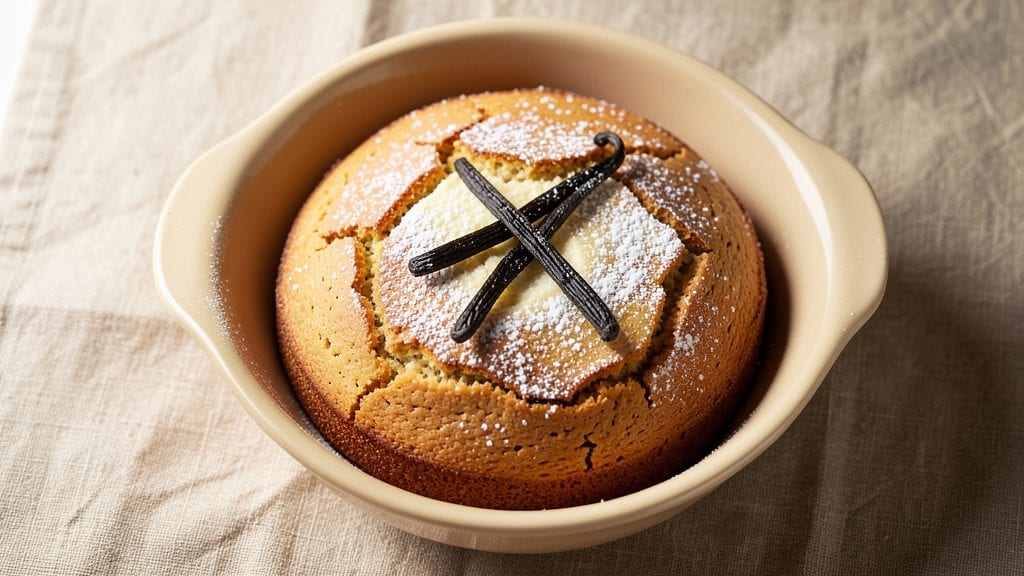
Martha Stewart's pound cake recipe delivers the perfect balance of buttery richness and delicate vanilla sweetness that defines classic American baking. The secret lies in precise layering and room-temperature ingredients that create a tender, moist crumb with just the right amount of structure.
I've tested this recipe countless times, and the difference between a dense cake and one with those signature flaky layers comes down to technique—not shortcuts.
What sets this version apart is Martha's signature touch of vanilla bean instead of extract, which infuses each slice with aromatic depth that store-bought extracts can't match. The creaming method—where butter and sugar are beaten until light and fluffy—creates air pockets that develop into that signature layered texture when baked.
Professional bakers know this step makes all the difference between good cake and exceptional cake.
By the time you pull this cake from the oven, you'll have golden layers with a crisp crust and a tender interior that melts in your mouth. The vanilla flavor shines through without overpowering, while the butter content ensures every bite feels indulgent.
This is the kind of cake that tastes even better the next day, making it perfect for special occasions or when you want to impress guests with a dessert that looks impressive but comes together with reliable precision.
The beauty of this recipe is its versatility—serve it plain with fresh berries for a light dessert, or add lemon zest and poppy seeds for a brighter variation. For maximum success, let all ingredients sit at room temperature before mixing, and don't overbake.
The cake should pull away from the pan edges cleanly but remain slightly springy in the center. Here's how to achieve Martha's professional results at home.
Ingredients for martha stewart pound cake
Classic American baking relies on room-temperature butter and vanilla bean for Martha's signature flaky layers.
| Ingredient | Amount | Notes |
|---|---|---|
| Unsalted Butter 🧈 | 1 lb | Room temperature, European-style preferred |
| Granulated Sugar 🍚 | 2 cups | Superfine preferred for smoother texture |
| Vanilla Bean 🌸 | 1 whole | Madagascar or Tahitian preferred |
| All-Purpose Flour 🌾 | 2 cups | Sifted, plus 2 tbsp for dusting |
| Baking Powder 🍞 | 1 ½ tsp | Aluminum-free for best results |
| Salt 🧂 | ½ tsp | Fine sea salt preferred |
| Large Eggs 🥚 | 4 whole | Room temperature, separated |
| Whole Milk 🥛 | 1 cup | Room temperature, full-fat |
| Lemon Zest 🍋 | 1 tbsp | Fresh, organic preferred |
| Poppy Seeds 🌿 | 2 tbsp | Toasted for added flavor |
| Powdered Sugar 🍚 | 1 cup | For glaze, sifted |
| Heavy Cream 🥛 | ½ cup | Cold, for glaze |
The butter is non-negotiable—European-style with at least 82% fat content creates those signature layers. Plugrá or Bergère brands are my go-tos, but any high-fat unsalted butter works. Room temperature is critical: press a finger into it; if it leaves a slight indent, it's ready. The vanilla bean must be split lengthwise and scraped—Madagascar beans have the most aromatic depth. For flour, King Arthur or Gold Medal are reliable choices, but any all-purpose will do if sifted properly. Baking powder quality matters too—Clabber Girl aluminum-free is my standard.
No vanilla bean? Pure vanilla extractorange zest for a brighter twist, though the acidity will differ slightly. For the poppy seeds, toast them in a dry pan for 2 minutes before adding to enhance their nutty flavor. The milk should be full-fat—whole milk from the carton is fine, but avoid ultra-pasteurized if possible. If you're gluten-sensitive, swap the all-purpose flour for a 1:1 gluten-free baking blend (add 0.5 tsp xanthan gum). The powdered sugar glaze? Confectioners' sugar from a box works, but sift it yourself for a smoother finish.
Store the cake in an airtight container at room temperature for up to 5 days—it actually improves as it sits. For longer storage, wrap tightly in plastic wrap and refrigerate for up to 2 weeks. The glaze can be made ahead and refrigerated; simply whisk with cold heavy cream before serving. Freeze the cake (without glaze) for up to 3 months—thaw overnight in the fridge before serving. The texture remains tender if handled gently. Leftovers? Reheat slices in the oven at 300°F for 5 minutes to restore freshness.
Why You'll Love This Recipe
- Toasted Poppy Magic: That 2-minute toast to the poppy seeds? Game-changer. The nutty aroma infuses the whole cake—no fancy spice rack needed, just a dry skillet and a watchful eye. My kids still ask for seconds because they swear they taste "caramel and sunshine" in every bite.
- No-Bake Regrets: This isn’t one of those cakes that requires 10 pans or hours of fussing. Room-temperature butter, a stand mixer, and 55 minutes of hands-off baking? I’ve burned more complicated recipes trying to impress. This one’s foolproof—even when I forget to preheat the oven.
- Crowd-Pleasing Upgrade: Perfect for potlucks or lazy Sundays. The vanilla bean and lemon zest make it taste like a bakery treat, but the powdered sugar glaze? That’s my secret to getting seconds from picky eaters. Trust me, once they try it, they’ll want it at every gathering.
- Leftovers That Last: Store it for up to 5 days and it’ll get better with time. I’ve had slices that were just as moist on day 5 as day 1—no sad, dry crumbs here. And if you refrigerate it, it’ll keep for two whole weeks. That’s two weeks of "I’ll just have one more slice" moments.
Step-by-step instructions for Martha Stewart's pound cake
This classic pound cake delivers rich, moist layers with perfect vanilla flavor and crisp edges.
Prepare the Vanilla Extract and Toast Poppy Seeds
Split the vanilla bean lengthwise and scrape out the seeds using the tip of a knife. Place the seeds in a small bowl and cover with 1 cup of the whole milk. Let this infuse for 15 minutes while you prepare the rest of the batter. The warm milk will draw out maximum vanilla flavor.
In a dry skillet over medium-low heat, toast the 2 tbsp poppy seeds for 2-3 minutes until they turn a rich golden brown and release their nutty aroma. Watch closely—they burn quickly. Transfer to a small plate to cool completely before using. This step enhances their flavor significantly.
Cream Butter and Sugar for Maximum Fluffiness
In a stand mixer fitted with the paddle attachment, beat the 1 lb unsalted butter and 2 cups granulated sugar on medium speed for 3-4 minutes until the mixture is light, fluffy, and nearly doubles in volume. The butter should be completely smooth with no graininess remaining. This step incorporates air, creating that signature pound cake texture.
Add the vanilla-infused milk (including seeds) and the lemon zest to the butter mixture. Mix on medium speed for 1 minute until fully combined. The lemon zest adds a bright contrast to the rich butter and vanilla. Here's the thing—don't skip this step. The acidity from the lemon zest balances the sweetness beautifully.
Combine Dry Ingredients and Alternate with Eggs
In a separate bowl, whisk together the 2 cups all-purpose flour, 1½ teaspoons baking powder, and ½ teaspoon salt. Sift the mixture directly into the wet ingredients to prevent lumps. With the mixer on low speed, add the 4 large eggs one at a time, mixing just until each is incorporated. Stop mixing as soon as the batter comes together—overmixing develops gluten and makes the cake dense.
Scrape down the sides of the bowl and mix for another 30 seconds to ensure even distribution. The batter should be thick but pourable. At this stage, the batter will look curdled but will smooth out as you fold in the toasted poppy seeds. Gently fold the cooled poppy seeds into the batter using a spatula until evenly distributed.
Bake in Prepared Pans for Even Rise
Preheat your oven to 325°F. Generously grease two 9-inch round cake pans with butter, then dust with flour, tapping out any excess. Divide the batter evenly between the pans. Smooth the tops with a spatula and bake for 50-55 minutes, or until a toothpick inserted in the center comes out clean. The cake should spring back when gently pressed in the center.
I always bake these cakes on the middle rack for even heat distribution. The cakes are done when the edges pull away slightly from the pan and the tops are golden brown. If the tops brown too quickly, tent the pans with aluminum foil after 30 minutes to prevent overbrowning while the centers finish baking.
Prepare the Glaze and Assemble the Cake
While the cakes are still warm (but completely cooled), prepare the glaze by whisking together the 1 cup powdered sugar and ½ cup heavy cream until smooth. The mixture should be thick but pourable. If it's too thick, add 1 teaspoon of whole milk to loosen it. This glaze adds a professional finish and keeps the cake moist.
Level the cakes if needed, then place one cake layer on a serving plate. Spread half of the glaze evenly over the top, then add the second cake layer. Pour the remaining glaze over the top and spread it evenly with an offset spatula. Sprinkle any remaining toasted poppy seeds on top for added texture and flavor. Serve at room temperature for the best texture.
Pro Tips For Making Martha Stewart Pound Cake
- Scrape That Vanilla: Don’t just eyeball the vanilla bean—split it lengthwise and scrape out every last seed with a knife. I learned this the hard way: skipping the seeds leaves your cake tasting like it’s missing something. Those little black specks are where all the magic hides, so dump them into the warm milk right away and let them steep for the full 15 minutes. Trust me, your cake will taste like you spent hours perfecting it.
- Butter Must Breathe: European-style butter is worth the splurge here, but only if it’s truly room temperature. Press it between two sheets of parchment, slice it into thin coins, and let it sit for 30 minutes before creaming. Cold butter fights you—it won’t emulsify properly, and your cake will turn out dense instead of light. And for heaven’s sake, don’t microwave it. That’s how you end up with greasy, uneven texture.
- Stop Mixing Before It’s Too Late: The second the flour hits the wet ingredients, switch to low speed and add those eggs one at a time—just until each disappears. Overmixing is the silent killer of pound cake. I used to think I needed to blend it smooth, but now I know the batter should look slightly lumpy when you fold in the poppy seeds. That’s normal. The cake will come together in the oven, not in your mixer.
- Tent Those Cakes Early: Your oven’s top rack is a ticking time bomb for browning. Preheat to 325°F and bake on the middle rack, but keep an eye on those tops after 30 minutes. If they’re getting too dark, tent them with foil—even if the centers aren’t done yet. I’ve ruined more cakes by ignoring this than by anything else. The edges pulling slightly from the pan and a clean toothpick are your real cues, not the color.
Essential equipment for great martha stewart pound cake
Stand Mixer Essentials
The KitchenAid Artisan Series stand mixer is my go-to for pound cake batter—its 5-quart bowl handles the 1 lb butter and 2 cups sugar mix without splattering. The paddle attachment creates that light, fluffy texture needed for Martha’s signature layers.
I always use the medium speed setting for the 3-4 minutes of creaming to avoid overworking the butter. 💡
Precision Pans
Non-stick 9-inch round cake pans from Wilton are my top choice—they’re durable and ensure even baking. Generously butter and flour them, tapping out excess to avoid cracks.
I also keep a set of 9-inch square pans for variations like sheet cake. The middle oven rack guarantees consistent heat distribution for that perfect golden-brown top.
Vanilla Extraction Tool
A small spoon or vanilla scraper from Penzeys Spices makes splitting and scraping the vanilla bean effortless. The 15-minute milk infusion step is where the magic happens—this tool ensures you get every last drop of flavor.
For convenience, I sometimes use a mini whisk to gently fold the seeds into the batter without breaking them.
Toasting Poppy Seeds
A small cast-iron skillet from Lodge is ideal for toasting the 2 tbsp poppy seeds—they brown beautifully in 2-3 minutes without burning. I use a spatula with heat-resistant handles to flip them occasionally.
The seeds release their nutty aroma instantly, making the cake irresistible. Let them cool completely before folding into the batter.
Glaze Finishing Tools
An offset spatula from OXO Good Grips is essential for spreading the glaze smoothly over the cake layers. The 1 cup powdered sugar and ½ cup heavy cream glaze becomes a dream to work with when whisked in a small mixing bowl with a balloon whisk.
For extra flair, I use a pastry brush to drizzle leftover glaze in decorative patterns.
Nutrition facts
Frequently asked questions
Why does Martha Stewart's pound cake recipe call for room-temperature ingredients?
Room-temperature butter and eggs create a smoother batter and ensure even mixing. The 1 lb unsalted butter should leave a slight indent when pressed—this prevents graininess in your cake. Eggs at room temperature also incorporate air more easily, creating those signature fluffy layers. Skipping this step can lead to dense or uneven texture.
How do I know when the vanilla bean is fully infused in the milk?
Let the 1 vanilla bean seeds steep in 2 tablespoons milk for 15 minutes. The milk should develop a rich, aromatic color and smell intensely of vanilla. If it looks pale or smells weak, extend the infusion to 20 minutes—this ensures maximum flavor extraction for that authentic Martha Stewart taste.
What happens if I overmix the batter after adding the eggs?
Overmixing develops gluten, making your cake dense instead of tender. After adding the 4 large eggs, mix just until each is incorporated—stop as soon as the batter comes together. The 30-second mix afterward is all you need. If the batter looks curdled, don't worry—it'll smooth out when you fold in the poppy seeds!
Can I use a different type of flour for this recipe?
Stick with 2 cups all-purpose flour for the best results, but you can substitute with a 1:1 gluten-free baking blend if needed. If substituting, add 0.5 tsp xanthan gum to mimic gluten's structure. Avoid cake flour—it lacks enough protein for pound cake's rich texture.