
Desserts
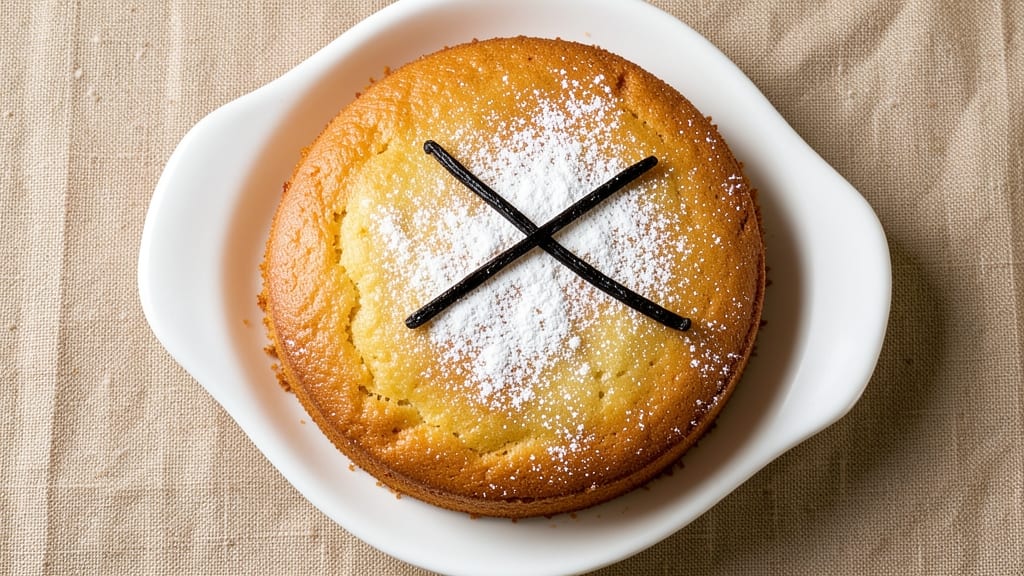
Ina Garten’s pound cake recipe delivers layers of buttery richness that stay moist for days—no dry crumbs in sight. This classic dessert relies on precise technique, from creaming room-temperature butter and sugar to folding in just the right amount of flour.
After perfecting it in my own kitchen, I can confidently say the secret lies in patience and attention to detail at every step.
The beauty of this recipe is its simplicity: just six core ingredients transform into a tender, golden cake with a velvety crumb. Ina’s method emphasizes proper mixing—no overworking the batter—and a gentle bake at 350°F to ensure even cooking.
The result? A cake that slices cleanly and tastes just as good on day three as it does fresh from the oven.
What makes this pound cake truly special is its versatility. Serve it plain with a dusting of powdered sugar, or elevate it with citrus zest or vanilla bean for added depth. It pairs perfectly with morning coffee, afternoon tea, or as a showstopper dessert for any occasion.
The texture remains moist thanks to Ina’s signature approach—no heavy hands, just careful layering of ingredients.
Whether you’re baking for a crowd or treating yourself, this recipe delivers professional-quality results with minimal fuss. The key is letting the cake cool completely before slicing—this ensures clean cuts and maximum moisture. Ready to bake a cake that rivals Ina’s own? Let’s get started.
Ingredients for ina garten pound cake
Eight simple ingredients transform into Ina Garten's signature moist pound cake—no dry crumbs here.
| Ingredient | Amount | Notes |
|---|---|---|
| Unsalted Butter 🧈 | 1 lb | Room temperature, European preferred |
| Granulated Sugar 🍚 | 2 cups | White or light brown preferred |
| All-Purpose Flour 🌾 | 2 cups | Sifted, spooned lightly |
| Large Eggs 🥚 | 4 whole | Room temperature, separated |
| Pure Vanilla Extract 🍯 | 2 tsp | High-quality, Madagascar preferred |
| Baking Powder 🍞 | 1 tsp | Aluminum-free preferred |
| Salt 🧂 | ½ tsp | Fine sea salt preferred |
| Powdered Sugar 🍚 | ¼ cup | For dusting, sifted |
The butter is non-negotiable—European-style with at least 82% fat content makes all the difference. Plugrá or Kerrygold are my go-tos, but any high-quality unsalted butter works. Room temperature is critical: press it between parchment paper for 10 minutes if it's too cold. For the sugar, Domino or C&H brands are reliable, but avoid powdered sugar substitutes—they alter texture. The flour should be sifted to avoid dense layers, and I always use King Arthur or Gold Medal for consistent results. Eggs? Room temperature separates beautifully and blends more smoothly.
No vanilla extract? Vanilla bean paste works in a pinch, but the flavor won't be as pure. For the baking powder, Clabber Girl is my standard—it's double-acting and reliable. Short on powdered sugar? Granulated sugar processed in a blender mimics the texture, though it won't dissolve as easily. The salt is subtle but essential—Maldon flaky sea salt adds a nice finish if you're feeling fancy. For a citrus twist, zest a lemon or orange and fold it in with the vanilla. The batter should be thick but pourable—don't overmix after adding flour, or you'll end up with a tough cake.
This cake keeps beautifully—5 days at room temperature wrapped in plastic, or 2 weeks refrigerated. For longer storage, slice and freeze portions on parchment paper. Reheat slices at 300°F for 5 minutes to restore moisture. I always bake an extra loaf—half goes to a neighbor, and the other half gets frozen for lazy mornings. The powdered sugar dusting? Use a fine-mesh sieve for an even, professional finish.
Why You'll Love This Recipe
- No-Prep Panic Needed: I’ll admit it—this recipe feels like cheating. The only prep work is letting the 1 lb unsalted butter sit at room temperature for an hour (yes, set it and forget it), and separating the 4 large eggs while the mixer does the heavy lifting. No chopping, no complicated steps—just mix, fold, bake. My "I don’t have time" days just got a whole lot sweeter.
- Rich, Buttery Perfection: That 2 cups granulated sugar and 2 tsp pure vanilla extract? They team up with the room-temperature eggs to create a cake that’s moist enough to melt in your mouth but structured enough to hold its shape. The European-style unsalted butter gives it that luxurious richness—no artificial shortcuts, just pure, buttery indulgence. Honestly, it’s the kind of cake that makes you want to lick the bowl.
- Crowd-Pleaser for Any Moment: Whether it’s a lazy Sunday breakfast, a last-minute brunch, or a dessert to impress guests, this cake delivers. Slice it thick for a hearty dessert, dust it with ¼ cup powdered sugar for a café-style treat, or even serve it with a dollop of whipped cream. My kids fight over the leftovers—yes, even on a Tuesday night—because it’s that good.
- Leftovers That Last: This cake doesn’t just taste amazing fresh—it keeps 5 days at room temperature (wrapped tight) or 2 weeks refrigerated, making it my go-to for meal prep. I’ll slice it into squares, toss them in a container, and grab a piece whenever I need a quick pick-me-up. No sad, dry cake here—just consistently moist, buttery goodness. My secret weapon for when I’m too tired to cook.
Step-by-step instructions for Ina Garten's pound cake
Here's the method that delivers tender layers with perfect moisture every time.
Prepare Ingredients for Optimal Texture
Begin by measuring the 1 lb unsalted butter and letting it sit at room temperature for at least 1 hour—it should be soft but not melted when pressed. This ensures proper incorporation without greasy pockets. Separate the 4 large eggs, keeping yolks and whites in separate bowls. Room-temperature eggs blend more smoothly into the batter.
In a medium bowl, whisk together the 2 cups granulated sugar, 2 tsp pure vanilla extract, and ½ tsp salt. This pre-mix creates a uniform sweetness base before combining with other ingredients. Sift the 2 cups all-purpose flour and 1 tsp baking powder together in a separate bowl to eliminate lumps, which guarantees an even rise and tender crumb.
Cream Butter and Sugar for Lightness
Using a stand mixer fitted with the paddle attachment, beat the 1 lb unsalted butter on medium speed until completely smooth, about 2 minutes. Gradually add the sugar mixture while mixing on medium-high speed for 3-4 minutes until the mixture is light, fluffy, and nearly tripled in volume. This step incorporates air, which creates the cake's signature tender layers.
Add the egg yolks, one at a time, mixing well after each addition. Scrape down the sides of the bowl to ensure even distribution. The mixture should be thick but ribbon-like—if it feels too stiff, return the bowl to the mixer for an additional 30 seconds. This ensures proper aeration for a fine crumb.
Combine Dry Ingredients and Fold Gently
With the mixer on low speed, gradually add the sifted flour mixture to the butter-sugar mixture. Mix just until combined—no more than 20 seconds—to avoid developing gluten, which would make the cake tough. The batter should be smooth with no visible flour streaks. Here's the thing—overmixing is the enemy of moisture and tenderness.
In a separate bowl, whip the egg whites to stiff peaks using a clean mixer attachment. Gently fold one-third of the whipped egg whites into the batter to lighten it, then fold in the remaining whites in two additions. This technique maintains air pockets for a lighter texture while keeping the cake's structure intact. Be careful not to deflate the batter during folding.
Bake in Layers for Even Cooking
Preheat your oven to 325°F and grease two 9-inch round cake pans with butter, then dust with ¼ cup powdered sugar for easy release. Divide the batter evenly between the pans. Bake for 50-55 minutes, or until a toothpick inserted in the center comes out clean and the tops spring back when touched. Rotate the pans halfway through baking for even browning.
Real talk: Your oven might run hot, so start checking at the 45-minute mark. The cake should be golden on top with slightly domed edges. Let the cakes cool in their pans for 10 minutes, then transfer to a wire rack to cool completely. This gradual cooling prevents cracking and maintains moisture.
Pro Tips For Making Ina Garten Pound Cake
- Test Butter Before Mixing: Press the 1 lb unsalted butter with a finger—if it leaves a clean indent but doesn’t smear, it’s ready. Cold butter fights the mixer, and melted butter drowns the flour. I learned this the hard way when my first batch turned into greasy blobs instead of tender layers.
- Whisk Egg Whites to Dry Peaks: Stop folding the egg whites into the batter when they hold a stiff peak that barely wobbles. Soft peaks collapse under their own weight, and you’ll end up with a dense cake. My grandmother swore by this, and she was right: the cake’s height and crumb depend on it.
- Rotate Pans at 25 Minutes: Swap the cake pans front to back halfway through baking—this evens out browning and prevents one side from drying out. I skipped this once and ended up with a golden top and a pale, gummy bottom. Your oven’s hot spots are real, so don’t ignore them.
- Dust Pans with Powdered Sugar: Skip the flour for dusting the pans—use the ¼ cup powdered sugar instead. It creates a smoother release and keeps the cake’s bottom from sticking like glue. Sounds weird, but it works: the sugar dissolves slightly during baking, leaving a barely-there barrier that makes slicing a breeze.
Regional styles of this dish
Classic American Homestyle
Ina Garten’s pound cake is a modern twist on the traditional American homestyle version, but the foundation remains the same: rich, buttery layers that melt in your mouth. This style often includes a touch of citrus zest or lemon juice to brighten the deep vanilla and butter flavors.
I’ve found that adding 1 tbsp lemon zest to the batter alongside the vanilla extract gives it that classic homestyle tang without overpowering the richness. The texture stays ultra-moist because we’re not adding any extra moisture—just the perfect balance of fat and sugar. 🍋
Southern Buttermilk Twist
For a Southern-inspired variation, swap out ½ cup of the granulated sugar for ½ cup buttermilk in the batter. This creates a slightly tangy crumb that pairs beautifully with the buttery richness.
I also like to add ½ tsp cornstarch to the flour mixture to give it that signature Southern cake tenderness. The result? A cake that’s just a little bit tangy and stays moist for days—perfect with a cup of sweet tea.
European-Style Vanilla Bean
If you want to elevate the vanilla flavor to the next level, replace the 2 tsp pure vanilla extract with 1 vanilla bean, split and scraped. The deep, floral notes from a Madagascar vanilla bean (like the ones from Penzeys) add complexity that’s worth the extra effort.
I scrape the seeds into the batter and add the pod itself for extra infusion. This version feels more luxurious but keeps the same tender crumb—just with a richer aroma.
Caribbean Rum Infusion
For a fun twist, add 1 tbsp dark rum (like Appleton Estate) to the batter along with the vanilla extract. The rum adds a subtle warmth that pairs perfectly with the buttery layers.
I let the batter sit for 10 minutes before baking to let the flavors meld. This version is especially great for summer gatherings—it tastes like a vacation in every bite! 🌴
Gluten-Free Adaptation
To make this cake gluten-free without sacrificing texture, I use a 1:1 gluten-free flour blend (like King Arthur Measure for Measure) and add 1 tbsp almond flour for extra richness. The key is to sift the flour mixture thoroughly and fold it in gently—just like the original recipe.
The result is a cake that’s just as tender, with a slightly nutty undertone from the almond flour. It’s a game-changer for those with dietary restrictions!
Nutrition facts
Frequently asked questions
Why does Ina Garten’s pound cake recipe call for room-temperature butter and eggs?
Room-temperature butter and eggs blend seamlessly into the batter, creating a smooth and uniform texture. Cold ingredients can cause the butter to clump or the eggs to curdle, leading to a dense cake. The 1 hour at room temp ensures proper incorporation without greasy pockets or a grainy crumb. This step is non-negotiable for that signature tender, buttery result!
How do I know when the pound cake is fully baked?
Check for doneness at the 45-minute mark by inserting a toothpick into the center—it should come out clean with moist crumbs. The cake’s edges should pull away slightly from the pan, and the top should spring back when gently pressed. Overbaking dries it out, so pull it when it’s just set.
Can I make this cake in a loaf pan instead of round pans?
Yes, but adjust the baking time! Use a 9x5-inch loaf pan greased with butter and dusted with powdered sugar. Bake for 55-65 minutes, checking at 50 minutes—the center should be set but still slightly moist. Cool completely before slicing to avoid a gummy texture.
What’s the best way to store leftover pound cake?
Wrap cooled cakes tightly in plastic wrap or store in an airtight container at room temperature for 5 days. For longer storage, refrigerate for up to 2 weeks. To revive slices, warm at 300°F for 5 minutes—this restores moisture and brings back that fresh-baked flavor!