
Main Courses
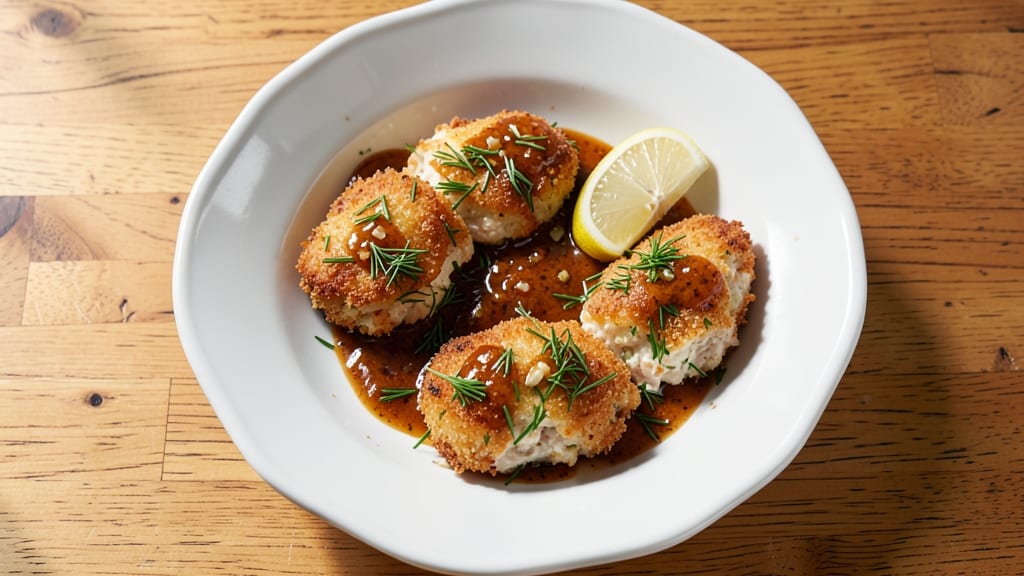
Ina Garten’s crab cake recipe delivers golden crispy clusters with a buttery crunch and tender interior—just like her signature dishes. The secret lies in properly binding the crab mixture with mayo and Dijon, then chilling it to maintain shape during frying.
This technique ensures every bite has that perfect balance of texture and flavor, with bright lemon zest cutting through the richness.
What sets these crab cakes apart is their foolproof method for achieving crispy exteriors without drying out the inside. Ina’s approach uses a light breading of panko and flour, pressed firmly to create that signature crunch.
The lemon aioli on the side adds a zesty contrast that elevates the dish from ordinary to extraordinary.
By following these steps, you’ll end up with restaurant-quality crab cakes that are golden brown, perfectly seasoned, and impossible to resist. The aroma of sizzling crab cakes in the pan will have everyone gathered around the table waiting for their share.
Serve with a crisp green salad or steamed vegetables for a complete, elegant meal.
This recipe captures Ina’s signature style—simple yet refined, with techniques that guarantee success every time. Whether you’re hosting a dinner party or treating yourself to a special meal, these crab cakes will impress without requiring advanced skills. Let’s get started on creating your own perfect batch.
Ingredients for ina garten crab cake
Golden clusters, rich texture—just a handful of ingredients make Ina’s legendary crab cakes.
| Ingredient | Amount | Notes |
|---|---|---|
| Lump Crab Meat 🦀 | 2 lb | Picked over for lumps, not chunk |
| All-Purpose Flour 🌾 | ½ cup | For dredging crab cakes |
| Panko Breadcrumbs 🍞 | ¾ cup | Light and crispy texture |
| Mayonnaise 🥛 | ½ cup | Full-fat for creaminess |
| Dijon Mustard 🍯 | 1 tbsp | For tangy flavor balance |
| Large Eggs 🥚 | 1 whole | Room temperature preferred |
| Fresh Lemon Zest 🍋 | 2 tbsp | Bright citrus flavor boost |
| Fresh Lemon Juice 🍋 | 2 tbsp | Freshly squeezed for acidity |
| Unsalted Butter 🧈 | ½ cup | Melted for frying |
| Kosher Salt 🧂 | 1 tsp | Enhances all flavors |
| Fresh Dill 🌿 | 2 tbsp | Chopped for freshness |
| Fresh Parsley 🌿 | 2 tbsp | Chopped for garnish |
| Garlic Cloves 🧄 | 2 cloves | Minced for aroma |
| Extra-Virgin Olive Oil 🫒 | ¼ cup | For searing crab cakes |
The crab meat is where quality shines. Look for lump crab with visible meat lumps—avoid the chunky, mixed varieties. Costco or high-end seafood markets often carry premium frozen lump crab that thaws beautifully. Thaw overnight in the fridge, then pick over to remove any shells or veins. Fresh crab? Buy it the same day and cook immediately. The mayonnaise and Dijon mustard bind the mixture perfectly—don’t skip the Dijon for that extra tang that cuts through the richness.
No lump crab? Lobster or king crab works in a pinch, though the texture will differ slightly. Short on fresh herbs? Dried dill at half the amount keeps the flavor profile intact. The flour and panko breading are non-negotiable for that signature crisp—panko is essential for lightness. Want extra richness? Add 1 tbsp of cream cheese to the mayo mixture. The lemon zest and juice can be swapped for lime zest and juice if you prefer a citrusy twist, but lemon’s brightness is unmatched here.
Chill the crab cake mixture for at least 30 minutes before frying—this ensures they hold their shape beautifully. Keep the crab cakes refrigerated until ready to cook, and pat them dry before frying for maximum crispiness. The butter and olive oil for frying? Use a thermometer to maintain 350°F—too hot and they’ll burn before cooking through. These crab cakes reheat wonderfully in the oven at 300°F for 10-15 minutes, making them perfect for meal prep or leftovers.
Why You'll Love This Recipe
- No-Fuss Assembly: Honestly, this isn’t one of those recipes where you’re chopping herbs for hours. Just toss that lump crab meat with mayonnaise, a splash of lemon juice, and a handful of fresh herbs—no fancy prep required. The panko breadcrumbs and flour bind it together in seconds, and the chilling step? That’s the only "wait" you’ll do, and it’s worth it for that perfect texture.
- Chef’s Kiss Crisp: That golden crust? It’s not a fluke. The butter and olive oil combo gives it a buttery, crackling exterior while keeping the inside tender. The Dijon mustard and lemon zest tie everything together—bright, tangy, and just a little bit sophisticated. Trust me, the first bite will make you forget you ever doubted crab cakes.
- Leftover Hero: I’ve made these on a busy weeknight, and honestly? They reheat like a dream. Pop them in the oven at 300°F for 10-15 minutes, and they’re just as crispy as the day you made them. Perfect for packing lunches, feeding guests, or that last-minute dinner when you’re tired of takeout.
- Weeknight Friendly: Between the room-temperature egg, pre-minced garlic, and the fact that you’re just mixing and frying—no baking required—this is my go-to when I want something special but don’t have hours to spare. Serve with a simple salad or roasted veggies, and boom: restaurant-quality meal in under 45 minutes.
Step-by-step instructions for golden crispy crab cakes
Follow this method to achieve Ina Garten's signature golden crust and tender interior.
Prepare the Crab Cake Mixture
In a large mixing bowl, combine the 2 lb lump crab meat with the ½ cup mayonnaise, 1 tbsp Dijon mustard, 1 large egg, 2 tbsp fresh lemon zest, 2 tbsp fresh lemon juice, 2 tbsp chopped fresh dill, 2 tbsp chopped fresh parsley, and 2 minced garlic cloves. Use a fork or your hands to gently mix until just combined—avoid overworking the mixture, which can make the crab cakes dense.
Next, fold in the ½ cup all-purpose flour and ¾ cup panko breadcrumbs until evenly distributed. The mixture should hold together when pressed but still feel slightly crumbly. If it feels too wet, add an extra 1-2 tablespoons of panko breadcrumbs to ensure the crab cakes maintain their shape when frying. Season with 1 tsp kosher salt and mix once more.
Chill and Shape the Crab Cakes
Cover the bowl with plastic wrap and refrigerate for at least 30 minutes—this step is crucial for crispiness. Chilling firms up the mixture, preventing the crab cakes from spreading too much in the pan. While the mixture chills, gather your frying tools: a large skillet, a spatula, and a plate lined with paper towels.
Once chilled, scoop the mixture into 4 equal portions (about ½ cup each) and gently shape them into ¾-inch thick patties. Press down firmly but avoid compacting the mixture too tightly—this ensures a tender interior. Place the shaped crab cakes on a plate and cover them loosely with plastic wrap to keep them cold until ready to fry.
Fry the Crab Cakes to Golden Perfection
Heat ¼ cup extra-virgin olive oil and ½ cup unsalted butter in a large skillet over medium heat until the butter melts and the mixture foams but doesn’t brown. This should take about 3-4 minutes. The key here is patience—rushing the heat will cause the crab cakes to steam instead of sear.
Add the crab cakes to the skillet, spacing them about 1 inch apart to allow room for even browning. Cook undisturbed for 3-4 minutes per side until the underside is deep golden brown and crispy. You’ll know they’re ready when the edges pull away from the pan easily. Transfer the cooked crab cakes to the prepared plate and tent loosely with foil to keep them warm while you fry the remaining batches.
Serve Immediately with Fresh Garnishes
Serve the crab cakes right away while they’re still crispy and warm. Garnish each one with an additional sprinkle of chopped fresh dill and chopped fresh parsley for a pop of color and freshness. The golden crust should contrast beautifully with the tender, lemon-infused crab mixture inside.
For extra brightness, drizzle with a lemon aioli made from the remaining 2 tbsp lemon juice and a small amount of the melted butter from the pan. Pair with a simple arugula salad or roasted potatoes to complete the meal. The crab cakes are best enjoyed immediately, so don’t let them sit too long—they’ll lose their crispiness as they cool.
Pro Tips For Making Ina Garten Crab Cake
- Press Don’t Pack: When shaping the crab cakes, press the mixture firmly but don’t overdo it—think of it like tucking in a pillow, not hammering a nail. Too much pressure turns them dense, and you’ll lose that light, airy texture you’re working so hard to achieve.
- Watch the Butter Foam: That 3-4 minute wait for the butter to foam but not brown is non-negotiable. I used to rush it, and the crab cakes would steam instead of sear, leaving me with sad, greasy patties. Let the foam settle—it’s your signal the pan’s ready.
- Cold Cakes, Hot Pan: Keep the shaped crab cakes cold until they hit the pan—no skipping the 30-minute chill. I learned this the hard way when they spread into pancakes. Cold mixture + hot pan = golden crust, not a melty mess.
- Lemon First, Salt Last: Toss in the lemon zest and juice early to brighten the flavor, but hold off on that 1 tsp kosher salt until the very end. The acid in the lemon makes salt taste sharper, so you’ll need less—but add it last to balance everything perfectly.
Dietary considerations for this dish
Gluten-Free Adaptation
If you're avoiding gluten but still want those crispy crab cakes, swap the ½ cup all-purpose flour for ½ cup gluten-free all-purpose flour like Bob’s Red Mill 1:1.
I also recommend adding 1 tbsp cornstarch to help bind the mixture better. The texture will be slightly lighter, but the flavor remains rich and buttery. 🌾
Dairy-Free Option
The ½ cup unsalted butter used for frying can be replaced with ½ cup dairy-free butter like Earth Balance or avocado oil for a neutral flavor. For the mayo mixture, use Vegenaise or another dairy-free mayo brand. The crab cakes still get that golden crispiness without the dairy.
Low-Carb Version
For a lower-carb approach, eliminate the flour and panko entirely—just use 2 tbsp almond flour or 2 tbsp crushed pork rinds for structure. The ½ cup mayonnaise and 1 egg will still bind the mixture well.
Watch the salt carefully, as pork rinds can be salty. This version keeps the crab cakes tender and flavorful.
Allergen-Free Caution
Always double-check labels for hidden allergens—mayonnaise and Dijon mustard can sometimes contain traces of gluten or dairy. Opt for certified gluten-free mayo like Primal Kitchen and mustard-free Dijon if needed. Fresh herbs like dill and parsley are naturally allergen-free, so they’re safe to use generously. 💡
Vegetarian Substitute
While these crab cakes are seafood-based, you can create a vegetarian version using 2 cups finely diced mushrooms (like cremini or portobello) or 2 cups firm tofu crumbled and pressed.
Add 1 tbsp fish sauce (or soy sauce for umami) to mimic the crab’s depth. The texture will differ, but the crispy exterior remains achievable with the same breading technique.
Nutrition facts
Frequently asked questions
Why does the recipe call for chilling the crab cake mixture?
Chilling the mixture for at least 30 minutes is essential for crispiness and shape retention. It firms up the ingredients so the crab cakes hold together beautifully during frying instead of spreading. This step also ensures a perfect balance of tender inside and golden crust!
Can I use frozen lump crab meat in this recipe?
Frozen lump crab works perfectly—just thaw it overnight in the fridge and pick over to remove any shells. The texture will be just as tender as fresh crab once cooked. Costco often carries high-quality frozen lump crab for this purpose.
What's the best way to prevent the crab cakes from sticking to the pan?
Pat the shaped crab cakes dry with paper towels before frying, and make sure your skillet is properly heated with ¼ cup olive oil and ½ cup butter. Avoid overcrowding the pan—space them 1 inch apart for even browning. A well-seasoned skillet also helps!
How do I know when the crab cakes are fully cooked?
They're ready when they're deep golden brown and pull easily from the pan after 3-4 minutes per side. The internal temperature should reach around 165°F. Overcooking can make them dry, so remove them when they're just crispy.