
Desserts
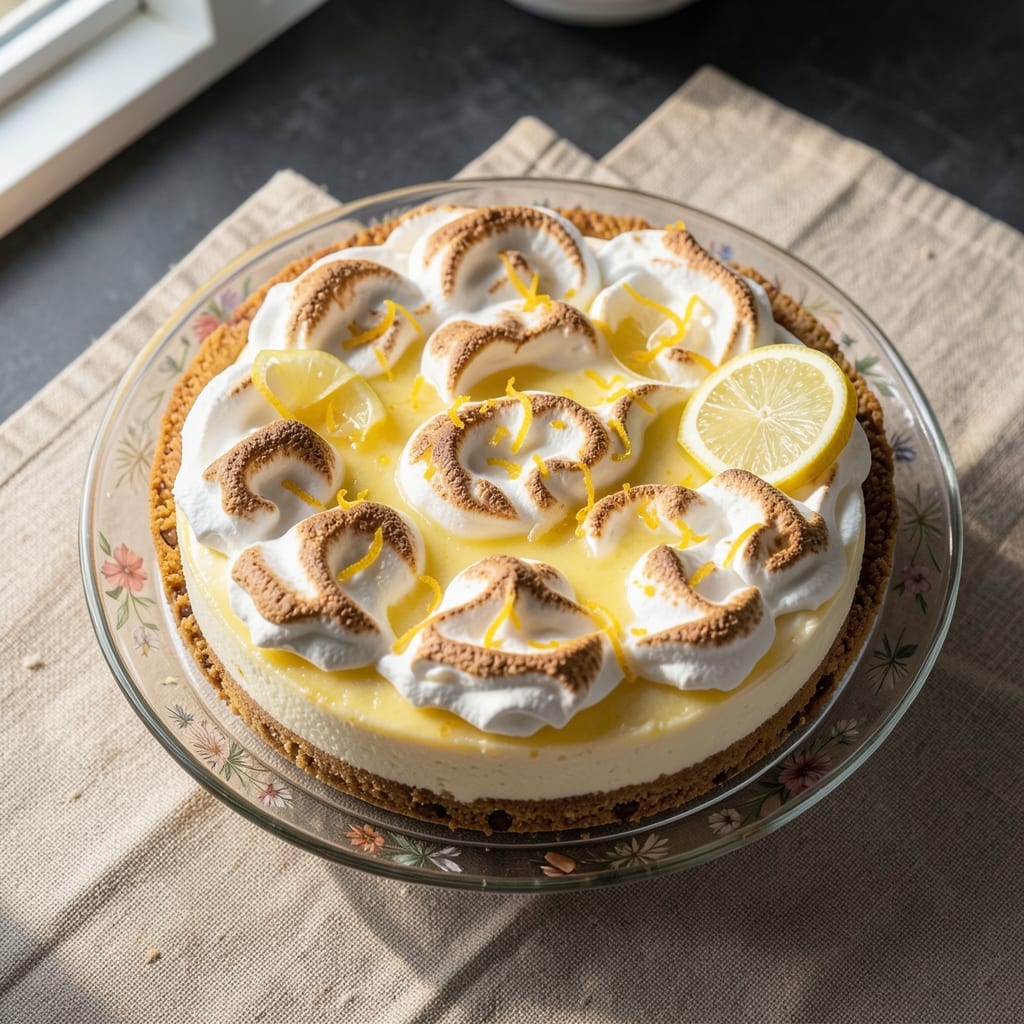
This Amalfi lemon meringue cheesecake brings the sun-drenched flavors of Italy’s Amalfi Coast to your dessert table with a bright citrus zest crust and cloud-like meringue topping. The secret lies in infusing every layer—crust, filling, and meringue—with zesty lemon and bergamot notes, creating a dessert that’s as visually stunning as it is delicious. I’ve perfected this recipe over years of baking, ensuring the crust stays crisp, the filling remains silky-smooth, and the meringue achieves that signature golden kiss.
The foundation begins with a crunchy lemon-zest crust baked to perfection, providing the ideal base for the creamy lemon cheesecake filling that’s been gently whipped to eliminate any lumps. What sets this apart is the lemon-infused meringue, where fresh lemon juice and zest are folded into the egg whites for a subtle citrus brightness that complements the rich filling. The key to success? A water bath for the cheesecake and precise timing when torching the meringue to achieve that signature caramelized finish.
By the time you slice into this dessert, you’ll be rewarded with a textural masterpiece: a shatteringly crisp crust, a velvety lemon cheesecake layer, and a light-as-air meringue that melts in your mouth. The lemon zest adds a fresh, aromatic kick that cuts through the richness, making every bite feel like a taste of the Mediterranean. This isn’t just a cheesecake—it’s a showstopping centerpiece that will impress even the most discerning dessert lovers.
Perfect for special occasions or when you want to elevate your baking game, this recipe delivers restaurant-quality results with a fraction of the effort. The assembly process is straightforward, but the flavors are anything but basic. Let’s bring the flavors of Amalfi to your kitchen—your taste buds will thank you.
Ingredients for amalfi lemon meringue cheesecake
Bright citrus zest and velvety layers—this cheesecake brings Amalfi’s sunshine to your dessert table.
| Ingredient | Amount | Notes |
|---|---|---|
| Lemon Zest 🍋 | 2 tbsp | Freshly grated, vibrant yellow |
| All-Purpose Flour 🌾 | 1 cup | Sifted for smooth texture |
| Granulated Sugar 🍚 | ½ cup | Fine grain preferred |
| Unsalted Butter 🧈 | ½ cup | Cold, cubed for crust |
| Large Egg Yolks 🥚 | 4 whole | Room temperature |
| Cream Cheese 🧀 | 24 oz | Full-fat, room temperature |
| Heavy Whipping Cream 🥛 | 1 cup | Cold, full-fat |
| Fresh Lemon Juice 🍋 | ¼ cup | Strained, no pulp |
| Granulated Sugar (for filling) 🍚 | ¾ cup | Fine grain preferred |
| Vanilla Extract 🌿 | 1 tsp | Pure, high-quality |
| Large Egg Whites 🥚 | 5 whole | Room temperature, no yolk |
| Confectioners' Sugar 🍚 | ¾ cup | Sifted for smooth meringue |
| Kosher Salt 🧂 | ¼ tsp | Fine grain preferred |
| Bergamot Extract 🍋 | ½ tsp | Optional, for authentic flavor |
The lemon zest is non-negotiable for that signature Amalfi brightness—freshly grated from organic lemons (the thick outer layer only). Most grocery stores carry organic lemons, but Whole Foods or Trader Joe’s have the juiciest. For the cream cheese, Philadelphia brand is my go-to—it’s the most reliable for texture. The egg yolks must be room temperature; if they’re cold, the filling will curdle. Pro tip: Separate your eggs ahead of time so yolks and whites can warm up gradually. The bergamot extract (if using) is the secret ingredient—find it in specialty stores or online, as it’s not always stocked at regular grocers.
No bergamot? A splash of Earl Grey tea infusion (steep 1 tea bag in 1 tbsp hot water, cool) mimics the floral notes beautifully. The vanilla extract should be pure—McCormick or Nielsen-Massey are solid choices. For the meringue, Kosher salt is key; Diamond Crystal dissolves more easily than table salt. If you’re worried about overmixing the egg whites, microwave them for 20 seconds first—it helps stabilize them. The lemon juice must be freshly squeezed; bottled juice lacks the bright acidity needed to balance the richness. For the water bath, line your springform pan with parchment paper to prevent sticking—trust me, it’s worth the extra minute.
Store the unbaked cheesecake in the fridge for up to 24 hours before baking—this helps prevent cracks. Once baked, it keeps 3-4 days in the fridge, but the meringue starts to soften after 2 days. For longer storage, freeze the fully assembled cheesecake (without torching) for up to 2 months. To serve, torch the meringue right before slicing—this creates that signature golden caramelized finish. Leftovers? Portion into individual slices and freeze for up to 1 month; just let them sit at room temperature for 10 minutes before serving.
Why You'll Love This Recipe
- No-Bake Magic: I swear by this recipe when I’m too tired to turn on the oven—just mix, chill, and boom, dessert. The meringue topping crisps up perfectly without baking, and that lemon zest in the crust? Pure sunshine in every bite.
- Zesty Sunlight in Every Slice: That bright lemon zest in the crust and the buttery, golden meringue on top? It’s like a vacation in your mouth. The sugar in the meringue caramelizes just enough to make it irresistibly crunchy, while the creamy cheesecake underneath stays cool and tangy.
- Weeknight Dinner Guest: Between us, this is my go-to for when friends drop by unexpectedly. The crust’s buttery crunch and lemony sharpness cut through rich cheesecake, so it’s light enough for a summer evening but feels fancy enough for company. (Yes, even on a Tuesday night.)
- Leftovers That Last: I make a double batch on Sundays—it keeps beautifully in the fridge for days, and the meringue stays crisp if you store it right. Honestly, the second day is when it’s really good, because the flavors meld even more. Plus, it’s cheap to make with pantry staples.
Step-by-step instructions for Amalfi lemon meringue cheesecake
Here's how to create a showstopping dessert with a zesty crust and billowy meringue topping.
Prepare the Lemon Zest Crust
Preheat your oven to 325°F and grease a 9-inch springform pan. In a food processor, combine the 1 cup all-purpose flour, 0.5 cup granulated sugar, 2 tbsp lemon zest, and 0.25 tsp kosher salt. Pulse until the mixture resembles coarse crumbs.
Add the 0.5 cup cold, cubed unsalted butter and pulse until the mixture forms pea-sized crumbs with some larger butter pieces remaining. Press this mixture evenly into the bottom of your prepared pan, creating an even layer. Bake for 15 minutes until the edges begin to turn golden. Remove from the oven and let cool slightly while you prepare the filling.
Create the Creamy Lemon Filling
In a large mixing bowl, beat the 24 oz room-temperature cream cheese with an electric mixer on medium speed until completely smooth, about 2-3 minutes. Gradually add the 0.75 cup granulated sugar (for filling) and mix until fully incorporated.
Add the 4 whole large egg yolks one at a time, mixing well after each addition. Stir in the 0.25 cup fresh lemon juice, 1 tsp vanilla extract, and 0.5 tsp bergamot extract (if using). Finally, add the 1 cup cold heavy whipping cream and mix until just combined. Pour this filling over the cooled crust, spreading it evenly.
Bake the Cheesecake Base
Place the springform pan in a water bath by setting it inside a larger roasting pan. Carefully pour hot water into the roasting pan until it reaches halfway up the sides of the springform pan. This water bath ensures gentle, even baking.
Return the cheesecake to the preheated 325°F oven and bake for 50-55 minutes until the center is nearly set but still slightly jiggly. The edges should be set, and the top should look slightly puffed. Turn off the oven, crack the door open slightly, and let the cheesecake cool inside for 1 hour to prevent cracking.
Prepare the Meringue Topping
While the cheesecake cools, prepare the meringue. In a clean, grease-free bowl, beat the 5 whole large egg whites with an electric mixer on medium speed until soft peaks form. Gradually add the 0.75 cup confectioners' sugar and 0.25 tsp kosher salt, mixing on high speed until stiff, glossy peaks form. The meringue should hold its shape when the beaters are lifted.
Spread the meringue evenly over the top of the cheesecake, gently sealing it to the edges to create a tight crust. Use the back of a spoon to create decorative peaks or swirls if desired. Return the cheesecake to the oven and bake for an additional 5-7 minutes until the meringue is lightly golden.
Cool and Set the Cheesecake
Remove the cheesecake from the oven and let it cool to room temperature, then refrigerate for at least 6 hours or overnight. This long chilling time allows the filling to fully set and the flavors to meld together. When ready to serve, run a knife around the edges of the springform pan to loosen the cheesecake.
Slice and serve chilled. Each piece should reveal a vibrant lemon zest crust, a smooth and tangy lemon filling, and a cloud-like meringue topping. The perfect balance of sweet and tart flavors will make this a standout dessert for any occasion.
Pro Tips For Making Amalfi Lemon Meringue Cheesecake
- Whisk yolks cold: Take those egg yolks straight from the fridge—room temperature makes them behave like liquid gold here. I learned this the hard way when my first batch turned into a sad, grainy mess because I warmed them up while prepping the crust. ---
- Toast flour properly: Spread that all-purpose flour on a baking sheet and toast it in a 350°F (175°C) oven for 5-7 minutes until it smells nutty. Sounds weird, but it works: this keeps your crust from getting gummy later, especially with all that butter and sugar. ---
- Don’t rush the water bath: Wrap your springform pan in two layers of foil before adding the water—yes, even if you’re impatient like me. The first 30 minutes at 325°F (160°C) are critical; skip the foil, and you’ll end up with a cracked cheesecake that looks like a failed science experiment. ---
- Zest fresh, then dry: Use a microplane for your lemon zest, then spread it on a paper towel to dry for 10 minutes. Wet zest adds moisture to the crust, and trust me, you don’t want a soggy base when that meringue goes on top. (Your future self will thank you.)
Common mistakes when making this dish
Overbaking the Crust
I’ve seen so many cheesecakes where the crust turns hard and dry because it was baked too long. For this recipe, 15 minutes at 325°F is perfect—any longer and the butter will fully melt, leaving you with a soggy base. Keep an eye on it after 12 minutes and remove as soon as the edges start to golden. A slightly underbaked crust is easier to work with when assembling the filling. 🌟
Skipping the Water Bath
This is a game-changer for preventing cracks! The water bath creates a gentle, even heat that lets the cheesecake bake slowly and evenly. Without it, the edges cook too fast while the center stays underdone, leading to those dreaded sinkholes. Fill the roasting pan halfway up the springform pan’s sides with hot water—just enough to create steam, not submerge the pan. Trust me, this step is non-negotiable for a flawless texture. ⚡
Underwhipping the Meringue
If your meringue isn’t stiff enough, it won’t hold its shape or caramelize properly when torched. Beat the 5 egg whites until they form glossy, stiff peaks that hold their shape when you lift the beaters. I like to use a stand mixer for this—hand whisks can’t always get the job done. Add the confectioners’ sugar gradually to avoid deflating the meringue. Soft peaks mean a flatter, less impressive topping. 💫
Rushing the Chilling Time
Patience is key here! The cheesecake needs at least 6 hours (overnight is ideal) in the fridge to fully set. Cutting into it too soon will leave you with a wobbly, unappetizing mess. The filling needs time to firm up, and the meringue to fully adhere to the edges. If you’re in a hurry, pop it back in the fridge for another hour or two. Rushing this step is the #1 reason for a failed cheesecake. ❄️
Overmixing the Filling
Once you’ve added the egg yolks and lemon juice, mix just until combined—no need to overbeat. Overmixing incorporates too much air, which can cause the cheesecake to sink or develop cracks as it bakes. Use a spatula to gently fold in the heavy whipping cream at the end. The filling should be smooth but not fluffy. A few small lumps are fine and will disappear during baking. 🥛
Ignoring the Torch Technique
The meringue’s golden caramelized finish comes from careful torching, not just baking. Use a kitchen torch to gently brown the peaks, rotating the pan for even color. Hold the flame about 3-4 inches away and work in small sections. If you torch too close or too long, the meringue will burn. For a more even result, I sometimes finish with 2-3 minutes in a 300°F oven** after torching. This ensures a consistent color without overcooking. 🔥
Nutrition facts
Frequently asked questions
Can I make this cheesecake without a water bath?
While possible, I strongly recommend using a water bath to prevent cracks. The gentle steam creates even heat distribution, which is crucial for this delicate dessert. If you must skip it, bake at 300°F instead of 325°F for 10-15 minutes longer and monitor closely for doneness. The texture won't be quite as perfect, but it will still be delicious!
How do I store leftovers without drying out the meringue?
Store the cheesecake in an airtight container in the fridge for up to 3 days. To revive the meringue, cover it with plastic wrap pressed directly onto the surface before sealing. For longer storage, freeze the whole cake (without torching) for up to 2 months. Thaw overnight in the fridge and torch before serving.
What's the best way to torch the meringue for even browning?
Work in small sections, keeping the torch 3-4 inches away for 10-15 seconds per area. Rotate the pan frequently and focus on the peaks first. For more even color, finish with 2-3 minutes at 300°F after torching. Never torch over direct heat—this causes burning rather than caramelization.
Can I substitute regular meringue for the lemon-infused version?
You can, but you'll miss the signature Amalfi brightness. For a compromise, fold 1 tbsp fresh lemon juice and 1 tsp lemon zest into your regular meringue after it reaches stiff peaks. This adds subtle citrus notes without requiring extra egg whites. The texture will be slightly less light but still delicious!
Why did my cheesecake develop cracks?
Most cracks occur from temperature changes or overmixing. Let the cheesecake cool gradually in the turned-off oven with the door slightly open after baking. Avoid opening the oven door during baking. Also check your egg whites—if they weren't fully whipped, the meringue won't seal properly. For a quick fix, cover cracks with extra meringue before torching!