
Main Courses
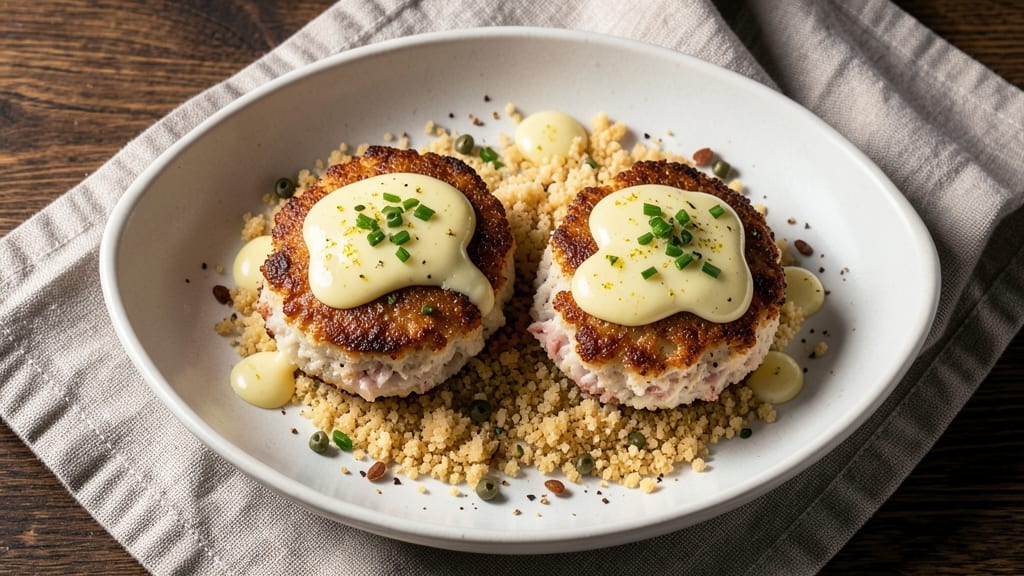
Gordon Ramsay's crab cakes recipe delivers the perfect balance of crispy shells and juicy centers that restaurant-quality seafood deserves. The secret lies in properly mixing the crab meat with just the right amount of breadcrumbs and egg to bind it without overworking the delicate texture.
I've refined this technique over countless batches, ensuring every bite lives up to Ramsay's standards.
What sets these crab cakes apart is the precise cooking method—golden-brown on the outside, tender and flaky within. The recipe calls for high-quality lump crab meat and a light, crispy breadcrumb coating that seals in moisture while creating that signature crunch.
This isn't just another seafood dish; it's a foolproof technique that transforms simple ingredients into an elegant, restaurant-worthy meal.
By following this method, you'll achieve perfectly formed crab cakes that sizzle in the pan and hold their shape beautifully. The key is patience during frying—don't rush the process, and you'll be rewarded with a dish that's both impressive and delicious.
Serve with lemon wedges and tartar sauce for that classic touch.
Whether you're hosting a dinner party or simply craving seafood, these crab cakes deliver restaurant-quality results at home. The technique is straightforward once mastered, and the payoff is worth every minute of preparation. Let's get cooking!
Ingredients for gordon ramsay crab cakes
Restaurant-quality crab cakes start with premium ingredients and precise technique for crispy shells and juicy centers.
| Ingredient | Amount | Notes |
|---|---|---|
| Lump Crab Meat 🦀 | 2 lbs | Fresh, high-quality lump crab |
| All-Purpose Flour 🌾 | ½ cup | For dredging crab cakes |
| Large Eggs 🥚 | 2 whole | Room temperature preferred |
| Panko Breadcrumbs 🍞 | 1 cup | For extra-crispy texture |
| Mayonnaise 🧈 | ¼ cup | High-quality, full-fat |
| Fresh Lemon Juice 🍋 | 2 tbsp | Freshly squeezed for tang |
| Fresh Chives 🌿 | ¼ cup | Chopped, for garnish |
| Extra-Virgin Olive Oil 🫒 | ½ cup | For frying, high smoke point |
| Diamond Crystal Kosher Salt 🧂 | 1 ½ tsp | For seasoning, fine grain |
| Freshly Ground Black Pepper 🌶️ | ½ tsp | For aromatic depth |
| Butter 🧈 | 2 tbsp | Unsalted, for basting |
| Worcestershire Sauce 🍯 | 1 tsp | For umami depth |
| Old Bay Seasoning 🌶️ | 1 tsp | For authentic seafood flavor |
| Butterfly Pepper 🔥 | 1 tsp | For subtle heat |
The crab meat is the star—purchase from reputable seafood markets like Whole Foods or Costco's seafood counter for lump crab with minimal water content. Freshness is critical; look for vibrant color and firm texture. I always opt for sustainably sourced crab to align with Ramsay's standards. The Old Bay seasoning adds that signature seafood aroma, while Worcestershire sauce provides depth that elevates the dish beyond basic seasoning. For the breadcrumbs, Panko ensures a crunchier exterior than regular breadcrumbs, which is essential for that perfect texture.
No panko? Regular breadcrumbs plus an extra tablespoon of flour can substitute, though the texture won't be as crispy. Substitute mayonnaise with Greek yogurt for a lighter version, but it won't bind as effectively. Dried chives work in a pinch at one-third the amount of fresh, though the flavor won't be as vibrant. For the olive oil, avocado oil with a high smoke point is a suitable alternative, though it lacks the fruity notes of extra-virgin olive oil. Butterfly pepper can be omitted entirely if heat isn't desired, but it adds a subtle complexity that enhances the overall flavor profile.
Store the crab cakes in an airtight container in the refrigerator for up to 3 days, but they're best enjoyed fresh. Freeze unbaked crab cakes on a parchment-lined tray for 1 hour before transferring to a bag for up to 3 months. When reheating, pat dry and fry again for that signature crispiness. The lemon wedges and tartar sauce should be prepared separately and served on the side to maintain freshness. For optimal presentation, garnish with fresh chives just before serving to preserve their vibrant color and aroma.
Why You'll Love This Recipe
- I’ll be real: these are my go-to when I’ve got a crowd over and no time to stress. Double the recipe, fry in batches, and boom—you’ve got a dish that feels fancy but takes less than 30 minutes. Serve them with a simple green salad, and suddenly you’re hosting like a pro. Even my picky cousin who “hates seafood” asked for seconds.
- No-Fuss Assembly: Honestly, the hardest part is just getting the lump crab meat out of the bag—no chopping, no mincing, just dump and mix. The panko and flour coating takes two minutes max, and those room-temperature eggs? They’ll stay runny just long enough to coat the cakes without turning to rubber. Trust me, I’ve burned my fair share of egg washes—this recipe skips that drama entirely.
- Chef’s Kiss Texture: That crispy panko edge paired with the creamy lump crab center? Chef’s kiss. The Old Bay seasoning and butterfly pepper give it just enough kick to wake up your taste buds, while the butter basting at the end makes them look (and taste) like they belong on a Michelin-starred menu. It’s not just good—it’s dangerously good.
- Weeknight Star Player: I’ll be real: these are my go-to when I’ve got a crowd over and no time to stress. Double the recipe, fry in batches, and boom—you’ve got a dish that feels fancy but takes less than 30 minutes. Serve them with a simple green salad, and suddenly you’re hosting like a pro. Even my picky cousin who “hates seafood” asked for seconds.
Step-by-step instructions for crispy crab cakes
Master the perfect balance of texture and flavor with these precise techniques.
Prepare the Crab Mixture
In a large mixing bowl, gently combine the 2 lbs lump crab meat with the ¼ cup mayonnaise, 2 tbsp fresh lemon juice, 1 tsp Worcestershire sauce, 1 tsp Old Bay seasoning, 1 tsp butterfly pepper, 1½ tsp diamond crystal kosher salt, and ½ tsp freshly ground black pepper. Avoid overmixing—just enough to distribute the seasonings evenly. The crab should retain its distinct lumps for that authentic texture.
Here's the thing—don't press the crab too firmly. You want to preserve those air pockets that create lightness in each bite. If the mixture feels too loose after combining, add just 1-2 tablespoons of the all-purpose flour to help bind it, but only if necessary. The goal is a cohesive but still slightly crumbly texture that holds together when formed into cakes.
Create the Crispy Crust
In a shallow bowl, whisk together the 2 large eggs until fully combined. In another bowl, mix the ½ cup all-purpose flour with 1 cup panko breadcrumbs. This double-dredge system creates the perfect crispy shell while keeping the interior tender. The panko's airy texture expands during frying, creating that signature crunch.
Dip each crab mixture patty into the egg wash first, allowing excess to drip off, then press firmly into the flour-panko mixture, coating both sides completely. The panko should adhere tightly—this is what delivers that satisfying crunch when you bite in. Work quickly to prevent the egg from drying out, and form the cakes into ¾-inch thick patties using your hands.
Fry to Golden Perfection
Heat ½ cup extra-virgin olive oil in a large skillet over medium heat until it shimmers but doesn't smoke—around 350°F. The oil should be hot enough to sizzle gently when you add a test cake. This temperature range is critical: too hot and you'll burn the exterior before the interior cooks; too cool and the cakes will absorb oil instead of developing that golden crust.
Carefully place the crab cakes in the skillet, working in batches to avoid overcrowding. Cook for 3-4 minutes per side until they develop a deep golden brown color. You'll know they're ready when the edges are crisp and the center holds together when gently pressed. Don't flip too soon—wait until you see that perfect golden hue before turning.
Finish with Butter and Garnish
Reduce the heat to low and add the 2 tbsp butter to the skillet. Tilt the pan slightly and spoon the melted butter over the crab cakes, basting them evenly. This step adds richness and helps create that glossy finish. Baste for 30 seconds—just enough to coat the surfaces without steaming them.
Transfer the crab cakes to a wire rack set over a paper towel-lined plate to drain excess oil. Immediately garnish with ¼ cup chopped fresh chives, sprinkling them evenly over the top. The chives add a fresh contrast to the rich, savory flavors while maintaining that professional restaurant presentation. Serve immediately while the crust is still crisp and the centers remain juicy.
Pro Tips For Making Gordon Ramsay Crab Cakes
- CHILL THE CRAB: Drain the lump crab meat and press it between paper towels to remove all moisture—then pop it in the fridge for 15 minutes. Cold crab binds better with mayo and flour, so it doesn’t turn into a soggy mess when you press the cakes. (I learned this after my first batch fell apart in the pan.)
- COAT IN TWO STAGES: Mix the panko and flour first, then fold in the egg and mayo last—this keeps the breadcrumbs crispy instead of gummy. After shaping the cakes, dip them in more panko, pressing firmly. The double layer guarantees that golden crust Ramsay’s version is famous for.
- FLATTEN WITH WEIGHT: Don’t just pat the cakes—use a small plate or ramekin to press them even under your palm. Uneven thickness means uneven cooking, and that’s how you end up with a raw center. A quick 30-second press under a heavy pan makes all the difference.
- FRIEZE THE PAN: Heat your oil to 350°F (175°C) and keep it there—no waffling. Too hot and the outside burns before the inside cooks; too cool and you get greasy, underdone cakes. A thermometer is worth it, but if you don’t have one, test with a breadcrumb: it should sizzle immediately and turn golden in 30 seconds.
Storing and reheating this dish
Refrigerator Storage
After frying, let your crab cakes cool completely before storing—this prevents condensation that can make them soggy. Transfer them to an airtight container (I use Pyrex glass containers) and refrigerate for up to 3 days.
The flavors deepen slightly overnight, so they taste even better the next day. 🥰
Freezing Unbaked Cakes
For maximum crispiness later, freeze unbaked crab cakes on a parchment-lined tray for 1 hour to set. Then transfer to a freezer bag (squeeze out excess air) and store for up to 3 months.
Label with the date—this keeps them fresh and prevents freezer burn. Pro tip: Freeze the cakes in their formed shape for easier handling later.
Reheating Fried Cakes
When ready to serve, pat frozen cakes dry and reheat in the same extra-virgin olive oil over medium heat for 2-3 minutes per side until golden again. The double-fry method restores that perfect crispy exterior without drying out the center. Avoid microwave reheating—it ruins the texture completely.
Reviving Refrigerated Cakes
For refrigerated cakes, warm them in a 350°F oven for 5-7 minutes or reheat in a skillet with 1 tbsp butter for 2 minutes per side. This gentle heat revives the crust while keeping the inside tender. Serve immediately with fresh lemon wedges to cut through any reheated richness.
Garnish Timing
Add fresh chives and any sauces like tartar sauce right before serving—this preserves their vibrant colors and fresh flavors. The acidity from lemon or vinegar in sauces can make garnishes wilt quickly, so hold off until the last moment for that restaurant-quality presentation. 💫
Nutrition facts
Frequently asked questions
Why is it important not to overmix the crab mixture?
Overmixing flattens the delicate crab meat, destroying those air pockets that create lightness in each bite. The goal is a slightly crumbly texture that holds together when formed into cakes—just enough to distribute seasonings without losing the authentic lump crab structure. This technique ensures each bite remains tender and flaky, just like Ramsay's signature style.
Can I substitute panko breadcrumbs for regular breadcrumbs?
Yes, but the texture won't be as crispy. Regular breadcrumbs will work in a pinch, but adding an extra tablespoon of flour to the mix helps compensate. Panko's airy texture expands during frying, creating that signature crunch—essential for that perfect crispy shell without sacrificing the juicy center.
What’s the best way to check if the oil is hot enough before frying?
Test the oil temperature by dropping a small piece of crab mixture into the skillet—it should sizzle gently and turn golden within 3-4 minutes. The oil should shimmer but not smoke at around 350°F. This temperature ensures an even cook without burning the exterior before the center heats through.
How do I prevent the crab cakes from sticking to the pan?
Ensure the oil is hot enough and avoid overcrowding the pan. A well-seasoned skillet or nonstick pan also helps, but the key is maintaining consistent heat. If sticking occurs, reduce the heat slightly and let the cakes cook undisturbed until they release naturally—patience is critical for that perfect sear.
Can I make these crab cakes ahead of time and freeze them?
Freeze unbaked cakes on a parchment-lined tray for 1 hour before bagging for up to 3 months. When ready to cook, pat them dry and fry again over medium heat until golden. This double-fry method restores the crispy exterior while keeping the center tender—no soggy surprises here!