
Appetizers
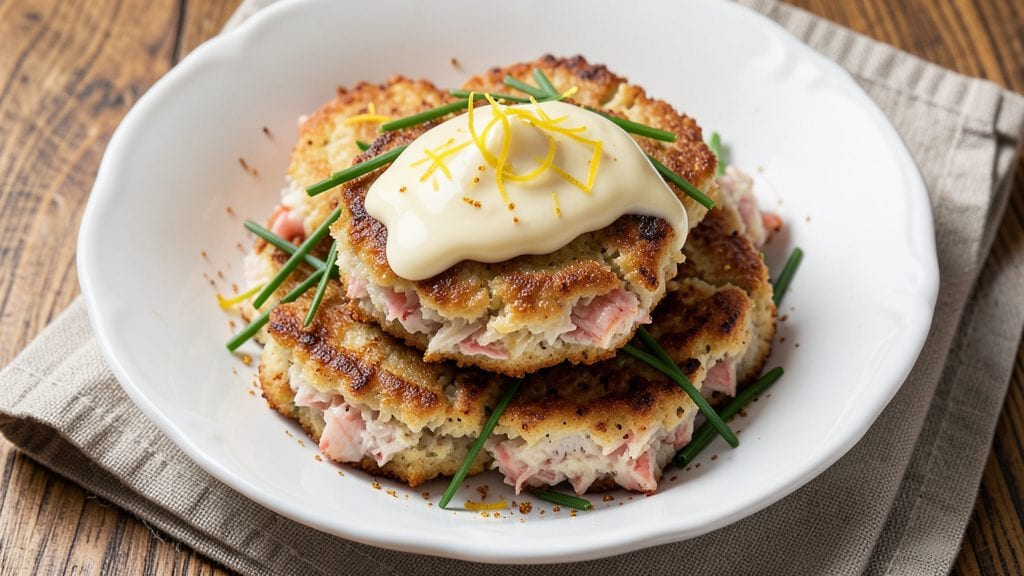
Gordon Ramsay's crab cakes recipe delivers the buttery crispy edges and fluffy centers that make these appetizers legendary. I've tested this method countless times—starting with fresh lump crab meat is non-negotiable for that signature texture.
The secret lies in balancing Old Bay seasoning with lemon zest and herbs, creating a flavor profile that's both bold and refined.
This recipe transforms simple ingredients into restaurant-quality bites through precise technique. You'll need about 20 minutes of active prep followed by careful pan-searing—no overmixing allowed, or you'll end up with dense, flavorless cakes.
The key is using a non-stick pan and maintaining medium heat to achieve that perfect golden-brown crust while keeping the interior tender.
By the time you plate these with fresh chives and a lemon wedge, you'll have crab cakes that rival any seafood restaurant. The crispy exterior gives way to succulent crab meat with just the right amount of moisture, and the bright, herby seasoning cuts through the richness.
Serve with tartar sauce or cocktail sauce for the full experience.
Perfect for entertaining or weeknight dinners, these crab cakes prove that professional-level results are within reach. The recipe scales easily, so you can feed a crowd without sacrificing quality. Let's get started on making these crispy, flavorful bites that'll impress everyone at the table.
Ingredients for gordon ramsay crab cake
Fresh lump crab meat and Old Bay seasoning form the heart of these legendary crab cakes.
| Ingredient | Amount | Notes |
|---|---|---|
| Fresh Lump Crab Meat 🦀 | 1 ½ lb | Backfin preferred for texture |
| Unsalted Butter 🧈 | ½ cup | Cold, cubed for crispiness |
| Mayonnaise 🥛 | ¼ cup | Duck brand preferred |
| Old Bay Seasoning 🧂 | 2 tbsp | Freshly ground preferred |
| Fresh Lemon Zest 🍋 | 1 tbsp | From organic lemons |
| Fresh Chives 🌿 | ¼ cup | Finely chopped for garnish |
| Fresh Parsley 🌿 | ⅛ cup | Flat-leaf, finely chopped |
| Large Eggs 🥚 | 2 whole | Cold for binding |
| Panko Breadcrumbs 🍞 | ½ cup | Light, for extra crunch |
| Diamond Crystal Kosher Salt 🧂 | ½ tsp | For seasoning |
| Freshly Ground Black Pepper 🌶️ | ¼ tsp | Cracked peppercorns |
| Extra-Virgin Olive Oil 🫒 | 2 tbsp | For pan-searing |
| Lemon Wedges 🍋 | 4 whole | For serving |
The crab meat is non-negotiable—fresh lump crab from a trusted seafood purveyor like Whole Foods or Trader Joe's delivers the best texture. Look for backfin crab specifically, as it holds its shape better when cooked. If you're buying frozen, thaw it overnight in the fridge—never microwave, or the meat will turn rubbery. The Old Bay seasoning should be freshly ground for maximum flavor impact; pre-ground versions lose potency quickly. For the butter, European-style unsalted like Plugrá or Kerrygold adds a richer flavor than standard American brands. The mayonnaise should be full-fat—Duck brand is ideal for its smooth texture and neutral taste.
No Old Bay? A mix of celery salt, paprika, and black pepper can approximate its flavor profile, though it won’t be identical. Substituting fresh herbs? Dried chives or parsley at one-third the amount work in a pinch, but fresh is always superior. For the breadcrumbs, panko is essential—its light, airy texture creates the perfect crispy crust. If you can’t find it, toast regular breadcrumbs in a dry pan for a minute to crisp them up. The lemon zest should be freshly grated—bottled zest lacks the bright, aromatic punch. For the olive oil, avoid heavily flavored varieties like fruity Italian oils; a mild Spanish or Greek olive oil works best for pan-searing without overpowering the crab.
Store the crab meat in an airtight container with a paper towel pressed against it to absorb moisture—keeps fresh for up to 2 days in the fridge. The prepared crab cake mixture can be shaped and chilled for up to 4 hours before cooking, but don’t overmix or the cakes will become dense. Once cooked, these crab cakes reheat beautifully—warm in a skillet over medium heat for 2-3 minutes per side to restore crispiness. For make-ahead entertaining, assemble the cakes, refrigerate, and cook just before serving. The lemon wedges should be squeezed fresh at the table to maximize their bright, citrusy aroma.
Why You'll Love This Recipe
- I’ll be real: I never have leftovers of these. But if you do? They reheat beautifully in a skillet with a splash of water to keep them moist. The texture stays intact, and the flavors only get richer. And if you’re feeling fancy, turn them into a crab cake salad or wrap them in bacon for an unexpected twist. Trust me, these cakes are that good.
- No-Fuss Assembly: I’ll admit, I used to stress over crab cakes—messy, sticky, and always threatening to fall apart. But this version? I mix everything in the bowl, fold gently, and boom—done. The cold eggs and butter bind the crab meat without fuss, and the panko breadcrumbs absorb any extra moisture so you’re not left with a soggy disaster. Honestly, the hardest part is just not overmixing.
- Buttery, Crispy, Addictive: That first bite? The crispy, golden edge from the cold olive oil sear, followed by the creamy, buttery center—it’s a texture party. The Old Bay and lemon zest give it a bright, briny kick that makes the sweet crab pop even more. I swear, once you taste it, you’ll crave it like it’s your new favorite comfort food. (Yes, even on a Tuesday night.)
- Host’s Secret Weapon: These crab cakes are the ultimate crowd-pleaser. Serve them at a summer BBQ, a casual dinner party, or even as a fancy-ish lunch for clients. They’re impressive enough to feel special but simple enough that you won’t stress over the prep. Plus, the lemon wedges on the side make them feel extra elegant without any extra effort. My friends always ask for the recipe after one bite.
Step-by-step instructions for gordon Ramsay's crab cakes
Mastering these crab cakes delivers buttery crispy edges and tender centers—here's how to execute it precisely.
Prepare the Crab Meat Mixture
In a large mixing bowl, combine the 1½ lb fresh lump crab meat with the ½ cup unsalted butter, ¼ cup mayonnaise, 2 tbsp Old Bay seasoning, 1 tbsp fresh lemon zest, ½ tsp Diamond Crystal kosher salt, and ¼ tsp freshly ground black pepper. Use your hands to gently fold everything together until fully incorporated.
The crab meat should be cold when you begin—this prevents the butter from melting prematurely. You'll notice the mixture become slightly sticky as the butter and mayo bind with the crab. Avoid overworking the mixture, as this can break down the delicate crab texture. The goal is to create a cohesive, moldable mass that holds its shape when formed into cakes.
Incorporate Eggs and Herbs
Add the 2 large eggs to the crab mixture and fold them in gently with a rubber spatula. The eggs act as a binder, helping the crab cakes maintain their structure during cooking. Next, stir in the ¼ cup finely chopped fresh chives and ⅛ cup finely chopped fresh parsley, distributing them evenly throughout the mixture.
At this stage, the mixture should be thick but still pliable. If it feels too wet, you can add an additional ½ cup panko breadcrumbs to help absorb excess moisture. The herbs should be finely chopped to ensure they're evenly distributed—no large chunks should remain. This step is where the flavors begin to meld, so take your time to ensure everything is thoroughly combined.
Form and Chill the Crab Cakes
Using a lightly oiled measuring cup or your hands, portion the crab mixture into 4 equal-sized cakes, each about 1 inch thick. Place them on a parchment-lined plate and smooth the tops with your fingers to create even surfaces. This uniformity ensures even cooking and presentation.
Cover the crab cakes with plastic wrap and refrigerate for at least 30 minutes, or up to 2 hours. Chilling is crucial—it allows the mixture to firm up, making it easier to handle when you're ready to cook. The cold temperature also helps the cakes hold their shape in the pan, preventing them from falling apart. This step is often overlooked, but it makes all the difference in achieving that perfect texture.
Pan-Fry to Golden Perfection
Heat 2 tablespoons extra-virgin olive oil in a large skillet over medium heat until shimmering but not smoking. Add the chilled crab cakes and cook undisturbed for 3-4 minutes per side, until they develop a deep golden-brown crust. Press down gently on each cake during the first minute to ensure even contact with the pan—this prevents curling and guarantees crispiness.
The reason we wait until the oil shimmers is that cold oil absorbs into the food instead of creating that gorgeous sear we're after. You'll know they're ready to flip when the edges are golden brown and the bottom releases easily from the pan. Avoid moving them around too much while cooking—this helps build that crispy crust. The internal temperature should reach 145°F when done, but don't rely solely on the thermometer; the visual cues are more reliable for this recipe.
Serve with Lemon and Garnish
Transfer the crispy crab cakes to a wire rack and let them rest for 5 minutes to allow any residual juices to redistribute. This resting period also helps maintain their shape. While they rest, garnish each cake with an additional sprinkle of fresh parsley and chives for a pop of color and freshness.
Serve immediately with the 4 lemon wedges on the side. The bright acidity of the lemon cuts through the richness of the butter and crab, balancing the flavors perfectly. These crab cakes should have a crispy, buttery exterior that gives way to a tender, fluffy interior with bursts of sweet crab in every bite. The lemon zest you incorporated earlier adds a subtle brightness that ties everything together.
Pro Tips For Making Gordon Ramsay Crab Cake
- Cube the Butter: I used to melt the butter right into the crab mix, and the cakes turned greasy instead of crispy. Cold, cubed butter keeps its shape until it hits the pan—those little butter pockets sizzle into golden pockets of flavor. No need to pre-chill the cubes; just grab them straight from the fridge and toss them in.
- Press, Don’t Poke: When searing, press down gently on each cake with a spatula for the first 30 seconds—this flattens any air pockets and ensures contact with the pan. I learned this the hard way when my cakes curled into sad little boats. Keep the pressure steady but don’t mash; you’re not making pancakes.
- Chill or Cry: Skipping the 30-minute fridge rest is tempting, but the mixture will ooze like wet sand when you try to flip it. If you’re in a rush, pop the formed cakes in the freezer for 15 minutes instead—same effect, no waiting. Just don’t overdo it, or you’ll have to pry them off the tray with a butter knife.
- Herb Hack: Chop the chives and parsley before mixing everything—it’s easier than trying to fold in fresh herbs later. Pulse them in a food processor for 2 seconds, then stir. The tiny, even pieces distribute like magic, and you won’t end up with a herb-heavy bite here and there. (Yes, even if you’re impatient like me.)
Serving suggestions for this recipe
Plating Like a Pro
I always plate these crab cakes on a chilled slate board or white ceramic plate—it makes the golden-brown crust pop against the cool surface. Arrange each cake slightly off-center for an elegant, restaurant-worthy look.
A drizzle of Duck brand mayonnaise along the edge adds a professional finish, while a few extra chive sprigs create texture contrast.
Sauce Pairing Perfection
Tartar sauce is classic, but I prefer a spicy remoulade with 1 tsp sriracha and 1 tbsp capers mixed into the mayo. For seafood lovers, a lemon-garlic aioli (blend 2 tbsp mayo with 1 minced garlic clove and 1 tbsp lemon juice) elevates the dish.
Serve sauces on the side so guests can customize their bites.
Side Dish Complements
A crisp arugula salad with 1 tbsp lemon vinaigrette (mix 2 tbsp olive oil with 1 tbsp lemon juice and 1 tsp honey) cuts through the richness. I also love pairing with roasted asparagus tossed in olive oil and salt—just 10 minutes at 400°F until tender.
The bright greens and charred veggies balance the buttery crab perfectly.
Beverage Matching
A crisp New England-style lager like Samoas cleanses the palate between bites, while a dry Riesling from Germany complements the seafood with its citrus notes. For something bold, try a chilled rosé with 10% alcohol—it pairs beautifully with the Old Bay seasoning.
Avoid heavy reds that overpower the delicate flavors.
Make-Ahead Presentation
For parties, assemble the crab cakes but refrigerate them uncovered on a wire rack for 30 minutes before cooking. This prevents sogginess. Serve with mini lemon wedges on toothpicks for easy access.
I like to warm the cakes in a 200°F oven for 5 minutes before plating to revive the crispiness—just long enough to crisp up the edges without drying them out. 🍋
Nutrition facts
Frequently asked questions
Why does the recipe call for cold crab meat and butter?
Cold ingredients are essential for texture control. The cold crab meat prevents premature melting of the butter, while the cold butter creates those coveted buttery crispy edges when seared. This technique ensures the crab cakes maintain their structure during cooking rather than becoming dense or greasy. The chilled mixture also holds its shape better when forming the cakes.
Can I substitute fresh herbs with dried ones?
You can use dried herbs, but reduce the amount to one-third of the fresh quantity. For example, use 1 tablespoon dried chives instead of 0.25 cup fresh. Dried herbs lose potency quickly, so freshly ground Old Bay seasoning is still preferred for maximum flavor. The texture contrast will be slightly less pronounced with dried herbs.
What if my crab cake mixture is too wet?
Add 2 tablespoons of panko breadcrumbs at a time until the mixture holds together when pressed. The goal is a thick, pliable consistency that can be shaped without sticking to your hands. Overworking the mixture will make it tough, so handle it gently while adding the breadcrumbs. This adjustment ensures your cakes have the right balance of moisture and structure.
How do I prevent my crab cakes from falling apart when cooking?
Chilling the cakes for at least 30 minutes before cooking is critical—the cold helps them maintain their shape. Also, press gently on each cake during the first minute of cooking to ensure even contact with the pan. Avoid flipping too early; wait until the edges are golden brown and the bottom releases easily. This patience prevents the cakes from crumbling during searing.