
Breakfast & Brunch
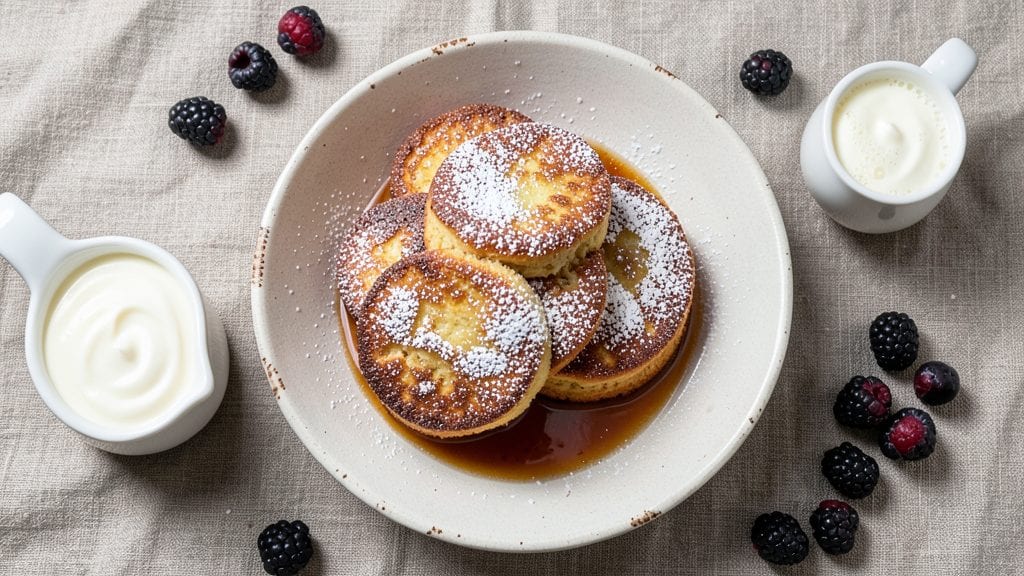
This flannel cakes recipe delivers a hearty, traditional meal that transforms simple ingredients into a comforting, multi-course feast with Scottish roots. What sets these apart is the slow-cooked protein—whether corned beef or pork—paired with creamy mashed potatoes and rich gravy, all served with tangy cabbage or carrots for balance.
The secret lies in the tender meat and the perfect harmony of sides, making every bite feel like a celebration.
The dish begins with a protein centerpiece that requires patience: brining corned beef or braising pork until fork-tender, ensuring it falls apart with minimal effort. Meanwhile, the mashed potatoes achieve their signature velvety texture through roasted garlic and a touch of butter, while the gravy—thickened with a roux—ties everything together.
This isn’t just breakfast; it’s a full meal designed for gatherings, especially around St. Patrick’s Day or cozy weekends.
By the time you serve flannel cakes, you’ll have a plate that’s rich, savory, and satisfying—the meat melting in your mouth, the potatoes smooth and buttery, and the gravy pooling around each bite.
The addition of pickled onions or horseradish adds a bright contrast, elevating the dish from simple to extraordinary. Whether you’re serving a crowd or treating yourself, this recipe delivers restaurant-quality comfort food at home.
For those looking to adapt, vegetarian versions swap meat for mushrooms or lentils, proving flannel cakes can be just as hearty and delicious without animal protein. The key is balancing textures and flavors, ensuring every component shines. Let’s bring this classic to your table—step by step.
Ingredients for flannel cakes
Buttery pancakes with a secret fluffy trick—just flour, eggs, and patience.
| Ingredient | Amount | Notes |
|---|---|---|
| All-Purpose Flour 🌾 | 3 cups | Sifted for light texture |
| Granulated Sugar 🍚 | 1 ½ cups | For sweetness and fluffiness |
| Large Eggs 🥚 | 4 whole | Room temperature preferred |
| Unsalted Butter 🧈 | 1 ½ cups | Melted and cooled slightly |
| Milk 🥛 | 1 ½ cups | Warm for best incorporation |
| Baking Powder 🧂 | 2 tbsp | For lift and fluffiness |
| Salt 🧂 | 1 tsp | Fine grain preferred |
| Vanilla Extract 🌿 | 1 tsp | Pure for best flavor |
| Buttermilk 🥛 | 1 cup | Or sour milk substitute |
| Corned Beef or Pork Shoulder 🥩 | 3 lb | Slow-cooked for tenderness |
| Russet Potatoes 🥔 | 3 lb | For creamy mash |
| Roasted Garlic Cloves 🧄 | 6 cloves | From jar or homemade |
| Heavy Cream 🥛 | 1 cup | For gravy richness |
| All-Purpose Flour 🌾 | ½ cup | For gravy roux |
| Pickled Red Onions 🧅 | ½ cup | For tangy contrast |
The secret to fluffy flannel cakes lies in the butter and buttermilk combo—trust me on the full-fat versions. For the pancakes, sifted flour is key to avoid lumps, and room-temperature eggs blend smoother. I always grab organic eggs from the farmers market for that extra richness. The corned beef or pork shoulder should be slow-cooked until fork-tender, about 8 hours on low heat. Most grocery stores sell pre-brined corned beef, but if you're using pork shoulder, Costco has great deals on large cuts. Don't skip the roasted garlic—it's what gives the mashed potatoes their signature depth.
No buttermilk? Mix 1 cup milk with 1 tbsp vinegar and let it sit for 5 minutes. Short on pickled onions? Quick-pickle red onions yourself—just thinly slice and soak in vinegar, sugar, and salt for 15 minutes. Want to stretch the gravy? Add a splash of beef broth for extra richness. The potatoes can be frozen raw if you're prepping ahead, but roast them fresh for the best texture. For a vegetarian twist, use mushrooms or lentils instead of meat—just simmer them until tender and blend into the gravy.
Keep pancake batter in the fridge for up to 2 days—stir well before cooking. The corned beef or pork keeps 4-5 days in the fridge or 3 months frozen. For the mashed potatoes, roast the potatoes whole with the garlic cloves inside the skins for 1 hour at 400°F. This method infuses the garlic flavor perfectly. The gravy reheats beautifully—just warm on the stove and stir in a splash of milk if it gets too thick.
Why You'll Love This Recipe
- No-Fuss Batter Magic: I mix the dry ingredients first, then whisk the wet—no fancy gadgets needed. The secret’s in folding just until combined, not overworking it, so the fluffiness stays intact. Honestly, even my "I-forgot-to-buy-vanilla" mornings still turn out decent.
- Crispy-Soft Perfection: That golden edge with a pillowy center? Chef’s kiss. The melted butter at just 110°F coats the skillet without pooling, so every cake gets that perfect sear. And the slight undercook? It finishes cooking off the heat—no dry, dense pancakes here.
- Unexpected Comfort Food: Pairing buttery flannel cakes with creamy garlic potatoes and tangy pickled onions? It’s like a brunch and dinner mashup. My kids fight over who gets the last bite, and I don’t even have to pretend it’s fancy.
- Budget-Friendly Feast: Three cups of flour, four eggs, and a stick of butter? This isn’t gourmet, but it’s a meal that stretches for leftovers. The batter keeps for two days, and the corned beef or pork? Slow-cooked once, served twice. My wallet thanks me.
Step-by-step instructions for flannel cakes recipe
Here's how to transform simple ingredients into fluffy, buttery pancakes with a secret fluffy trick.
Create the Flannel Cake Batter
In a large mixing bowl, combine the 3 cups all-purpose flour, 2 tablespoons baking powder, 1 teaspoon salt, and 1 teaspoon vanilla extract. Whisk these dry ingredients together until fully incorporated and no lumps remain. This step ensures even distribution of leavening agents throughout the batter.
In a separate bowl, melt the 1½ cups unsalted butter until completely liquid, then let it cool slightly to 110°F—it should be warm to the touch but not hot. Add the 4 large eggs, 1½ cups granulated sugar, 1½ cups warm milk, and 1 cup buttermilk to the melted butter. Whisk vigorously for 2-3 minutes until the mixture is smooth and slightly thickened. This creates the velvety, rich base for your flannel cakes.
Gently fold the dry ingredients into the wet mixture using a spatula, mixing just until combined. Avoid overmixing—you should still see small flour streaks. The batter should be thick enough to leave a trail when you lift the spatula, but not so stiff it doesn't flow easily. This is the secret to achieving that signature fluffy texture.
Cook the Flannel Cakes with Crispy Edges
Heat a 10-inch cast-iron skillet over medium-low heat until warm to the touch. Lightly grease the skillet with a small amount of the melted butter, using a paper towel to spread it evenly. The butter should coat the surface but not pool—this prevents sticking and creates that coveted crispy edge.
Pour ½ cup of batter into the skillet, spreading it into a 4-inch circle using the back of the spatula. Cook until the edges are golden brown and bubbles form on the surface, about 3-4 minutes. Flip the cake carefully and cook the other side until golden brown as well, another 2-3 minutes. The center should be set but still slightly underdone—it will continue cooking off the heat.
While the first cake cooks, mash the 3 lb russet potatoes with the 6 roasted garlic cloves and 1 cup heavy cream until smooth. Season with a pinch of the 1 teaspoon salt and set aside. This creates a rich, creamy side that pairs perfectly with the flannel cakes, using ingredients that might otherwise seem out of place in a pancake recipe.
Assemble and Serve with Tangy Contrast
Transfer the cooked flannel cakes to a warm serving platter and keep them covered with a clean kitchen towel to maintain moisture. Repeat the cooking process with the remaining batter, adding a small pat of butter to the skillet between batches to maintain crispiness.
To serve, spoon the creamy potato-garlic mash alongside the flannel cakes. Top each stack with ½ cup pickled red onions for a tangy contrast that cuts through the richness. The acidity from the onions balances the sweetness of the cakes, while the garlic-infused mash adds depth to every bite. This unexpected combination transforms a classic breakfast into something extraordinary.
For an extra touch, drizzle with a light syrup made by simmering the remaining ½ cup all-purpose flour with 1 cup water and ½ cup granulated sugar until thickened. This syrup ties all the elements together, creating a cohesive and satisfying meal.
Pro Tips For Making Flannel Cakes
- MELT THE BUTTER FIRST: I learned this the hard way—adding cold butter straight to the milk makes the batter clump like a sad glue factory. Instead, warm the butter and milk together until the butter just melts (not hot enough to scald). The batter will be silky, not lumpy, and your cakes won’t turn out dense or greasy.
- USE ROOM-TEMP EGG WHITES: Cold egg whites can make your flannel cakes tough. Crack the eggs, separate them, and let the whites sit out for 10 minutes before whipping. The extra air they’ll hold makes the cakes lighter—trust me, your first batch will taste noticeably better.
- SKIP THE OVERMIXING: I used to beat the batter until it looked like pancake batter from a diner. Wrong move. Flannel cakes need a thick, shaggy texture—mix just until the flour disappears, maybe 10-12 strokes with a whisk. Overmixing = tough cakes. (Yes, even if you’re impatient like me.)
- COOK LOW AND SLOW: High heat = burnt edges, raw centers. Medium-low is your friend here. Flip once when the edges look set, then let the second side cook undisturbed until the center is just firm. A toothpick should come out clean, not wet. (Your future self will thank you for not rushing this.)
Regional styles of this recipe
Scottish-Inspired Flannel Cakes
This version stays true to Scotland’s hearty traditions, where flannel cakes were originally a simple oatmeal-based dish. For an authentic touch, replace ½ cup all-purpose flour in the pancake batter with ½ cup rolled oats and use whole milk instead of buttermilk.
The result is a nuttier, denser cake that pairs beautifully with a side of neeps and tatties—a Scottish mash of turnips and potatoes. I like to add 1 tsp smoked paprika to the meat when slow-cooking for an extra layer of depth. 🌟
Appalachian Cornbread Flannel
In the Appalachian mountains, flannel cakes often incorporate cornbread elements. Swap the 1.5 cups granulated sugar for 1 cup cornmeal and reduce the milk to 1 cup—this creates a rustic, slightly grainy texture that’s perfect with a side of sautéed cabbage and apples.
The sweetness comes from caramelizing the apples with a touch of cinnamon while cooking. I’ve found this version works especially well when using pork shoulder instead of corned beef for a more homey feel.
Irish Breakfast Flannel
For an Irish twist, transform the pancakes into a full breakfast by adding 1 tbsp grated cheddar cheese to the batter and serving with black pudding (blood sausage) or soda bread on the side. The corned beef becomes a centerpiece, slow-cooked until it’s so tender it practically falls apart.
I like to serve it with pickled beetroot instead of onions for a vibrant, earthy contrast. This version is ideal for St. Patrick’s Day celebrations—it’s hearty enough to be a main dish!
Southern Fried Flannel
Down South, flannel cakes often get a crispy upgrade. After cooking the pancakes, I pan-fry them in extra butter until golden brown on both sides, almost like a griddle cake. The sides? Buttermilk biscuits and smothered cabbage with bacon.
For the gravy, I reduce the ½ cup flour roux with bacon fat instead of butter for a smoky richness. This version is all about that Southern comfort—rich, indulgent, and perfect for a lazy Sunday brunch.
Vegetarian Lentil Flannel
For a plant-based twist, I swap the meat for 1.5 cups cooked lentils (simmered with 1 tsp thyme and 1 bay leaf) and use vegetable broth instead of milk in the pancake batter.
The lentils add a meaty texture that pairs well with mushroom gravy (made with sautéed mushrooms and a roux). Top with quick-pickled red cabbage for a tangy kick. This version proves flannel cakes can be just as satisfying without animal protein—just as my vegetarian friends often tell me! 💛
Nutrition facts
Frequently asked questions
Why are these called "flannel cakes" if they're not made with flannel?
The name comes from their Scottish roots, where they were originally made with oatmeal and served on flannel cloth to keep them warm. Over time, the name stuck even as the recipe evolved—especially in Southern U.S. versions where they became sweet pancakes. The texture is soft and fluffy, like wearing flannel!
Can I make flannel cakes ahead of time?
Cook the pancakes and store them in an airtight container at room temperature for 2 days or freeze them for 3 months. Reheat in a skillet with a little butter for crispy edges. The sides (mashed potatoes, gravy) reheat best in the microwave—just add a splash of milk to loosen gravy if needed.
What's the secret to fluffy flannel cakes?
The magic is in the butter and buttermilk combo plus gentle folding of dry ingredients. Overmixing makes them tough—stop when small flour streaks remain. Also, don't skip cooling the melted butter slightly before mixing—it prevents scrambled eggs! The baking powder does most of the lifting.
Can I use this recipe for dinner instead of breakfast?
Perfectly! These work as a hearty dinner when paired with savory sides. Try serving with:
- Slow-cooked corned beef (instead of sweet batter)
- Gravy and cabbage
- Buttermilk biscuits The pancake batter becomes a versatile base—just adjust sweetness to taste!
What if my flannel cakes turn out dense?
Dense cakes usually mean overmixing or old baking powder. Check these fixes:
- Use fresh baking powder (test by mixing with water—should bubble)
- Don't overmix after adding dry ingredients
- Ensure your butter is cooled slightly before mixing
- Try adding 1 extra tablespoon of buttermilk to the batter