
Breakfast & Brunch
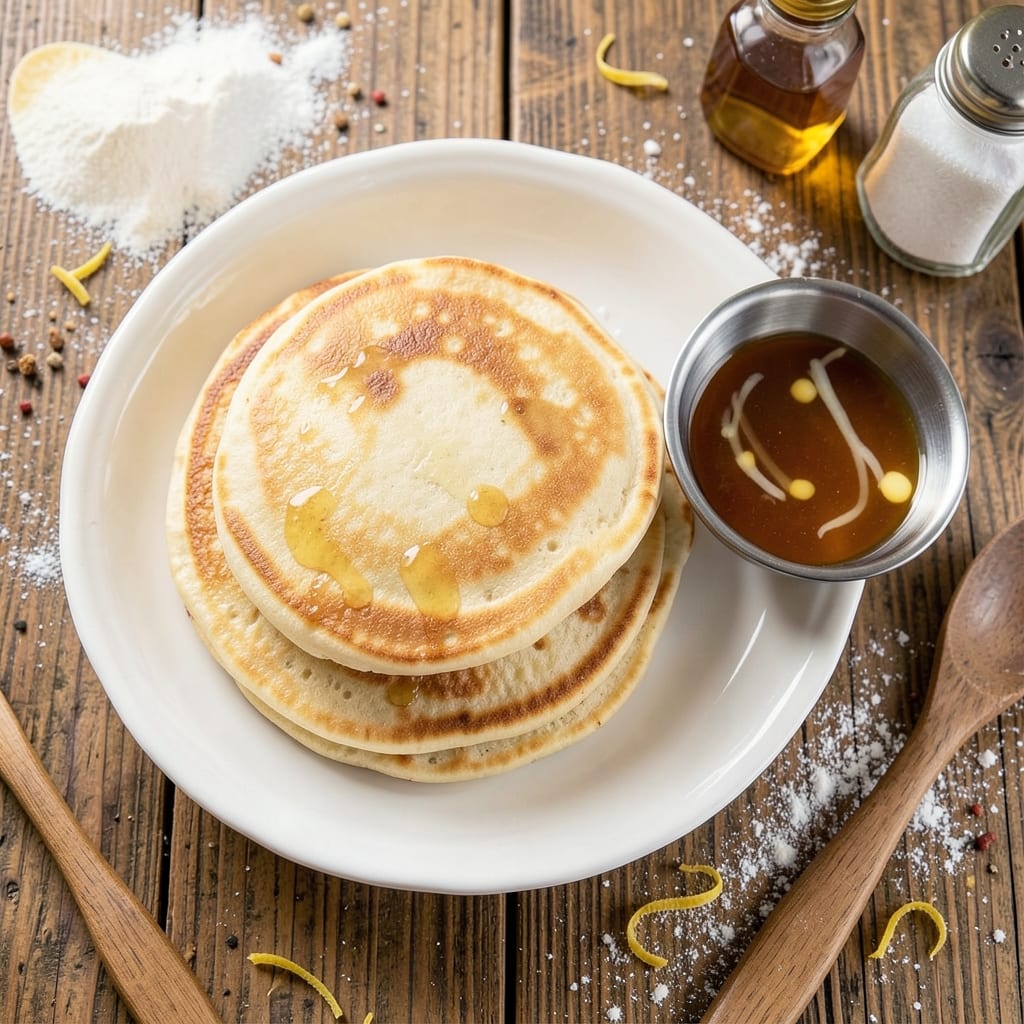
This 3 egg pancake recipe delivers the fluffiest, most stable pancakes you'll ever make—thanks to the perfect egg-to-flour ratio that creates cloud-like texture while preventing tears. The extra egg binds the batter into a cohesive, high-stacking structure that holds up to syrup without collapsing, a game-changer for tall stacks and family breakfasts.
The secret lies in the science: three eggs create a protein-rich structure that traps air bubbles during cooking, while the precise flour-to-liquid ratio ensures tender yet sturdy pancakes. You'll work with simple pantry staples—all-purpose flour, baking powder, milk, and a touch of vanilla—but the technique transforms them into restaurant-quality breakfast clouds.
What you'll achieve is a batch of golden-brown pancakes with crisp edges and a velvety interior that stays fluffy even after stacking. The batter's stability means no more runny pancakes or awkward flips—just perfect, uniform disks that cook evenly every time. This is the kind of breakfast that makes weekend mornings feel special without requiring fancy ingredients.
Serve with warm maple syrup, fresh berries, or whipped cream for a classic brunch, or experiment with savory variations like cheddar and chive pancakes. The recipe scales perfectly for crowds, and leftovers reheat beautifully. Let's get started on your new favorite breakfast staple.
Ingredients for 3 egg pancake
Simple staples transformed into restaurant-worthy pancakes—just 10 ingredients, no shortcuts.
| Ingredient | Amount | Notes |
|---|---|---|
| Large Eggs 🥚 | 3 whole | Room temperature for even mixing |
| All-Purpose Flour 🌾 | 1 ½ cups | Sifted for light, airy texture |
| Baking Powder 🍞 | 1 tbsp | Aluminum-free preferred |
| Granulated Sugar 🍚 | ¼ cup | Or light brown sugar |
| Salt 🧂 | ½ tsp | Fine sea salt preferred |
| Pure Vanilla Extract 🌸 | 1 tsp | High-quality, not imitation |
| Whole Milk 🥛 | 1 ½ cups | Room temperature for smooth batter |
| Unsalted Butter 🧈 | ¼ cup | Cold, cubed for crisp edges |
| Fresh Blueberries 🫐 | ½ cup | Optional, for folding in |
| Pure Maple Syrup 🍁 | ¼ cup | For serving, Grade A preferred |
The eggs are non-negotiable here—room temperature is key for even mixing, so take them out 15 minutes before starting. For flour, King Arthur or Bob's Red Mill brands are my go-to—they're sifted and consistent. The baking powder? Aluminum-free is crucial for tender pancakes, not bitter ones. Blueberries add a pop of color, but fresh or frozen work equally well—just fold them in gently at the end so they don't break. The vanilla extract should be pure; Nestlé or McCormick are reliable brands, but any high-quality extract does the trick.
No baking powder? Baking soda plus cream of tartar (1/4 tsp each) works in a pinch, but the texture won't be quite as stable. Swapping milk? Almond milk or oat milk thins the batter slightly, so add 1 extra tbsp flour if needed. The butter matters for crisp edges—European-style butter like Plugrá has more fat, which gives better browning. For sugar, light brown sugar adds subtle molasses notes, but granulated keeps it classic. And if you're feeling fancy, lemon zest in the batter brightens the whole dish—trust me, it's worth the extra minute.
Batter keeps for 24 hours in the fridge, covered tightly. For longer storage, freeze portions in ice cube trays—thaw overnight in the fridge before cooking. The pancakes reheat beautifully in a toaster or skillet, though they won't be quite as fluffy. I like to make a double batch on Sundays—one for breakfast, one for pancake sandwiches later in the week. The syrup? Grade A maple has a lighter flavor that won't overpower the delicate pancakes, but any good-quality syrup works.
Why You'll Love This Recipe
- No-Fuss Batter: I swear by this mix—just crack, whisk, fold. Three eggs give it that sturdy structure without flipping drama, and the baking powder does all the rising work while I sip my coffee.
- Golden Crisp Edge: That sugar caramelizes on the outside while the inside stays tender—like a hug from a breakfast food. Honestly, the first time I bit into one still warm, I nearly dropped the spatula.
- Weeknight Crowd Pleaser: Breakfast for dinner? Brunch with friends? This feeds four without fuss, and the leftovers reheat like a dream (toast them until crispy again). My roommates still ask for seconds even when I make oatmeal.
- Pantry Staple Magic: Five ingredients, zero specialty trips. The eggs add richness, the flour handles the texture, and the sugar keeps it from tasting like cardboard. Between us, this is my go-to when I’ve got nothing but basics—and it never lets me down.
Step-by-step instructions for fluffy cloud pancakes
Here's how to make pancakes that stack like clouds and taste like buttery heaven.
Whisk Wet Ingredients for Perfect Texture
In a large mixing bowl, combine the 3 whole Large Eggs with the 1.5 cups Whole Milk and 1 tsp Pure Vanilla Extract. Whisk vigorously for 30 seconds until fully blended. The mixture should be smooth with no streaks of egg whites.
Next, add the 0.25 cup Unsalted Butter cut into small cubes. Let the butter melt slightly into the milk mixture, but don't overheat it—you want the butter to remain cold enough to create those signature crisp edges later. This is where the magic happens for that buttery flavor and tender crumb.
Real talk: If your butter is too warm, the pancakes will spread too much. Test by rubbing a bit between your fingers—it should feel cool but not icy. This step sets the foundation for fluffy, stackable pancakes that won't fall apart.
Combine Dry Ingredients for Lightness
In a separate medium bowl, sift together the 1.5 cups All-Purpose Flour, 1 tbsp Baking Powder, 0.25 cup Granulated Sugar, and 0.5 tsp Salt. Use a whisk to break up any lumps in the flour—this ensures your pancakes will be light and airy, not dense.
I like to give the dry ingredients a quick stir with a fork first to distribute the baking powder evenly. Then sift again if needed. The baking powder is what makes these pancakes rise properly, so don't skip this step. Think of it like giving your pancakes their secret weapon for that cloud-like texture.
Pro tip: If you're using light brown sugar instead of granulated, you might want to add an extra 1/8 tsp of salt to balance the molasses flavor. But with granulated sugar, we're keeping it simple and sweet.
Gently Fold Wet and Dry for Fluffy Layers
With the dry ingredients in their bowl, create a well in the center. Slowly pour in the wet egg mixture while gently folding with a spatula. The goal is to maintain as much air as possible—don't overmix or you'll develop gluten and end up with tough pancakes.
Once combined, fold in the 0.5 cup Fresh Blueberries if using. I like to gently press them into the batter so they're evenly distributed throughout. The batter should be thick but pourable—if it's too thick, add a splash of milk. If too thin, a bit more flour.
Let the batter rest for 5 minutes while you heat your pan. This resting time allows the flour to fully hydrate and the baking powder to activate, giving you that perfect rise. Don't skip this—it makes a huge difference in the final texture.
Cook on Medium Heat for Golden Perfection
Heat a non-stick skillet or griddle over medium heat (around 350°F). Lightly grease with a bit of butter or oil—just enough to prevent sticking, but not so much that it makes your pancakes greasy.
Pour 1/4 cup of batter for each pancake (you should get about 4 pancakes from this recipe). Watch closely as they bubble and set—you'll know they're ready to flip when the edges look set and the top has small bubbles forming.
Flip once and cook for another 1-2 minutes until golden brown on both sides. The key is to keep the heat consistent—if it's too hot, they'll burn before cooking through. If too cool, they'll be dense. You're aiming for that perfect balance of crisp edges and fluffy centers.
Serve Warm with Maple Syrup
Transfer the cooked pancakes to a warm plate and keep them covered to stay soft. Stack them high—these pancakes are designed to stack like clouds! Serve immediately with the 0.25 cup Pure Maple Syrup for that classic breakfast experience.
Here's the thing—these pancakes are best enjoyed fresh off the griddle. The syrup will soak in beautifully, creating that perfect balance of sweetness and buttery richness. And if you have any leftovers? Warm them in a toaster or microwave for 10-15 seconds to restore that perfect texture.
Pro Tips For Making 3 Egg Pancake
- Whisk Eggs First: Crack those eggs into a separate bowl first, then whisk them smooth before adding anything else. I learned this the hard way—adding flour to unwhisked eggs creates lumps that never fully disappear, no matter how much you stir later. A few seconds of prep now saves you from grittiness in every bite.
- Measure Flour Right: Use the spoon-and-level method—don’t scoop straight from the bag. Packed flour makes pancakes dense, and too much dries them out. A light, airy cup of flour (about 4 oz) keeps them fluffy. Yes, it’s a pain, but your pancakes will be worth it.
- Wait for Bubbles: Let the batter rest for 5 minutes after mixing—no, you don’t have to wait forever. This gives the baking powder time to activate fully, so your pancakes rise evenly instead of collapsing in the middle. Trust me, skipping this step is how you end up with pancakes that look like hockey pucks.
- Medium Heat Only: Start with medium heat, not high. High heat burns the outside before the inside cooks, leaving you with crispy edges and raw centers. Adjust as needed—you want bubbles forming steadily on the surface, not a wild, grease-splattering inferno. Patience here means no flipping disasters.
Storing and reheating this dish
Fridge Storage Secrets
Store leftover pancakes in a single layer on a plate, separated by parchment paper to prevent sticking. Once cooled, transfer to an airtight container with a damp paper towel on top—this keeps them moist for up to 4 days. I swear by Glasslock containers for this because they seal tightly and don't absorb odors. The damp towel mimics the steam from cooking, preserving that fluffy texture. 🥞
Freezer Magic
For longer storage, freeze pancakes in a single layer on a baking sheet first—they'll freeze solid and stack nicely. Once frozen, transfer to a freezer bag with parchment between layers. They'll keep for 3 months without drying out. When ready to eat, thaw overnight in the fridge or microwave for 20 seconds to revive that perfect texture. Pro tip: Label your bags with the date so you don't forget!
Reheating Perfection
Toaster method: Pop pancakes in for 1-2 minutes until golden and crisp. For skillet reheating, cook over medium-low heat with a pat of butter for 30 seconds per side—this restores that buttery flavor and crisp edges. Microwave reheating? Cover with a damp paper towel and heat for 10-15 seconds at 50% power. The key is speed—don't overheat or they'll turn gummy. 🔥
Make-Ahead Tips
I like to make a double batch on Sundays—one for breakfast, one for pancake sandwiches later in the week. Store the batter separately in the fridge for 24 hours (cover tightly) and freeze cooked pancakes in portions. When reheating, add a splash of milk to the skillet to keep them moist. The secret to great pancake sandwiches? Use peanut butter and banana or cream cheese and smoked salmon for that gourmet touch!
Syrup Storage
Keep your pure maple syrup in the fridge after opening to maintain its quality. The syrup will thicken slightly when cold, so warm it gently in a small saucepan over low heat for 1-2 minutes before serving. I also like to drizzle warm syrup over pancakes right before eating—it creates this amazing contrast between the warm pancakes and cool syrup. Store-bought syrups with preservatives can last at room temperature, but Grade A maple is best refrigerated. 🍁
Nutrition facts
Frequently asked questions
Why does this recipe use 3 eggs instead of 2?
The extra egg creates a protein-rich structure that binds the batter into stable, stackable pancakes without tearing. It also improves the texture by trapping more air bubbles during cooking, resulting in fluffier clouds that hold their shape even when stacked high. The trade-off is slightly richer flavor, but the structural benefits are worth it!
Can I make these pancakes without baking powder?
You can substitute with 1/4 tsp baking soda + 1/4 tsp cream of tartar, but the texture won't be quite as light. The baking powder in this recipe is essential for that signature fluffy rise—it's what makes these pancakes so cloud-like. If you're out, try whisking the batter vigorously to incorporate more air, but results may be denser.
How do I prevent my pancakes from sticking to the pan?
Use a non-stick skillet and heat it over medium heat (350°F) until hot but not smoking. Lightly grease with butter or oil before pouring batter—just enough to coat the surface. For extra insurance, add a splash of milk to the pan while cooking. The key is patience: wait until bubbles form on top before flipping, and never overcrowd the pan.
Can I make these pancakes gluten-free?
Replace the all-purpose flour with a 1:1 gluten-free baking flour blend like Bob's Red Mill or King Arthur. You may need to add 1 extra tbsp of flour since gluten-free flours absorb more liquid. Also reduce the milk by 2 tbsp to maintain the right consistency. The texture will be slightly denser but still delicious when cooked properly.
What's the best way to make savory pancakes with this recipe?
Swap the sugar for 1 tbsp of garlic powder and add 1 cup shredded cheddar or 1/2 cup chopped chives to the batter. Use olive oil instead of butter for cooking, and season with salt and pepper. Serve with a dollop of sour cream or hot sauce instead of syrup. The same 3-egg structure works perfectly for savory versions!