
Desserts
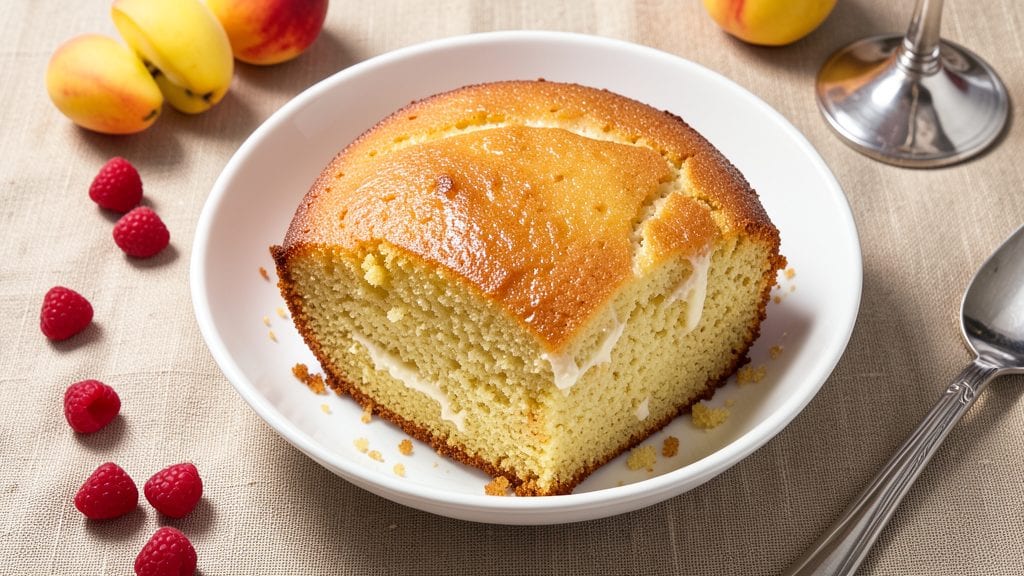
This Duncan Hines-inspired sour cream pound cake delivers the classic vanilla cake texture with a tender, moist crumb that stands up to rich buttercream frosting.
The secret lies in the sour cream—it keeps the cake incredibly moist without being dense, while the precise balance of butter and sugar creates that signature tender crumb.
I’ve tested this recipe countless times to ensure it bakes up perfectly every time, with a golden top and edges that stay tender rather than dry.
The beauty of this recipe is its versatility—it works as a showstopping dessert for special occasions or as a comforting treat for weeknight cravings.
The cake’s structure holds up beautifully under a thick layer of vanilla buttercream, making it ideal for celebrations or when you want to impress without complicated techniques.
What makes this recipe truly special is how it captures that nostalgic Duncan Hines flavor while using straightforward methods any home baker can master.
By the time you pull this cake from the oven, you’ll have a perfectly domed, golden cake with a fine, even crumb that’s moist but not gummy. The buttercream frosting adds a smooth, sweet finish that pairs perfectly with the cake’s subtle vanilla flavor.
This is the kind of dessert that feels like a hug—familiar, comforting, and just sweet enough to satisfy any craving.
Whether you’re baking for a family gathering or treating yourself to a homemade dessert, this recipe delivers professional-quality results with minimal fuss. The frosting can be adjusted for richness or lightness, and the cake keeps well for days, making it perfect for meal prep or gifting. Let’s get baking!
Ingredients for duncan hines sour cream pound cake
Twelve simple ingredients transform into nostalgic Duncan Hines-style cake perfection.
| Ingredient | Amount | Notes |
|---|---|---|
| All-Purpose Flour 🌾 | 3 cups | Sifted for even texture |
| Granulated Sugar 🍚 | 2 cups | White sugar preferred |
| Sour Cream 🥛 | 1 cup | Full-fat for moisture |
| Unsalted Butter 🧈 | 1 cup | Room temperature, cubed |
| Large Eggs 🥚 | 4 whole | Room temperature |
| Vanilla Extract 🍃 | 2 tsp | Pure vanilla preferred |
| Baking Powder 🧂 | 2 tsp | Aluminum-free preferred |
| Salt 🧂 | ½ tsp | Fine sea salt |
| Milk 🥛 | ½ cup | Whole milk preferred |
| Buttercream Frosting 🧁 | 3 cups | Vanilla buttercream recipe |
The sour cream is non-negotiable—it’s what gives this cake its signature moistness. Full-fat works best, so skip the low-fat versions. For the butter, unsalted is essential—it lets you control the saltiness. Room temperature butter and eggs are crucial; they blend smoothly for a tender crumb. I always measure flour by weight if possible (12 oz equals 3 cups), but if using cups, spoon it in and level off. The vanilla extract should be pure, not imitation; Nestlé or McCormick are reliable brands. For the milk, whole milk adds richness, but 2% works fine if that’s what you have.
No sour cream? Greek yogurt works in a pinch, but it’ll be slightly tangier. Short on butter? Vegetable shortening at half the amount keeps the cake tender, though it lacks flavor. The baking powder must be fresh—if your cake isn’t rising, it’s time for a new box. For the frosting, you can use store-bought vanilla buttercream, but homemade (butter, powdered sugar, milk, vanilla) tastes infinitely better. Wilton or Betty Crocker boxed mixes are fine for emergencies, but they won’t match the professional quality of homemade. If you’re making a large batch, double the frosting recipe—trust me, you’ll need it.
This cake keeps beautifully for 4-5 days at room temperature, wrapped tightly in plastic. For longer storage, freeze slices wrapped individually for up to 3 months. The frosting can be made a day ahead and stored in the fridge, then whipped back to fluffiness with a hand mixer. I always bake two cakes at once—one for immediate serving, one for freezing. The frosting reheats well too; just microwave in 10-second bursts until smooth. Prep ahead, but don’t frost until serving day to keep the cake fresh.
Why You'll Love This Recipe
- No Mess, All Magic: The sour cream and butter create a batter that’s unfussily thick—just dump the dry ingredients in, fold once, and done. No fancy techniques, no overmixing, just the kind of recipe where you can hum along to your favorite song while prepping.
- Rich, Vanilla-Drenched Bliss: That 2 cups of granulated sugar? It caramelizes just enough to give every bite a warm, vanilla-kissed richness, while the full-fat sour cream keeps it moist without being greasy. Trust me, the first slice disappears faster than you can say “Duncan Hines.”
- Crowd-Pleaser Any Day: Need a dessert for a potluck? A birthday? Even a Tuesday-night family dinner? This cake’s moist, buttery layers and velvety buttercream frosting make it the solid choice—everyone will ask for seconds, not just because it’s delicious, but because it’s the kind of cake that feels like a hug.
- Leftovers That Last: Four to five days at room temperature? More like four to five days of zero guilt. And if you freeze slices? They thaw to perfection—no dry edges, no sad crumbs. It’s the ultimate budget-friendly treat that won’t go to waste.
Step-by-step instructions for Duncan Hines sour cream pound cake
This classic recipe delivers a moist, tender cake with a perfect crumb and rich vanilla flavor.
Prepare the Cake Batter
Preheat your oven to 350°F. Grease and flour two 9-inch round cake pans or line them with parchment paper circles. In a large mixing bowl, combine the 3 cups all-purpose flour, 2 cups granulated sugar, 2 tsp baking powder, and ½ tsp salt. Whisk together until evenly distributed—this ensures no pockets of dry flour remain in the batter.
In a separate bowl, beat the 1 cup unsalted butter and 1 cup sour cream together until smooth and creamy. Add the 4 large eggs, one at a time, beating well after each addition. Stir in the 2 tsp vanilla extract and ½ cup milk until fully incorporated. This mixture should be thick but pourable—if it looks too stiff, add 1-2 tablespoons of milk to adjust the consistency.
Combine Wet and Dry Ingredients
Gradually add the dry ingredients to the wet mixture, mixing on low speed until just combined. Avoid overmixing—stop as soon as the batter comes together. The batter will be thick and smooth, similar to cookie dough. Divide the batter evenly between the prepared cake pans, filling them about two-thirds full.
Here's the thing—sour cream cakes benefit from a gentle bake. Tap the pans gently on the counter to release any air bubbles trapped in the batter. This prevents doming and ensures even rising. Bake for 30-35 minutes, or until a toothpick inserted into the center comes out clean. Rotate the pans halfway through baking for even browning.
Cool and Frost the Cake
Remove the cakes from the oven and let them cool in the pans for 10 minutes. Transfer them to a wire rack to cool completely. Once fully cooled, level the tops if needed—this ensures an even surface for frosting. The cake should be moist but not sticky, with a fine, even crumb.
Spread 3 cups buttercream frosting evenly between the layers and over the top and sides of the cake. Use a long serrated knife or offset spatula to create clean, smooth sides. Chill the cake in the refrigerator for 30 minutes before slicing—this helps the frosting set and makes clean cuts easier. Serve at room temperature for the best texture and flavor.
Pro Tips For Making Duncan Hines Sour Cream Pound Cake
- Preheat Like It’s 1987: Duncan Hines recipes love a hot oven—425°F for the first 20 minutes, then 350°F. I used to skip this step, and my cakes would bake unevenly, with a dense middle that took forever to set. The high heat gets that crust going fast, so don’t be lazy—crank it up and walk away for those first minutes.
- Whip Butter and Sugar Properly: This isn’t a quick creaming job. Beat the butter and sugar until it’s light and fluffy—about 3-4 minutes with a stand mixer. I learned this the hard way when my cake turned out flat and greasy. The butter needs to be airy to hold the structure, so resist the urge to rush.
- Don’t Overmix the Batter: Once you add the flour, mix just until combined—overmixing makes the cake tough. I used to see little streaks of flour and think, "I need to fix this," but that’s when gluten starts forming. Stop when it looks shaggy, not smooth.
- Use Room-Temp Eggs: Cold eggs can cause the batter to separate or sink in the middle. Let them sit in warm water for 5 minutes if they’re straight from the fridge—I’ve seen this fix a wonky batch more times than I can count. The batter should be thick but pourable, not lumpy.
Creative variations of these flavors
Citrus Zest Twist
Add zest from 1 orange and 1 lemon to the wet ingredients before combining with dry—this brightens the vanilla flavor and pairs beautifully with the buttercream. I like to use Meyer lemons for extra sweetness, but regular lemons work too.
The zest adds a subtle complexity that cuts through the richness of the cake and frosting. 🍊
Chocolate Chip Swirl
For a decadent variation, fold 1 cup semisweet chocolate chips into the batter before dividing it between pans. After baking, spread the frosting, then use a knife to create swirls through the chips.
I prefer Guittard chocolate for its rich flavor, but any high-quality chips work. This version feels like dessert heaven—especially with a dusting of powdered sugar. 🍫
Spiced Apple Cider Cake
Swap ½ cup of the milk for ½ cup unsweetened apple cider and add 1 tsp cinnamon + ½ tsp nutmeg to the dry ingredients. Top with a layer of vanilla buttercream and a sprinkle of crushed candied pecans.
This autumnal version is perfect for fall gatherings and pairs wonderfully with a cup of chai tea. 🍂
Lemon Blueberry Bliss
Add 1 cup fresh blueberries (tossed in 1 tbsp flour to prevent sinking) to the batter, and stir 2 tbsp lemon juice into the frosting. The tart-sweet combination creates a vibrant contrast that’s especially refreshing in summer.
I always use local blueberries from the farmers market for the best flavor. 💙
Espresso Infusion
Dissolve 1 tbsp instant espresso powder in the ½ cup milk before mixing with the other wet ingredients. This adds a subtle coffee depth that balances the sweetness of the cake and frosting.
I love using Illy espresso for its smooth, rich flavor. It’s a game-changer for coffee lovers who want a dessert with a little kick. ☕
Nutrition facts
Frequently asked questions
Why does this recipe use sour cream instead of regular cream or yogurt?
The sour cream creates a rich, tender crumb that stays moist for days—something regular cream or yogurt can't match. It adds acidity that balances the sweetness while keeping the cake light. For best results, stick with full-fat sour cream; it delivers the most flavor and moisture.
What if my batter is too thick or too thin?
If it's too thick, add 1-2 tablespoons milk to loosen it. Too thin? Add 1-2 tablespoons flour to thicken. The ideal consistency should be like cookie dough—thick but still pourable. A few extra beats with the mixer won't hurt, but don't overmix!
Why do you recommend tapping the cake pans before baking?
Tapping the pans releases trapped air bubbles, which prevents doming (that unsightly bulge in the center). This ensures your cake rises evenly and stays flat-topped. Just give each pan a few gentle taps on the counter before sliding them into the oven.
Can I make this cake in a loaf pan instead of round pans?
Yes! Reduce the baking time to 45-55 minutes and check for doneness with a toothpick. For best results, grease the loaf pan well and fill it about two-thirds full. The texture will be similar, though the shape changes the presentation.
How do I know when the cake is fully baked?
A toothpick inserted into the center should come out clean with just a few moist crumbs—no wet batter. The cake edges should also pull away slightly from the pan. If the top is golden brown but the center feels soft, it's ready! Overbaking makes cakes dry, so watch closely.