
Desserts
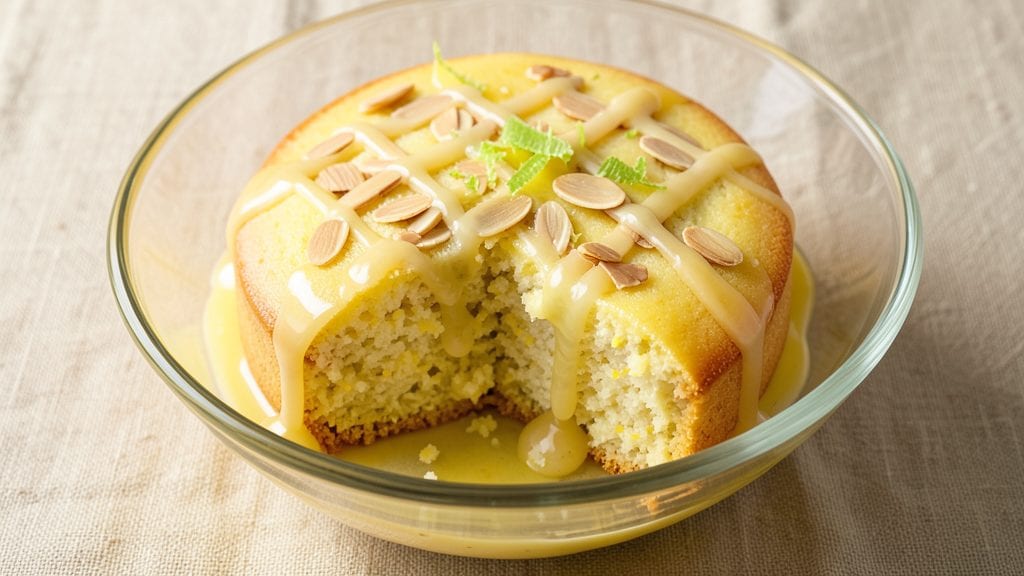
This Duncan Hines lemon pudding pound cake delivers the perfect balance of tender cake and creamy lemon pudding—moist layers that stay fresh for days. I first made this recipe during a summer heatwave when I needed a dessert that wouldn't melt in the oven or wilt by afternoon.
The secret lies in baking the cake layers just until set, then layering them with Duncan Hines Lemon Pudding Mix before chilling. This method ensures every bite has that signature tangy-sweet flavor without drying out.
The cake itself is made with simple pantry staples—flour, sugar, eggs, and butter—but the real magic happens in the pudding layer. Using Duncan Hines mix guarantees that signature creamy texture and bright lemon flavor that cuts through the richness of the cake.
The key is letting the cake cool slightly before adding the pudding mixture, so it doesn't get soggy. This dessert is foolproof for beginners yet impressive enough for guests.
What you end up with is a visually stunning dessert with golden cake layers and vibrant lemon pudding peeking through. The contrast of the tender cake and velvety pudding creates a texture that's simply irresistible.
Each slice delivers that perfect balance of sweetness and tang, making it a crowd-pleaser for birthdays, potlucks, or just because. The best part? It stays moist for days, so you can make it ahead without worrying about it drying out.
Serve chilled with fresh berries or a dollop of whipped cream to elevate the presentation. This recipe is perfect for those who love classic desserts with a twist—familiar yet elevated. Let's get baking!
Ingredients for duncan hines lemon pudding pound cake
Simple pantry staples meet Duncan Hines magic. Moist layers guaranteed—no dry cake here!
| Ingredient | Amount | Notes |
|---|---|---|
| All-Purpose Flour 🌾 | 2 ½ cups | Sifted for tender crumb |
| Granulated Sugar 🍬 | 1 ½ cups | Superfine for even texture |
| Unsalted Butter 🧈 | 1 lb | Cubed and softened |
| Large Eggs 🥚 | 4 whole | Room temperature preferred |
| Vanilla Extract 🌸 | 2 tsp | Pure for authentic flavor |
| Lemon Zest 🍋 | 2 tbsp | Freshly grated peel |
| Lemon Juice 🍋 | ½ cup | Freshly squeezed |
| Duncan Hines Lemon Pudding Mix 🍋 | 1 box | Full box for layers |
| Heavy Whipping Cream 🧈 | 1 cup | Full-fat for richness |
| Baking Powder 🧂 | 1 tbsp | Aluminum-free preferred |
| Salt 🧂 | 1 tsp | Fine grain preferred |
| Fresh Berries 🫐 | 1 cup | For topping (optional) |
| Whipped Cream 🧈 | 1 cup | For serving (optional) |
The butter is your secret weapon. Cubed and softened is key—no melted clumps allowed. I always buy Land O'Lakes Unsalted because it’s reliable, but any high-quality brand works. The eggs? Room temperature mixes in smoother—run them under warm water for 5 minutes. Freshly grated lemon zest adds that bright citrus punch that box mix alone can’t match. If you’re short on time, use pre-made lemon curd instead of zest and juice, but it’s not the same.
No Duncan Hines box? Instant pudding mix plus extra milk gets you close, but the texture won’t be as velvety. Want to stretch the pudding layer? Add 2 tbsp of whipped cream to the mix—it’ll spread easier between layers. Fresh berries for topping? Strawberries or raspberries work best—their acidity cuts through the sweetness. Skip the whipped cream if you’re watching calories, but full-fat is worth it for that luxurious texture. The baking powder matters too—Aluminum-free ensures a light crumb, not a dense one.
This cake keeps 4-5 days in an airtight container, tasting even better the next day. Store the whipped cream separately until serving—it’ll melt into the cake if left in too long. For a make-ahead hack, assemble the cake a day ahead, cover tightly, and refrigerate. The pudding layer firms up beautifully overnight. If you’re gifting slices, wrap individual portions in parchment paper—no soggy bottoms here. The berries? Toss them in a little sugar and lemon juice 30 minutes before serving to keep them fresh.
Why You'll Love This Recipe
- No Mixing Mistakes: That lemon pudding batter? It’s designed to be foolproof. Just whisk the boxed mix with eggs, sugar, and fresh lemon until it’s glossy—no lumps, no fuss. And the butter and flour combo? Cream it just until light, then fold in the pudding batter without overworking it. I’ve burned plenty of cakes, but this one’s hard to mess up. Trust the steps, and you’ll get that perfect tender crumb every time.
- Tangy, Rich, Addictive: The Duncan Hines pudding mix gives it that signature lemony tang, but the real magic is layering it with rich butter cake. You get the bright citrus punch from the zest and juice, balanced by the buttery, slightly sweet cake layers—like sunshine and vanilla in every bite. Honestly, the first slice always disappears before I even grab my camera.
- Make-Ahead Hero: This cake thrives when made ahead. Assemble the layers the night before, refrigerate, and slice the next day—it’ll be even more moist and flavorful. Need to feed a crowd? Double the batter and bake two more layers. Or pack slices for lunch—it travels beautifully. My kids even ask for leftovers, which is rare for me.
- Budget-Friendly Luxury: You’re paying for the Duncan Hines mix, but the rest of the ingredients? Basic pantry staples. Butter, flour, eggs—stuff you already have. And the pudding mix makes it feel like a special treat without breaking the bank. For the cost of takeout, you get a cake that’s so good, people think you spent hours slaving over it. (Spoiler: You didn’t.)
Step-by-step instructions for Duncan Hines lemon pudding pound cake
Here's how to create layers of zesty lemon pudding cake that stays wonderfully moist for days.
Prepare the Lemon Pudding Batter
In a large mixing bowl, combine the 1 box Duncan Hines Lemon Pudding Mix, 1½ cups granulated sugar, 4 large eggs, 2 tsp vanilla extract, 2 tbsp lemon zest, and ½ cup lemon juice. Whisk vigorously for 3-4 minutes until the batter is completely smooth and thick. The mixture should be pale yellow and glossy—this indicates proper incorporation of all ingredients.
Here's the thing—this batter is the secret to that signature Duncan Hines flavor profile. I like to use a hand mixer for this step because it ensures no lumps remain. If you notice any streaks of flour after mixing, give it another 30 seconds to fully blend. The batter should be thick enough to hold its shape when dropped from a spoon but still pourable.
Cream the Butter and Sugar Base
In a separate large bowl, cream together the 1 lb unsalted butter (softened) and 2½ cups all-purpose flour (sifted) using a stand mixer fitted with the paddle attachment. Mix on medium speed for 2-3 minutes until the mixture is light and fluffy. This step is crucial for creating that tender crumb texture that makes this pound cake so satisfying.
After the butter and flour are well combined, add the 1 tbsp baking powder and 1 tsp salt to the same bowl. Mix on low speed for just 15 seconds until evenly distributed. Overmixing here can develop gluten and make the cake dense. The mixture should look like coarse crumbs with butter evenly distributed throughout.
Combine Wet and Dry Ingredients
Gradually add the lemon pudding batter from Step 1 to the butter-flour mixture in the stand mixer. Mix on low speed for 1-2 minutes until just combined. You want to maintain the airiness from the creaming step, so don't overmix. The final batter should be thick and smooth with no visible streaks of flour.
This is where the magic happens—the combination of the rich butter base with the tangy lemon pudding batter creates that perfect balance of moistness and flavor. I like to scrape down the sides of the bowl with a rubber spatula at this point to ensure everything is evenly incorporated. The batter should be thick enough to hold its shape when dropped from a spoon but still spreadable.
Prepare the Layers and Bake
Preheat your oven to 350°F. Grease and flour two 9-inch round cake pans (or use nonstick spray). Divide the combined batter evenly between the two pans, spreading it out to create 1-inch thick layers. Tap each pan gently on the counter to remove any air bubbles.
Bake for 25-30 minutes or until a toothpick inserted into the center comes out clean. The edges should be golden brown, and the tops should spring back when lightly touched. I know it seems like a short baking time for pound cake, but this recipe relies on the moisture from the pudding mix to keep it tender rather than dry.
Assemble and Finish with Cream
Once both layers are completely cooled, spread 1 cup heavy whipping cream evenly over the first layer. Place the second layer on top and press gently. For the finishing touch, pipe 1 cup whipped cream around the edges and top of the cake. This not only adds visual appeal but also enhances the moistness of each slice.
For that extra special touch, top with 1 cup fresh berries just before serving. The berries add a fresh contrast to the rich cake and pudding layers. Let the cake sit at room temperature for 30 minutes before slicing to allow the cream to set slightly. Each slice should be moist, flavorful, and perfectly balanced between the cake and pudding layers.
Pro Tips For Making Duncan Hines Lemon Pudding Pound Cake
- Cream Butter First: DESCRIPTION: Don’t just toss cold butter into your dry ingredients—soften it first (like room temp, but not melted). I used to skip this and ended up with a cake that looked fine but tasted dense, like it fought me every bite. The butter needs to be pliable enough to coat the flour, not just sit there like a stubborn lump.
- Whip Eggs Separately: DESCRIPTION: Beat those eggs alone until they’re pale and ribbony—this isn’t optional. I once mixed them straight into the batter and got a cake that was moist but lacked that classic Duncan Hines lift. The separation adds air, and trust me, the texture is noticeably lighter.
- Bake at 325°F, Not Hotter: DESCRIPTION: The recipe calls for 325°F for a reason—don’t crank it up. I once baked mine at 350°F because I was impatient, and the outside burned while the center stayed gooey. Pound cakes need gentle heat to set evenly, or you’ll end up with a sad, overcooked exterior.
- Let It Cool 10 Minutes: DESCRIPTION: Pull the cake out, cover it with foil, and let it sit for 10 minutes—yes, even if it looks done. I’ve sliced into cakes straight from the oven and found them gummy inside. The foil traps steam, which keeps the crumb tender. Skip this, and you’ll regret it.
Serving suggestions for this recipe
Elevating with Berries
Fresh berries are my secret weapon for balancing the cake’s richness. I always use strawberries or raspberries because their tartness cuts through the sweetness beautifully. Toss them in a bowl with 1 tbsp sugar and 1 tsp lemon juice 30 minutes before serving—they’ll stay juicy and vibrant.
A handful of blueberries scattered on top adds a pop of color and texture that feels festive. 🫐
Whipped Cream Presentation
Whipped cream isn’t just for serving—it’s part of the presentation magic. Pipe 1 cup around the edges and top of the cake for a professional finish. I like to use a pastry bag with a star tip for that classic look.
For an extra touch, dust with powdered sugar or sprinkle with crushed pistachios for a nutty contrast. The cream also helps keep each slice moist when sliced.
Lemon Curd Drizzle
If you want to take it up a notch, make a quick lemon curd to drizzle over the top. Mix ½ cup sugar, ¼ cup lemon juice, 3 egg yolks, and 2 tbsp butter in a saucepan.
Cook over low heat until thickened, then strain and chill. A spoonful of this over the cake adds that extra zesty punch the recipe already delivers. 🍋
Make-Ahead Serving Style
This cake tastes even better the next day, so I always prep it ahead. When serving, I like to slice it on a pretty cake stand or platter lined with parchment paper.
Add a sprig of fresh mint or a few edible flowers for a restaurant-worthy touch. The layers stay intact beautifully if you slice it just before serving—no soggy bottoms here!
Coffee & Tea Pairings
For a cozy afternoon treat, pair this cake with a warm Earl Grey tea or French roast coffee. The tea’s bergamot notes complement the lemon, while coffee’s bitterness balances the sweetness. I also love a vanilla chai latte—the spices add warmth that cuts through the cake’s richness.
My daughter Lily insists on hot chocolate with whipped cream, and honestly? It works too. ☕
Nutrition facts
Frequently asked questions
Can I substitute Duncan Hines Lemon Pudding Mix with another brand?
You can use another instant lemon pudding mix, but the texture and flavor won't be identical. Duncan Hines mix has a signature creaminess that works perfectly with this recipe. If substituting, add 1 extra tablespoon of milk to the mix to compensate for any dryness. The cake layers will still be moist, but the pudding layer might not be as velvety.
Why does my cake turn out dry even though I followed the recipe?
Dry cake usually happens from overbaking or not letting the layers cool properly before adding the pudding. Bake until a toothpick comes out clean (25-30 minutes), and let layers cool 10 minutes before assembling. Another tip: don't overmix the batter—this develops gluten and makes the cake dense. The pudding mix adds moisture, but the cake needs to be just set, not fully baked.
Can I make this recipe in a bundt pan instead of round layers?
For a bundt version, bake the cake in a 10-cup bundt pan for 45-50 minutes at 350°F. Once cooled, poke holes all over the cake with a skewer, then pour the prepared pudding mixture over the top. Let it soak for 1 hour before adding whipped cream. The bundt shape adds an elegant touch while keeping the same moist texture.
How do I store leftovers to keep them fresh?
Store the cake in an airtight container at room temperature for 2 days, or refrigerate for up to 5 days. The pudding layer stays creamy when refrigerated, but bring it to room temperature before serving. For longer storage, freeze individual slices wrapped in plastic wrap for up to 3 months. Thaw overnight in the fridge to preserve texture.
What's the best way to make this gluten-free?
Replace the all-purpose flour with a 1:1 gluten-free baking flour blend (like Bob's Red Mill) and add ½ tsp xanthan gum to improve texture. Use a gluten-free Duncan Hines pudding mix if available, or make your own with cornstarch, sugar, and lemon powder. The cake will be slightly denser but still moist. For best results, bake at 325°F instead of 350°F to prevent overbrowning.