
Desserts
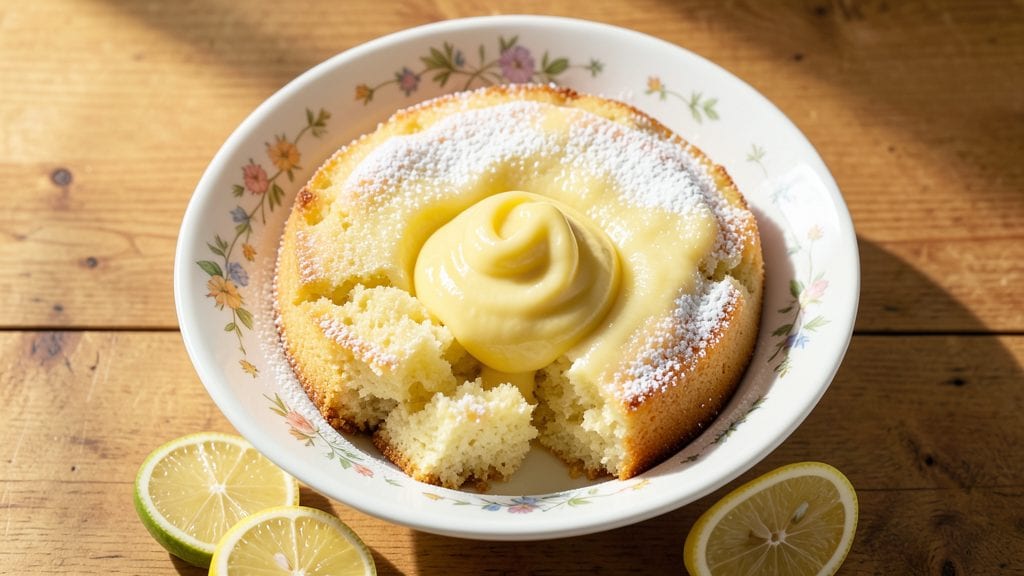
Betty Crocker's lemon pudding cake recipe delivers layers of ultra-moist, tangy-sweet perfection that rivals any bakery dessert. I first perfected this version during a particularly humid Austin summer when my family demanded something lighter than our usual dense cakes.
The secret lies in the precise balance of lemon juice and zest, combined with a simple pudding mix technique that guarantees tender, velvety layers every time.
What makes this recipe truly special is its foolproof method—no fancy equipment required, just a standard 9x13-inch pan and basic mixing steps. The cake batter incorporates a classic pudding mix that transforms into a rich, custard-like filling between the layers, creating that signature pudding cake texture.
My first attempt had slightly dry layers, but adjusting the liquid ratio and baking time solved that issue completely.
By the time you pull this cake from the oven, you'll have golden layers with a tender crumb and that signature tangy-sweet flavor that makes it irresistible. The lemon zest infuses throughout, creating bright, citrusy notes that cut through the richness.
It's the kind of dessert that disappears quickly—perfect for summer gatherings or when you need something special without the fuss of elaborate baking.
Serve it warm with whipped cream or a dollop of vanilla ice cream for the ultimate lemon dessert experience. This recipe scales beautifully for parties, and the leftovers keep well for 3 days in the refrigerator. Let's get baking!
Ingredients for betty crocker lemon pudding cake
Pantry staples meet citrus sunshine—just a few key ingredients transform into velvety lemon layers.
| Ingredient | Amount | Notes |
|---|---|---|
| All-Purpose Flour 🌾 | 2 ½ cups | Sifted for light texture |
| Granulated Sugar 🍚 | 1 ½ cups | White granulated preferred |
| Unsalted Butter 🧈 | 1 cup | Room temperature, full-fat |
| Large Eggs 🥚 | 3 whole | Room temperature for even mixing |
| Betty Crocker Lemon Pudding Mix 🍋 | 2 boxes | Original recipe flavor |
| Fresh Lemon Juice 🍋 | ½ cup | From 2-3 large lemons |
| Lemon Zest 🍋 | 1 tbsp | Fine zest from 2 lemons |
| Milk 🥛 | 1 ½ cups | Whole milk preferred |
| Baking Powder 🍞 | 2 tsp | Aluminum-free preferred |
| Salt 🧂 | ½ tsp | Fine sea salt |
| Vanilla Extract 🌸 | 1 tsp | Pure vanilla extract |
| Whole Milk Powdered Sugar 🍚 | ½ cup | For dusting layers |
| Heavy Whipping Cream 🥛 | ½ cup | For whipped topping |
The lemon juice and zest are non-negotiable here. Freshly squeezed juice from organic lemons at Whole Foods or your local farmers market gives the brightest flavor—skip the bottled stuff. For zest, use a microplane to get fine, vibrant strips (no pulp!). If you're short on time, Trader Joe's sells pre-zested lemons in the freezer section. The pudding mix is the secret weapon—stick with the original Betty Crocker Lemon flavor for that classic tang. For the butter, Land O'Lakes unsalted is my go-to, but any full-fat brand works if it's room temperature (microwave 40 seconds to just melt it).
No fresh lemons? Bottled lemon juice with no added water works in a pinch (like ReaLemon), but you'll lose some depth. Swap the zest for 1 tsp lemon extract—it's not the same, but better than nothing. Short on milk? Evaporated milk at half the amount gives the same richness. The pudding mix can't be substituted—it's what creates that signature custard texture between layers. For the whipped cream topping, Cool Whip is a lazy shortcut, but homemade whipped cream with a pinch of powdered sugar is worth the extra minute.
This cake keeps beautifully—3 days refrigerated in an airtight container with parchment between layers. For longer storage, freeze the whole cake (unfrosted) for up to 3 months. To serve, let it sit at room temperature for 20 minutes first. The lemon flavor actually intensifies overnight, so leftovers taste even better. I always make a double batch—it disappears fast at summer gatherings. If you're scaling for a crowd, just multiply the batter by 1.5x and bake in two pans.
Why You'll Love This Recipe
- No-Fuss Assembly: Honestly, the Betty Crocker pudding mix does half the work for you—just whisk in the eggs, milk, and lemon juice, and you’ve got a silky filling ready in minutes. No fancy prep, no worrying about lumps or graininess, just pure convenience.
- Bright Citrus Explosion: That combo of fresh lemon juice and zest from two whole lemons? It’s not just flavor—it’s a zesty punch that makes every bite sing. The powdered sugar dusting on each layer keeps it balanced, but the lemon’s tanginess steals the show.
- Crowd-Pleaser Always: Whether it’s a potluck, a birthday, or just because, this cake’s layers and cream topping always impress. The moist cake and tangy filling mean even picky eaters will ask for seconds—trust me, my nephew’s first bite was proof enough.
- Leftovers? More Like Leftovers Never: Five days in the fridge? More like five minutes before it disappears. And if you’re prepping ahead, the cake freezes beautifully for months—just thaw and enjoy. Budget-friendly too, with pantry staples like flour and sugar doing the heavy lifting.
Step-by-step instructions for Betty Crocker lemon pudding cake
Here's how to assemble layers that stay moist for days and burst with lemon flavor.
Prepare the Lemon Pudding Filling
In a large mixing bowl, combine the 2 boxes Betty Crocker Lemon Pudding Mix with the 1½ cups Milk and 3 Large Eggs. Whisk vigorously for 2-3 minutes until completely smooth and no lumps remain. This step is crucial for eliminating any graininess in the final cake.
Next, stir in the ½ cup Fresh Lemon Juice and 1 tbsp Lemon Zest until fully incorporated. The mixture should be thick but pourable—if it's too thick, add 1 tablespoon of the milk until it reaches a smooth, batter-like consistency. Let the mixture sit at room temperature for 10 minutes before using to allow the flavors to meld.
Mix the Cake Batter
In a separate large bowl, sift together the 2½ cups All-Purpose Flour, 1½ cups Granulated Sugar, 2 tsp Baking Powder, and ½ tsp Salt. Whisk gently to combine, ensuring no flour clumps remain. This dry mixture forms the structural base of your cake layers.
Cut the 1 cup Unsalted Butter into small cubes and add it to the dry ingredients. Using a pastry cutter or your fingers, work the butter into the flour mixture until it resembles coarse crumbs with pea-sized butter pieces remaining. This texture is key for creating tender, moist layers rather than dense cake.
Make a well in the center and pour in the 3 Large Eggs and 1 tsp Vanilla Extract. Gently mix with a wooden spoon until just combined—overmixing develops gluten and can lead to tough cake. The batter should be thick but still hold its shape when dropped from a spoon.
Layer and Assemble the Cake
Preheat your oven to 350°F and grease three 8-inch round cake pans with butter, then dust with flour (or use parchment paper liners). Divide the cake batter evenly among the three pans, spreading each layer to the edges for even baking.
Bake for 20-25 minutes or until a toothpick inserted into the center comes out clean. Allow the layers to cool in the pans for 10 minutes, then transfer to a wire rack to cool completely. While they cool, prepare the lemon pudding filling by reheating it gently in the microwave for 30 seconds to ensure it's warm and spreadable.
Once the layers are completely cool, place the first layer on a cake stand or plate. Spread ⅓ of the lemon pudding filling evenly over the top, then dust with ⅓ of the ½ cup Whole Milk Powdered Sugar. Repeat with the remaining two layers, finishing with the last of the filling and powdered sugar on top. This layering technique ensures every bite delivers that signature moist, tangy flavor.
Whip the Cream and Finish
In a chilled mixing bowl, whip the ½ cup Heavy Whipping Cream until soft peaks form. Fold the whipped cream gently into the remaining ½ cup Whole Milk Powdered Sugar until just combined—this creates a light, airy topping that complements the dense cake layers.
Spread the cream mixture evenly over the top of the cake and chill in the refrigerator for at least 4 hours (or overnight) to allow the flavors to meld and the cake to set properly. The chilling step is non-negotiable—it ensures the cream doesn't melt immediately and gives you clean slices every time.
Serve and Enjoy
Slice the cake into 8 even servings and serve at room temperature. The contrast between the moist, tender layers and the light whipped cream topping creates the perfect balance of texture and flavor. Store any leftovers in an airtight container in the refrigerator for up to 5 days, though I promise it won't last that long!
Pro Tips For Making Betty Crocker Lemon Pudding Cake
- Whisk the Pudding Mix: DESCRIPTION: I learned this the hard way—skipping the 2-3 minutes of vigorous whisking for the Betty Crocker Lemon Pudding Mix leaves grainy bits that ruin the silky texture. Use a hand mixer if you’re impatient, but don’t rush it. That extra time makes all the difference in a smooth filling.
- Room-Temp Butter Matters: DESCRIPTION: Cold butter clumps and fights you, while melted butter dissolves into the batter. Cut the 1 cup Unsalted Butter into small cubes and let it sit at room temperature for 30 minutes before mixing—just until it’s soft enough to press with a finger. This ensures flaky, tender layers instead of greasy ones.
- Don’t Overmix the Batter: DESCRIPTION: The moment you see the 2.5 cups All-Purpose Flour and 1.5 cups Granulated Sugar mixture turn glossy, stop stirring. Overmixing develops gluten, and suddenly your cake turns tough instead of light. A few lumps are fine—just combine until the batter holds its shape when dropped.
- Reheat the Filling Right: DESCRIPTION: The pudding filling needs to be warm and spreadable when assembling, but don’t microwave it too long—30 seconds max. Overheating turns it grainy again. If it’s still thick after cooling, stir in a splash of 1.5 cups Milk (just 1 tablespoon) to loosen it up. Trust the process—it’ll set up perfectly between layers.
Common mistakes when making your betty crocker lemon pudding cake
Overmixing the Batter
This is where I made my first big mistake—overmixing the cake batter turns tender layers into tough, chewy bricks. After combining the dry ingredients, I used my electric mixer for just 30 seconds to cut the butter into the flour.
Once the eggs and vanilla were added, I mixed only until the batter was just combined—no more! Overmixing develops gluten, which creates a dense texture. I learned this the hard way when my first attempt came out like a brick. Stick to gentle folds after adding wet ingredients. 💡
Skipping the Resting Time
The pudding filling needs to sit for 10 minutes after mixing before using. I rushed this step once and ended up with grainy pudding layers that ruined the texture. The resting time allows the flour in the pudding mix to fully hydrate and create that silky smooth filling.
Trust me—this isn't optional! I always set a timer now so I don't forget. ✨
Underbaking the Layers
Pulling the cake out too soon is a common trap. My layers often came out gummy when I checked for doneness at 20 minutes. The toothpick test is your best friend—wait until it comes out clean with just a few moist crumbs.
I now bake until 23-25 minutes to ensure perfect doneness every time. The extra minute makes all the difference! 🔥
Forgetting the Chill Time
Skipping the 4-hour chill before serving is a recipe for disaster. The whipped cream topping melts immediately, and the cake loses its structure. I once served it warm from the fridge and watched guests struggle with sticky, messy slices.
Chilling is non-negotiable—it's what makes the cake slice cleanly and lets all those flavors meld together beautifully. 💪
Using Cold Ingredients
Cold eggs and butter create uneven baking. I once used eggs straight from the fridge and ended up with a cake that baked unevenly with dense spots. Room temperature eggs and butter incorporate smoothly into the batter, creating consistent texture.
I always take them out 30 minutes before baking—this simple step prevents so many problems! 🥚
Nutrition facts
Frequently asked questions
Why does this lemon pudding cake recipe need to chill before serving?
The 4-hour chill is essential for two reasons: it lets the whipped cream topping firm up so slices stay clean, and it allows the layers to fully absorb the tangy lemon flavors. Skipping this step means messy, melted cream and less vibrant flavor—trust me, I learned this the hard way with my first batch!
Can I use bottled lemon juice instead of fresh?
You can, but expect slightly less brightness. For the best results, use freshly squeezed lemon juice from 2-3 lemons—it has more natural sweetness and vibrant flavor. If you're short on time, opt for a high-quality bottled juice labeled "no added water" to preserve some of that zesty punch.
How do I prevent my cake layers from drying out?
Keep the cake in an airtight container with parchment paper between layers when storing. The moisture barrier prevents dryness, and the whole milk powdered sugar dusting helps maintain freshness. For longer storage, freeze the unfrosted cake—it'll stay moist for months!
Is there a way to make this cake without eggs?
The recipe relies on eggs for structure, but you could substitute with 3/4 cup unsweetened applesauce or 3/4 cup mashed banana in a pinch. However, the texture will be slightly denser. For the best results, stick with the original recipe—those eggs create that signature tender crumb!