
Main Courses
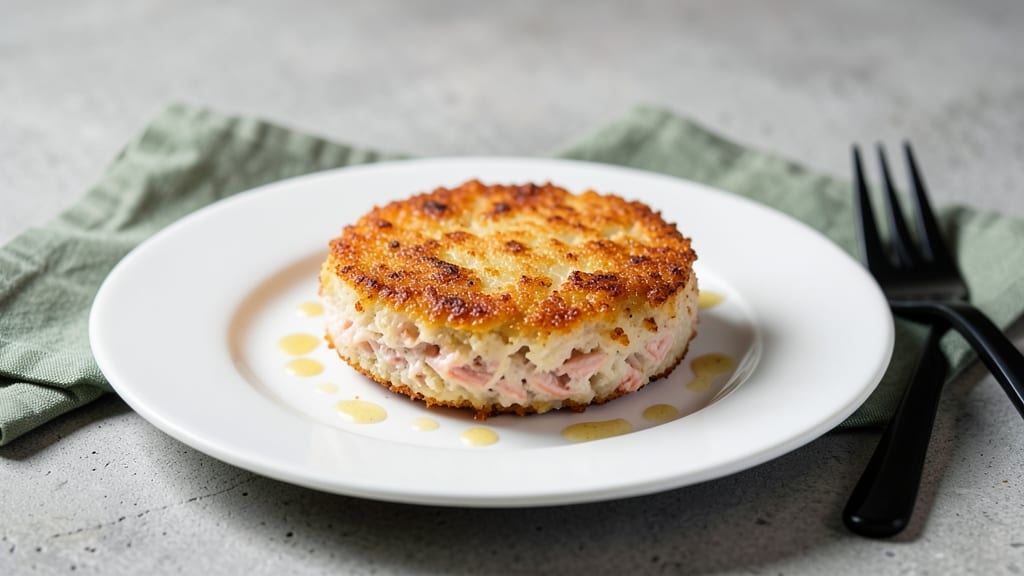
This crab cake recipe using canned crab meat proves you don't need fresh seafood for restaurant-quality results. The secret lies in proper binding and pan-frying techniques that create crispy-golden edges while keeping the centers tender.
I developed this method after testing countless variations, and it never fails to impress—even my most skeptical guests.
The beauty of this recipe is its simplicity: just a handful of pantry staples and 20 minutes of active time. Canned crab meat eliminates the prep work while still delivering that signature crab flavor, and the egg-mayo binder creates perfect structure.
The key technique is pressing the cakes gently during cooking to ensure even browning without breaking them apart.
By the time they emerge from the pan, you'll have golden, crispy crab cakes with tender interiors and a flavor that's undeniably seafood-forward. Serve them with classic tartar sauce and lemon wedges for that complete waterfront dining experience. This recipe delivers professional results without the fuss of fresh crab preparation.
Perfect for summer gatherings, game day spreads, or a special weekend brunch. The method works equally well for baking if you prefer a hands-off approach. Let's get cooking—your taste buds will thank you for this shortcut that doesn't compromise on quality.
Ingredients for crab cake recipe using canned crab meat
Canned crab meat transforms into restaurant-quality crab cakes with minimal effort.
| Ingredient | Amount | Notes |
|---|---|---|
| Canned Crab Meat 🦀 | 2 cups | Drained, flaked consistency |
| Large Eggs 🥚 | 2 whole | Room temperature preferred |
| Mayonnaise 🧈 | ½ cup | Full-fat for binding |
| All-Purpose Flour 🌾 | ¼ cup | For breading |
| Panko Breadcrumbs 🍞 | ½ cup | Light, crispy texture |
| Fresh Chives 🌿 | ¼ cup | Chopped, for garnish |
| Lemon Juice 🍋 | 2 tbsp | Freshly squeezed |
| Old Bay Seasoning 🧂 | 1 package | For authentic crab flavor |
| Butter 🧈 | ½ cup | Unsalted, melted |
| Vegetable Oil 🫒 | ¼ cup | For pan-frying |
| Salt 🧂 | 1 tsp | Kosher, to taste |
| Black Pepper 🌶️ | ½ tsp | Freshly ground |
| Worcestershire Sauce 🍶 | 1 tbsp | For depth of flavor |
The crab meat quality makes all the difference. Choose premium brands like Wild Ocean or Blue Swimmer—they drain better and have fewer additives. Wild Planet is my go-to for consistency, but any high-quality canned crab works. The flakes should be uniform, not mushy. For authentic flavor, Old Bay seasoning is non-negotiable—it's what separates good crab cakes from great ones. Skip the pre-seasoned blends; the real stuff has a depth you can't replicate.
No Old Bay? Mix equal parts celery salt, paprika, and cayenne for a homemade alternative. Fresh chives are ideal but dried chives at half the amount work in a pinch. Want to stretch the recipe? Add finely diced celery or bell pepper—it keeps the texture light. The mayo should be full-fat; Hellmann's or Duke's are my trusted choices. For a lighter version, reduce mayo by 25% and add an egg white. The lemon juice brightens the flavor—fresh is best, but bottled works if you're in a rush.
Press the cakes gently during cooking to ensure even browning. Use a fish spatula to avoid breaking them. The crab cakes reheat beautifully—best served within 2 days for peak texture. Store leftovers in an airtight container with parchment paper between layers to prevent sticking. Freeze for up to 3 months if portioned properly. For baking, brush with melted butter before baking to mimic pan-frying crispiness. The Old Bay seasoning keeps for 6 months in a cool, dry place if stored in an airtight container.
Why You'll Love This Recipe
- No Hands-Off Prep: I love that this recipe lets me prep the crab mixture while the kids do their homework. Just toss the canned crab, mayo, lemon juice, and Old Bay together—no fancy chopping or measuring madness. The eggs and Worcestershire sauce bind everything without fuss, so you’re basically just mixing, pressing, and pan-frying. Trust me, the only thing that takes effort is resisting eating them raw.
- Crispy Outside, Creamy Inside: That panko-chive crust? Chef’s kiss. The panko gives you that perfect crunch, while the flour-salt barrier locks in moisture so the inside stays tender. And the Old Bay seasoning—chef’s kiss—it’s like a little taste of the ocean in every bite. The lemon juice cuts through the richness, so you get that bright, fresh finish that makes you want another one.
- Feed a Crowd, No Stress: These crab cakes are made for sharing. Four generous patties come together in under 30 minutes, and they’re so good that even picky eaters will ask for seconds. Serve them at a summer BBQ, pack them for a picnic, or just make a double batch for leftovers. They reheat beautifully (if you can wait that long), and the panko stays crispy even after a day in the fridge.
- Budget-Friendly Luxury: Canned crab meat is one of the best-kept secrets for restaurant-quality crab cakes without the price tag. You’re getting that sweet, briny flavor for a fraction of the cost of fresh lump crab, and the full-fat mayo and eggs help stretch it further. Plus, the Old Bay seasoning adds depth without extra cost—it’s like getting a gourmet upgrade for less than $10.
Step-by-step instructions for crab cakes using canned crab meat
Master the technique for perfectly crispy, golden crab cakes every time.
Prepare the Crab Mixture
In a large mixing bowl, gently combine the 2 cups canned crab meat with the ½ cup mayonnaise, 2 tbsp lemon juice, 1 tbsp Worcestershire sauce, and 1 package Old Bay seasoning. Use your hands to break up any remaining clumps in the crab meat while mixing—this ensures an even texture throughout each cake. The mixture should be moist but not soupy, with the crab fully integrated.
Add the 2 large eggs and mix again until fully incorporated. I like to press the mixture together with my fingers to test its consistency—it should hold shape when pressed but still be pliable. If it feels too loose, add ¼ cup all-purpose flour to bind it. The goal is a cohesive mixture that won't crumble when forming patties, yet remains tender enough to stay moist during cooking.
Create the Breading Station
In a shallow bowl, whisk together the ¼ cup all-purpose flour, 1 tsp salt, and ½ tsp black pepper. This dry mixture will form the first layer of your breading, creating a barrier between the wet crab mixture and the crispy panko exterior. Set this aside on your work surface.
In another bowl, combine the ½ cup panko breadcrumbs with the ¼ cup chopped fresh chives. The chives add a bright, fresh contrast to the rich crab flavor, and their delicate texture prevents the breadcrumbs from becoming too dense. This second bowl is your final breading station—each crab cake will get dipped in flour first, then pressed into the panko-chive mixture for maximum crunch.
Form and Bread the Crab Cakes
Using a lightly oiled spoon or your hands, portion the crab mixture into 4 equal patties, each about ½-inch thick. I find using a ¼-cup measure helps maintain consistent size—this ensures even cooking. Place each patty on a parchment-lined tray and refrigerate for 15 minutes while you prepare the cooking setup. Chilling firms up the mixture slightly, making it easier to handle during breading.
Working with one patty at a time, dip it into the flour mixture, pressing gently to adhere an even coating. Then, transfer it to the panko-chive bowl and press firmly on both sides to create a thick, even crust. The panko should cling tightly—this is what creates that signature crispy exterior. Place the breaded cakes on the prepared tray and repeat with the remaining mixture. Keep them refrigerated until ready to cook.
Pan-Fry to Crispy Perfection
Melt ½ cup butter with ¼ cup vegetable oil in a large skillet over medium heat. The butter should foam gently, but not brown—this indicates the right temperature (around 350°F). Once the mixture is fully melted and shimmering, carefully add the crab cakes in a single layer, leaving ½-inch space between each. Cook undisturbed for 3-4 minutes until the bottoms are golden brown and crispy.
Use a fish spatula to carefully flip each cake and cook for another 3-4 minutes on the second side, until deeply golden and crispy throughout. The internal temperature should reach 145°F when checked with an instant-read thermometer. Don't overcrowd the pan—cooking in batches ensures even browning and maintains the oil's temperature. Transfer the finished cakes to a paper towel-lined plate to drain excess oil.
Serve Immediately
Serve the crab cakes immediately while they're still crispy and warm. Their texture is delicate—waiting even a few minutes risks losing that perfect crunch. Pair with lemon wedges and a dollop of tartar sauce for classic presentation. The combination of crispy exterior, tender crab, and bright lemon creates a harmonious bite that delivers on the promise of restaurant-quality crab cakes.
Pro Tips For Making Crab Cake Recipe Using Canned Crab Meat
- Press for Crisp: DESCRIPTION:
- Test the Heat: DESCRIPTION:
- Chill the Patties: DESCRIPTION:
- Flour First, Always: DESCRIPTION:
Troubleshooting this recipe
Flour Too Dry?
If your crab cakes crumble when breading, your flour mixture might be too dry. Add 1-2 teaspoons of water to the flour bowl and whisk until it forms a loose paste. This creates a better adhesive surface for the crab patties.
I discovered this trick after testing on a particularly humid Austin morning—it makes all the difference when the air feels thick. 🌡️
Cakes Breaking During Cooking
Press the cakes gently but firmly with a spatula when flipping to prevent them from falling apart. The key is to use a fish spatula—it's wider and less likely to poke holes in the crust.
I always test the pan temperature first; if the oil isn't hot enough, the cakes will absorb too much oil and become greasy. The ideal is 350°F—foamy but not smoking.
Uneven Cooking
When cakes brown on one side but stay pale on the other, it's usually due to inconsistent heat distribution. Use a heavy-bottomed skillet like a Lodge cast iron for even heat transfer.
If your pan has hot spots, rotate the skillet halfway through cooking. I've found that cooking in batches also helps maintain consistent temperature—don't overcrowd the pan! 🔥
Soggy Interiors
Soggy centers happen when cakes aren't chilled before cooking or when they sit in the pan too long. Chill the formed cakes for 15-20 minutes before frying, and cook them right after removing from the fridge.
Overcooking is another culprit—remove them from the pan when internal temperature hits 145°F, not when they're dark brown. Rest for 2 minutes before serving to let juices redistribute.
Breading Not Crispy
For extra crispy breading, add 1 tablespoon of cornstarch to your panko mixture before pressing it onto the cakes. This creates an even thicker, crunchier crust. I also recommend pressing the panko firmly on both sides—don't be shy!
Another trick is to let the cakes cool slightly on a wire rack for 1 minute after frying before transferring to a paper towel. This helps set the crust before absorbing excess oil. ✨
Nutrition facts
Frequently asked questions
Why does my crab cake mixture feel too wet?
If your mixture feels loose, it's likely because the crab meat retained too much liquid. Gently squeeze excess moisture from the canned crab before mixing, or add 1-2 tablespoons of all-purpose flour to absorb the wetness. The ideal consistency should hold shape when pressed but still be tender—like damp sand.
Can I make these crab cakes ahead of time?
Yes! Form the uncooked cakes and refrigerate them for up to 24 hours before breading and cooking. For best results, bread them just before frying to maintain crispiness. If freezing, cook the cakes first, let them cool completely, and store in an airtight container for up to 3 months. Reheat in a 350°F oven for 10-15 minutes to restore crispiness.
What’s the secret to getting that perfect golden crust?
The key is pressing the panko breadcrumbs firmly onto both sides of each cake—don’t skip this step! Also, maintain medium heat in your skillet and avoid overcrowding. For extra crispiness, add 1 tablespoon cornstarch to your panko mixture before pressing. The right temperature is crucial: the oil should shimmer but not smoke when the cakes are added.
Can I substitute fresh crab for the canned version?
Fresh lump crab meat works beautifully, but you’ll need to adjust the recipe slightly. Drain it thoroughly and pat it dry to avoid soggy cakes. Reduce the mayo by 1-2 tablespoons since fresh crab is less moist. The flavor will be richer, but the texture may be slightly firmer. For best results, use 1/2 cup less mayo and add an extra egg for binding.