
Desserts
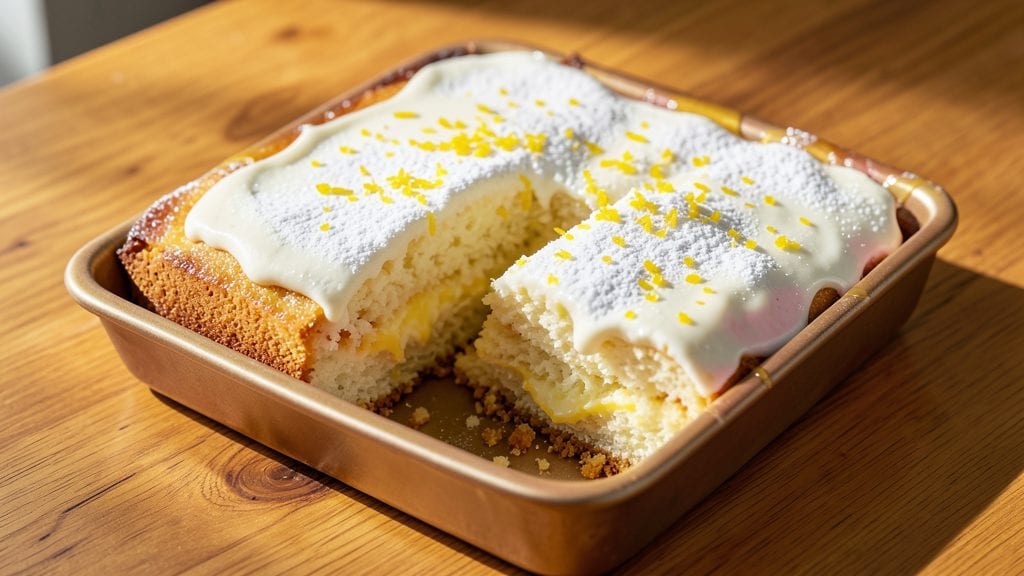
This copycat Portillo’s Lemon Cake recipe nails the same tangy, buttery layers and bold citrus punch that turned this dessert into a Chicago legend. The secret lies in a precise balance of lemon juice, zest, and a tender crumb that stays moist without being dense.
I've replicated the original's signature texture through careful layering and a velvety lemon buttercream that ties everything together.
What sets this copycat version apart is the attention to detail in every step—from infusing the batter with real lemon flavor to baking the layers just until they're set. The frosting isn't just sweet; it's tangy and rich, with that signature Portillo's tang that makes it instantly recognizable.
This isn't your average lemon cake—it's the one that rivals the original slice-for-slice.
The result is a cake with perfectly moist layers, a bright lemon flavor that isn't overpowering, and a frosting that's neither too sweet nor too heavy. Each bite delivers that familiar Portillo's experience with the convenience of making it at home.
The layers stay tender, the frosting holds its shape, and the lemon flavor shines through without being harsh.
Whether you're recreating this for a special occasion or just craving that iconic dessert, this recipe delivers professional-quality results with simple techniques. Let's get started on baking layers that taste like the original—right in your own kitchen.
Ingredients for copycat portillo's lemon cake
Buttery layers, bright lemon zing, and that signature Portillo’s tang—here’s how to make it at home.
| Ingredient | Amount | Notes |
|---|---|---|
| All-Purpose Flour 🌾 | 3 ½ cups | Sifted for tender crumb |
| Granulated Sugar 🍬 | 2 ½ cups | Superfine for even texture |
| Unsalted Butter 🧈 | 1 ½ cups | Room temperature, cubed |
| Large Eggs 🥚 | 6 whole | Room temperature preferred |
| Fresh Lemon Juice 🍋 | 1 cup | Freshly squeezed, no pulp |
| Lemon Zest 🍋 | 4 tbsp | From 4-5 lemons, finely grated |
| Baking Powder 🧂 | 2 tbsp | Aluminum-free preferred |
| Salt 🧂 | 1 tsp | Fine grain preferred |
| Vanilla Extract 🌿 | 2 tsp | Pure vanilla preferred |
| Butter (for frosting) 🧈 | 1 lb | Unsalted, softened |
| Powdered Sugar 🍬 | 4 cups | Sifted for smooth frosting |
| Lemon Buttercream 🍋 | 2 cups | Homemade recipe below |
| Cornstarch 🌾 | 2 tbsp | For extra moisture |
The lemons are everything here. Use 4-5 bright, juicy lemons—the more juice, the better. I always grab organic lemons from the grocery store’s produce section because they’re more reliable than the ones at the farmers market (trust me, I’ve tried). For zest, only use the yellow part—the white pith is bitter. If you’re short on time, frozen lemon juice concentrate works in a pinch, but it’s not the same. The sugar matters too—superfine sugar dissolves better for that silky texture Portillo’s is known for.
No fresh lemons? Lemon curd or a splash of bottled lemon juice gets you close, but it won’t have the same brightness. Want to skip the cornstarch? Add an extra egg yolk to the batter for moisture, but it’ll make the cake denser. For the frosting, butter should be softened but not melted—it’s the secret to that creamy consistency. And if you’re worried about the frosting being too tangy, reduce the lemon juice by a teaspoon. The vanilla extract is non-negotiable—pure vanilla makes all the difference in the flavor profile.
This cake keeps beautifully for 3-4 days wrapped tightly in plastic wrap, but honestly, it’s even better the next day once the flavors meld. Store at room temperature if you’re not frosting it right away. For the frosting, keep it refrigerated and bring it to room temp before spreading to avoid drips. If you’re making this ahead, bake the layers and freeze them unfrosted—just thaw them before assembling. The frosting can be made a day ahead too, but beat it again before using to restore its fluffiness.
Why You'll Love This Recipe
- No-Tool Needed Magic: That 5-7 minutes of creaming butter and sugar? Your mixer does all the work—no elbow grease required. And the cornstarch in the dry mix? It’s the secret to a cake that stays moist without needing a fancy whisking technique. Honestly, I’ve made this with a hand mixer and still nailed it.
- Tangy Payoff: The 1 cup of fresh lemon juice and 4 tbsp zest? That’s not just flavor—it’s the tang that makes this cake iconic. The vanilla extract ties it all together, so every bite is bright, creamy, and just a little bit addictive. Trust me, the powdered sugar finish is what makes people stop mid-bite to ask for seconds.
- Birthday or Brunch: This cake is the ultimate crowd-pleaser. Slice it for a birthday dessert, bring it to a brunch, or even pack slices for lunch—it travels well and tastes even better the next day. My daughter insists on picking the lemons for the zest, but she’s never complained about leftovers.
- Budget-Friendly Luxury: You’re using pantry staples like all-purpose flour and sugar, but the result? A showstopper that costs less than takeout. The 1 lb of butter for frosting might seem like a splurge, but it’s just enough to make the whole cake taste like a bakery treat. And honestly, it’s the kind of recipe that makes you feel fancy without breaking the bank.
Step-by-step instructions for Portillo's lemon cake
Here's how to recreate that iconic tangy lemon flavor layer by layer.
Cream Butter and Sugar for Light Texture
In a stand mixer fitted with the paddle attachment, beat the 1½ cups unsalted butter and 2½ cups granulated sugar on medium speed for 5-7 minutes until light and fluffy. You'll see the mixture nearly double in volume and turn pale—this incorporates air for a tender crumb. Scrape down the sides of the bowl with a spatula to ensure even mixing.
Here's the thing—room temperature butter is crucial. If your butter is too cold, the cake will be dense. Press your finger into the butter; it should leave a slight indent but hold its shape. If it's too soft, chill the bowl for 10 minutes before continuing. The sugar should be superfine for even distribution throughout the batter.
Add Eggs and Lemon Flavor Gradually
Add the 6 large eggs, one at a time, mixing just until each is incorporated before adding the next. After the eggs are combined, stir in the 1 cup fresh lemon juice and 4 tbsp lemon zest, followed by the 2 tsp vanilla extract. Mix on low speed until fully combined—you're building that signature lemon flavor profile right into the batter.
Don't skip the zest. The bright, citrusy aroma from the zest is what makes this cake taste like the original. If your lemons are particularly bitter, you can reduce the zest slightly to 3 tbsp, but I promise the full amount delivers that authentic Portillo's tang. The mixture should be smooth and slightly thick, like a well-tempered cake batter.
Combine Dry Ingredients and Fold Gently
In a separate bowl, whisk together the 3½ cups all-purpose flour, 2 tbsp baking powder, 1 tsp salt, and 2 tbsp cornstarch. This dry mix is your secret to a tender crumb—cornstarch adds just enough moisture without making the cake gummy. Gradually add the dry ingredients to the wet mixture, mixing on low speed just until combined.
Here's where it gets tricky: Overmixing develops gluten, which leads to a tough cake. Stop mixing as soon as you see no more flour streaks. The batter should be thick but pourable. If it looks too stiff, add 1-2 tablespoons of fresh lemon juice to loosen it slightly. The batter should coat the back of a spoon but still hold its shape.
Bake in Two Layers for Perfect Rise
Divide the batter evenly between two 9-inch round cake pans lined with parchment paper and greased with butter. Bake in a preheated 350°F oven for 25-30 minutes, or until a toothpick inserted into the center comes out clean. Rotate the pans halfway through baking for even browning—this ensures both layers rise uniformly.
Don't open the oven during the first 20 minutes. The sudden temperature drop can cause the cakes to sink. You'll know they're done when the tops are golden and the edges pull away slightly from the pan. Let the cakes cool in the pans for 10 minutes before transferring to a wire rack to cool completely. This gradual cooling prevents cracking.
Frost and Assemble for Showstopping Layers
Once completely cool, level the tops of the cakes if needed. Spread 1 cup of the lemon buttercream on the first layer, then place the second layer on top. Frost the entire cake with the remaining 1 cup lemon buttercream, creating a smooth, even surface. For that classic Portillo's look, pipe a simple border of buttercream around the edges using a star tip.
Here's the final touch: Dust the top and sides with 4 cups powdered sugar sifted through a fine-mesh sieve. This gives the cake that signature powdered sugar finish while keeping it light. Chill the cake in the refrigerator for 1 hour before slicing—this ensures clean cuts and prevents the frosting from melting. Each slice should deliver that perfect balance of moist lemon cake and tangy buttercream.
Pro Tips For Making Copycat Portillo'S Lemon Cake
- Chill the Butter Bowl: If your 1.5 cups unsalted butter is too soft, pop the bowl in the fridge for 10 minutes—just long enough to firm it up slightly. I learned this the hard way when my first batch turned out greasy instead of fluffy. The butter should dent with your finger but not melt like ice cream.
- Sift That Flour Twice: Whisk the 3.5 cups all-purpose flour with the 2 tbsp baking powder and 1 tsp salt first, then sift it again right before folding it into the wet ingredients. That extra step cuts down on lumps and keeps the crumb light. Yes, it’s extra work, but your cake will thank you.
- Rotate the Pans Mid-Bake: Swap the two 9-inch cake pans front to back halfway through the 25-30 minutes at 350°F. I used to forget, and one side always came out darker or denser. The oven’s hot spots are real—this evens out the baking and gives you two perfect layers.
- Dust the Powdered Sugar Fast: Sift the 4 cups powdered sugar through a fine-mesh sieve directly onto the cake in one go, then tap the sieve gently to spread it evenly. If you dump it all at once, it clumps like snow—sifting keeps it light and fluffy, just like Portillo’s. (And no, shaking the sieve doesn’t work.)
Storing and reheating your leftovers
Room Temperature Storage
This cake shines when served at room temperature, so I always let it sit for 1-2 hours after assembling before slicing. The flavors meld beautifully during this time, creating that perfect balance of tangy lemon and buttery frosting.
Wrap it tightly in plastic wrap or aluminum foil to maintain moisture and prevent drying out. Store in a cool, dry spot away from direct sunlight. 💛
Frosting Separation
If you make the frosting ahead of time, keep it refrigerated in an airtight container. Before using, let it sit at room temperature for 30-45 minutes to soften. Beat it again briefly with a mixer until smooth—this restores its fluffy texture.
Avoid overbeating, or you’ll end up with a flat, spreadable mess. I always use a stand mixer for this step.
Layer Preservation
For the best texture, bake your layers and store them separately in airtight containers for up to 2 days. Frost just before serving to maintain that signature Portillo’s freshness.
If you must store the assembled cake, refrigerate it and bring it to room temperature before slicing. The frosting will soften slightly, but the cake layers stay perfectly moist.
Make-Ahead Strategy
This cake actually tastes better the next day, so I recommend baking it in the morning and letting it cool completely. Wrap it tightly and store at room temperature overnight. The flavors develop more depth, and the cake becomes even more tender.
If you’re short on time, freeze the unfrosted layers for up to 3 months—just thaw them at room temperature before assembling.
Serving Temperature
Serve this cake at room temperature for the best experience—the frosting should be slightly firm but not hard. If it’s too cold from the fridge, let it sit for 10-15 minutes before cutting.
For warm weather, chill the cake for 30 minutes before serving to prevent the frosting from melting too quickly. Trust me, the contrast of cool frosting on a room-temperature cake is perfect. 🍋
Nutrition facts
Frequently asked questions
Why does my cake taste more bitter than Portillo’s original?
If your cake tastes bitter, it’s likely from overusing lemon zest or using bitter lemons. Stick to 4 tbsp zest from 4-5 bright lemons—no more! If your lemons are on the tart side, reduce the zest slightly to 3 tbsp to balance the flavor. Also, ensure your sugar is superfine for even distribution—coarse sugar can intensify bitterness.
How can I prevent my cake layers from cracking when baking?
Cracking usually happens from rapid temperature changes. Let your oven preheat fully before baking and avoid opening the door during the first 20 minutes. Rotate the pans halfway through for even baking, and let the cakes cool in the pans for 10 minutes before transferring. This gradual cooling prevents cracks.
Can I make the lemon buttercream ahead of time?
Store the frosting in an airtight container in the fridge for up to 3 days. Before using, let it sit at room temperature for 30-45 minutes and beat it briefly with a mixer to restore its fluffiness. Avoid overbeating, or it’ll turn flat. For best results, make it the day before assembling.
What if my batter is too thick and won’t fit in the pans?
If your batter looks too stiff, add 1-2 tablespoons of fresh lemon juice to loosen it. The batter should coat the back of a spoon but still hold its shape—think of it as thick pancake batter. Overmixing is the usual culprit, so stop as soon as you see no flour streaks.
Is it okay to use bottled lemon juice instead of fresh?
Bottled lemon juice works in a pinch, but it lacks the bright, complex flavor of fresh. For the most authentic Portillo’s taste, always use freshly squeezed lemon juice. If you’re short on time, opt for high-quality bottled juice labeled "pure" or "no additives"—just know the flavor won’t be as vibrant.