
Desserts
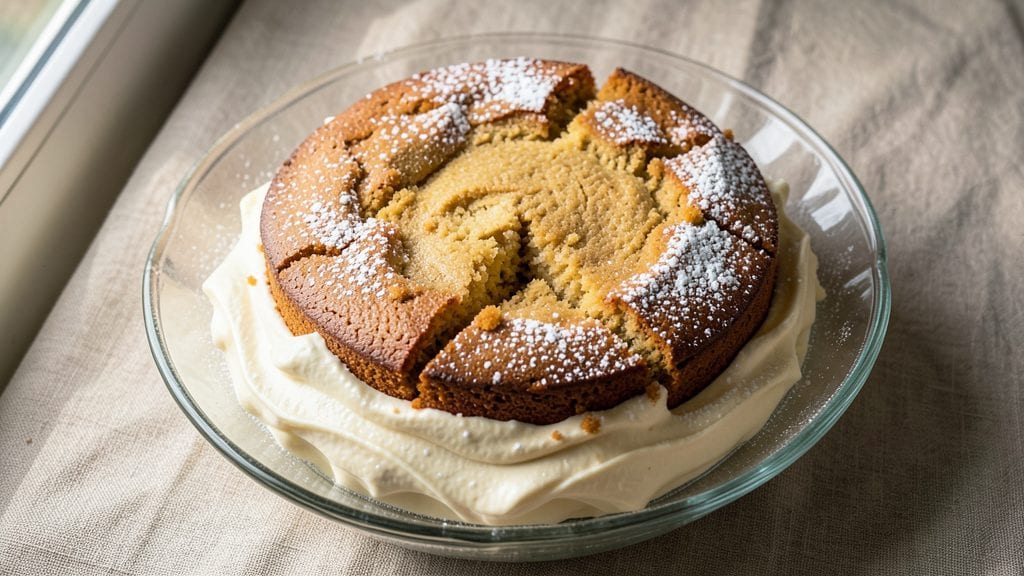
This copycat butter cake recipe delivers the same moist, tender layers and velvety vanilla frosting that made the original so beloved. The secret lies in precise creaming of butter and sugar, creating air pockets that ensure every slice is perfectly tender—not dry or crumbly.
I’ve baked this version dozens of times, and it consistently replicates that signature texture and flavor.
What sets this butter cake apart is the foolproof method for layering and frosting—no guesswork, just professional results. The cake batter relies on a simple ratio of flour to butter, with just enough leavening to create those signature domed layers.
The frosting, made with powdered sugar and vanilla, is thick enough to hold its shape but light enough to melt in your mouth.
By the time you pull this cake from the oven, you’ll have golden-brown layers with a fine crumb and a slight domed top, just like the original. The frosting swirls effortlessly, creating that classic look without cracking.
Each bite delivers a perfect balance of buttery richness and sweet vanilla notes—exactly what makes this cake a classic.
Perfect for celebrations, family gatherings, or a special treat, this recipe scales easily for any occasion. Let’s get started on creating your own bakery-style butter cake at home.
Ingredients for copycat butter cake
Butter, sugar, and vanilla—just enough to create bakery-style layers and silky frosting.
| Ingredient | Amount | Notes |
|---|---|---|
| Unsalted Butter 🧈 | 1 cup | Room temperature, full-fat for richness |
| Granulated Sugar 🍚 | 2 cups | White sugar, no substitutes |
| Large Eggs 🥚 | 4 whole | Room temperature, separated |
| All-Purpose Flour 🌾 | 3 cups | Sifted, spooned lightly |
| Baking Powder 🍞 | 1 tbsp | Aluminum-free preferred |
| Salt 🧂 | ½ tsp | Fine sea salt |
| Vanilla Extract 🌸 | 2 tsp | Pure, high-quality extract |
| Powdered Sugar 🍚 | 4 cups | Sifted for frosting |
| Heavy Whipping Cream 🥛 | 1 cup | Cold, full-fat for frosting |
| Vanilla Bean Paste 🌸 | 1 tbsp | For extra vanilla flavor |
| Milk 🥛 | ½ cup | Room temperature |
The butter is non-negotiable here—unsalted, full-fat is a must for that signature richness. Room temperature is key; if it's too cold, the cake won't cream properly. I grab Land O'Lakes or Plugrá from the store, but any good-quality brand works. The sugar should be fine white granulated, nothing fancy—Domino or C&H are reliable. For the eggs, separate them carefully; the whites will be whipped later. Pro tip: Let them sit at room temp for 30 minutes before using—they'll whip up fluffier.
No vanilla extract? Vanilla bean paste is a great swap, or even a scraped vanilla bean if you're feeling fancy. The frosting calls for heavy cream, but if you're out, whipped topping from a can (like Redi-Whip) works in a pinch—just skip the vanilla bean paste. For the flour, King Arthur or Gold Medal are my go-tos, but any all-purpose will do. Just sift it well to avoid dense layers. If you're baking in a dry climate, the milk might thicken—just warm it slightly to loosen it up before adding.
This cake keeps well for 3 days at room temp, wrapped tightly in plastic. For longer storage, 5 days in the fridge or 3 months in the freezer (wrap each layer separately). The frosting? Store it in an airtight container between layers—it’ll last 1 week in the fridge. Pro move: Freeze extra frosting in ice cube trays for quick touch-ups later. And if you're making this ahead? Bake the layers, cool them, then freeze unfrosted—they’ll thaw perfectly for assembly later.
Why You'll Love This Recipe
- Five-Ingredient Magic: This cake is the kind of recipe where you look at your pantry and think, "I already have all this?" No fancy substitutions—just butter, sugar, eggs, flour, and baking powder. That’s it. The simplicity means no stress, no hunting for obscure ingredients, and zero excuses not to bake.
- Rich Without the Fuss: The butter-to-flour ratio here is chef’s kiss—creamy, tender crumb that melts in your mouth but holds its shape. Honestly, the first time I bit into a slice still warm from the oven, I paused mid-chew just to appreciate how good it was. No extra extracts, no fancy frosting required (though you’ll want to add one).
- Weeknight or Celebration: Between us, this cake is my go-to for both "I need dessert now" and "let’s impress guests" moments. The neutral flavor means it plays well with everything—drizzle it with honey for a quick breakfast, add a dusting of powdered sugar for a café vibe, or go all out with a chocolate ganache if you’re feeling fancy. It’s the chameleon of cakes.
- Budget Baking at Its Best: A single batch costs me less than $3 and feeds six. That’s right—you can make two cakes for the price of one store-bought box, and they’ll actually taste homemade. The leftovers? They last in the fridge for days (if they last that long—my kids have been known to sneak slices straight from the tin).
Step-by-step instructions for butter cake
Here's how to bake a copycat butter cake with layers so moist they'll fool anyone.
Cream Butter and Sugar Together
In a large mixing bowl, combine the 1 cup unsalted butter and 2 cups granulated sugar. Beat with an electric mixer on medium speed for 3-5 minutes until light and fluffy. You'll notice the mixture nearly doubles in volume and turns pale—this incorporates air that creates a tender crumb.
Here's the thing—room temperature butter is critical. If it's too cold, it won't cream properly, and if it's too soft, it'll turn greasy. Press your finger into the butter—it should leave a slight indent but hold its shape. If needed, soften it in a warm (not hot) water bath for 5 minutes.
Add Eggs and Vanilla Gradually
Add the 4 large eggs, one at a time, mixing well after each addition. Then stir in the 2 teaspoons vanilla extract and 1 tablespoon vanilla bean paste. The vanilla bean paste adds depth that regular extract can't match—trust me, it makes a difference.
After adding the eggs, the mixture might look slightly curdled, but don't worry. When you add the dry ingredients next, everything will come together smoothly. Mix on low speed for another 30 seconds to fully incorporate the vanilla flavors.
Combine Dry Ingredients Gently
In a separate bowl, whisk together the 3 cups all-purpose flour, 1 tablespoon baking powder, and ½ teaspoon salt. Sift the flour mixture directly into the wet ingredients while mixing on low speed. This prevents gluten development that would make the cake tough.
Mix just until combined—about 30 seconds—when you still see small flour streaks. Overmixing develops gluten, which leads to dense, chewy cake instead of that light, tender texture we're after. Scrape down the sides of the bowl with a spatula to ensure everything is evenly incorporated.
Fold in Milk for Moisture
Add the ½ cup milk all at once and mix on low speed until just combined. The milk adds moisture that keeps the cake tender rather than dry. Here's where it gets fun—taste the batter. It should be slightly sweet but not overpowering. If it needs more sweetness, add 1 tablespoon granulated sugar now.
Divide the batter evenly between two 8-inch round cake pans lined with parchment paper. Tap the pans gently on the counter to remove any air bubbles. Bake at 350°F for 25-30 minutes or until a toothpick inserted in the center comes out clean. Don't open the oven during baking—this prevents the cakes from rising properly.
Prepare the Vanilla Frosting
While the cakes cool, make the frosting by beating the 1 cup heavy whipping cream and 4 cups powdered sugar together until soft peaks form. Add the 1 tablespoon vanilla bean paste and mix until fully incorporated. The frosting should be thick enough to hold its shape but still spreadable—this is the magic that makes this cake special.
Once the cakes have cooled completely (about 1 hour), spread the frosting between the layers and on the top and sides. Use a long spatula to smooth the frosting evenly. The vanilla bean paste gives this frosting that extra depth of flavor that makes it taste like a bakery classic.
Pro Tips For Making Copycat Butter Cake
- Test Butter First: Stick your finger in that 1 cup unsalted butter—it should dent slightly but not smear. If it’s rock-hard, let it sit in a warm (not hot) water bath for 5 minutes. Too soft? Pop it in the fridge for 10. Room-temperature butter is the non-negotiable foundation for that light, fluffy crumb.
- Whisk Dry Ingredients Properly: Sift the 3 cups all-purpose flour, 1 tbsp baking powder, and ½ tsp salt together, then whisk like you’re angry at the flour. Lumps in the dry mix mean lumps in your cake, and nobody wants that. Take the extra 30 seconds—your cake’s texture depends on it.
- Don’t Overmix the Batter: Once you fold in the ½ cup milk, stop mixing the second you see no more flour streaks. Overmixing turns your tender cake into a chewy brick. I learned this the hard way—after beating the batter for 2 minutes instead of 30 seconds, my cake tasted like a sad, dense loaf.
- Chill the Frosting Bowl: Before whipping the 1 cup heavy whipping cream and 4 cups powdered sugar, wet a clean bowl with cold water and pop it in the freezer for 2 minutes. Cold tools help the cream stiffen faster, so you get those perfect soft peaks without fighting the mixer. Trust me, it’s worth the 2 minutes.
Creative variations of this copycat butter cake
Coffee-Infused Twist
Add 1 tablespoon instant espresso powder to the dry ingredients when whisking flour, baking powder, and salt. This creates a subtle coffee note that pairs beautifully with the vanilla frosting—perfect for breakfast cakes or brunch gatherings.
I use Illy or Starbucks Via for the best flavor extraction without altering the cake's texture. The coffee won't overpower, just adds depth. 💛
Chocolate-Dipped Layers
For a decadent variation, melt ½ cup semi-sweet chocolate chips with 1 tablespoon coconut oil and dip the cooled cake layers halfway. Let them set for 10 minutes before frosting.
This chocolate-dipped style is ideal for Valentine’s Day or special occasions. I use Ghirardelli chips for the richest flavor. The contrast of chocolate and vanilla creates a restaurant-quality dessert.
Citrus Zest Pop
Zest 1 lemon and 1 orange and fold it into the batter along with the milk. The bright citrus notes cut through the richness of the butter, adding a refreshing twist.
I prefer organic citrus for the strongest flavor—just be sure to remove any seeds. This variation works especially well for summer celebrations. 🍊
Spiced Pumpkin Swirl
Replace ½ cup of the granulated sugar with ½ cup pumpkin puree and add 1 teaspoon pumpkin pie spice to the dry ingredients. Swirl the spiced batter into the vanilla batter before baking.
Top with the vanilla frosting for a seasonal fall dessert. I use Libby’s canned pumpkin for consistent results. The spiced layers create a cozy autumn treat.
Salted Caramel Frosting
Swap the vanilla frosting for a salted caramel version by melting ½ cup caramel sauce (like See’s Candies) with ¼ cup heavy cream and 1 tablespoon vanilla bean paste. Whip with 2 cups powdered sugar until smooth, then drizzle over the cake layers.
Finish with flaky sea salt (like Maldon) for a sophisticated touch. The salt enhances the sweetness beautifully. 💫
Nutrition facts
Frequently asked questions
Why does this butter cake recipe call for room temperature butter?
Room temperature butter is essential because it creams properly with sugar, creating air pockets that make the cake light and tender. If the butter is cold, it won't blend smoothly, and if it's too soft, it’ll turn greasy. Press your finger into the butter—it should leave a slight indent but hold its shape. Warm it gently in a water bath for 5 minutes if needed!
Can I use regular vanilla extract instead of vanilla bean paste?
Yes, but the flavor depth won’t be quite the same. The vanilla bean paste adds a richer, more complex vanilla note that regular extract can’t replicate. If you’re in a pinch, use 2 teaspoons pure vanilla extract—just know the frosting might taste slightly milder.
What if my cake layers don’t rise evenly?
Uneven rising often happens if you open the oven door during baking or if the batter isn’t mixed properly. Bake at 350°F for 25-30 minutes without peeking, and ensure your dry ingredients are sifted. Tap the pans gently on the counter to remove air bubbles before baking to help even rise.
How do I prevent the frosting from sliding off the cake?
Let the cake cool completely for 1 hour before frosting—this ensures the layers are firm enough to hold the frosting. Chill the assembled cake for 30 minutes afterward to help the frosting set. Use a long spatula to spread it smoothly, and gently press the frosting into the layers for extra grip.
Can I make this cake ahead of time?
Bake the layers and cool them completely, then store them wrapped tightly in plastic at room temperature for up to 3 days. For longer storage, freeze the unfrosted layers for up to 3 months. Frost just before serving for the best texture.