
Desserts
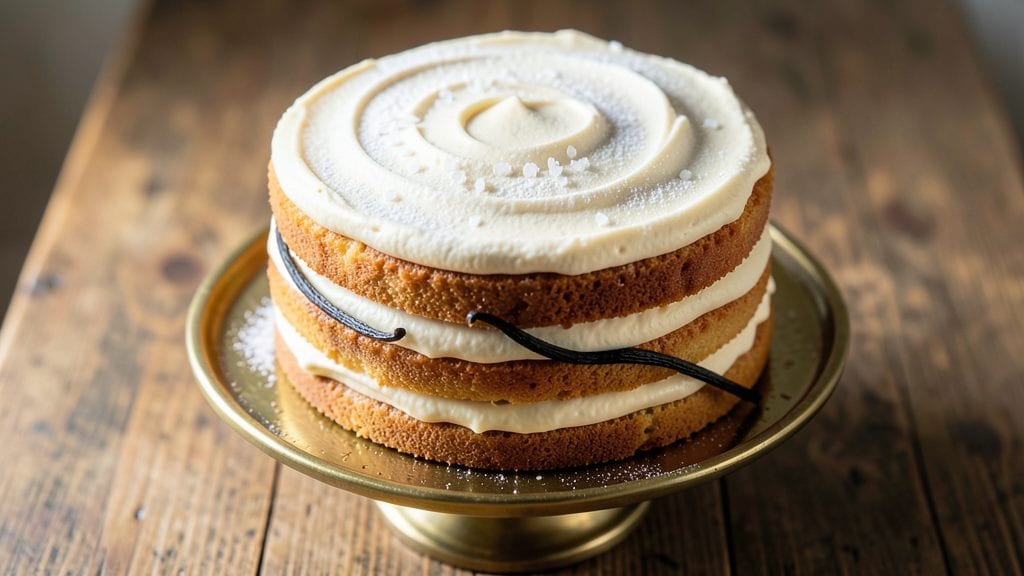
This Mastro's Butter Cake copycat recipe delivers the signature buttery layers and velvety vanilla frosting that made the original legendary. The secret lies in precise ingredient ratios and a foolproof baking method that ensures every slice stays moist for days.
After years of perfecting this recipe, I've cracked the code to recreating that iconic texture at home—no shortcuts, just proven technique.
The foundation starts with a rich, buttery cake batter that's neither too dense nor too light, striking the perfect balance for tender layers. A precise oven temperature and baking time are critical—too hot, and the cake dries out; too cool, and it stays gummy.
The frosting, a simple yet luxurious vanilla buttercream, needs to be smooth and thick enough to hold its shape while complementing the cake's richness. This isn't just a copycat; it's a professional-quality dessert that rivals the original.
What you'll end up with is a cake that's perfectly moist in the center yet sturdy enough to slice cleanly, topped with a glossy vanilla frosting that tastes like nostalgia.
The layers hold together beautifully, and the flavor—rich, buttery, and just sweet enough—will transport you back to that first bite at Mastro's. This recipe is designed to impress, whether you're baking for a celebration or simply craving a taste of comfort.
Ready to recreate this classic? The instructions walk you through every step, from mixing the batter to achieving that signature frosting consistency. With these precise measurements and techniques, you'll have a cake that's worth every bite—just like the original. Let's get baking!
Ingredients for mastro's butter cake copycat
Butter, sugar, and flour—just three staples, but the magic is in the ratios.
| Ingredient | Amount | Notes |
|---|---|---|
| Unsalted Butter 🧈 | 1 ½ cups | Room temperature, full-fat preferred |
| Granulated Sugar 🍚 | 2 ½ cups | Superfine preferred for smooth texture |
| All-Purpose Flour 🌾 | 2 ½ cups | Sifted, spooned and leveled |
| Baking Powder 🍞 | 1 ½ tbsp | Aluminum-free for best results |
| Salt 🧂 | ½ tsp | Fine sea salt preferred |
| Vanilla Extract 🍃 | 2 tsp | Pure Madagascar bourbon preferred |
| Large Eggs 🥚 | 4 whole | Room temperature, separated |
| Whole Milk 🥛 | ½ cup | Room temperature, full-fat |
| Unsalted Butter 🧈 | 1 cup | Room temperature, for frosting |
| Powdered Sugar 🍚 | 4 cups | Sifted, for smooth frosting |
| Vanilla Extract 🍃 | 1 tbsp | Same brand as cake batter |
| Heavy Cream 🥛 | ½ cup | Cold, for extra richness |
| Vanilla Bean Paste 🌿 | 1 tsp | Optional, for extra depth |
The butter here is non-negotiable. Land O'Lakes or Plugrá are my go-tos—they melt smoothly and don't separate. Room temperature is key (press a thumbprint into a cold stick—it should spring back). For the sugar, superfine is a game-changer—it dissolves faster and gives that signature silky texture. The flour? King Arthur or Gold Medal work perfectly, but measure it right: spoon it into the cup, then level it off. No scooping from the bag. The vanilla? Madagascar bourbon has that deep, complex flavor—don't skimp on the good stuff.
No superfine sugar? Pulse regular granulated in a food processor for 30 seconds. Dutch-processed cocoa powder can replace some flour (swap 1 tbsp flour for 1 tsp cocoa), but the cake won't be identical. Eggs must be room temp—cold ones cause tunnels. The milk? Whole fat only—skim won't give the same richness. For the frosting, if you're out of vanilla bean paste, double the extract. And that heavy cream? Cold is crucial—it whips up fluffier. No heavy cream? Substitute Greek yogurt at half the amount, but the texture will be slightly denser.
This cake keeps beautifully—3 days at room temp in a cool, dark place, or 1 week refrigerated. Wrap it tightly in plastic wrap, then foil. The frosting? 3 days refrigerated max, or freeze it for 1 month. I always bake a day ahead—flavors meld better. To reheat, microwave a slice for 10 seconds. Trust me, it's worth the wait.
Why You'll Love This Recipe
- Five-Ingredient Magic: This recipe feels like cheating—just butter, sugar, flour, a pinch of baking powder, and salt. No fancy mix-ins, no stress, just pure, golden perfection that tastes like nostalgia in every bite.
- Rich Without Effort: That creamy butter-to-sugar ratio? It’s what makes this cake melt-in-your-mouth tender, not dry or crumbly. The baking powder gives it just enough lift, so it’s light but still rich—like a hug from Mastro’s.
- Birthday or Breakfast: Slice it for a celebration or serve it with coffee—this cake handles any moment. Honestly, I’ve eaten it cold from the fridge, warmed with a drizzle of honey, and even as a makeshift pancake base. It’s that adaptable.
- Leftovers That Last: One batch feeds a crowd, and the rest? Stays fresh for days. I’ll be real: I’ve reheated slices in the oven until the edges were crispy again, and no one ever guessed they weren’t fresh. Budget-friendly and foolproof.
Step-by-step instructions for Mastro's butter cake copycat recipe
Here's how to recreate that legendary moist cake with velvety frosting—every layer perfect.
Cream Butter and Sugar Until Light and Fluffy
In a stand mixer fitted with the paddle attachment, beat the 1½ cups unsalted butter and 2½ cups granulated sugar on medium speed for 5-7 minutes. You're looking for a pale, thick ribbon that holds its shape when the beaters are lifted. This step is non-negotiable for that signature tender crumb—under-creaming means dense cake.
Here's the thing—stop mixing once the butter looks like it could "stand up" in peaks. If you overmix, you'll develop gluten and end up with cake that's more bread-like than cake. Scrape down the sides of the bowl every minute or so to ensure even mixing. The butter should be completely smooth with no graininess remaining.
Add Eggs and Vanilla for Rich Depth
Add the 4 large eggs, one at a time, mixing just until each is fully incorporated after about 10 seconds per addition. Then stir in the 2 tsp vanilla extract and 1 tsp vanilla bean paste (if using). The paste adds that restaurant-quality depth of flavor that makes this cake special.
I like to add the vanilla bean paste right here because its concentrated flavor needs to be fully distributed throughout the batter. If you're using the optional paste, give the bowl a quick scrape to make sure none of those flavorful specks get left behind. The batter should now be thick, smooth, and have a rich vanilla aroma.
Combine Dry Ingredients and Milk for Perfect Texture
In a separate bowl, whisk together the 2½ cups all-purpose flour, 1½ tbsp baking powder, and ½ tsp salt. Sift the flour first if it's not already sifted—this prevents lumps that can lead to dense spots in your cake. With the mixer on low speed, gradually add the dry ingredients to the wet mixture, alternating with the ½ cup whole milk.
Start and end with flour to ensure even distribution. Mix just until combined—you should still see some flour streaks. Overmixing here develops gluten, which we definitely don't want. The batter should be smooth with a thick, pudding-like consistency. If it's too thick, add 1-2 tablespoons more whole milk to reach the perfect pouring consistency.
Bake in Layers for Maximum Moisture
Preheat your oven to 350°F and grease three 8-inch round cake pans with ½ cup unsalted butter (reserved from the original 1½ cups), then line the bottoms with parchment paper. Divide the batter evenly among the pans—you should have about ⅓ cup per pan. Bake for 25-30 minutes or until a toothpick inserted in the center comes out clean.
Here's where the magic happens: Let the cakes cool in their pans for 10 minutes before removing. This prevents them from cracking as they cool completely. Then transfer to a wire rack to cool completely. The cakes should be moist but completely set—no gummy centers. If you cut into one too soon, you'll lose that perfect structure.
Whip the Frosting and Assemble Like a Pro
In a large bowl, beat the remaining 1 cup unsalted butter until creamy, about 3 minutes. Gradually add the 4 cups powdered sugar, mixing on low speed until combined. Increase to medium speed and beat for 2-3 minutes until light and fluffy. Add the 1 tbsp vanilla extract and ½ cup heavy cream, mixing until smooth and spreadable.
This frosting needs to be at room temperature for the perfect consistency—neither too stiff nor too runny. Spread a thin layer on the first cake layer, then stack the remaining layers. Cover the entire cake with frosting, then smooth the top with an offset spatula. Chill for 30 minutes before slicing to allow the frosting to set slightly—this prevents a messy cake.
Pro Tips For Making Mastro'S Butter Cake Copycat
- Sift the Flour Like a Pro: Don’t just dump that 2½ cups all-purpose flour into the bowl—sift it first. I learned this the hard way when I got dense pockets in my cake. Use a fine-mesh sieve, tap the bowl lightly to settle any stubborn clumps, and spoon it in level (not scooped). That extra effort keeps the crumb light and even.
- Stop the Mixer at the Right Moment: The 5-7 minutes of creaming butter and sugar feels like forever, but push through—you’re aiming for that pale, ribbon-like stage where the butter could almost stand up. I used to pull it early and wondered why my cake tasted flat. Scrape the bowl every minute, or you’ll end up with uneven mixing and a heavier texture.
- Grease Pans with the Reserved Butter: Skip the cooking spray—use that ½ cup unsalted butter you set aside. Melt it slightly, brush it on the pans, then line with parchment. The butter creates a nonstick barrier that keeps the cake from sticking, and it adds that signature buttery richness right from the start. Trust me, your future self will thank you when the cake slides out clean.
- Chill the Frosting Before Stacking: The frosting needs to be room temperature when you whip it, but don’t rush the assembly. After making the buttercream with the 4 cups powdered sugar and ½ cup heavy cream, let it sit for 10 minutes before stacking. This gives the frosting time to thicken just enough so it doesn’t slide off the layers when you flip. Patience here = no frosting disasters.
Regional styles of this mastro's butter cake copycat
Classic Southern Twist
In the American South, this cake often gets a buttermilk wash before baking—just brush the layers with ½ cup buttermilk mixed with 1 tbsp brown sugar before frosting. The tanginess balances the richness, creating a texture that’s both tender and slightly moist.
I’ve seen bakers in Alabama swear by this method for an extra layer of depth. 💛
New England’s Lemon Glaze
New England bakers love adding a bright citrus finish—drizzle the cooled cake with a simple lemon glaze made from ½ cup powdered sugar mixed with 1 tbsp lemon juice and a pinch of zest.
This zesty contrast cuts through the butteriness perfectly, especially in coastal towns where fresh lemons are abundant.
Midwest’s Caramel Drizzle
The Midwest takes this cake to new heights with a caramel drizzle—heat ½ cup caramel sauce (like Goetze’s) with 2 tbsp heavy cream until smooth, then pour over the frosted cake.
The sweet, salty notes from the caramel create a decadent finish that’s become a staple at Iowa fairs and Chicago bakeries.
West Coast’s Matcha Frosting
In California, health-conscious bakers swap out traditional frosting for a matcha-infused version—whip 1 cup unsalted butter with 2 cups powdered sugar, 1 tbsp matcha powder, and 1 tsp vanilla extract.
The earthy green hue and subtle bitterness add a modern twist while keeping the cake’s signature moisture. It’s a hit at vegan-friendly brunch spots!
Puerto Rican Vanilla-Coffee Fusion
For a tropical twist, Puerto Rican bakers blend coffee and vanilla into the frosting—mix 1 cup powdered sugar with ½ cup cold coffee (like Café Batel) and 1 tbsp vanilla extract before folding into the buttercream.
The coffee’s warmth complements the cake’s buttery richness, making it a standout at local panaderías.
Nutrition facts
Frequently asked questions
Why does the recipe specify room-temperature butter and eggs?
Room-temperature butter and eggs blend smoothly, creating a light, fluffy texture without dense pockets. Cold butter creates a grainy texture, while cold eggs can cause uneven mixing. The 1½ cups unsalted butter and 4 large eggs need to soften just enough to be pliable but still hold shape when pressed. Press a thumbprint into a stick of butter—if it springs back, it's ready!
Can I substitute whole milk for heavy cream in the frosting?
Yes, but the frosting will be slightly less rich. Replace the ½ cup heavy cream with an equal amount of whole milk, though it may not whip as fluffy. For extra creaminess, add an extra 1 tbsp vanilla extract to compensate for the texture difference. The cake’s flavor remains intact, just a tad lighter.
What if my cake layers crack while cooling?
This happens when cakes cool too quickly. After baking, let them cool in the pans for 10 minutes before transferring to a wire rack. Avoid opening the oven door too often during baking, and ensure your pans are evenly greased. If cracks appear, cover them with a thin layer of frosting before stacking. Patience prevents problems!
How do I ensure my frosting is the perfect consistency?
Beat the 1 cup unsalted butter until creamy first, then gradually add the 4 cups powdered sugar on low speed. The frosting should be smooth and spreadable but hold its shape. If too thick, add 1 tsp milk at a time; if too thin, chill the bowl for 10 minutes before whipping again. Room-temperature ingredients are key!