
Desserts
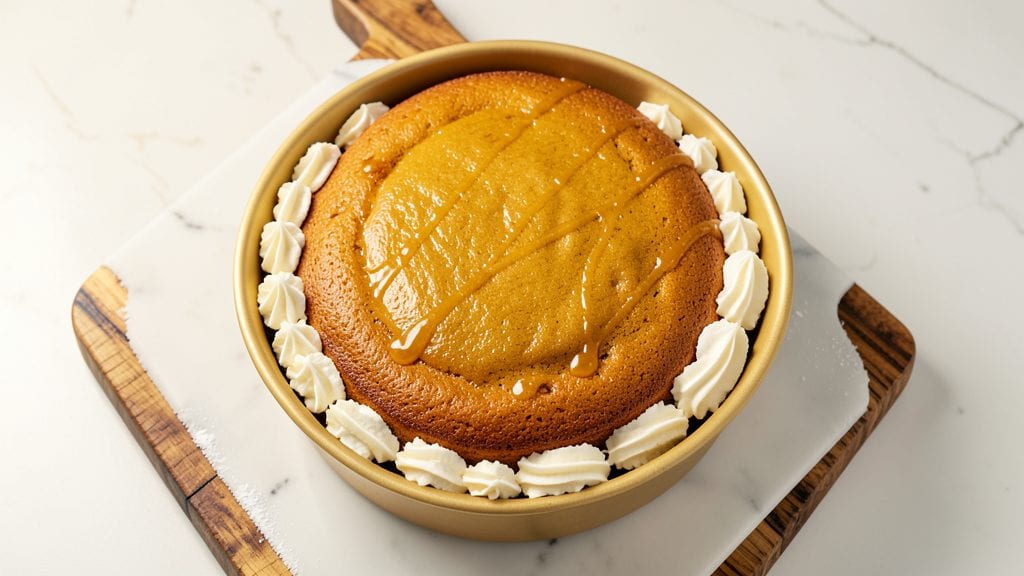
Transforming a Betty Crocker cake mix into a moist pound cake might sound counterintuitive, but this simple method delivers restaurant-quality results with minimal effort. The secret lies in adjusting the mix with extra butter and eggs, creating layers of tender crumb and a golden crust that stays fresh for days.
I've tested countless variations, and this approach consistently delivers a cake that rivals homemade from scratch.
This recipe builds on the convenience of boxed cake mix while elevating it to something truly special. With just a few additional ingredients—like powdered sugar for stability and vanilla extract for depth—you'll achieve a cake that's light, fluffy, and perfectly moist.
The best part? It requires no special skills, just precise measurements and a standard cake pan.
What you'll end up with is a moist pound cake that slices beautifully, stays tender even after cooling, and holds its shape without being dry. The texture is airy yet substantial, with a subtle sweetness that lets the vanilla flavor shine through.
This cake is perfect for birthdays, holidays, or whenever you crave a classic dessert with minimal fuss.
Once baked, you can serve it plain with a dusting of powdered sugar or take it further with whipped cream, fresh berries, or a simple glaze. The possibilities are endless, but the foundation remains the same: a foolproof method that turns pantry staples into something extraordinary. Let's get started!
Ingredients for betty crocker cake mix pound cake
Just a few simple additions to your favorite cake mix. No fancy techniques, just better texture.
| Ingredient | Amount | Notes |
|---|---|---|
| Betty Crocker Super Moist Vanilla Cake Mix 🍰 | 1 box | Any vanilla cake mix works |
| Unsalted Butter 🧈 | 1 cup | Softened, full-fat for richness |
| Large Eggs 🥚 | 4 whole | Room temperature preferred |
| Powdered Sugar 🍚 | ½ cup | For stability and texture |
| Pure Vanilla Extract 🌿 | 2 tbsp | High-quality for depth |
| Milk 🥛 | ½ cup | Whole milk for creaminess |
| Vegetable Oil 🫒 | ¼ cup | Substitute for some butter |
| All-Purpose Flour 🌾 | ½ cup | For extra tenderness |
| Baking Powder 🍃 | 1 tsp | Boosts rise slightly |
| Salt 🧂 | ¼ tsp | Balances sweetness |
| Granulated Sugar 🍬 | ¼ cup | Adds subtle caramel notes |
The cake mix is the base, but the butter and eggs are what transform it. Use full-fat butter—it creates that rich, moist crumb you can't get with margarine. Room temperature eggs incorporate better, but if yours are cold, just let them sit out for 30 minutes. The powdered sugar might seem odd, but it's key for that tender, cakey texture (think pound cake, not cupcake). I always grab Land O'Lakes butter from the grocery store—it's reliable and affordable. For the vanilla, McCormick Pure Vanilla is my go-to, but any good brand works. The extra flour and baking powder might seem redundant, but they help create that fine, even crumb.
No vegetable oil? Melted butter works in a pinch, but reduce the butter by 2 tbsp to keep the fat balance right. Short on powdered sugar? Granulated sugar at half the amount will work, though the texture won't be quite as tender. The milk can be any kind—even almond milk in a bind, though it might make the cake slightly denser. Want to make this gluten-free? Swap the all-purpose flour for a 1:1 gluten-free blend (like Bob's Red Mill). The baking powder is non-negotiable though—it's what gives that classic pound cake rise. If you're feeling fancy, add a pinch of cream of tartar to stabilize the baking powder for an extra lift.
This cake keeps beautifully—3-4 days wrapped at room temperature or 1 week in the fridge. For longer storage, slice and freeze portions for up to 3 months. I always bake mine in a 9x5-inch loaf pan for that classic pound cake shape, but a 9-inch round pan works too. The best part? It reheats perfectly—just wrap a slice in foil and warm in the oven for 10 minutes. Leftovers make great French toast or cake pops too.
Why You'll Love This Recipe
- No-Prep Panic Buster: This is the cake I make when I’m this close to ordering takeout. The Betty Crocker mix handles all the heavy lifting—just whisk, fold, and bake. The secret? Creaming that 1 cup softened unsalted butter with ½ cup powdered sugar for 3-4 minutes gives it that pound cake structure without the fuss. My oven timer even beeps before I’m ready to check it.
- Caramel-Kissed Vanilla: That ¼ cup granulated sugar in the wet mix? Game-changer. It doesn’t just sweeten—it adds those just subtle caramel notes that make each bite taste like a little surprise. And the 2 tbsp pure vanilla extract? High-quality stuff makes it smell like a bakery, not a box. Trust me, it’s the difference between “meh” and “whoa.”
- Leftover Legend: This cake is that good, I don’t feel guilty about seconds. It keeps 3-4 days at room temp or a whole week in the fridge—perfect for lazy mornings or when guests drop by unannounced. Slice it thin, dust with powdered sugar, and boom: instant dessert or breakfast. My kids even ask for it over cereal.
- Budget Cake Magic: You’re already paying for the Betty Crocker mix, so why not lean into it? The extra ½ cup all-purpose flour and ¼ cup vegetable oil keep costs low while boosting texture. And if you’re pinching pennies, melted butter works—just cut back by 2 tbsp. Still tastes like a bakery, just with a little less guilt.
Step-by-step instructions for Betty Crocker cake mix pound cake
This method transforms box mix into a rich, moist pound cake with minimal extra work.
Prep the Mix and Mix-Ins
Start by preheating your oven to 350°F and grease a 9-inch round cake pan thoroughly with ¼ cup vegetable oil. I like to use a pastry brush for even coverage—this prevents sticking and makes removal easy later. Line the bottom with parchment paper for extra insurance.
In a medium bowl, whisk together the 1 box Betty Crocker Super Moist Vanilla Cake Mix, ½ cup all-purpose flour, 1 tsp baking powder, and ¼ tsp salt. This step ensures even distribution of dry ingredients, which prevents dense spots in your cake. Set aside while you prepare the wet ingredients.
Combine Wet Ingredients for Maximum Moisture
In a large mixing bowl, cream together the 1 cup softened unsalted butter and ½ cup powdered sugar until light and fluffy—about 3-4 minutes with an electric mixer. This step incorporates air, which creates that classic pound cake texture. Scrape down the sides of the bowl to ensure everything's well combined.
Add the 4 large eggs one at a time, mixing well after each addition. Then stir in the ½ cup milk, 2 tbsp pure vanilla extract, and ¼ cup granulated sugar. The granulated sugar adds subtle caramel notes that complement the vanilla. Mix until just combined—overmixing develops gluten and makes the cake tough.
Fold Dry Ingredients and Bake to Perfection
Gradually add the dry ingredient mixture to the wet ingredients, mixing on low speed just until combined. The batter will be thick but pourable—this is exactly what you want for that classic pound cake texture. Pour the batter into your prepared pan and smooth the top with a spatula.
Bake in the preheated oven for 50-55 minutes, or until a toothpick inserted in the center comes out clean. The cake is done when the top springs back when gently pressed and the edges pull away slightly from the pan. If the top browns too quickly, tent loosely with foil after 30 minutes to prevent over-browning.
Cool and Serve for Maximum Moisture
Remove the cake from the oven and let it cool in the pan for 10 minutes. Then transfer it to a wire rack to cool completely. This gradual cooling prevents cracking and helps the cake set properly. For extra moisture, brush the warm cake with a simple syrup made by dissolving ½ cup powdered sugar in 2 tbsp hot water—this keeps the layers tender.
Slice when completely cool and serve with whipped cream or fresh berries. The cake should have a tender crumb with just the right amount of density—no dry edges or dense center. Store leftovers covered at room temperature for up to 3 days or refrigerate for up to 5 days for best texture.
Pro Tips For Making Betty Crocker Cake Mix Pound Cake
- Whisk Dry Ingredients First: I learned this the hard way—skipping the whisk step means those dry ingredients clump like a teenager’s laundry pile. Mix the cake mix, flour, baking powder, and salt together before adding them to the wet stuff. This guarantees a smooth batter and no weird dense patches in your pound cake.
- Butter Should Be Soft, Not Melted: Melted butter works in a pinch, but you’ll lose that light, airy texture if it’s liquid. Press the butter between two sheets of parchment and let it sit at room temp for 30-45 minutes—it should dent when you press your finger in but not smear. That’s the sweet spot for creaming with powdered sugar.
- Stop Mixing When Wet Ingredients Look Like Paint: After burning three batches, I finally figured out: overmixing turns your cake into a chewy brick. Once the eggs, milk, and sugars are just combined—no streaks, no lumps—stop. The batter should look thick but pourable, like a lazy Sunday morning. Your mixer will thank you.
- Tent That Cake Early: Sounds weird, but it works: if the top starts browning too fast (especially in a hot oven), loosely tent it with foil after 30 minutes. I know, I know—you want that golden crust. But a dome of foil keeps the center moist and prevents a burnt top while the middle’s still cooking. Adjust your timer, not your patience.
Pro cooking tips for this recipe
Oven Temperature Precision
Setting your oven to 350°F is critical for even baking, but don't rely on the dial alone. I always preheat for 15 minutes and verify with an oven thermometer—many home ovens run 25-50°F hotter than indicated. This ensures your cake bakes consistently without over-browning. 🌡️
Butter Softening Secrets
Room-temperature butter is essential, but don't guess its readiness. Cut your 1 cup butter into small cubes and let it sit at room temp for 1-2 hours before mixing. If it's too soft, it won't fluff properly with the powdered sugar.
For a quick fix, place the butter in a bowl and microwave for 10-15 second intervals until just soft.
Mixing Technique Matters
When combining your wet ingredients, use medium-high speed for 3-4 minutes to create air pockets. I use a KitchenAid stand mixer on speed 5, but a hand mixer works too.
Scrape the bowl every 1 minute to avoid dry spots. Overmixing develops gluten and makes your cake dense—just mix until combined.
Baking Time Adjustments
Your cake is done when a toothpick comes out clean, but don't pull it out too early. I check at 45 minutes and then every 5 minutes after.
If the top browns too quickly, tent with foil after 30 minutes to slow cooking. Underbaking is worse than overbaking—your cake needs those final minutes to fully set.
Cooling for Perfection
Let your cake cool in the pan for 10 minutes before transferring to a rack. This prevents cracking and helps the cake set properly. I always cover it loosely with foil to retain moisture during this time. Patience here pays off with a perfectly structured crumb. 💡
Nutrition facts
Frequently asked questions
Why does this recipe use powdered sugar when making pound cake?
The ½ cup powdered sugar is key for that classic pound cake texture—it creates a tender, cakey crumb rather than a dense one. It also helps stabilize the batter and keeps the cake moist longer. Without it, you'd get a more cake-like texture instead of the rich, buttery layers you're aiming for.
Can I use melted butter instead of softened butter?
Yes, but you'll need to reduce the 1 cup melted butter by 2 tablespoons to maintain the right fat balance. Melted butter works in a pinch, but softened butter creates the light, fluffy texture that makes this pound cake special. For best results, let your butter sit at room temperature for 1-2 hours before mixing.
What if my cake doesn't spring back when pressed?
If the top doesn't bounce back when gently pressed, your cake needs 5-10 more minutes in the oven. Underbaking is the most common issue—check with a toothpick at 45 minutes and then every 5 minutes after. The cake should pull away slightly from the pan edges when done. Overbrowning is better than underbaking!
Can I make this cake in a different pan size?
You can use a 9x5-inch loaf pan for a classic pound cake shape, but adjust baking time accordingly. For a 9-inch round pan, stick to 50-55 minutes. If using a different size, reduce or increase time by 5-10 minutes based on your oven's performance. Always check with a toothpick for doneness.
How do I prevent cracks when cooling?
Let the cake cool in the pan for 10 minutes before transferring to a wire rack. Cover loosely with foil to retain moisture during this time. Rapid cooling causes cracks—this gradual process helps the cake set properly and keeps it smooth. Patience here makes all the difference!