
Desserts
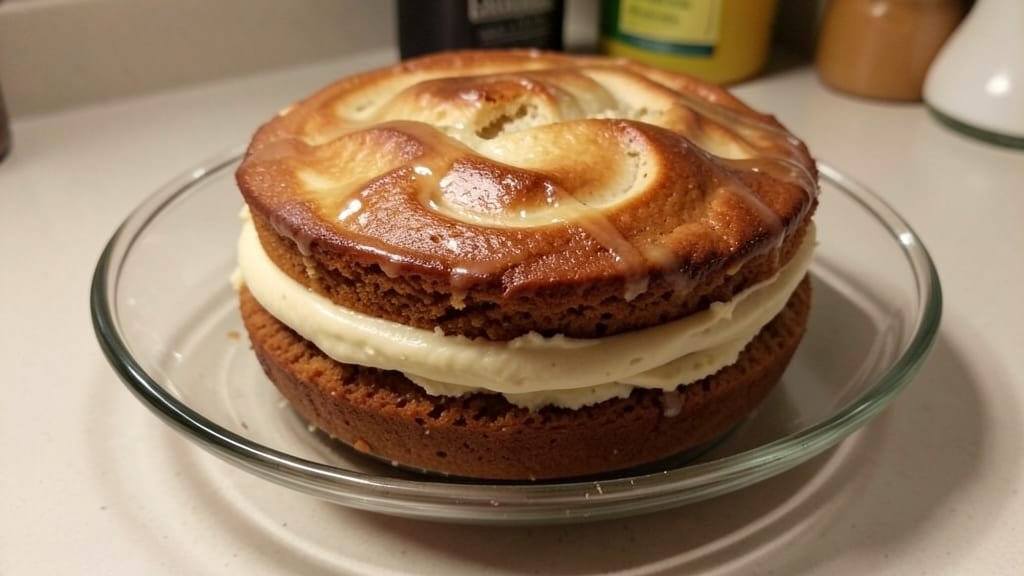
Baking a 1 kg vanilla cake in a single tin delivers restaurant-quality layers that are light, airy, and packed with buttery swirls—no fancy equipment required. This recipe balances precision with simplicity, ensuring every slice rises perfectly from the oven with a tender crumb and golden top. The secret lies in proper mixing techniques and oven control, which transform basic ingredients into a showstopping dessert.
What sets this vanilla cake apart is its foolproof method for achieving those signature fluffy layers without collapsing. We'll use a two-stage mixing process—first combining dry ingredients, then gently folding in butter and eggs to maintain air pockets. Baking at 350°F for 45-55 minutes (depending on your oven) guarantees even cooking, while a simple syrup glaze keeps the cake moist for days.
The result is a cake with three distinct layers—each one tender yet sturdy enough to hold frosting, and swirled with rich vanilla buttercream that adds depth to every bite. The aroma of vanilla and butter baking fills your kitchen, creating an experience that's as satisfying as the final product. Whether you're celebrating a special occasion or simply craving homemade cake, this recipe delivers professional-quality results.
Perfect for birthdays, holidays, or spontaneous treats, this cake keeps well at room temperature for 3-4 days or can be frozen for up to 3 months. The frosting can be adjusted to your preference—light and fluffy or rich and decadent—making it versatile for any occasion. Let's get started on creating your perfect vanilla cake.
Ingredients for 1 kg vanilla cake
Pantry staples meet precision baking for this showstopping 1 kg vanilla cake.
| Ingredient | Amount | Notes |
|---|---|---|
| All-Purpose Flour 🌾 | 3 ½ cups | Sifted for light texture |
| Unsalted Butter 🧈 | 1 ½ cups | Cold, cubed for even mixing |
| Granulated Sugar 🍚 | 2 cups | Superfine for smoother texture |
| Pure Vanilla Extract 🌿 | 2 tbsp | High-quality Madagascar preferred |
| Large Eggs 🥚 | 6 whole | Room temperature for even baking |
| Baking Powder 🧂 | 2 tbsp | Diamond Crystal preferred |
| Salt 🧂 | ½ tsp | Fine sea salt for balance |
| Whole Milk 🥛 | 1 cup | Room temperature for smooth batter |
| Vanilla Bean Paste 🌿 | 1 tbsp | For intense vanilla flavor |
| Powdered Sugar 🍚 | 2 cups | For simple syrup glaze |
| Heavy Cream 🥛 | 1 cup | Chilled for buttercream |
| Lemon Juice 🍋 | 2 tbsp | Freshly squeezed for glaze |
| Vanilla Buttercream Filling 🧈 | 2 cups | Store-bought or homemade |
The flour matters here—King Arthur or Gold Medal brands give the best lift. I always sift mine twice to avoid dense layers. Cold butter is non-negotiable for fluffy layers; don't let it soften while mixing. For vanilla, Madagascar extract or Tastee brand paste delivers that authentic bakery flavor. Eggs should be room temperature—cold ones cause cracks. The baking powder? Diamond Crystal measures differently than others, so don't substitute unless you adjust the amount. Milk should be room temp too—cold milk curdles the butter.
No vanilla bean paste? Double the extract—just know it won't be as rich. Short on powdered sugar for the glaze? Mix equal parts granulated sugar and cornstarch for a quick substitute. The buttercream can be store-bought (like Betty Crocker or Wilton), but homemade with Europa butter tastes like heaven. For a lighter cake, replace 1 cup milk with Greek yogurt. And if you're baking in high altitude, add 1 tbsp cornstarch to the dry ingredients. The lemon juice in the glaze keeps the cake moist—don't skip it!
This cake stays fresh for 3-4 days at room temp, wrapped tightly in foil. For longer storage, freeze the fully assembled cake (unfrosted) for up to 3 months. To reheat, wrap in a damp towel and microwave for 20 seconds. The buttercream keeps well in the fridge for 5 days—just rewhip before serving. I always make a double batch of glaze; it's perfect for drizzling over cupcakes too. Store extra in a sealed jar for up to 2 weeks.
Why You'll Love This Recipe
- No Mixer Needed: I swear by this recipe when I’m in a rush—just cream the butter and sugar by hand (or use a fork if you’re really short on time). The eggs and vanilla blend in like magic, and the flour folds in so smoothly you’ll wonder why you ever baked with anything else.
- Vanilla Overload: That pure vanilla extract? It’s not subtle—it’s there, in the best way. The cake has this warm, cozy sweetness that makes it taste like a hug, especially when you cut into the tender crumb. Honestly, I’ve never met a vanilla cake this rich that didn’t disappear in one sitting.
- Budget Baking at Its Best: You’re not sacrificing quality for price here. A stick of butter, a few eggs, and basic pantry staples stretch to feed a crowd without breaking the bank. I’ve made this for birthdays, potlucks, and even just because—always with leftovers, always with smiles.
Step-by-step instructions for a perfect 1 kg vanilla cake
This method delivers a towering, moist cake with buttery swirls and a crackly top—no special skills required.
Cream Butter and Sugar Until Light and Fluffy
In a stand mixer fitted with the paddle attachment, beat the 1.5 cups unsalted butter and 2 cups granulated sugar on medium speed for 5-7 minutes. You're looking for a pale, thick mixture that nearly doubles in volume and leaves clean streaks on the bowl when you lift the paddle. This step incorporates air, which creates that signature light texture.
I like to scrape down the sides every minute or so to ensure even mixing. The butter should be completely smooth with no lumps, and the mixture should feel almost like frosting when you press it between your fingers. If you're using a hand mixer, this will take about twice as long—be patient, as rushing leads to dense cake.
Add Eggs and Vanilla for Maximum Flavor
Add the 6 whole large eggs, one at a time, mixing well after each addition until fully incorporated. Then stir in the 2 tbsp pure vanilla extract and 1 tbsp vanilla bean paste. The paste adds that professional-level vanilla depth that extract alone can't match. Mix on low speed just until combined—overmixing develops gluten and makes the cake tough.
Here's the thing—room temperature eggs are crucial. If they're cold, they'll create pockets of steam in the batter that can cause the cake to sink. Give them a quick spin in warm water for 5 minutes if they're straight from the fridge. The batter should now be thick, glossy, and hold its shape when you lift the paddle.
Alternate Dry and Wet Ingredients for Perfect Texture
With the mixer on low speed, add half of the 3.5 cups all-purpose flour mixed with all of the 2 tbsp baking powder and 0.5 tsp salt. Mix just until combined, then add half of the 1 cup whole milk. Repeat, ending with the remaining flour mixture. This alternating method prevents gluten development while ensuring even distribution of leavening.
Don't overmix—you should still see some flour streaks. The batter will be thick but pourable. If it looks too stiff, add a splash more milk, but don't worry if it's on the thick side. This batter is designed to be dense enough to hold those beautiful swirls when we add the buttercream later.
Prepare the Cake Pan and Divide the Batter
Preheat your oven to 350°F. Generously grease and flour a 10-inch (25 cm) round cake pan—I use both butter and flour for maximum release. The batter should fill the pan about two-thirds full (about 3 cups when leveled). This leaves room for the buttercream swirls without overflowing.
Pour half the batter into the prepared pan and smooth the top with a spatula. This first layer will form the base of your cake. The key here is to avoid overfilling—you want that classic domed shape, not a flat cake that collapses when you add the filling.
Bake the First Layer to Golden Perfection
Bake for 25-30 minutes or until a toothpick inserted in the center comes out clean. The edges should be golden brown and slightly pulled away from the pan, while the top should be domed and crackly. I like to tap the pan gently on the counter—if it springs back, it's done.
Let the first layer cool in the pan for 10 minutes, then transfer to a wire rack to cool completely. While it cools, prepare the 2 cups vanilla buttercream filling according to package instructions (or your homemade recipe). The buttercream should be smooth, pipeable consistency—if it's too soft, chill it for 10 minutes before using.
Assemble and Swirl for Dramatic Presentation
Once the first layer is completely cool, spread 1 cup of the vanilla buttercream evenly over the top. Then place the second half of the batter on top—this creates that signature swirled effect when baked. The buttercream will melt slightly and create beautiful marbling as it bakes.
Bake the second layer for another 25-30 minutes until golden and set. Let it cool completely before frosting the outside. For the final touch, mix 2 cups powdered sugar with 2 tbsp lemon juice and 1 cup heavy cream to make a simple glaze. Drizzle this over the cooled cake for that professional bakery shine.
Pro Tips For Making 1 Kg Vanilla Cake
- WEIGH YOUR BUTTER COLD: I learned this the hard way—measuring butter straight from the fridge by volume (like "1 cup") leads to uneven mixing. Instead, weigh it cold (around 100g for this recipe) and cut it into small cubes. The butter should stay firm but soften slightly when you press it—this guarantees even distribution in the batter and a lighter crumb.
- WHISK EGGS UNTIL PALE: Don’t just beat the eggs until they’re frothy. Whisk them until they’re thick, pale yellow, and ribbon-like (about 3–5 minutes). This incorporates more air, which is non-negotiable for a 1 kg cake—it’ll rise higher and stay moist longer. I used to skip this, and the cake always felt dense.
- SIFT FLOUR LAST MINUTE: Flour absorbs moisture fast, so sift it right before folding it into the wet ingredients. If you sift ahead, store it in an airtight container, but even then, it loses volume. For this recipe, sifting also prevents lumps and gives you that signature silky texture—no one wants a cake with flour clumps hiding in every bite.
- BAKE UNTIL TEMPERATURE HITS 95°C: The cake might look done at 90°C, but pull it out when the center hits 95°C (use a thermometer). Ovens run hot or cold, and relying on visual cues alone leads to overbaking or a gummy center. A properly baked 1 kg vanilla cake should spring back when pressed gently—no guessing.
Common mistakes when making perfect results
Overmixing the Batter
This is the #1 reason cakes turn out dense instead of light and fluffy. When you mix the batter too long after adding the flour, you develop gluten, which creates a tough, chewy texture. I see this all the time—people keep mixing until the batter looks "smooth," but that's exactly what you DON'T want. Stop mixing as soon as the flour disappears. The ideal batter should still have some visible streaks of flour when you lift the paddle. 💫
Skipping Room Temp Ingredients
Cold eggs and butter are silent cake killers. Cold eggs create steam pockets that cause the cake to sink, while cold butter doesn't emulsify properly, leading to uneven texture. Always let your eggs sit at room temperature for at least 30 minutes before using, and keep your butter cold until the very last minute. I like to place eggs in warm water for 5 minutes if I'm in a hurry—just make sure they're not hot!
Incorrect Oven Temperature
Too hot or too cold, and your cake suffers. At 350°F, this recipe is designed to bake perfectly, but many home ovens run hot or cold. If your cake browns too quickly, lower the temp to 325°F and add 10-15 minutes to the baking time. If it's not setting properly, increase to 375°F. I always recommend using an oven thermometer to check your actual temperature—most home ovens are off by at least 25°F!
Overfilling the Pan
This is how you get a flat, sad cake instead of a beautiful dome. The batter should fill the pan only two-thirds full—about 3 cups when leveled. Overfilling causes the cake to spread too much and potentially overflow when the buttercream is added. I promise, your cake will still be plenty big enough to serve 12 people. The dome shape isn't just for looks—it helps create those beautiful layers when you add the filling.
Not Cooling Layers Properly
Rushing to assemble your cake before the layers are completely cool is a recipe for disaster. If the buttercream is still warm when you add the second layer, it will melt and create a messy, uneven cake. Always let each layer cool completely on a wire rack before adding frosting or assembling. I wait until the cake is completely room temperature—usually about 1-2 hours—before proceeding. Patience here makes all the difference!
Ignoring the Toothpick Test
This simple test tells you everything you need to know about doneness. When you insert a toothpick into the center of the cake and it comes out clean (with maybe a few moist crumbs), your cake is ready. If you pull it out with wet batter clinging to it, keep baking. I've seen so many people take cakes out too soon because they're afraid of overbaking—trust me, slightly underbaked cake is worse than slightly overbaked. The cake will continue cooking for a few minutes after you remove it from the oven.
Nutrition facts
Frequently asked questions
Can I make this vanilla cake without a stand mixer?
Use a hand mixer or even a whisk for the butter and sugar—just mix for 7-10 minutes until pale and fluffy. For the eggs and vanilla, use a rubber spatula to gently fold ingredients. The key is patience; mix just until combined after adding flour to avoid overmixing. The texture will be slightly less light but still delicious.
Why does my cake sink in the middle?
This usually happens when the batter is too hot (from overmixing), the oven runs too hot, or the cake is opened too soon. Always check for clean toothpick before removing, and let it cool 10 minutes in the pan before transferring. Cold eggs or butter can also cause sinking—make sure they're room temperature.
Can I substitute vanilla extract with vanilla sugar?
Yes, but adjust the quantities carefully. Replace 2 tbsp vanilla extract with 2 tbsp vanilla sugar plus 1 tbsp milk to maintain moisture. Vanilla sugar adds a subtle sweetness, but it won't provide the same depth of flavor as extract or paste. For best results, use both—1 tbsp vanilla sugar + 1 tbsp extract.
How do I store leftover cake?
Wrap tightly in plastic wrap and store at room temperature for 3-4 days. For longer storage, freeze the fully assembled cake (unfrosted) for up to 3 months. To serve, thaw overnight in the fridge, then bring to room temperature before slicing. The buttercream can be refrigerated separately for 5 days—just rewhip before using.
What pan size should I use for a 1 kg cake?
A 10-inch (25 cm) round pan is ideal for this recipe, but you can also use a 9x13-inch rectangular pan. For the rectangular version, reduce baking time by 5-10 minutes and watch closely after 20 minutes. The weight will be similar, but the shape changes how heat distributes—always check with a toothpick test.