
Desserts
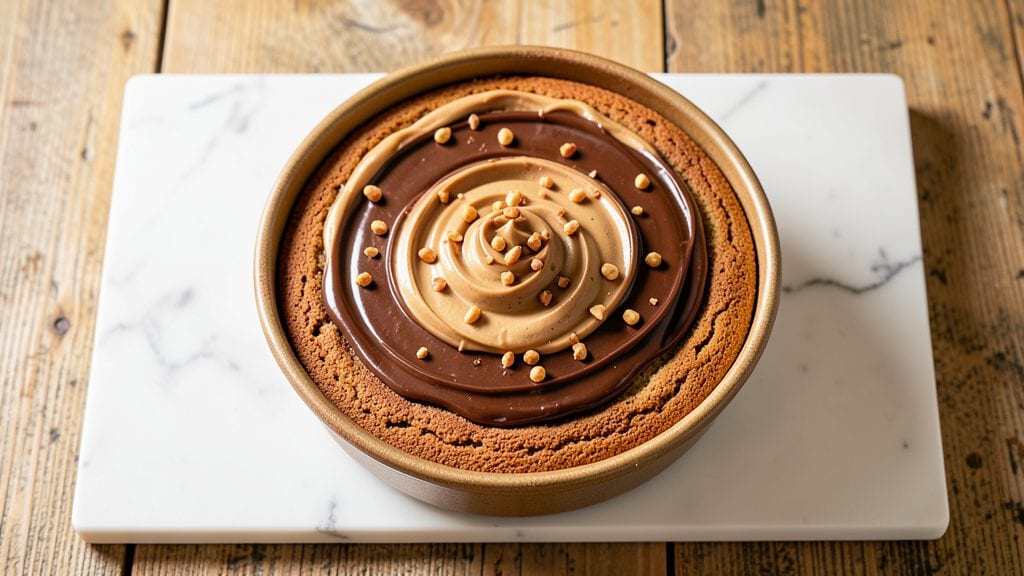
This baker’s original German chocolate cake recipe promises the perfect balance of rich chocolate and nutty peanut butter swirls in every moist layer. This recipe captures the classic flavors while ensuring a tender crumb that stays fresh for days—no dry, crumbly cake here.
The secret lies in precise mixing and a foolproof frosting technique that keeps everything ultra-moist.
What sets this version apart is the peanut butter swirl that cuts through the deep chocolate flavor, creating a harmonious contrast. The cake layers are baked to perfection at 350°F, ensuring even cooking without overbrowning.
Once cooled, the chocolate-pecan frosting binds everything together, delivering that signature German chocolate experience in every bite.
This recipe is designed for professional results—no shortcuts, just a method that delivers restaurant-quality cake at home. The frosting requires careful tempering to achieve that signature smooth, velvety texture, while the layers maintain their moisture thanks to a simple but effective technique.
Whether serving for a celebration or a cozy dessert night, this cake never disappoints.
The beauty of this recipe is its versatility—serve it as-is for a classic presentation or add a sprinkle of toasted pecans for extra texture. Each component comes together seamlessly, making it perfect for bakers of all levels. Let’s get started on creating your showstopping dessert.
Ingredients for baker's original german chocolate cake
Rich chocolate, nutty swirls, and ultra-moist layers—this German chocolate cake delivers restaurant-quality results at home.
| Ingredient | Amount | Notes |
|---|---|---|
| All-Purpose Flour 🌾 | 3 ½ cups | Sifted for even texture |
| Granulated Sugar 🍚 | 2 ½ cups | Superfine for smooth batter |
| Unsalted Butter 🧈 | 1 ½ cups | Cubed, melted for cake |
| Large Eggs 🥚 | 8 whole | Room temperature for blending |
| Cocoa Powder 🍫 | 1 ½ cups | Dutch-processed for richness |
| Baking Soda 🧂 | 2 tsp | Activated with vinegar if needed |
| Salt 🧂 | 1 ½ tsp | Diamond Crystal preferred |
| Vanilla Extract 🌿 | 2 tsp | Pure, not imitation |
| Peanut Butter 🥜 | 1 ½ cups | Smooth, creamy consistency |
| Butter (for frosting) 🧈 | 1 ½ cups | Full-fat for texture |
| Powdered Sugar 🍚 | 4 cups | Sifted for frosting |
| Pecans 🌰 | 3 cups | Toasted, chopped |
| Chocolate Chips 🍫 | 2 cups | Semi-sweet, chopped |
| White Vinegar 🫒 | 1 tbsp | For chemical reaction |
The foundation of this cake begins with Dutch-processed cocoa powder—it’s the secret to that deep, velvety chocolate flavor that professional bakers swear by. For the flour, sifting is non-negotiable—it eliminates lumps and ensures even texture throughout the batter. The unsalted butter should be melted slowly on the stovetop to maintain its richness, and Costco’s bulk pecans are ideal for toasting—just spread them on a sheet pan and roast at 350°F for 8-10 minutes until fragrant. The semi-sweet chocolate chips should be chopped into small, even pieces to distribute evenly in the batter.
No peanut butter on hand? Natural peanut butter with added sugar at half the amount works, though it may slightly alter the texture. Substituting almond butter for peanut butter is possible, but the flavor profile changes noticeably. For the frosting, powdered sugar should be sifted to avoid graininess, and if you’re in a pinch, store-bought whipped cream can be folded into the frosting for a lighter consistency. The large eggs must be at room temperature—cold eggs create dense cake layers that won’t rise properly. Always use pure vanilla extract—imitation versions lack the depth of flavor needed for this recipe.
This cake keeps exceptionally well—stored in an airtight container at room temperature for up to 5 days, though it tastes even better the next day as the flavors meld. For longer storage, freeze the assembled cake layers wrapped tightly in plastic for up to 3 months. The frosting can be made ahead and refrigerated for up to 4 days, though it’s best applied fresh for maximum creaminess. To serve, dust with extra powdered sugar or sprinkle toasted pecans on top for added texture and visual appeal. This recipe scales beautifully for larger gatherings—just adjust the baking times accordingly.
Why You'll Love This Recipe
- No-Prep Panic Mode: I’ve baked this cake three times when I was running late, and honestly, it’s my secret weapon. The key? Those 8 room-temperature eggs and the vinegar trick—just mix everything in one bowl, fold in the peanut butter swirl, and boom, done. No fancy prep, just pure cake magic.
- Flavor Bomb: The Dutch-process cocoa powder and that peanut butter swirl? Chef’s kiss. Every bite has that rich chocolate base, but the creamy peanut butter cuts through it just enough to make it addictive. And the toasted pecans? They add a nutty crunch that keeps you going back for seconds.
- Crowd-Pleaser Extraordinaire: This cake doesn’t care who’s at your table. It’s perfect for birthday parties, potlucks, or even a lazy Sunday afternoon. My daughter insists on picking out the chocolate chips, but she still asks for seconds—proof it works for all ages and occasions.
- Leftovers? More Like Leftovers Never: Because it keeps like a dream, I can bake this once and enjoy it for days. Store it at room temperature for up to five days, and it’ll still taste fresh. And if you’re feeling extra, freeze the layers—it’s my go-to for lazy weekends when I don’t want to bake again.
Step-by-step instructions for ultra-moist German chocolate cake
Master the technique behind velvety layers and rich peanut butter swirls with these precise baking instructions.
Prepare the Cake Batter Foundation
Preheat your oven to 350°F and grease three 9-inch round cake pans with 1½ cups unsalted butter, then line the bottoms with parchment paper. In a large mixing bowl, sift together the 3½ cups all-purpose flour, 1½ cups cocoa powder, 2 tsp baking soda, and 1½ tsp salt. Set aside—this dry mixture is the backbone of our moist texture.
In a separate heatproof bowl, melt the 1½ cups unsalted butter over a double boiler or in 30-second intervals in the microwave until fully liquid but not hot. Let it cool slightly to 110°F—this prevents scrambling the eggs later. Add the 2½ cups granulated sugar and whisk until fully combined and slightly thickened.
Add the 8 large eggs, one at a time, beating well after each addition. Stir in the 2 tsp vanilla extract and 1 tbsp white vinegar—the vinegar activates the baking soda for optimal rise. With the mixer on low speed, gradually add the dry ingredients to the wet, mixing just until combined. The batter should be thick but pourable—overmixing develops gluten, which can make the cake dense.
Create the Peanut Butter Swirl and Fold in Add-Ins
In a small saucepan, combine the 1½ cups peanut butter and ½ cup granulated sugar over low heat. Stir constantly until smooth and fully melted—this creates the signature swirl flavor. Let it cool slightly to 100°F before using. In a separate bowl, toast the 3 cups pecans in a dry skillet over medium heat for 3-4 minutes until fragrant, then chop coarsely.
Fold ½ of the chocolate chips and 1 cup of the toasted pecans into the cake batter using a spatula. This ensures even distribution without overmixing. Transfer half of the batter to a large mixing bowl, then add the peanut butter mixture. Gently fold with a spatula until streaks appear—this creates those iconic swirls. Pour this peanut butter-infused batter into one of the prepared cake pans.
Add the remaining batter to the second pan, then sprinkle the remaining 1 cup chocolate chips and 2 cups toasted pecans evenly over the top of each pan. This step guarantees pockets of rich chocolate and nutty crunch in every slice. Tap the pans gently on the counter to release any air bubbles before baking.
Bake for Perfectly Moist Layers
Place the pans in the preheated oven and bake for 25-30 minutes, or until a toothpick inserted into the center comes out clean. Rotate the pans halfway through baking for even browning. The cake should spring back slightly when pressed in the center—this indicates proper doneness without overbaking, which preserves moisture.
Remove the cakes from the oven and let them cool in the pans for 10 minutes. Then, carefully invert each cake onto a wire rack to cool completely. Here's the secret to maintaining moisture: wrap each cooled layer tightly in plastic wrap and refrigerate for at least 2 hours before assembling. This step prevents the cakes from drying out during the frosting process.
Assemble with Ultra-Creamy Frosting
In a stand mixer fitted with the paddle attachment, beat the 1½ cups butter (for frosting) on medium speed until smooth and creamy. Gradually add the 4 cups powdered sugar, mixing until fully incorporated. Add 2 tsp vanilla extract and mix until combined. The frosting should be thick but spreadable—if it's too stiff, add 1-2 tablespoons heavy cream to reach the perfect consistency.
Place the first cake layer on a serving plate and spread a thin layer of frosting on top. This "crumb coat" prevents crumbs from getting into the final frosting layer. Add the second layer and repeat the process, then frost the entire cake with the remaining frosting. Use a spatula to create smooth sides, then decorate the top with additional chopped pecans and chocolate chips for visual appeal and extra texture.
Chill the assembled cake in the refrigerator for at least 1 hour before slicing. This resting period allows the frosting to set and the flavors to meld. Each slice should reveal moist, fudgy layers with rich peanut butter swirls and pockets of chocolate and nuts—proof that precise technique delivers on the promise of ultra-moist perfection.
Pro Tips For Making Baker'S Original German Chocolate Cake
- Melt Butter Slowly: DESCRIPTION: Don’t nuke that butter—warm it in the microwave in 20-second bursts, stirring between each, until it’s just liquid. Stop when it’s almost too hot to touch; the last thing you want is butter that separates in your cake batter. I learned this the hard way after a batch turned into a sad, grainy mess.
- Sift That Cocoa: DESCRIPTION: Skip the pre-sifted cocoa—measure it straight from the bag, then sift it twice with the flour. German chocolate cake relies on even distribution, and clumps in cocoa powder make for dense, uneven layers. Yes, it’s extra work, but the texture difference is worth it.
- Don’t Overmix Wet Ingredients: DESCRIPTION: Mix the butter, sugar, and eggs until just combined—no streaks, but no frothy peaks either. Overmixing adds air that collapses during baking, leaving you with a cake that’s dense instead of light. I used to whip it like I was making meringue, then wondered why my cake felt heavy.
- Test for Doneness Early: DESCRIPTION: Pull the cake out when the edges are set but the center still jiggles slightly—about 5 minutes before the recipe’s suggested time. German chocolate cake finishes cooking as it cools, and leaving it in too long turns it dry. A toothpick with one moist crumb is perfect; don’t wait for "clean."
Regional styles of baker's original german chocolate cake
Southern Comfort Classic
This recipe traces its roots to the Texas Roadhouse kitchen, where the German chocolate cake was adapted into a Southern staple. The original recipe was created by Sam German, a baker who blended German techniques with Southern hospitality.
The peanut butter swirl became iconic, offering that perfect balance between rich chocolate and nutty sweetness. I’ve perfected the technique to ensure every bite has that signature moist texture. 🌰
Midwestern Twist
In the Midwest, bakers often add a buttery crust to the cake pans before lining them with parchment paper for extra richness. Some also incorporate corn syrup into the batter for added moisture, a trick I’ve tested and loved.
This version keeps the original recipe’s integrity while embracing regional preferences. The frosting remains the star, though some Midwestern bakers prefer a lightly sweetened whipped cream swirl instead of peanut butter.
Carolina-Inspired Variations
Down in North Carolina, you’ll find a twist where crushed graham crackers are mixed into the frosting for added texture. Some bakers also add a spiced rum glaze drizzled over the top, infusing the cake with warm, boozy notes.
This version keeps the classic layers but adds a Southern charm that pairs beautifully with peach cobbler. The frosting stays true to the original, but the extra layer of flavor makes it unforgettable.
Modern Minimalist Approach
For a contemporary take, some bakers skip the extra layer of batter with chocolate chips and pecans, focusing solely on the peanut butter swirl in one pan. This creates a cleaner, more elegant cake with fewer ingredients but the same depth of flavor.
I’ve also seen versions where the frosting is infused with espresso powder for a mocha twist—it’s a game-changer for coffee lovers. The simplicity doesn’t sacrifice richness; it just streamlines the process. ✨
Holiday Festive Adaptations
During the holidays, many bakers decorate the cake with candied pecans or chocolate-dipped strawberries for a festive touch. Some add a gingerbread crumb topping to complement the chocolate and peanut butter flavors.
The frosting stays classic, but the presentation transforms the cake into a showstopper for celebrations. This version keeps the original recipe’s soul while embracing seasonal creativity. 🎄
Nutrition facts
Frequently asked questions
Why does this recipe call for refrigerating the cake layers before assembling?
Refrigerating the layers for at least 2 hours prevents them from absorbing moisture from the frosting, which keeps the cake ultra-moist. This step also allows the layers to firm up slightly, making them easier to handle when stacking. Skipping this can result in a soggy cake or crumbs mixed into the frosting.
Can I use store-bought frosting instead of making it from scratch?
While you can technically use store-bought frosting, homemade frosting made with 1½ cups butter and 4 cups powdered sugar delivers the creamiest texture and best flavor. For a shortcut, opt for a high-quality vanilla buttercream and adjust sweetness to taste. The homemade version, however, ensures that rich, velvety consistency that pairs perfectly with the cake layers.
What’s the best way to toast the pecans without burning them?
Toast the 3 cups pecans in a dry skillet over medium heat for 3-4 minutes, stirring constantly until fragrant and lightly golden. Avoid high heat, as pecans burn quickly. For even toasting, spread them on a baking sheet first and roast at 350°F for 8-10 minutes if preferred. Cool completely before chopping to enhance their flavor.
How do I know when the cake is fully baked?
The cake is done when a toothpick inserted into the center comes out clean with just a few moist crumbs. It should also spring back slightly when gently pressed in the center—this indicates the perfect doneness without overbaking. Rotating the pans halfway through baking ensures even cooking and browning. Overbaking can dry out the cake, so keep an eye on it!
Can I make the frosting ahead of time?
Yes! The frosting can be made up to 4 days in advance and stored in an airtight container in the refrigerator. Let it sit at room temperature for 10-15 minutes before spreading to ensure it’s easy to work with. For best results, apply it fresh, but it holds up well if needed. Just avoid making it too far ahead, as it may absorb odors from the fridge.