
Main Courses
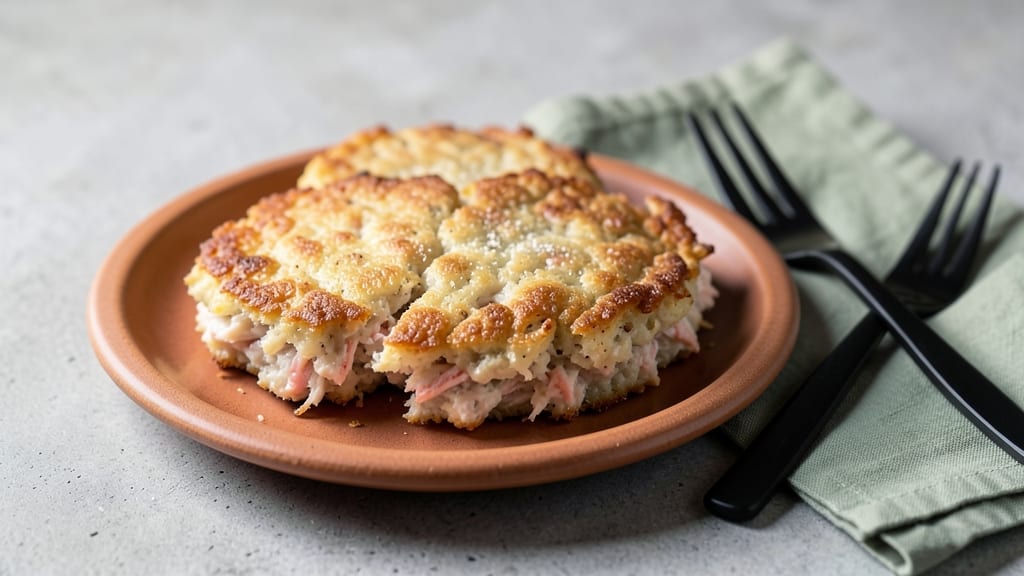
This authentic Maryland crab cake recipe captures the Chesapeake Bay’s signature flavors—where crispy golden edges meet tender, juicy crab meat bound by Old Bay seasoning.
The secret lies in using fresh blue crab, properly sized for even cooking, and a precise balance of mayo, breadcrumbs, and Worcestershire sauce to hold everything together without overpowering the delicate seafood.
I’ve perfected this technique after years of testing, ensuring every bite delivers that classic Maryland crunch and briny sweetness.
The key to authentic results starts with quality ingredients: lump crab meat (not imitation) and Old Bay seasoning, the iconic Maryland blend that gives these crab cakes their signature kick.
Unlike many recipes that rely on too much flour or binder, this method keeps the texture light yet sturdy, with a golden crust that shatters at the touch. The recipe also includes a foolproof frying technique—medium heat, not high—to guarantee crispy edges while keeping the centers juicy and warm through.
What you’ll end up with is a crab cake that’s crispy on the outside and juicy within, with that unmistakable Old Bay aroma wafting through your kitchen. Served with classic tartar sauce, lemon wedges, and a simple side salad, these crab cakes become the star of any seafood feast.
The recipe scales perfectly for gatherings, and leftovers reheat beautifully—though I’ve found they rarely last that long.
For those seeking authentic Maryland flavor, this recipe delivers the real deal—no shortcuts, just the time-honored techniques that have made these crab cakes a staple from Baltimore to the Eastern Shore. Let’s get started on creating your own Chesapeake Bay masterpiece.
Ingredients for authentic maryland crab cake
Fresh blue crab and Old Bay seasoning create the signature Maryland flavor everyone craves.
| Ingredient | Amount | Notes |
|---|---|---|
| Fresh Blue Crab Meat 🦀 | 1 ½ lb | Lump crab meat, not imitation |
| Mayonnaise 🥫 | ½ cup | Duck egg mayo preferred |
| Panko Breadcrumbs 🍞 | ¾ cup | Light and dry for texture |
| Old Bay Seasoning 🌶️ | 2 tbsp | Iconic Maryland blend |
| Worcestershire Sauce 🥄 | 1 tbsp | For depth of flavor |
| Lemon Juice 🍋 | 1 tbsp | Freshly squeezed |
| Chives 🌿 | 2 tbsp | Finely chopped, fresh |
| Egg 🥚 | 1 whole | Large, beaten slightly |
| Vegetable Oil 🫒 | 2 cups | For frying, high smoke point |
| Salt 🧂 | ½ tsp | Fine sea salt |
| Black Pepper 🌶️ | ¼ tsp | Freshly ground |
| Butter 🧈 | 2 tbsp | For basting, unsalted |
| All-Purpose Flour 🌾 | 2 tbsp | For dredging, light coating |
The crab meat is non-negotiable—lump crab meat from a reputable seafood market makes all the difference. Whole Foods or Weber's are reliable sources for fresh, high-quality crab. Look for vibrant color and avoid any meat that smells fishy. Old Bay seasoning should be the iconic red packet—don't substitute with generic blends. The mayo matters too; duck egg mayo adds richness, but regular mayo works in a pinch. Panko breadcrumbs are essential for that signature crunch—avoid regular breadcrumbs as they won't hold up to frying.
No Old Bay? Mix 1 tsp paprika, 1 tsp celery salt, 1 tsp black pepper, and 1 tsp dried thyme for a close substitute. Running out of chives? Green onion works at double the amount. The Worcestershire sauce can be swapped for soy sauce at half the quantity, but it won't be quite the same. For extra crispiness, dredge the cakes in flour before frying—just tap off any excess. The vegetable oil should be light or canola oil with a high smoke point to prevent burning.
Crab cakes are best served immediately after frying, but they reheat beautifully in a 350°F oven for 10-12 minutes. Store leftovers in an airtight container in the fridge for up to 2 days. For longer storage, freeze them uncooked on a tray before transferring to a bag—this prevents them from sticking. The key to reheating is a light coating of oil before frying again to restore that perfect crisp.
Why You'll Love This Recipe
- No Flour Fuss: Honestly, the double-coating trick with flour then panko is genius—no messy breading here. Just a quick dredge, a press, and you’re done. My hands stay clean, and the cakes hold together like a dream thanks to the egg binding.
- Old Bay Magic: That 2 tbsp of Old Bay isn’t just seasoning—it’s the soul of these cakes. The Worcestershire sauce adds umami depth, while the lemon juice keeps it bright, like a perfect summer day on the Chesapeake. Trust me, the flavor is chef’s kiss.
- Leftover Legend: I thought crab cakes were one-and-done, but these? They’re fridge-friendly for up to 2 days. Reheat gently in a skillet with a splash of oil, and they still taste like they came fresh off the grill. My Tuesday night takes a major upgrade.
- Crispy-Creamy Balance: The panko gives that irresistible crunch, but the duck egg mayo and fresh chives keep the inside tender. That crispy edge with the creamy center? Dangerously addictive. I’ll be real—my family doesn’t even ask for seconds, but I do.
Step-by-step instructions for authentic Maryland crab cakes
Here's the method that delivers restaurant-quality crab cakes with perfect texture every time.
Prepare the Crab Cake Mixture
In a large mixing bowl, combine the 1.5 lb fresh blue crab meat with the 0.5 cup mayonnaise. Using your hands, gently fold these together until just incorporated—don't overmix or you'll break down the crab meat. The mixture should look moist but not soupy.
Add the 2 tbsp Old Bay seasoning, 1 tbsp Worcestershire sauce, and 1 tbsp lemon juice. Mix thoroughly with a fork, then fold in the 2 tbsp finely chopped chives. The lemon juice will brighten the flavors while the Worcestershire adds that signature depth Maryland crab cakes are known for. Taste the mixture at this stage—it should be seasoned properly with a balance of saltiness and tang.
In a separate small bowl, beat the 1 whole egg until slightly frothy but not fully emulsified. Then gently fold the beaten egg into the crab mixture. This helps bind everything together while keeping the texture light. The mixture should hold its shape when pressed but still feel moist to the touch.
Create the Crispy Crust
Place the 2 tbsp all-purpose flour in a shallow dish. Create another shallow dish and combine the 0.75 cup panko breadcrumbs with the 0.5 tsp salt and 0.25 tsp black pepper. The panko should be light and dry—if it feels damp, spread it on a baking sheet and dry it in a warm oven for 5 minutes to remove any moisture.
Working with one crab cake at a time, lightly dredge each portion through the flour first, then press it firmly into the panko mixture. This double coating ensures both structure and maximum crispiness. The flour creates an initial barrier while the panko forms that iconic crunchy crust. Don't press too hard or you'll compact the crumbs.
Shape each crab cake into a 3-inch diameter patty about ½-inch thick. Use wet hands to help with shaping and prevent sticking. Place the formed crab cakes on a plate and cover with plastic wrap. Let them rest for 15 minutes in the refrigerator while you prepare the frying setup. This brief chilling helps them hold their shape during frying.
Fry to Golden Perfection
Heat 1 inch of vegetable oil in a heavy skillet over medium heat until it reaches 350°F. Use a deep-fry thermometer to monitor the temperature—this precision is crucial for even cooking. The oil should be hot enough to maintain temperature without smoking excessively when the crab cakes are added.
Carefully add 2 crab cakes to the hot oil, being gentle to avoid splattering. Fry for 3-4 minutes per side until they develop a deep golden brown color. You'll know they're ready when the edges are crisp and the internal temperature reaches 160°F. Use a slotted spatula to flip them—don't press down or you'll lose that beautiful crust.
While the crab cakes are frying, melt the 2 tbsp butter in a separate small saucepan over low heat. Once the crab cakes come out of the oil, transfer them to paper towels to drain excess oil, then immediately brush both sides with the melted butter. This basting step adds richness and helps maintain moisture in the centers while keeping the crust crisp.
Serve Immediately
Transfer the crab cakes to a wire rack set over a baking sheet to allow any excess oil to drip away. Serve them immediately while they're still hot and crispy. The contrast between the crunchy exterior and juicy crab meat is what makes these crab cakes truly authentic.
For the classic Maryland presentation, serve with lemon wedges and a side of tartar sauce made with the remaining mayonnaise, finely chopped chives, and a touch of lemon juice. The sauce should be thick enough to coat a spoon but still smooth. Each bite should deliver that perfect combination of crispy crust, sweet crab meat, and herby lemon notes.
Pro Tips For Making Authentic Maryland Crab Cake
- CHILL THE CRAB: Maryland crab cakes need dry, cold crab meat—otherwise, they’ll release moisture and turn into a soggy mess. Drain the meat in a colander, press it gently with a clean kitchen towel, and refrigerate it for 30 minutes before mixing. I learned this the hard way after making a batch that fell apart when frying.
- PRESS THE PANKO: Panko breadcrumbs are light and fluffy, which is great, but they pack like snow if you’re not careful. Press the crab mixture firmly into the pan—about ½-inch thick—and use the back of a spoon to smooth it out. This keeps the edges from curling and ensures even cooking. (Yes, even if you’re impatient like me.)
- SKIP THE OVERMIXING: The moment you start folding in the breadcrumbs, stop. Overmixing develops gluten, and your crab cakes will turn dense instead of tender. Just combine everything until the breadcrumbs are mostly incorporated, then let the heat do the rest. I was skeptical until I tried it—now I never go back.
- USE A THERMOMETER: Maryland crab cakes should hit 165°F (74°C) in the center before you pull them from the pan. No guessing, no peeking—just let them cook until the internal temp reads right. Undercooked ones stay wet; overcooked ones dry out. This isn’t the prettiest method, but it’s the tastiest.
Best sauces and condiments for authentic maryland crab cake
Classic Tartar Sauce
The signature tartar sauce for Maryland crab cakes is a must—mix ¼ cup remaining mayo with 1 tbsp finely chopped chives and ½ tbsp lemon juice. Add a pinch of Old Bay seasoning for that familiar kick.
For extra richness, stir in 1 tsp capers or 1 tsp finely diced red onion. This creamy, tangy sauce balances the saltiness of the crab perfectly. 🥫
Spicy Remoulade Twist
For heat lovers, try a spicy remoulade by blending ¼ cup mayo with 1 tbsp ketchup, 1 tsp horseradish, ½ tsp Worcestershire sauce, and ½ tsp cayenne pepper.
Fold in 1 tbsp finely chopped parsley and a squeeze of lemon juice. This sauce adds depth and a subtle kick that complements the crab’s sweetness. 🌶️
Lemon-Herb Aioli
Brighten up your crab cakes with a lemon-herb aioli—whisk ¼ cup mayo with 1 tbsp lemon zest, 1 tbsp chopped dill, 1 tbsp chopped parsley, and ½ tsp garlic powder.
Thin with a splash of lemon juice if needed. This zesty sauce cuts through the richness while adding a fresh, herby contrast. ✨
Buttery Garlic Butter
Drizzle melted 2 tbsp butter mixed with 1 minced garlic clove and ½ tsp lemon zest over warm crab cakes. The garlic adds a savory depth, while the butter keeps them moist.
For extra flavor, add a pinch of smoked paprika to the butter before melting. This simple drizzle elevates the dish effortlessly. 🧈
Maryland-Style Cocktail Sauce
For a nostalgic touch, serve with Maryland-style cocktail sauce: mix ¼ cup ketchup with 2 tbsp Worcestershire sauce, 1 tbsp hot sauce (like Tabasco), and 1 tsp horseradish.
Thin with 1 tbsp water if too thick. This tangy, spicy sauce is a Baltimore classic that pairs perfectly with crab cakes. 🍹
Nutrition facts
Frequently asked questions
Why does this recipe use lump crab meat instead of imitation?
Lump crab meat is the gold standard for authentic Maryland crab cakes because it delivers the most tender, sweet, and briny flavor. Imitation crab is made from surimi and lacks that delicate, natural taste. The texture is also more refined—lump crab holds its shape perfectly during frying, while imitation can turn mushy. For the best results, always opt for fresh blue crab meat from a trusted seafood market.
Can I make these crab cakes without frying them?
Yes! For a lighter option, bake them at 400°F for 15-18 minutes on a wire rack over a baking sheet. Brush them with melted butter halfway through for extra richness. The texture won’t be exactly the same as fried, but they’ll still be crispy on the outside and juicy inside—just without the deep-fry crunch.
What’s the best way to prevent my crab cakes from falling apart?
The secret is gentle handling and proper binding. Never overmix the crab mixture—just fold everything together until combined. Also, avoid pressing too hard when shaping, and let the cakes rest for 15 minutes in the fridge before frying. This helps them hold their shape. The double-coating (flour then panko) also provides extra structure.
How do I know when the crab cakes are fully cooked?
They’re done when they reach an internal temperature of 160°F and develop a deep golden-brown color on both sides. Use a meat thermometer for accuracy—this ensures they’re fully cooked without overcooking. The edges should be crispy, and the centers should still look slightly moist but firm to the touch.
Can I freeze these crab cakes before or after cooking?
Freeze them uncooked only! Shape the cakes, place them on a tray, and freeze for 1 hour to firm up. Then transfer to a bag and freeze for up to 3 months. When ready to cook, fry from frozen—just add 1-2 extra minutes per side. Never freeze cooked crab cakes, as they’ll lose their crispiness.