
Main Courses
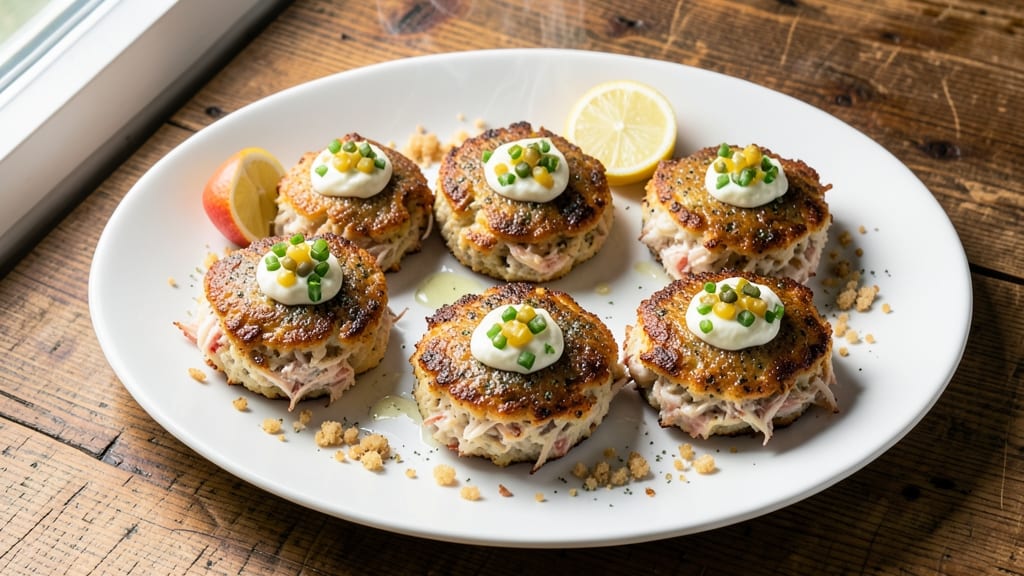
This authentic Baltimore crab cake recipe delivers the crispy edges and juicy centers that make Maryland’s signature dish unforgettable. The secret lies in using fresh lump crab meat, properly seasoned with Old Bay, and a precise pan-frying technique that ensures every bite is golden and tender.
I’ve perfected this method after countless attempts—because true Baltimore crab cakes demand both technique and patience.
The foundation starts with quality ingredients: sweet, fresh lump crab meat (never imitation) bound with just enough egg and breadcrumbs to hold its shape without overpowering the natural flavor. Old Bay seasoning is non-negotiable—it’s the signature Maryland blend that gives these crab cakes their signature tangy, slightly spicy kick.
The pan-frying process is where the magic happens: high heat, proper oil, and careful timing transform the mixture into crispy, golden perfection.
What you’ll end up with is a plate of crab cakes that rivals any waterfront restaurant in Baltimore—crispy on the outside, moist and flavorful on the inside, with that unmistakable Old Bay aroma. Served with a tangy lemon wedge and classic cocktail sauce, they’re the star of any seafood spread.
The best part? This recipe stays true to tradition while being approachable enough for home cooks to master.
For those who love to experiment, variations like spicy cayenne-infused crab cakes or gluten-free adaptations are simple to incorporate without sacrificing authenticity. Whether you’re hosting a seafood feast or simply craving a taste of Maryland, these crab cakes will deliver the real deal. Let’s get cooking!
Ingredients for authentic baltimore crab cake
Sweet lump crab meat, Old Bay seasoning, and precise technique create Baltimore's iconic crispy-juicy crab cakes.
| Ingredient | Amount | Notes |
|---|---|---|
| Fresh Lump Crab Meat 🦀 | 1 ½ lb | Sweet, backfin preferred, no imitation |
| Large Eggs 🥚 | 1 whole | Cold, lightly beaten for binding |
| Panko Breadcrumbs 🍞 | ½ cup | Japanese-style for extra crunch |
| Old Bay Seasoning 🌶️ | 2 tbsp | Signature Maryland blend, freshly ground |
| Mayonnaise 🥫 | 2 tbsp | Duck or avocado oil preferred |
| Fresh Lemon Juice 🍋 | 1 tbsp | From Meyer lemons if available |
| Extra-Virgin Olive Oil 🫒 | ¼ cup | For frying, light flavor preferred |
| Vegetable Oil 🫒 | ¼ cup | High smoke point, like avocado |
| Diamond Crystal Kosher Salt 🧂 | ½ tsp | For seasoning, not Old Bay |
| Freshly Ground Black Pepper 🌶️ | ¼ tsp | Light hand, enhances Old Bay |
| All-Purpose Flour 🌾 | 2 tbsp | For dredging, light coating |
| Unsalted Butter 🧈 | 2 tbsp | For finishing, European preferred |
| Fresh Chives 🌿 | 2 tbsp | Finely chopped, for garnish |
The crab meat is non-negotiable—sweet, fresh lump from a reputable seafood market or Whole Foods is essential. Look for backfin crab meat, which has a firmer texture that holds up better during frying. Penzeys Spices carries high-quality Old Bay if your local store doesn't stock it fresh. The mayonnaise acts as a binder but must be high-quality; Duke's or Hellmann's work well, but avocado oil-based mayo adds subtle richness. For the best results, purchase crab meat the day you plan to cook and store it in the coldest part of your fridge until use.
No Old Bay? A blend of 1 tbsp paprika, 1 tsp celery salt, 1 tsp dried thyme, and 1/2 tsp cayenne mimics its signature flavor profile. Panko breadcrumbs can be substituted with regular breadcrumbs plus 1 tbsp cornstarch for extra crispiness, but Japanese-style panko is ideal due to its light, airy texture. Short on fresh lemon juice? Bottled lemon juice with a pinch of sugar works in a pinch, though fresh is preferred for that bright tang. If you're avoiding gluten, use crushed gluten-free crackers or almond flour instead of breadcrumbs, though texture will differ slightly.
Crab cakes are best made fresh but can be formed and refrigerated for up to 4 hours before frying. Once cooked, they reheat beautifully in a skillet with a splash of water for 2-3 minutes per side to restore crispiness. Store leftovers in an airtight container with a paper towel to absorb moisture, keeping them fresh for 2 days. For freezing, fry the crab cakes fully, then store in a single layer before transferring to a freezer bag—this prevents sticking. Reheat from frozen in a skillet for 3-4 minutes per side.
Why You'll Love This Recipe
- No-Fuss Assembly: I swear, it’s just mix, shape, fry—no fancy techniques here. Toss the crab meat, egg, and Old Bay in a bowl, fold in panko until it clumps, then roll into patties. Even my college apartment stove handled it.
- Old Bay Magic: That spice blend isn’t just seasoning—it’s the soul of these cakes. The paprika, celery salt, and cayenne cut through the richness of the mayo, giving each bite that briny, zesty punch that makes you reach for another.
- Weeknight to Party: Same recipe, zero guilt whether it’s a lazy Friday night or a tailgate spread. Pan-sear for quick bites or bake them ahead for a crowd—just reheat until golden. My in-laws think I slaved over them. (They don’t know.)
- Leftovers That Don’t Suck: Unlike other crab cakes that turn soggy, these stay crispy when reheated. Toss them in a skillet or air fryer—perfect for lunchboxes or a lazy Sunday brunch. Honestly, I make a double batch just to have them on hand.
Step-by-step instructions for authentic Baltimore crab cakes
Here's the method that delivers restaurant-quality crab cakes with perfect texture every time.
Prepare the Crab Meat Mixture
In a large mixing bowl, gently fold together the 1½ lb fresh lump crab meat, 1 large egg, 2 tbsp mayonnaise, 1 tbsp fresh lemon juice, ½ cup panko breadcrumbs, 2 tbsp old bay seasoning, ½ tsp diamond crystal kosher salt, and ¼ tsp freshly ground black pepper. The mixture should be just combined—avoid overmixing, which can break down the delicate crab meat and result in dense cakes.
Here's the thing—you want to maintain some texture in the crab meat. Use your hands or a rubber spatula to gently fold everything together until you see just a few streaks of white egg remaining. The panko breadcrumbs should be evenly distributed throughout, as they'll create that signature crispy exterior. If the mixture feels too wet, add 2 tbsp all-purpose flour at this stage to help bind it together.
Chill and Shape the Crab Cakes
Cover the bowl with plastic wrap and refrigerate for 30 minutes. This chilling step is crucial—it allows the flavors to meld and the mixture to firm up slightly, making it easier to handle without falling apart when shaping. The cold temperature also helps the panko develop maximum crispiness during frying.
After chilling, remove the bowl from the refrigerator and let the mixture sit at room temperature for 5 minutes to soften slightly. Using your hands, form the mixture into 4 equal patties, each about ¾-inch thick. Press gently but firmly to create even surfaces—this ensures even cooking and crispiness. Place the shaped crab cakes on a plate and let them rest for 10 minutes before frying.
Create the Perfect Frying Setup
In a medium skillet, combine ¼ cup extra-virgin olive oil and ¼ cup vegetable oil over medium heat. The oil should reach 350°F—use a deep-fry thermometer to monitor the temperature accurately. This combination of oils gives you a high smoke point while maintaining a light flavor that won't overpower the crab.
While the oil heats, dredge each crab cake lightly in 2 tbsp all-purpose flour, shaking off any excess. This creates a delicate crust that enhances the crispiness without making the cakes too heavy. The flour should coat the surface evenly but not clump together. Work with one crab cake at a time to maintain the 350°F oil temperature—fluctuations can lead to uneven cooking.
Fry to Golden Perfection
Carefully place one crab cake in the hot oil and fry for 2 minutes per side, or until the edges are deep golden brown and the internal temperature reaches 145°F. You'll see the edges begin to crisp and develop a beautiful caramelized color—this is your signal that they're ready to flip. Use a fish spatula to turn them gently to avoid breaking apart.
During this process, keep the heat consistent at medium—too high will burn the exterior before the interior cooks through, while too low will result in greasy, undercooked cakes. Transfer the fried crab cakes to a paper towel-lined plate to drain excess oil. Repeat with the remaining crab cakes, maintaining the same oil temperature for each batch.
Finish and Serve
Return the fried crab cakes to the skillet and reduce heat to low. Add 2 tbsp unsalted butter and let it melt completely, basting the crab cakes with the butter for 1 minute. This step adds richness and helps create a glossy finish on the exterior. The butter should coat the cakes evenly, enhancing their flavor and texture.
Remove the crab cakes from the skillet and transfer them to a serving platter. Garnish each one with 2 tbsp chopped fresh chives for a pop of color and freshness. Serve immediately with lemon wedges on the side—this authentic touch allows diners to adjust the brightness to their preference. The crab cakes should be crispy on the outside with a tender, juicy interior, and each bite should deliver that perfect balance of Old Bay seasoning and sweet crab flavor.
Pro Tips For Making Authentic Baltimore Crab Cake
- Keep Oil Steady: I learned this the hard way—dropping the oil temp below 350°F turns your crab cakes greasy, while cranking it past 375°F burns the panko before the center cooks. Use a thermometer, and if you’re frying multiple batches, let the oil recover between each one. That 2-minute-per-side rule only works when the oil is actually 350°F.
- Press Patties Flat: Uneven thickness means one side gets soggy while the other turns to cardboard. Press each patty to exactly ¾-inch thickness—use a ruler if you’re skeptical. The edges should be crisp, but the center should still jiggle slightly when you flip. (Yes, even if it looks weird, it works.)
- Chill Before Frying: Skipping the 10-minute rest after shaping is how you end up with crumbling crab cakes. The cold helps the panko crisp up properly and keeps the lumps of crab meat intact. Trust me, your future self will curse you if you rush this—just set a timer and walk away.
- Butter at the End: Adding the 2 tbsp unsalted butter over low heat isn’t just for flavor—it seals in moisture and gives that glossy finish Baltimore crab cakes need. If you’re impatient and toss it in while the cakes are still hot, you’ll just melt it into the oil. Let them cool slightly first, then baste gently. The difference is night and day.
Pro cooking tips for great authentic baltimore crab cake
Oil Temperature Control
This is where precision pays off—maintain that 350°F oil temperature at all costs. I use a deep-fry thermometer because guessing the temperature leads to uneven cooking. If your oil drops below 340°F, your crab cakes will absorb too much oil and become greasy.
For extra stability, heat the oil in a cast-iron skillet—it retains heat better than stainless steel. 🌡️
Flour Dredging Technique
Don’t skip the flour step! Lightly dredge each crab cake in 2 tbsp all-purpose flour before frying—this creates that signature crispy crust without weighing them down. Shake off any excess flour so it doesn’t clump.
I use a fine-mesh sieve for even distribution. The flour acts as a barrier between the oil and the crab, preventing sogginess.
Resting Before Frying
After shaping your crab cakes, let them rest for 10 minutes on a plate. This step is crucial—it allows the mixture to firm up slightly and prevents them from falling apart when you fry.
I’ve learned the hard way that skipping this step results in messy, unshapely cakes. Trust me, the wait is worth it! ⏰
Butter Basting Finish
Returning the crab cakes to the skillet for a butter baste is what separates good from great. Melt 2 tbsp unsalted butter over low heat and spoon it over the cakes for 1 minute.
This adds richness and creates that beautiful golden sheen. I use European-style butter because it has a higher fat content, which melts more smoothly.
Internal Temperature Check
Use a meat thermometer to verify your crab cakes reach 145°F internally. This ensures they’re cooked through without drying out. I insert the thermometer into the thickest part of the cake—if it reads below 140°F, they need another 30 seconds per side.
Overcooking makes them tough, so keep an eye on that thermometer! 💡
Oil Reuse Strategy
After frying all four crab cakes, you can reuse the oil for up to 3 batches if you strain out any food debris with a fine-mesh sieve. Just bring it back to 350°F between batches.
I store leftover oil in a clean jar in the fridge for up to 1 week. For best results, replace the oil if it starts to smell rancid or loses its clarity.
Nutrition facts
Frequently asked questions
Why does the recipe call for chilling the crab cake mixture?
Chilling for 30 minutes lets the flavors meld and the mixture firm up, making it easier to shape without falling apart. It also helps the panko breadcrumbs develop maximum crispiness during frying. Skipping this step often leads to messy, unshapely cakes that crumble when cooked!
Can I make these crab cakes ahead of time?
Yes! You can form the crab cakes and refrigerate them for up to 4 hours before frying. Just let them sit at room temperature for 5 minutes before shaping. For best results, fry them fresh, but they reheat beautifully in a skillet for 2-3 minutes per side if needed.
What’s the best way to avoid greasy crab cakes?
Maintain 350°F oil temperature consistently and avoid overcrowding the pan. Dredge each cake lightly in flour before frying—this creates a protective barrier. Also, use a paper towel-lined plate to drain excess oil immediately after cooking. A deep-fry thermometer is your best friend here!
How do I know when the crab cakes are done?
Check for deep golden brown edges and an internal temperature of 145°F using a meat thermometer. They should also pull away slightly from the pan when flipped. Overcooking makes them tough, so keep an eye on that thermometer!
Can I substitute ingredients if I’m short on time?
If you’re missing Old Bay seasoning, mix 1 tbsp paprika + 1 tsp celery salt + ½ tsp cayenne for a similar flavor. For extra crispiness, use regular breadcrumbs + 1 tbsp cornstarch instead of panko. Just test a small batch first to adjust seasoning as needed!