
Desserts
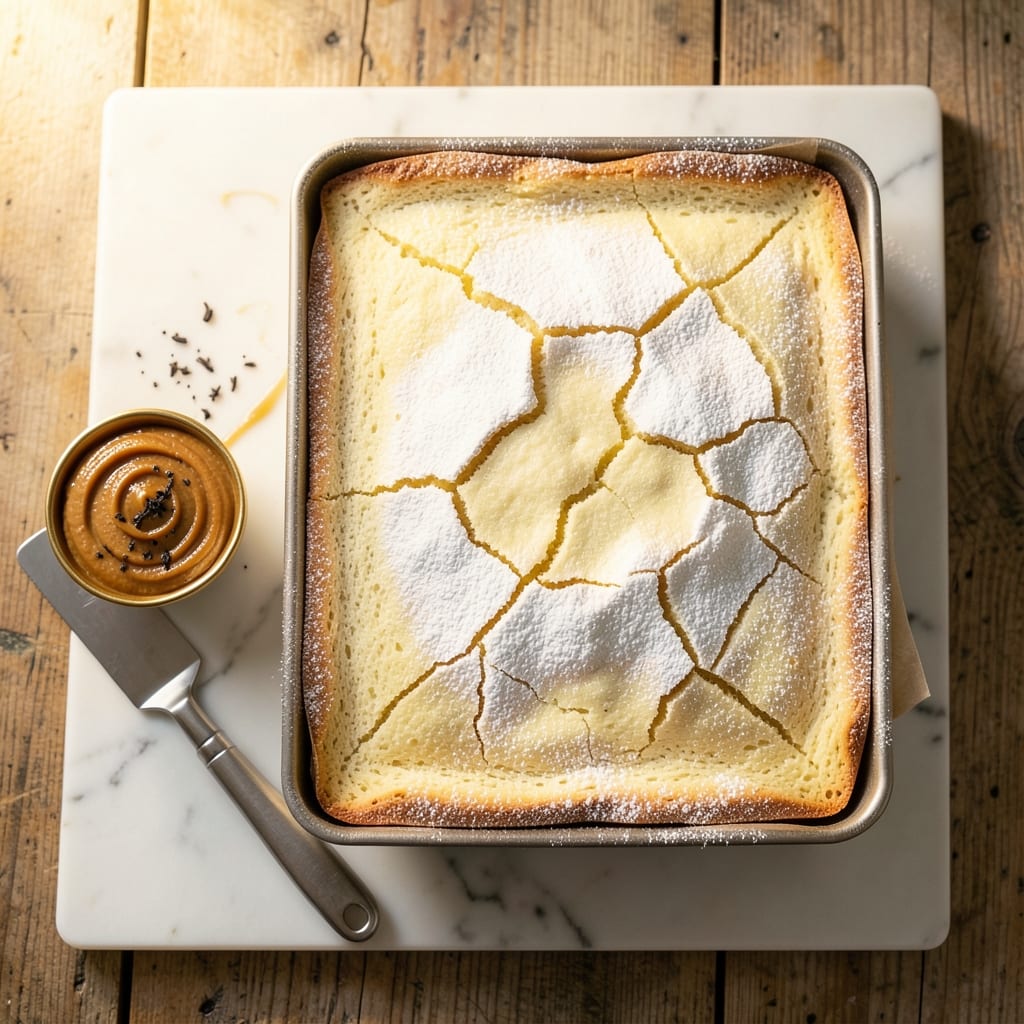
A 13x18 sheet cake transforms any celebration into a showstopper—whether it's a wedding reception, office party, or family gathering. This recipe delivers professional-level results with foolproof techniques for mixing, baking, and decorating that make even beginners look like pros. The secret lies in precise measurements and layering, ensuring every slice is moist, flavorful, and visually stunning.
What sets this recipe apart is its adaptability—choose from classic vanilla, rich chocolate, or fruity flavors, then customize with buttercream, ganache, or cream cheese frosting. Each layer is baked to perfection, then leveled and stacked with confidence, creating a sturdy base for your decorative masterpiece. The key to success? A foolproof method that eliminates common pitfalls like sinking layers or uneven frosting.
By the time you're done, you'll have a cake that's not only delicious but also a centerpiece worthy of any event. The smooth, even layers and professional finish will impress even the most discerning guests. Whether you're a seasoned baker or new to sheet cakes, this recipe delivers restaurant-quality results with minimal stress.
Ready to create a cake that steals the show? This recipe includes tips for leveling, frosting, and presentation that ensure your dessert looks as good as it tastes. Let's get started on a masterpiece that will have everyone asking for the recipe.
Ingredients for 13x18 sheet cake
Precision measurements and professional techniques transform simple ingredients into a stunning 13x18 sheet cake masterpiece.
| Ingredient | Amount | Notes |
|---|---|---|
| All-Purpose Flour 🌾 | 4 ½ cups | Sifted, spooned and leveled |
| Granulated Sugar 🍚 | 2 ¼ cups | Superfine preferred for smoothness |
| Unsalted Butter 🧈 | 1 ½ cups | Room temperature, cubed |
| Large Eggs 🥚 | 6 whole | Room temperature, separated |
| Vanilla Extract 🌿 | 2 tsp | Pure Madagascar preferred |
| Baking Powder 🍞 | 2 ½ tsp | Diamond Crystal preferred |
| Salt 🧂 | ½ tsp | Fine sea salt preferred |
| Whole Milk 🥛 | 1 ½ cups | Room temperature |
| Cocoa Powder 🍫 | ½ cup | Dutch-processed for richness |
| Vegetable Oil 🫒 | ½ cup | For chocolate variation |
| Lemon Zest 🍋 | 1 tbsp | For fruity variation |
| Powdered Sugar 🍚 | 4 cups | For buttercream frosting |
| Heavy Cream 🥛 | 1 cup | Chilled for buttercream |
| Vanilla Bean Paste 🌿 | 1 tbsp | For enhanced vanilla flavor |
The foundation begins with King Arthur or Gold Medal all-purpose flour—both brands yield consistently reliable results for sheet cakes. For the butter, Plugrá or Land O'Lakes are ideal due to their high fat content, which ensures tender crumb structure. Diamond Crystal baking powder provides optimal lift compared to aluminum-free alternatives, while Madagascar vanilla extract delivers superior depth of flavor. When sourcing cocoa powder, Dutch-processed brands like Hershey's Special Dark create a smoother finish without bitterness. For the milk, whole milk at room temperature prevents lumps during mixing, while organic lemons yield the most vibrant zest for fruity variations. Pre-measure all dry ingredients using a digital kitchen scale for precision—this eliminates volume discrepancies that can affect bake times.
Substitutions must maintain structural integrity. For butter, vegetable shortening can replace up to half the amount without altering texture, though flavor will differ slightly. Almond milk works in a pinch for the milk component, though the cake may yield slightly less volume. When omitting cocoa powder, add 1 tbsp extra flour to balance moisture content. For the frosting, cream cheese can replace half the buttercream for a tangier profile, though consistency will be slightly softer. Store-bought powdered sugar works fine, but sifting removes clumps for a smoother finish. The lemon zest can be substituted with orange zest for a different citrus note, though flavor intensity will vary. For those without a vanilla bean, imitation vanilla provides a budget-friendly alternative, though authentic vanilla delivers superior complexity.
Proper storage extends freshness and maintains structural integrity. Wrap the unfrosted cake layers tightly in plastic wrap, then place in an airtight container for up to 3 days at room temperature. The buttercream frosting should be stored in a sealed container between layers and can last 5 days in the fridge or 3 months frozen. For frosted cakes, cover completely with plastic wrap and refrigerate for up to 4 days. When reheating, microwave 10-second intervals to prevent melting. For long-term storage, freeze fully assembled cakes on a parchment-lined tray before transferring to a ziplock bag—this prevents freezer burn and maintains moisture. Thaw at room temperature before serving.
Why You'll Love This Recipe
- No Mixer Needed: I swear by this recipe when my stand mixer’s on strike—just creaming butter and sugar by hand until light and fluffy. The eggs come in next, and before you know it, the batter’s ready. (Honestly, the hardest part is waiting for the oven to preheat.)
- Butter-Sugar Magic: That rich, caramelized butter-sugar combo? It’s the secret weapon—creamy, slightly crisp edges, and a vanilla kiss that makes every bite feel like a hug. No fancy extracts here, just pure, old-school flavor.
- Feeds a Crowd: One batch stretches across potlucks, office parties, or my kids’ soccer team snacks. Cut into squares, layer with frosting, or serve it plain—it’s the ultimate crowd-pleaser. (Between us, I’ve been known to bake two.)
- Leftover Goldmine: This cake actually improves the next day—moist, tender, and perfect for breakfast toast or a quick dessert. Wrap it up, and it’ll last for days without drying out. My go-to for lazy mornings.
Step-by-step instructions for layered sheet cake
Master this elegant technique for a flawless three-layer sheet cake that impresses every time.
Prepare Cake Layers and Batter
Preheat your oven to 350°F and grease three 13x18-inch sheet pans with vegetable oil, then line with parchment paper. Sift together the 4.5 cups all-purpose flour, 2.5 tsp baking powder, and 0.5 tsp salt in a large bowl. Set aside.
In a separate large bowl, cream the 1.5 cups unsalted butter and 2.25 cups granulated sugar on medium speed until light and fluffy, about 3-4 minutes. Add the 6 whole large eggs, one at a time, mixing well after each addition. Stir in the 2 tsp vanilla extract and 1 tbsp vanilla bean paste until fully combined.
Alternate adding the dry ingredients and 1.5 cups whole milk to the butter mixture, beginning and ending with the dry ingredients. Mix on low speed until just combined—do not overmix. For the chocolate layer, whisk 0.5 cup cocoa powder into 1 cup of the batter before spreading.
Bake Layers to Perfect Doneness
Divide the batter evenly among the prepared sheet pans. For the vanilla layers, spread each portion into a 9x13-inch rectangle, leaving 1-inch between layers. For the chocolate layer, spread the remaining batter into a 9x13-inch rectangle in one pan.
Bake for 18-22 minutes until a toothpick inserted into the center comes out clean. Rotate the pans halfway through baking for even cooking. Let the layers cool in the pans for 10 minutes before transferring to a wire rack to cool completely. This prevents cracking when stacking.
Prepare Buttercream Frosting
In a stand mixer fitted with the whisk attachment, beat the 1 cup heavy cream until soft peaks form. Gradually add the 4 cups powdered sugar, mixing on low speed until combined. Increase speed to medium and beat for 3-4 minutes until the frosting is smooth and fluffy.
Add the 1 tbsp lemon zest and mix until fully incorporated. For a chocolate variation, reserve 1 cup of the frosting and mix 0.5 cup cocoa powder with the remaining frosting until smooth. The frosting should be thick enough to hold its shape but still spreadable.
Assemble and Frost the Cake
Place one vanilla layer on a cake board or serving tray. Spread a thin layer of vanilla frosting over the top. Place the chocolate layer on top, followed by the second vanilla layer. Repeat the frosting process, ensuring each layer is fully covered.
Spread the remaining vanilla frosting evenly over the top and sides of the cake. Use an offset spatula to create smooth, even strokes. For a professional finish, chill the cake in the refrigerator for 30 minutes before serving to allow the frosting to set.
Pro Tips For Making 13x18 Sheet Cake
- Cream Butter Slowly: I used to dump cold butter into the sugar and whip it like crazy, but that just makes a greasy mess. Instead, let the butter sit out for 10 minutes first, then beat it with the sugar on medium until it’s just pale yellow—not white, not butter-colored, but that perfect in-between. That’s when the air gets incorporated right, and your cake won’t be dense or greasy.
- Sift the Flour Twice: Skipping this step is how you end up with tunnels or a cake that collapses. After mixing the wet ingredients, sift the flour directly into the bowl with the other dry ingredients (baking powder, salt) and fold it in gently—just until combined. Then sift it again over the bowl before folding. Yes, it’s extra work, but it keeps the batter light and prevents lumps that’ll make your cake tough.
- Don’t Overmix the Eggs: I learned this the hard way—whipping eggs too long turns them into glue, and your cake will be rubbery. Stop mixing the eggs and vanilla as soon as they’re fully combined and just slightly thickened—no ribbons, no streaks. If you’re unsure, drop a spoonful back into the bowl; it should hold its shape but still look smooth, not scrambled.
- Rotate the Pan Mid-Bake: Sheet cakes bake unevenly, especially if your oven has hot spots. After 20 minutes, rotate the pan 180 degrees and swap the top and bottom racks if your oven runs hotter on one side. This evens out the color and texture—no more one side golden while the other’s still pale. (Pro move: Use an oven thermometer to confirm it’s actually 350°F, not 375°F.)
Wine and beer pairings for this recipe
Sweet Wine Pairings
For a classic vanilla or lemon sheet cake, a dry Riesling from Germany or Austria is my go-to choice. The wine's crisp acidity and subtle honey notes complement the cake's sweetness without overpowering it. I recommend a 2020 Dr. Loosen Blue Slate—its mineral finish cuts through the buttercream beautifully. Serve slightly chilled to enhance the flavor pairing. 🍷
Rich Chocolate Match
When your sheet cake features a chocolate layer, opt for a bold Cabernet Sauvignon with dark fruit undertones. A Napa Valley Cabernet like Caymus Vineyards provides enough tannins to stand up to the cocoa. The wine's blackberry and vanilla notes mirror the cake's chocolate depth. Let it breathe for 30 minutes before serving for optimal flavor.
Fruity Variations
For berry-infused sheet cakes, a sparkling Moscato d'Asti adds effervescence that cleanses the palate. The Italian wine's light sweetness and floral notes enhance raspberry or strawberry flavors. I love pairing it with a Dolce Vita Moscato—its delicate bubbles make each bite feel fresh. Serve in small coupes to maintain the wine's delicate carbonation.
Creamy Beer Options
A Belgian-style witbier like Hoegaarden works surprisingly well with vanilla or citrus sheet cakes. The beer's coriander and orange peel notes complement lemon zest, while its slight sweetness balances the cake's richness. For chocolate cakes, try a dark Belgian ale such as Rodenbach—its caramel and coffee undertones create a sophisticated contrast. 🍺
Coffee-Inspired Pairings
If you add espresso powder to your batter, pair with a Italian espresso martini or a Neapolitan-style coffee liqueur like Caffè Paradiso. The bitter-sweet profile mirrors the cake's depth. For a non-alcoholic option, serve with a cold brew concentrate drizzled over the cake—it enhances the chocolate notes without overpowering.
Seasonal Adjustments
In summer, a Sauvignon Blanc from New Zealand brightens fruity sheet cakes with its citrus and herbal notes. For fall, switch to a Port-style tawny—its nutty, caramelized flavors complement pumpkin or spiced variations. Winter calls for a Malbec with its dark fruit and velvety texture, perfect for richer chocolate cakes. Always adjust wine temperature to match the season: 45-50°F for whites, 55-65°F for reds.
Nutrition facts
Frequently asked questions
How do I level my sheet cake layers perfectly?
Use a serrated knife or cake leveler to trim the top of each cooled layer at a 45-degree angle for clean edges. Place a ruler or level alongside the knife as a guide. For extra precision, use a laser level tool or a string with weights to ensure perfectly even surfaces before stacking. This prevents doming and creates a professional finish.
Can I make this recipe in a smaller pan without ruining the texture?
Yes, but adjust the baking time and temperature. For a 9x13-inch pan, reduce baking time by 3-5 minutes and check for doneness at 16-18 minutes. The batter will spread thinner, so monitor closely to avoid overbaking. The texture will be slightly denser, but still delicious when properly frosted. Use a toothpick test to confirm doneness.
Why did my cake sink in the middle after baking?
This usually happens from overmixing the batter or opening the oven too soon. For this recipe, mix just until combined—stop when no dry flour remains. Avoid opening the oven during the first 15 minutes of baking, as temperature drops cause the center to collapse. If it happens, try adding 1 extra egg white to the batter next time for extra structure.
How much frosting will I need for a 13x18 sheet cake?
This recipe's buttercream yields enough for 2-3 coats on all sides and top of a three-layer cake. For extra insurance, prepare 5 cups of frosting total. If using a different frosting (like ganache), account for its thicker consistency—you may need 10-15% more than the buttercream recipe provides. Keep extra frosting chilled until ready to use.
Can I substitute vanilla extract with vanilla sugar?
Not directly—vanilla sugar lacks the alcohol content that helps develop flavor. Instead, substitute with 1 tbsp vanilla sugar + 0.5 tsp water per 1 tsp vanilla extract called for. For best results, use pure vanilla extract (or even better, vanilla bean paste) as it provides deeper flavor complexity. The alcohol also helps tenderize the cake's crumb structure.