
Desserts
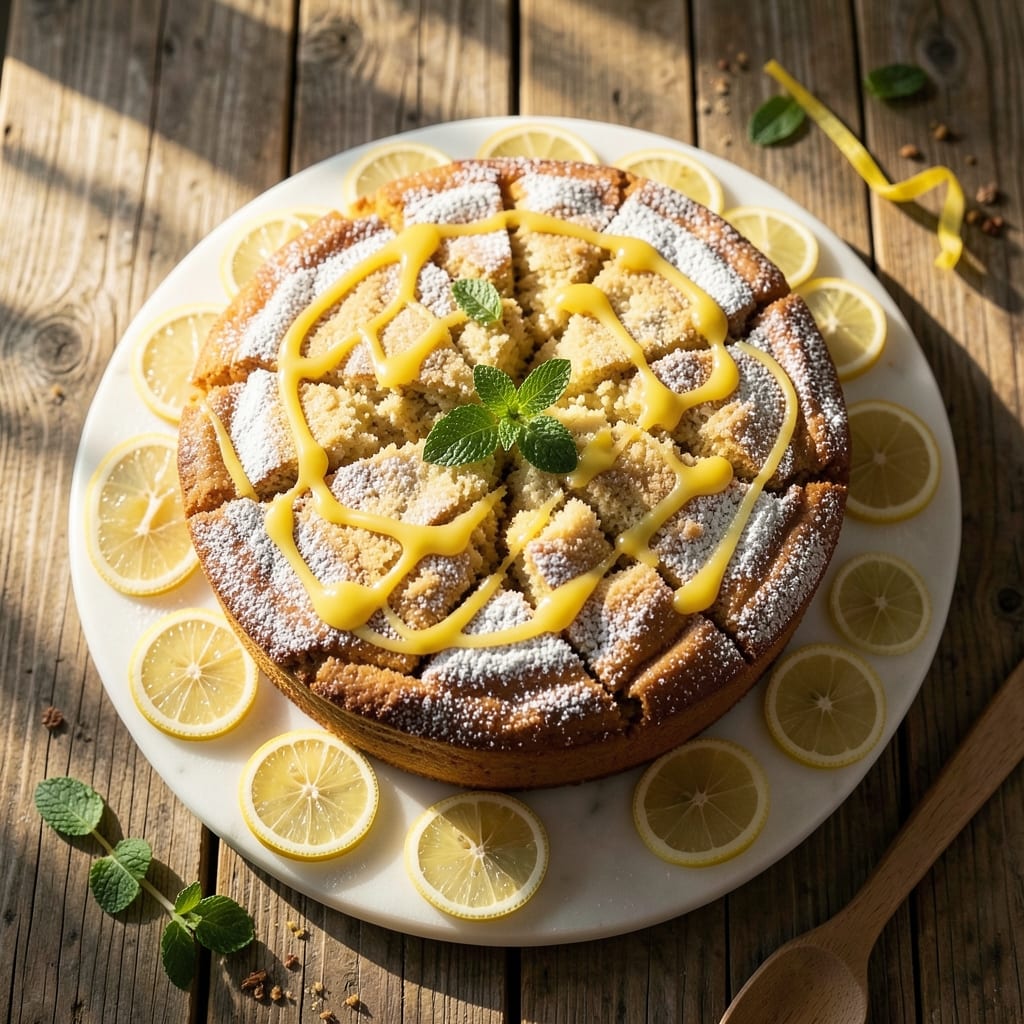
This 8-inch round lemon cake delivers the perfect balance of bright citrus flavor and tender crumb, topped with a crisp fondant crown that makes it look as impressive as it tastes. The secret lies in a precise blend of buttery cake layers and a zesty lemon filling that keeps every bite fresh and vibrant. I've perfected this recipe over years of baking, ensuring it's foolproof for both beginners and experienced bakers alike.
The cake itself is light and moist, thanks to a simple yet effective technique of folding in melted butter at the end of mixing. This creates a tender crumb that holds up beautifully to the lemon filling, which is made with fresh lemon juice and zest for maximum brightness. The fondant crown adds a professional touch that elevates this cake from homemade to restaurant-quality.
What you'll achieve is a stunning dessert that's perfect for birthdays, showers, or any celebration needing a pop of color and flavor. The crisp fondant crown provides a clean, elegant finish, while the lemon filling ensures each slice is bursting with citrusy goodness. This recipe delivers on both visual appeal and deliciousness, making it a standout centerpiece.
Ready in just 30 minutes of active prep plus baking time, this cake is surprisingly simple to make yet always impressive. Whether you're a seasoned baker or just starting out, this recipe will guide you through every step, from mixing to decorating, ensuring your lemon cake turns out perfectly every time.
Ingredients for 8 inch round lemon cake
Bright citrus meets tender crumb—here's what you'll need for this showstopper lemon cake.
| Ingredient | Amount | Notes |
|---|---|---|
| All-Purpose Flour 🌾 | 2 ½ cups | Sifted for light texture |
| Granulated Sugar 🍚 | 1 ½ cups | White or light brown |
| Unsalted Butter 🧈 | 1 cup | Room temperature, full-fat |
| Large Eggs 🥚 | 3 whole | Room temperature for blending |
| Fresh Lemon Zest 🍋 | 2 tbsp | Finely grated, organic preferred |
| Fresh Lemon Juice 🍋 | ½ cup | Strained, no pulp |
| Vanilla Extract 🌸 | 1 tbsp | Pure extract, no imitation |
| Baking Powder 🧂 | 1 ½ tsp | Diamond Crystal preferred |
| Salt 🧂 | ½ tsp | Fine sea salt |
| Milk 🥛 | ½ cup | Whole milk for richness |
| White Fondant Icing 🍰 | 1 ½ lbs | Store-bought or homemade |
| Lemon Extract 🍋 | ½ tsp | For fondant flavor infusion |
| Powdered Sugar 🍚 | 1 cup | Sifted for smooth fondant |
| Shortening 🧈 | ¼ cup | For fondant flexibility |
The lemons make or break this cake. Organic lemons from the grocery store's produce section (the ones with vibrant yellow skins) work best—avoid the sad, pale ones. For zest, use a microplane and scrape only the yellow part, no white pith. Fresh lemon juice is non-negotiable here; bottled juice has no zest and tastes flat. I usually grab a bag of lemons from Whole Foods when they're in season, but regular grocery stores have good ones too. Pro tip: Roll the lemons on the counter before juicing to get every last drop—trust me, it adds up. The butter should be soft enough to press with a finger but not greasy; if it's too cold, microwave it for 20 seconds.
No fresh lemons? Lemon extract at half the amount works in a pinch, but it won't have that bright citrus aroma. Subbing out the vanilla extract? Almond extract at the same amount gives a nice floral note. For the fondant, Wilton brand is my go-to—it's consistent and easy to work with. Shortening is key for that perfect roll; don't skip it. The cake batter can be made a day ahead and refrigerated, but let it sit at room temp for 30 minutes before baking. And if you're worried about the fondant cracking, chill it for 15 minutes before rolling it out—it'll be much more cooperative.
This cake keeps beautifully for 3 days at room temperature, wrapped tightly in plastic wrap. The fondant crown stays crisp for 2 days if stored properly, but honestly, it's best eaten fresh. For make-ahead prep, bake the cake and let it cool completely, then wrap it in plastic and refrigerate. The fondant can be made up to 3 days ahead and stored in an airtight container at room temperature. Just bring it to room temp before assembling. And if you're serving it at a party, slice it with a hot knife for clean cuts—it's a game-changer.
Why You'll Love This Recipe
- No Mixer Needed: I swear by this recipe when I’m in a rush—just cream the butter and sugar with a wooden spoon, crack in those eggs, and fold in the flour. The lemon zest brightens everything up, and honestly? It’s foolproof even if your kitchen tools are limited.
- Zesty Magic: That fresh lemon zest isn’t just garnish—it’s the star. The cake has this perfect balance of tender crumb and bright citrus punch, and the butter keeps it rich without being heavy. (Yes, even my picky husband asks for seconds.)
- Perfect for Birthdays: An 8-inch round cake is just the right size for a small celebration—no leftovers to feed an army, but enough to feel special. I’ve used it for birthdays, showers, and even as a thank-you gift. The simplicity makes it feel intentional, not stressful.
- Budget-Friendly Luxury: You’re using pantry staples here—flour, sugar, butter—and a single lemon. No fancy ingredients, no markup. The cake keeps well for days, so I can bake one batch and pull slices for snacks or dessert all week. My wallet (and my taste buds) thank me.
Step-by-step instructions for lemon cake with crisp fondant crown
Here's how to bake a perfectly moist lemon cake with that professional fondant finish.
Prep Ingredients and Preheat Oven
Start by preheating your oven to 350°F. While it heats, prepare your ingredients for maximum efficiency. Measure out the 2.5 cups all-purpose flour and sift it directly into a medium bowl—this prevents lumps and ensures a light texture. In a separate bowl, whisk together the 1.5 cups granulated sugar, 1.5 tsp baking powder, and 0.5 tsp salt.
Grate the 2 tbsp fresh lemon zest using a fine microplane and strain the 0.5 cup fresh lemon juice to remove any pulp. This bright citrus flavor is the heart of your cake. Let the 1 cup unsalted butter and 3 whole large eggs sit at room temperature for 30 minutes before using—they'll blend together more smoothly.
Cream Butter and Sugar
In a large mixing bowl, beat the room-temperature butter and sugar together on medium speed for 3-4 minutes until light and fluffy. You'll see the mixture nearly double in volume and become pale in color. This step is crucial—it incorporates air that creates that tender crumb. Scrape down the sides of the bowl with a spatula to ensure even mixing.
Add the eggs one at a time, mixing well after each addition. After the second egg, stir in the 1 tbsp vanilla extract and 0.5 tsp lemon extract for that extra zing. The batter should be thick and smooth. If it looks curdled, don't worry—it'll come together in the next step.
Combine Wet and Dry Ingredients
Gradually add the sifted flour mixture to the wet ingredients, mixing on low speed just until combined. Overmixing develops gluten, which makes cakes tough. Alternate adding the 0.5 cup milk with the flour mixture, beginning and ending with flour. This ensures even distribution and prevents a dense texture.
Fold in the lemon zest and juice using a spatula. The batter will be thick but should hold its shape when dropped from a spoon. Here's the thing—don't be tempted to add extra liquid if it seems too stiff. The cake will rise properly with the right balance of ingredients. Pour the batter into an 8-inch round cake pan lined with parchment paper.
Bake to Golden Perfection
Bake the cake for 30-35 minutes or until a toothpick inserted in the center comes out clean. The edges should be golden brown, but the top might still look slightly underdone—this is normal. If the top browns too quickly, tent the pan with foil after 20 minutes.
Let the cake cool in the pan for 10 minutes before transferring to a wire rack to cool completely. This gradual cooling prevents cracking. While it cools, prepare your fondant icing. Roll out the 1.5 lbs white fondant icing between two sheets of parchment paper to about ⅛-inch thickness. Dust your work surface with powdered sugar to prevent sticking.
Assemble with Crisp Fondant Crown
Once the cake is completely cool, spread a thin layer of the 1 cup powdered sugar mixed with 0.25 cup shortening on the cake's surface. This creates a smooth base for the fondant. Roll the fondant sheet into a log and gently press it onto the cake, smoothing any air bubbles with your fingers.
Use a sharp knife to trim the edges evenly, creating a clean, professional finish. For the crisp crown, roll out a small piece of fondant into a thin sheet and cut it into a circle slightly smaller than your cake. Press this gently onto the top, then use a small round cutter to create a decorative pattern or leave it smooth. Let the fondant set for 30 minutes before slicing—this ensures clean cuts and a professional look.
Pro Tips For Making 8 Inch Round Lemon Cake
- Preheat Pan First: Slide that 8-inch round pan into a 350°F (175°C) oven for 5 minutes before adding the batter. I learned this the hard way—cold pans cause uneven baking, and your cake might rise lopsided or sink in the middle. Trust me, it’s worth the extra minute.
- Zest Like a Pro: Use a fine microplane and rub it lengthwise over the lemon peel to get the most flavor without the bitter pith. Skip the grater—it leaves behind too much white stuff, and your cake will taste dull. (Yes, even if you’re impatient like me.)
- Don’t Overmix Eggs: Beat the eggs and sugar just until lightly ribbony—not thick or frothy. Overmixing adds air that collapses later, leaving a dense cake. I used to go full speed, and my lemon cakes turned out like sponge.
- Test for Doneness Early: Stick a toothpick in at 30 minutes—if it comes out clean, pull it. Lemon cakes dry out fast, and waiting for the timer means a sad, crumbly result. Better to err on the side of underbaked than over.
Pro cooking tips for 8 inch round lemon cake
Butter Temperature Matters
Room-temperature butter is absolutely critical for this cake—it should be soft enough to press with your finger but not greasy. If your butter is too cold, microwave it for 20 seconds in 10-second bursts to avoid melting. Too warm? Pop it in the fridge for 5-10 minutes. I've ruined cakes before by using cold butter, so always test it first—this step ensures that tender crumb we're after. 🧈
Lemon Zest Precision
Use a microplane for zesting—it's the only tool that gives you fine, even shreds without any pith. Scrape only the yellow outer layer, avoiding the bitter white pith underneath. For an 8-inch cake, 2 tablespoons is perfect, but don't skimp—this is where the magic citrus flavor lives. Pro tip: Roll your lemons on the counter before juicing to break open the juice sacs and get every last drop.
Baking Powder Type
Always use Diamond Crystal baking powder—it's double-acting and gives a better rise than single-acting brands. If you only have aluminum-free baking powder, reduce it to 1 teaspoon and add ¼ teaspoon baking soda to compensate. The cake relies on proper leavening for that light, airy texture, so don't substitute with baking soda alone—it won't work the same way.
Fondant Flexibility Trick
For the fondant crown, knead in ¼ cup shortening until the mixture becomes pliable and smooth. If it feels too stiff, dust your hands with powdered sugar and continue kneading. Chill the fondant for 15 minutes before rolling—this prevents cracking when you cut it. I like to roll it between two sheets of parchment paper to avoid sticking, and always dust my work surface with powdered sugar.
Cake Pan Prep
Grease your 8-inch round cake pan with butter and line the bottom with parchment paper, but don't let the paper touch the sides—this prevents the cake from sticking. I also like to lightly flour the sides of the pan after greasing to create an even barrier. Tap the pan gently on the counter 3-4 times after pouring the batter to remove any air bubbles that could cause uneven rising.
Fondant Crown Setting
After assembling the fondant crown, let the cake rest for 30 minutes at room temperature before slicing. This gives the fondant time to set properly and prevents it from crumbling when you cut into it. For extra stability, place the cake in the fridge for 10 minutes before serving—this firms up the fondant and makes clean slices even easier. Trust me, this small step makes all the difference in presentation. ✨
Nutrition facts
Frequently asked questions
Can I make this lemon cake without fondant?
Skip the fondant and top the cake with a simple lemon glaze made from 1 cup powdered sugar and 2 tablespoons fresh lemon juice. Drizzle it over the cooled cake for a bright, elegant finish. You can also add fresh berries or a dusting of powdered sugar for decoration. The cake will still taste amazing—fondant just adds that professional touch.
How do I adjust this recipe for a smaller or larger cake?
For a 6-inch cake, reduce all ingredients by 50% and bake for 25-30 minutes. For a 10-inch cake, increase all ingredients by 33% and bake for 40-45 minutes. Always adjust baking time based on your oven—insert a toothpick to check doneness. The key is maintaining the same batter-to-pan ratio for consistent texture.
What if my cake turns out dense instead of light? Dense cake usually means overmixing or underbaked batter.
Can I make this cake ahead of time?
Yes! Bake the cake up to 2 days ahead and store it wrapped tightly at room temperature. The fondant crown stays crisp for 2 days if kept in an airtight container. For best results, assemble the cake the day before serving and let it sit at room temperature for 1 hour before slicing. The flavors actually improve overnight as the lemon essence infuses.
What's the best way to store leftover lemon cake?
Wrap the cake tightly in plastic wrap and store at room temperature for up to 3 days. For longer storage, refrigerate for up to 5 days or freeze for 2 months. To serve, let it sit at room temperature for 30 minutes to restore the fondant's crispness. Avoid storing with the fondant crown if humidity is high—it may soften.