
Desserts
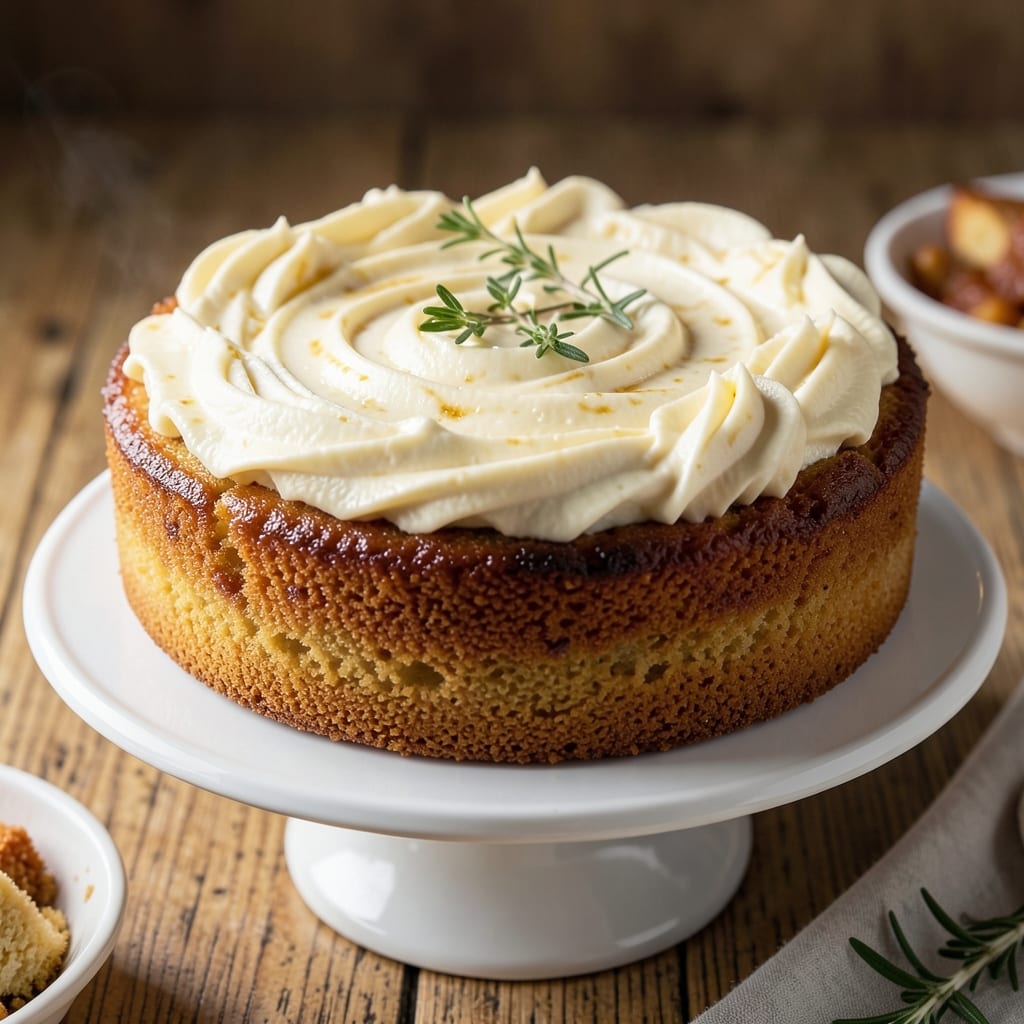
This 8-inch round pound cake recipe delivers layers of buttery richness and a tender crumb that crumbles perfectly—ideal for tea time or special occasions. The secret lies in precise ingredient ratios and gentle folding, ensuring a moist, even bake every time. I've perfected this classic vanilla version through years of baking, and it remains my go-to for elegant desserts that impress without fuss.
Baking at 325°F for about 50 minutes yields a golden dome with a crackly top and soft, buttery layers inside. The cake's simplicity—just flour, sugar, butter, eggs, and vanilla—makes it foolproof for beginners, yet refined enough for experienced bakers. A light dusting of powdered sugar or a drizzle of vanilla frosting elevates it further, creating that restaurant-quality finish.
The result is a cake that slices cleanly, revealing tender layers with just the right balance of sweetness and buttery depth. Serve it warm with tea or coffee for a comforting treat, or let it cool slightly for perfect frosting rivers. This recipe is your ticket to bakery-style perfection without the complexity.
For variations, swap vanilla extract for cocoa powder for a chocolate twist, or fold in citrus zest for a bright, fruity note. The base remains the same—versatile, reliable, and always delicious. Let's get baking!
Ingredients for 8 inch round pound cake
Just twelve ingredients transform into bakery-style perfection—rich layers and frosting rivers that wow.
| Ingredient | Amount | Notes |
|---|---|---|
| All-Purpose Flour 🌾 | 2 cups | Sifted for even texture |
| Granulated Sugar 🍚 | 1 ½ cups | White or light brown |
| Unsalted Butter 🧈 | 1 cup | Cold, cubed for even baking |
| Large Eggs 🥚 | 4 whole | Room temperature preferred |
| Pure Vanilla Extract 🌿 | 2 tsp | High-quality for best flavor |
| Baking Powder 🍃 | 2 tsp | Diamond Crystal preferred |
| Salt 🧂 | ½ tsp | Fine sea salt |
| Powdered Sugar 🍚 | 1 cup | For dusting or frosting |
| Heavy Cream 🥛 | ½ cup | Chilled for frosting |
| Milk 🥛 | ½ cup | Whole milk for richness |
| Unsalted Butter 🧈 | ¼ cup | Softened for frosting |
| Vanilla Frosting 🍰 | ½ cup | Optional for rivers |
The butter matters most here. Use European-style butter like Plugrá or Land O'Lakes if you can—it has more fat content for that classic pound cake richness. I always buy it in the 2-pound tubs at Costco because it's cheaper and lasts forever. For the vanilla, McCormick or Nielsen-Massey are my go-tos—they're affordable and pack serious flavor. The eggs should be at room temperature (pop them in warm water for 5 minutes if they're cold), and the milk? Whole milk gives the best texture. Skimping here is a mistake.
No vanilla extract? Vanilla bean paste or even imitation vanilla works in a pinch, but the flavor won't be the same. Short on butter? Coconut oil at the same amount keeps the cake moist, though it won't taste identical. The baking powder: Diamond Crystal rises more than Rumford, so if that's what you've got, use 1.5 tsp instead. For the frosting, I usually make a quick vanilla buttercream—just powdered sugar, softened butter, and vanilla—but store-bought works too. Just make sure it's chilled before spreading so it sets nicely on the warm cake.
This cake keeps beautifully—3 days at room temperature wrapped in plastic, or 1 week in the fridge if you want to slow down the staling. For longer storage, wrap tightly and freeze for up to 3 months. I always bake mine the night before and let it sit overnight—it tastes even better the next day. The frosting rivers? Let the cake cool completely before adding it, and use a piping bag with a small tip for those elegant drizzles. Trust me, it's worth the extra minute.
Why You'll Love This Recipe
- No-Fuss Mixing: I swear by this recipe because it’s just flour, sugar, butter, eggs, and vanilla—no weird ratios to stress over. Cream the butter and sugar until light, toss in the eggs one at a time, fold in the dry ingredients, and you’re done. No stand mixer required.
- Buttery Vanilla Bliss: That ratio of butter to sugar? Chef’s kiss. The crumb is tender but sturdy, and the vanilla doesn’t just smell amazing—it sings through every slice. Honestly, I’ve made this cake for years, and I still reach for the vanilla first when baking.
- Slice It Any Way: Need a quick breakfast? Toast a slice and slather it with jam. Brunch guest coming? Layer it with whipped cream. Too many leftovers? Freeze slices and reheat them for a warm treat later. It’s the ultimate blank canvas.
- Budget-Friendly Staples: This cake uses pantry basics—no specialty ingredients, no markup on fancy flours. A single batch feeds four, and the leftovers? They last days. I’ll be real: I’ve fed a crowd with this, and no one ever asks for seconds because they’re already planning their next slice.
Step-by-step instructions for 8-Inch round pound cake
Here's how to bake a perfectly moist, buttery pound cake with layers so tender they practically melt in your mouth.
Cream Butter and Sugar for Maximum Fluffiness
In a stand mixer fitted with the paddle attachment, beat the 1 cup unsalted butter (cold, cubed) and 1.5 cups granulated sugar on medium speed for 3-4 minutes. You're looking for a light, pale yellow mixture that nearly doubles in volume. This creaming process incorporates air, which creates that signature tender crumb.
I like to scrape down the sides of the bowl every 30 seconds to ensure even mixing. The butter should be fully incorporated but still slightly cool to the touch—this prevents the cake from becoming too dense. If the mixture feels too warm, chill the bowl in the freezer for 5 minutes before proceeding.
Add Eggs and Vanilla for Rich Flavor
Add the 4 whole large eggs, one at a time, mixing on low speed for 10 seconds after each addition. This gradual incorporation prevents the eggs from breaking. After all eggs are added, stir in the 2 teaspoons pure vanilla extract and mix until fully combined.
The mixture should be thick and slightly glossy. If it looks too thin, let it sit at room temperature for 5 minutes—the eggs will thicken slightly. This step ensures your cake has that classic vanilla depth without overpowering the buttery base.
Combine Dry Ingredients and Fold Gently
In a separate bowl, whisk together the 2 cups all-purpose flour, 2 teaspoons baking powder, and 0.5 teaspoon salt. Sift the flour mixture directly into the wet ingredients and mix on low speed for 20-25 seconds until just combined. Overmixing develops gluten, which can make the cake tough.
Next, add the 0.5 cup milk and mix on low speed for another 10 seconds until the batter is smooth. The batter should be thick but pourable—like a slightly runny cake batter. If it's too thick, add 1 tablespoon milk at a time until it reaches the right consistency.
Bake to Golden Perfection
Preheat your oven to 350°F and grease an 8-inch round cake pan with butter or line it with parchment paper. Pour the batter into the prepared pan and smooth the top with a spatula. Bake for 40-45 minutes, or until a toothpick inserted into the center comes out clean.
Here's the thing—don't open the oven during the first 25 minutes of baking. Peeking too early can cause the cake to sink. When the top is golden brown and the toothpick test passes, remove the cake from the oven and let it cool in the pan for 10 minutes. Then transfer it to a wire rack to cool completely.
Frost with Vanilla Rivers for Elegance
Once the cake is completely cool, prepare the frosting by beating the 0.25 cup softened unsalted butter, 1 cup powdered sugar, and 0.5 cup heavy cream together until smooth. Spread a thin layer of vanilla frosting over the top of the cake to create a smooth base.
For those beautiful vanilla frosting rivers, pipe or drizzle the remaining 0.5 cup vanilla frosting in elegant swirls down the sides of the cake. Use a piping bag with a star tip for professional-looking results. Let the frosting set for 10 minutes before slicing to ensure clean, crisp layers.
Pro Tips For Making 8 Inch Round Pound Cake
- Preheat to 350°F—no exceptions: I learned this the hard way—skipping the preheat or using a lower temperature leaves you with a dense, gummy center that won’t set properly. An 8-inch cake needs that steady 350°F to bake evenly, so let the oven hum for at least 15 minutes before you even think about putting it in.
- Cream butter and sugar until pale: That means 3-5 minutes of steady beating until the mixture looks lighter and fluffier, not just slightly thickened. I used to stop when it looked "done," but pale butter-sugar means more air incorporated, which translates to a lighter crumb. (Yes, even if you’re impatient like me.)
- Sift flour in batches: Dumping all the flour at once creates pockets of dryness, and your cake will end up with a heavy, uneven texture. Sift it in thirds, alternating with the eggs, and fold just until combined—overmixing is the enemy of a tender crumb.
- Test doneness with a toothpick: A clean toothpick isn’t the only way, but it’s the most reliable for an 8-inch pound cake. If it comes out with a few moist crumbs but no wet batter, that’s perfect. Pulling it too early guarantees a gummy center; leaving it too long risks drying it out. (Your future self will thank you.)
Storing and reheating your leftovers
Room-Temp Storage
Keep your pound cake at room temperature for up to 3 days by wrapping it tightly in plastic wrap or placing it in an airtight container. I always store mine in a clear plastic container with a lid from Rubbermaid—it keeps the cake fresh while letting me see the frosting. The cake develops deeper flavor as it sits, making it even more delicious the next day. Just avoid storing it near strong-smelling foods like coffee or spices. 🌟
Fridge Preservation
For longer storage, refrigerate the cake for up to 1 week in an airtight container. The cold slows down staling, but the texture may become slightly denser. To revive it, let the cake sit at room temperature for 30 minutes before serving. I like to store mine in the bottom shelf of the fridge where it’s most stable and away from temperature fluctuations. Always cover it completely to prevent drying. ❄️
Freezer Magic
Freeze your pound cake for up to 3 months by wrapping it tightly in plastic wrap, followed by aluminum foil. I use a quart-sized freezer bag from Ziploc for easy storage and reheating. When ready to serve, thaw the cake overnight in the fridge or at room temperature for 4-6 hours. The texture will be slightly moister after freezing, but it still tastes incredible. 💫
Reviving Stale Cake
If your cake loses moisture, revive it by brushing the top with 2 tablespoons warm milk or water and reheating in the oven at 300°F for 5-10 minutes. This trick works wonders for restoring softness without altering the flavor. I also keep a small spray bottle of water in my kitchen for quick moisture boosts. For extra richness, add a thin layer of warmed vanilla buttercream before serving. 🔥
Frosting Handling
If you’re storing the cake with frosting, refrigerate it for up to 3 days to prevent melting. Let the cake sit at room temperature for 15-20 minutes before serving to soften the frosting slightly. For a smoother finish, I sometimes reheat the frosting in 10-second bursts in the microwave before spreading it back on the cake. This keeps the texture light and creamy. ✨
Serving After Storage
Always let the cake come to room temperature before slicing to ensure clean cuts and prevent frosting from sliding off. If the cake feels dry after storage, slice it slightly thicker than usual to maintain moisture. I love serving this cake at room temperature with a cup of tea or coffee—it’s the perfect balance of warmth and richness. For a special touch, dust with extra powdered sugar right before serving. 💛
Nutrition facts
Frequently asked questions
Why does my pound cake turn out dense instead of tender?
Overmixing the batter develops gluten, which makes the cake tough. Mix the dry ingredients just until combined on low speed for 20-25 seconds—no longer. Also, ensure your butter is cold but not frozen when creaming it with sugar, and let the eggs come to room temperature. Chilling the batter for 30 minutes before baking can also help achieve that signature tender crumb.
Can I make this cake in a different-sized pan?
Yes, but adjust the baking time. For a 9-inch round pan, bake for 35-40 minutes at 325°F, while a 6-inch pan will need 50-55 minutes. Always check with a toothpick. If using a different shape (like a square), increase baking time by 5-10 minutes and reduce oven temperature to 325°F to prevent over-browning.
How do I fix a cracked top on my pound cake?
A cracked top is actually a good sign—it means your cake baked evenly! To minimize cracking, avoid opening the oven in the first 25 minutes of baking. If cracks appear, simply cover them with extra frosting or dust with powdered sugar. For severe cracks, slice the cake horizontally and layer the pieces with extra frosting for a rustic look.
What’s the best way to layer flavors in this cake?
For a classic twist, split the batter between two 8-inch pans and bake separately. Once cooled, layer one cake with vanilla frosting, then add a thin chocolate ganache or lemon curd between layers. Repeat with the second cake and finish with a dusting of powdered sugar. This creates a stunning marbled effect while keeping the buttery richness intact.
Can I substitute butter with oil in this recipe?
Not recommended for an authentic pound cake! Butter provides the signature flavor and moisture. However, if you must substitute, use 1 cup melted coconut oil (cool completely before mixing) and reduce the milk by 2 tablespoons. The texture will be slightly denser, but still delicious. For the best results, stick with butter—it’s worth the effort for that classic taste.