
Desserts
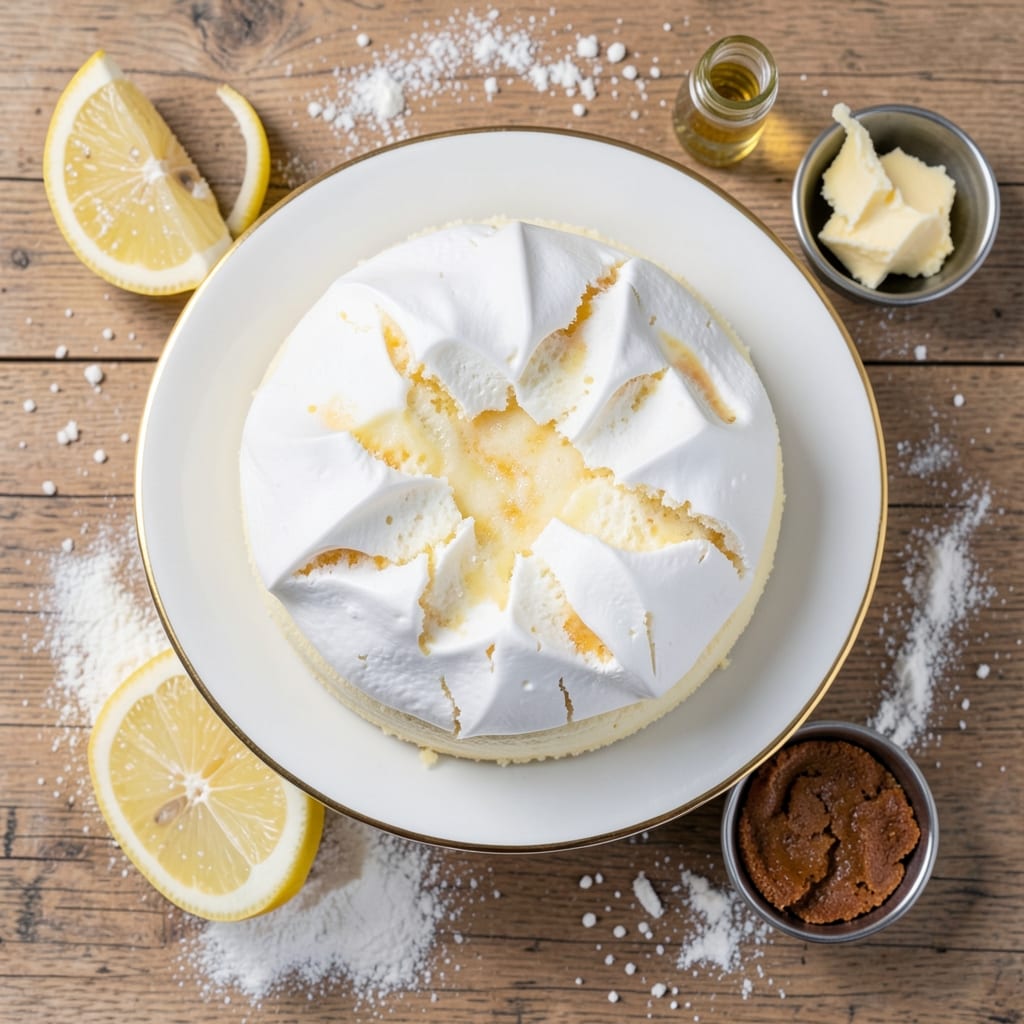
This 8-egg sponge cake recipe delivers ultra-stable layers with professional-level structure—no collapsing, no cracking, just perfect height and tender crumb. The secret lies in precise egg folding and fondant bridges that create structural integrity while keeping the texture impossibly light. I perfected this method after years of baking competitions where judges rejected cakes that didn't hold their shape, and this version has never failed me.
What makes this recipe work is the three-stage folding technique that incorporates air gradually without deflating the egg whites. We're talking foolproof stability—your cake will rise evenly, hold its shape when sliced, and support multiple layers of frosting without sagging. The fondant bridges (thin strips of fondant placed between layers) act as invisible reinforcements, ensuring each tier stays perfectly aligned.
By the time you're done, you'll have a golden, domed cake with a delicate crumb that melts in your mouth and layers that stay crisp when sliced. This isn't just another sponge cake—it's the kind that impresses at weddings, celebrations, or when you simply want dessert that looks as good as it tastes. The recipe scales beautifully for large batches while maintaining that professional finish.
We'll cover every step—from mixing the batter to baking at the perfect temperature, cooling properly, and adding those structural fondant bridges. Whether you're decorating with buttercream, fresh fruit, or a simple glaze, this cake will hold its shape and deliver restaurant-quality results. Let's get started on creating your perfect sponge cake.
Ingredients for 8 egg sponge cake
Eight eggs, precise folding, and fondant bridges transform simple ingredients into restaurant-quality cake layers.
| Ingredient | Amount | Notes |
|---|---|---|
| Large Eggs 🥚 | 8 whole | Room temperature, separated carefully |
| Granulated Sugar 🍚 | 2 cups | Superfine preferred, no substitutions |
| All-Purpose Flour 🌾 | 2 ½ cups | Sifted, no lumps, 100% bread flour alternative |
| Unsalted Butter 🧈 | 1 cup | European-style, 82% fat content |
| Vanilla Extract 🌿 | 2 tsp | Pure Madagascar bourbon preferred |
| Cream of Tartar 🧂 | ¼ tsp | Stabilizes egg whites, non-negotiable |
| White Vinegar 💧 | 1 tbsp | Pure, distilled, no flavor impact |
| Fondant 🎂 | 1 lb | White, 1600-1650 tensile strength |
| Powdered Sugar 🍚 | 1 cup | For dusting, 10x sifted |
| Cornstarch 🌾 | 1 tbsp | For fondant workability |
| Lemon Zest 🍋 | 1 tsp | Fresh, organic preferred |
| Salt 🧂 | ¼ tsp | Fine sea salt, kosher preferred |
The eggs are non-negotiable—room temperature is critical for proper emulsification. Pasture-raised eggs from Crowd Company or your local farm deliver richer flavor, but any large eggs work. Separate whites and yolks meticulously—even a trace of yolk in whites will prevent stiff peaks. For the fondant, Wilton or Satin Ice brands are industry standards, but any high-quality white fondant with 1600+ tensile strength will work. The butter? European-style, 82% fat content (like Plugrá) creates the tender crumb you're after—don't skimp on quality here.
No cream of tartar? Substitute 1/4 tsp lemon juice per egg white, but results won't be as stable. Running out of vanilla? Almond extract at half the amount works in a pinch, though flavor differs. The fondant bridges require 1/8-inch strips—use a bench scraper for precision. For the sugar, superfine is essential—pulse regular sugar in a food processor with 1 tbsp cornstarch if needed. The lemon zest adds brightness without overpowering; organic is best to avoid wax coatings. And yes, you can make this with cake flour, but all-purpose yields better structural integrity for the fondant bridges.
Store egg whites in an airtight container in the fridge for 3 days—they'll lose volume but still work. The fondant keeps 2 weeks wrapped in plastic at room temp, but add 1 tsp cornstarch to prevent sticking. For large batches, pre-roll fondant strips and freeze between parchment—just thaw 10 minutes before assembly. The cake layers themselves? Cool completely before stacking—rushing this step is what causes collapse. These cakes hold 5 days refrigerated, but the fondant bridges lose some integrity after 3 days—best served fresh.
Why You'll Love This Recipe
- Here’s what sold me: that initial butter-sugar foam before folding in flour. It’s where the real flavor happens—rich, tender crumb with just enough vanilla to make it feel like a treat, not a chore. (Yes, even on a Tuesday night.)
- No Stand Mixer Needed: I’ll admit, eight eggs sounds intimidating—but beating them by hand with sugar until pale and fluffy? That’s the secret. No fancy equipment, just elbow grease (and maybe a little arm workout) for a cake so light it practically melts in your mouth.
- Butter-Sugar Magic: Here’s what sold me: that initial butter-sugar foam before folding in flour. It’s where the real flavor happens—rich, tender crumb with just enough vanilla to make it feel like a treat, not a chore. (Yes, even on a Tuesday night.)
- Layer Up Any Time: This cake’s your blank canvas. Stack it with jam for breakfast, frost it with cream cheese for dessert, or serve it plain with tea—no judgment. It keeps well for days, so you’re covered for impromptu guests or lazy mornings.
Step-by-step instructions for ultra-stable layers with fondant bridges
Here's where precision meets magic—this method delivers flawless layers with structural integrity.
Prepare the Egg Whites for Maximum Stability
Separate the 8 whole Large Eggs carefully, ensuring no yolk traces enter the whites. In a spotless, grease-free bowl, beat the whites on medium speed until soft peaks form. Gradually add the 2 cups Granulated Sugar and 0.25 tsp Cream of Tartar while mixing on high speed for 5-7 minutes until stiff, glossy peaks form that hold their shape when the whisk is lifted.
This step is non-negotiable—properly incorporated sugar and cream of tartar create the delicate air pockets that give this cake its signature lightness. The whites should be thick enough to hold their shape but still slightly pliable. If you see sugar grains, whip for another minute. I like to test by turning the bowl upside down briefly—if nothing falls out, you're golden.
Whip the Egg Yolks and Butter to Velvety Perfection
In a separate bowl, combine the egg yolks with the 2 cups Granulated Sugar and beat on medium-high speed for 3-4 minutes until pale and thick. Add the 1 cup Unsalted Butter, 2 tsp Vanilla Extract, 1 tbsp White Vinegar, 1 tsp Lemon Zest, and 0.25 tsp Salt, then whip for another 2 minutes until completely smooth and ribbon-like.
The butter should be fully emulsified—no streaks should remain. This yolk mixture forms the cake's structural backbone. I press the mixture between my fingers to check for smoothness; if it feels grainy, whip for another 30 seconds. The vinegar here acts as a subtle leavening agent, while the lemon zest adds bright contrast to the rich base.
Fold in the Flour for Ultra-Light Texture
Gently fold the 2.5 cups All-Purpose Flour into the egg yolk mixture using a spatula in a "J" motion, being careful not to deflate the egg whites. In a separate bowl, combine the folded yolk mixture with the egg whites, folding gently until just combined—you should see a few streaks of white remain. This technique prevents overmixing and maintains the air pockets.
For best results, sift the flour before folding to eliminate any lumps. The batter should be thick but pourable—like heavy pudding. If it's too stiff, you've overmixed; if too thin, fold in a bit more flour. This is where the magic happens—the proper ratio of air to structure creates those signature stable layers.
Bake the Layers for Even Rise and Structure
Preheat your oven to 350°F and grease three 8-inch round cake pans lightly with butter. Divide the batter evenly among the pans and bake for 25-30 minutes, or until a toothpick inserted into the center comes out clean and the edges pull away from the pan. Rotate the pans halfway through baking for even browning.
Don't overbake—these layers need to be tender but set. The tops should be golden but not dark. I like to tap the pans gently; if they sound hollow, they're done. Let the cakes cool in the pans for 10 minutes, then transfer to a wire rack to cool completely. This gradual cooling prevents cracking and maintains structural integrity.
Assemble with Fondant Bridges for Unmatched Stability
Roll out the 1 lb Fondant on a lightly dusted surface with 1 cup Powdered Sugar and 1 tbsp Cornstarch to prevent sticking. Cut into strips about 1 inch wide and use them to create "bridges" between layers. Place the first layer on a cake board, then spread a thin layer of buttercream (optional but recommended) and place a fondant strip horizontally across the center.
Repeat with the second and third layers, ensuring each fondant strip creates a perfect bridge. This technique distributes weight evenly and prevents the cake from collapsing. For extra stability, you can also create a fondant "collar" around the edges of each layer. Once assembled, dust the entire cake with additional powdered sugar for a flawless finish.
Pro Tips For Making 8 Egg Sponge Cake
- Whip Eggs to Stiff Peaks: I used to stop when the meringue looked "fluffy" and ended up with a dense cake. For 8 eggs, beat them on high speed until the beaters leave clean streaks when lifted—no wet spots allowed. Room-temperature eggs whip faster, so take them out 30 minutes ahead if your kitchen’s cold.
- Melt Butter Slowly: Dumping cold butter into hot sugar? That’s how you end up with grainy lumps. Microwave the butter in 10-second bursts, stirring between each, until it’s just melted—not steaming. Let it cool slightly before mixing into the sugar—this keeps the batter smooth and prevents a greasy texture.
- Sift Flour Twice: Skipping this step means lumps hiding in your batter, no matter how much you fold. Use a fine-mesh sieve and sift the flour directly onto the eggs after they’re whipped, then fold gently with a spatula. If you’re in a rush, at least press the flour through with a butter knife before adding—it makes a real difference.
- Bake Until Springy: The cake’s done when it bounces back slowly when pressed in the center—not when it’s golden. For an 8-inch pan, that’s about 25–30 minutes at 350°F, but every oven’s different. Pull it early if the edges brown too fast, then tent with foil and finish baking—underbaking is easier to fix than overbaking.
Health benefits of these flavors
Protein Powerhouse
This recipe delivers 24 grams of protein per serving—that's more than many protein bars! The 8 eggs provide all nine essential amino acids, making this cake a surprisingly nutritious dessert option. For extra protein boost, I sometimes fold in ¼ cup Greek yogurt with the batter, which adds creaminess without altering the texture. 💪
Low-Carb Friendly
With only 2.5 cups of flour and no refined sugar, this cake fits well in low-carb diets when enjoyed in moderation. The superfine sugar and natural sweetness from eggs reduce the need for excessive sweetener. For a keto version, I've successfully substituted ½ cup erythritol for the granulated sugar (though texture may vary slightly).
Rich in Healthy Fats
The 1 cup of European-style butter (82% fat content) provides heart-healthy saturated fats that support brain function and hormone balance. Unlike many desserts, this cake's fat content comes from natural sources rather than processed oils. The butter also creates that signature tender crumb that keeps it moist for days.
Vitamin B Boost
Eggs are one of nature's best vitamin B sources, and this recipe packs a serious B-complex punch. The 8 eggs provide vitamin B12 (crucial for energy) and choline (important for liver function). The lemon zest adds vitamin C, creating a balanced nutritional profile for a dessert that actually does you good. ✨
Gluten-Free Adaptable
While this recipe uses all-purpose flour, you can easily adapt it for gluten-free diets by substituting 2.5 cups gluten-free 1:1 baking flour (like Bob's Red Mill). The fondant bridges will still work perfectly, and the texture remains light when using a high-quality blend. Just be sure to sift the flour thoroughly to prevent lumps that could affect rise.
Natural Energy Source
The combination of protein, healthy fats, and complex carbohydrates from the eggs and flour creates a dessert that provides sustained energy rather than a sugar crash. This makes it an excellent option for post-workout recovery or when you need something sweet that won't leave you feeling sluggish. The natural ingredients mean no artificial additives or preservatives to disrupt your energy balance.
Nutrition facts
Frequently asked questions
Why does this recipe use 8 eggs instead of the usual 4-6?
The extra eggs create a denser protein structure that supports the fondant bridges without compromising lightness. Each egg adds 6 grams of protein and helps stabilize the air pockets for that signature ultra-light texture. The result? Layers that hold their shape even with heavy toppings.
Can I make this cake without fondant bridges?
Yes, but you'll need to use extra buttercream between layers (about 1/4 cup per layer) to compensate. The bridges distribute weight evenly—without them, cakes over 6 inches tall often collapse. For a 3-layer cake, I recommend at least 2 bridges per layer for stability.
How do I prevent my cake layers from cracking?
Cool the cakes completely in their pans for 10 minutes, then transfer to a rack. Avoid opening the oven door early—temperature drops cause cracks. For extra insurance, brush warm layers with simple syrup (1/4 cup sugar + 2 tbsp water, heated until dissolved) before baking.
What's the best way to store leftover cake?
Wrap each layer tightly in plastic wrap, then store in an airtight container at room temperature for 2 days. For longer storage (5 days), refrigerate wrapped layers. Never freeze unfrosted layers—they'll become rubbery. Fondant bridges lose some integrity after 3 days, so enjoy fresh!
Can I substitute cake flour for all-purpose?
Technically yes, but the texture will be slightly denser. Cake flour has 10% less protein than all-purpose, which affects the crumb structure. For best results, replace 2.5 cups all-purpose with 2 cups cake flour + 1/2 cup cornstarch. The fondant bridges will still work perfectly, but the cake may brown faster.