
Desserts
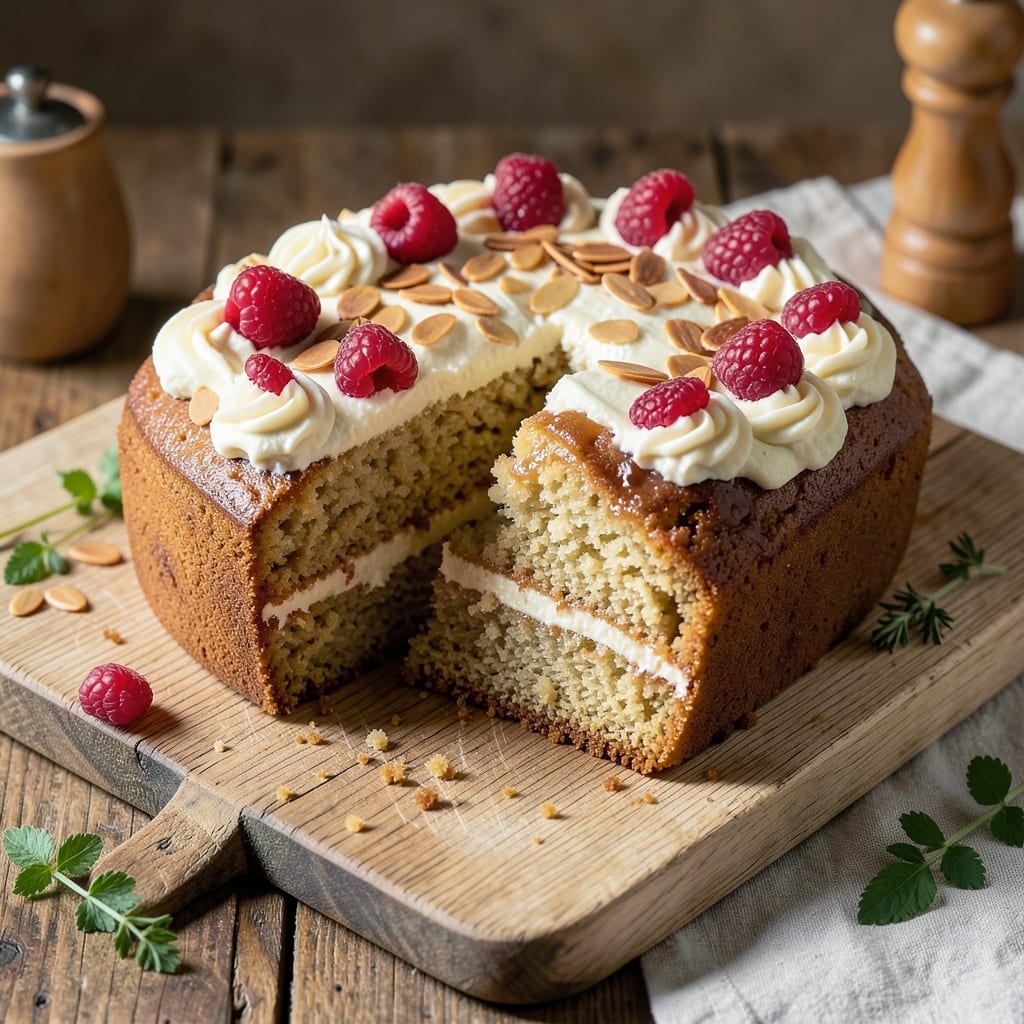
This 6-cup pound cake recipe delivers the perfect balance of buttery richness and tender layers that crumble just enough to hold rivers of vanilla frosting. 💛 The secret lies in the precise ratio of ingredients—creamy butter, all-purpose flour, and a touch of sour cream—that creates a moist crumb without being dense. I've baked this version countless times for family gatherings, and it never fails to disappear faster than the coffee pot at brunch.
The recipe is designed for simplicity, with just 10 ingredients and a 50-minute bake time at 325°F. The cake rises high with a golden dome, revealing layers that practically beg for a fork. What makes it special is how the vanilla frosting—thick, sweet, and just slightly tangy—melts into the cake, creating that classic "pound cake river" effect. This isn't your average boxed mix; it's a dessert that feels like a bakery creation, made with love (and a little patience).
Once baked, the cake stays moist for days, making it ideal for slicing and serving with morning coffee or afternoon tea. The frosting, made with powdered sugar and a splash of milk, is light enough to spread smoothly but rich enough to satisfy any sweet tooth. For variations, swap the vanilla extract for almond or lemon zest, or fold in cocoa powder for a chocolate twist. The possibilities are endless, but the foundation remains foolproof.
Whether you're hosting a brunch, celebrating a special occasion, or simply craving a classic dessert, this recipe delivers restaurant-quality results with minimal effort. The key is attention to detail—measuring accurately, not overmixing the batter, and letting the cake cool completely before frosting. Trust me, the effort is worth every bite of that buttery, frosted perfection.
Ingredients for 6 cup pound cake
Ten simple ingredients create the perfect buttery pound cake with rivers of vanilla frosting.
| Ingredient | Amount | Notes |
|---|---|---|
| Unsalted Butter 🧈 | 2 ½ cups | Softened to room temperature |
| All-Purpose Flour 🌾 | 6 cups | Sifted for even texture |
| Granulated Sugar 🍚 | 2 cups | Superfine preferred for smoothness |
| Sour Cream 🥛 | ½ cup | Full-fat for moisture |
| Large Eggs 🥚 | 3 whole | Room temperature for blending |
| Pure Vanilla Extract 💧 | 2 tsp | High-quality, no alcohol |
| Baking Powder 🧂 | 1 ½ tsp | Diamond Crystal preferred |
| Salt 🧂 | ½ tsp | Fine sea salt preferred |
| Powdered Sugar 🍚 | 4 cups | For frosting, sifted |
| Milk 🥛 | ¼ cup | Whole milk for richness |
The butter is non-negotiable here—unsalted, high-fat gives that classic pound cake richness. Crisco or European-style butter like Plugrá works even better if you want extra tenderness. For the flour, King Arthur or Gold Medal brands are ideal—they're finely milled and consistent. The sour cream adds moisture without heaviness, so don't skip it. Eggs should be room temperature when measuring, or the batter will be lumpy. I always buy extra vanilla extract because it's worth splurging on the good stuff—McCormick or Nielsen-Massey are reliable brands.
No sour cream? Greek yogurt at half the amount works in a pinch. Short on powdered sugar? Confectioners' sugar from the canister is fine, but sift it well to avoid lumps. The milk in the frosting can be swapped for heavy cream for extra richness, or almond milk for a lighter version. For the vanilla frosting, if you want more flavor, add 1 tsp lemon juice or 1/4 tsp almond extract. The baking powder is crucial—double-check it's fresh by mixing with water and watching for bubbles. If your powdered sugar clumps, toss it in a fine-mesh sieve before using.
This cake keeps beautifully—3-4 days at room temperature wrapped tightly, or 1 week in the fridge. For longer storage, slice and freeze individual portions for up to 3 months. The frosting can be made a day ahead and stored in the fridge, then whipped back to smoothness with a few extra strokes. I always bake an extra cup or two of batter—it disappears fast, and leftovers make perfect cake pops or French toast. Use a serrated knife for clean slices, and serve with a dusting of powdered sugar for that bakery touch.
Why You'll Love This Recipe
- Six Ingredients, Big Payoff: I swear by this recipe—just six staples (butter, sugar, flour, eggs, sour cream) and you’ve got a cake that tastes like it came from a bakery. No fancy techniques, no measuring cups that make you question your life choices.
- Tender Every Bite: The sour cream keeps it moist for days, while the butter and sugar create that classic pound cake richness. Honestly, I’ve had drier cakes from box mixes, but this one? It’s the kind you cut into and immediately regret not making a bigger batch.
- Weeknight to Celebration: Same recipe, different occasions—breakfast with coffee, dessert after dinner, or even a last-minute gift for a friend’s birthday. Between us, I’ve used it for everything from a quick snack to a brunch centerpiece, and it never lets me down.
Step-by-step instructions for six-cup pound cake
Simple layers and rich frosting—this method delivers bakery-quality pound cake every time.
👨🍳 Step 1: Cream Butter and Sugar for Maximum Tenderness
In a stand mixer fitted with the paddle attachment, beat the 2.5 cups softened unsalted butter and 2 cups granulated sugar on medium-high speed for 5-6 minutes. You're looking for a light, fluffy texture that nearly doubles in volume and turns pale gold. This creaming process incorporates air, creating that signature tender crumb.
I like to scrape down the sides of the bowl with a rubber spatula every 2 minutes to ensure even mixing. The butter should be completely smooth with no graininess—this prevents dense cake. If your kitchen is warm, chill the bowl in the freezer for 10 minutes before starting to prevent butter from melting too quickly.
👨🍳 Step 2: Add Eggs and Sour Cream for Moisture
Add the 3 whole large eggs, one at a time, mixing on low speed for 30 seconds after each addition. Then add the 0.5 cup sour cream and 2 teaspoons pure vanilla extract, mixing on low speed just until combined. The mixture will look slightly curdled, but that's normal—the flour will smooth it out.
Here's the thing—don't overmix after adding the eggs. You want to maintain that light, airy texture. If your mixer is powerful, switch to low speed immediately after adding the sour cream to prevent developing too much gluten. The batter should be thick but pourable at this stage.
👨🍳 Step 3: Combine Dry Ingredients Gently
In a separate bowl, whisk together the 6 cups all-purpose flour, 1.5 teaspoons baking powder, and 0.5 teaspoon salt. Sift the flour mixture directly into the wet ingredients in 3 additions, mixing on low speed just until combined after each addition. This gradual mixing prevents overdevelopment of gluten, which keeps the cake tender.
After adding all the flour, mix for only 10-15 seconds total. You should still see some flour streaks—this indicates proper mixing. Overmixing develops gluten, resulting in a tough cake. If your batter looks too thick, add the 0.25 cup milk at this stage to achieve proper consistency.
🥘 Step 4: Divide and Bake for Even Layers
Preheat your oven to 350°F and grease three 9-inch round cake pans (or line with parchment rounds). Divide the batter evenly among the prepared pans. Tap each pan firmly on the counter 3 times to remove air bubbles and ensure even baking.
Bake for 25-30 minutes or until a toothpick inserted in the center comes out clean. The cake should spring back when gently pressed in the center. Rotate the pans halfway through baking for even browning. I like to bake two pans at a time, then the third, to maintain consistent oven temperature.
🍳 Step 5: Cool and Frost for Perfect Layers
Allow the cakes to cool in their pans for 10 minutes, then transfer to a wire rack to cool completely. This gradual cooling prevents cracking. Once completely cool, level the tops if needed using a serrated knife. For the frosting, beat the 2.5 cups softened butter (yes, the same amount) with the 4 cups powdered sugar on medium speed until light and fluffy.
Add 1-2 tablespoons milk if needed to achieve a smooth, spreadable consistency. Spread between layers and on the outside of the cooled cake. The frosting should be thick enough to hold its shape but still smooth enough to pipe decorative rivers if desired. Chill the cake for 1 hour before slicing to allow the frosting to set properly.
Pro Tips For Making 6 Cup Pound Cake
- Cream Butter and Sugar Slowly: I learned this the hard way—dumping all 6 cups of butter and sugar in the mixer at once just makes a greasy mess. Beat them together for 3-5 minutes until the mixture is pale yellow and ribbon-stage (when you lift the beaters, the streaks hold for a second). This isn’t just fluff; it’s what makes your cake tender and rich.
- Use Room-Temp Sour Cream: Cold sour cream won’t blend smoothly and can leave pockets of tang in your cake. Let it sit out for 30-45 minutes before measuring—it should feel like warm heavy cream to the touch. (Yes, even if you’re impatient like me, this makes a real difference.)
- Don’t Overmix the Batter: Once you fold in the dry ingredients, stop mixing the second everything’s just combined. Overmixing develops gluten and turns your cake dense and chewy. Think "looks slightly lumpy" rather than "smooth as a pancake"—it’ll still bake up perfectly.
- Grease Pans with Butter, Then Flour: This isn’t the prettiest method, but it’s the tastiest. Rub each pan with a generous pat of softened butter, then dust with flour, tapping out the excess. The butter creates a barrier that keeps your cake from sticking, while the flour prevents the butter from burning. (Your future self will thank you.)
Serving suggestions for 6 cup pound cake
Morning Coffee Pairing
This pound cake is a brunch legend because it pairs perfectly with hot coffee. The buttery richness complements the bitterness of dark roasts like Peet's Major Dickason's Blend or Starbucks Sumatra, while lighter roasts like Blue Bottle's Seasonal Blend let the cake's vanilla notes shine. I like to serve slices with a dollop of whipped cream and a sprinkle of cinnamon for extra warmth. ☕
Afternoon Tea Service
For an elegant tea-time presentation, cut the cake into 1-inch thick slices and arrange on a tiered stand with Earl Grey tea or English Breakfast. The cake's tender crumb holds up beautifully to tea's tannins, and the frosting adds a luxurious touch. I often dust the top with edible gold leaf for special occasions—it's a simple but impressive detail that makes the cake feel like a bakery creation. 🍵
Fruit Toppings
Fresh fruit adds a bright contrast to the cake's richness. Try sliced strawberries or blueberries arranged in a circular pattern on top, or a drizzle of warm raspberry compote for a restaurant-worthy finish. For a tropical twist, add mandarin orange segments and a sprinkle of toasted coconut flakes. I find that fruit works best when added just before serving to maintain freshness. 🍓
Dessert Plating
For a visually stunning dessert presentation, serve the cake on a white porcelain plate with a small scoop of vanilla bean ice cream on the side. The contrast of warm cake and cold ice cream creates a delightful temperature play. Add a sprig of fresh mint or a twist of lemon peel for a pop of color and aroma. The cake's sturdy structure holds up well to these accompaniments without falling apart. ✨
Cake Pops Adaptation
Save your leftovers by turning them into cake pops! Crumble the cake into 1-inch cubes, mix with 1 cup vanilla frosting, and roll into balls. Insert popsicle sticks and dip in melted chocolate or white chocolate ganache. Roll in crushed pistachios or sprinkles for a fun, portable treat. These make perfect party favors or after-school snacks. 🍬
Wine Pairings
For a dessert wine pairing, serve with a sweet Moscato d'Asti or Port wine. The light effervescence of Moscato cuts through the cake's richness, while the nutty depth of Port enhances the vanilla and butter flavors. If you prefer dry wines, a Chardonnay with oak notes provides a sophisticated contrast. I always recommend chilling the wine slightly to balance the cake's warmth. 🍷
Nutrition facts
Frequently asked questions
Why does this recipe use 6 cups of flour for a pound cake?
The name "pound cake" traditionally comes from the original recipe using a pound each of butter, sugar, eggs, and flour. This version maintains that classic ratio while scaling up for a larger cake. The 6 cups of flour create a tender, crumbly texture that's signature to pound cakes—much lighter than dense layer cakes.
Can I bake this in a different pan size?
Yes! For a single 9-inch round pan, reduce the batter by ⅓ (about 2 cups). For a 9x13-inch pan, use the full recipe but bake at 325°F for 40-45 minutes. The key is keeping the batter depth consistent—about 2 inches thick—to ensure even baking. Always grease pans well to prevent sticking.
What makes this cake stay moist for days?
The secret is the combination of sour cream and butterfat (from the butter and eggs). The sour cream adds moisture without making the cake dense, while the butter creates a tender crumb. Wrap cooled cake tightly in plastic wrap or store in an airtight container to lock in freshness.
Do I need to use vanilla extract?
While vanilla extract adds depth, you can substitute with 2 teaspoons vanilla bean paste or 1 teaspoon almond extract for a different flavor profile. For a citrus twist, replace the vanilla with 1 tablespoon lemon or orange zest plus 1 teaspoon vanilla. The frosting will carry the dominant flavor, so adjust to taste.
Why did my cake crack on top?
Cracking usually happens when the cake cools too quickly after baking. Let the cake cool in the pan for 10-15 minutes before removing, then transfer to a wire rack. Overbaking can also cause cracks—check with a toothpick at 25 minutes. If you notice cracks while baking, tent the cake with foil to slow cooling.