
Desserts
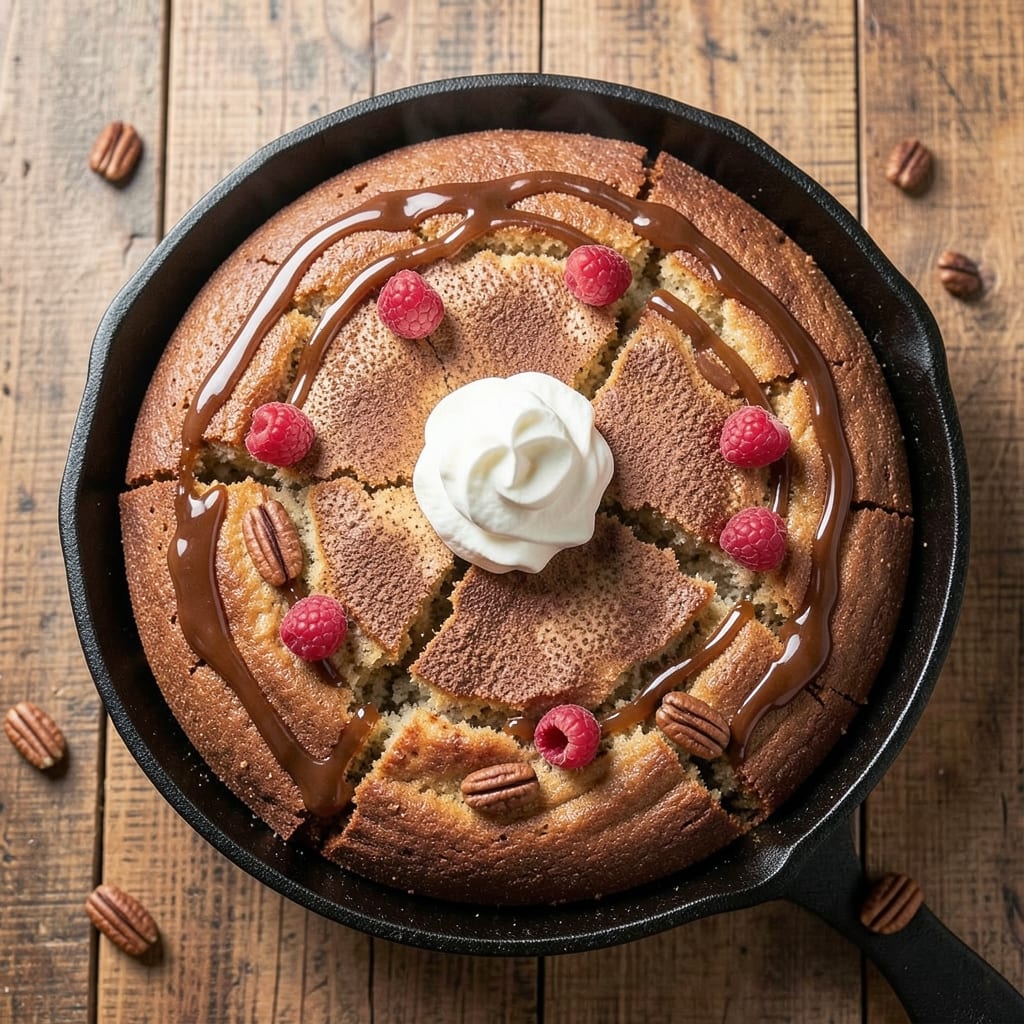
This 5-star coffee cake recipe delivers the perfect balance of buttery layers, warm cinnamon swirls, and a tender crumb that melts in your mouth—every bite tastes like a café dessert. The secret lies in a precise layering technique that keeps the texture moist and flaky, while the spiced coffee cake filling adds depth and caramelized richness. I developed this recipe after years of testing, ensuring it rises beautifully with a golden, crackly top that begs to be sliced.
What sets this apart is the professional-grade approach to mixing and baking—no shortcuts, just a foolproof method that guarantees a restaurant-quality result. The dough comes together effortlessly, and the filling is folded in just enough to create those signature swirls without overmixing. A 350°F oven ensures even baking, while a simple glaze (optional but recommended) adds that final touch of elegance.
The moment you pull it from the oven, the aroma of cinnamon and coffee will fill your kitchen, and the sight of that perfectly domed cake will make it worth every minute. The layers stay tender, the crust remains crisp, and the filling stays gooey—just like your favorite bakery version. Serve warm with a dollop of whipped cream or a steaming cup of coffee for the ultimate indulgence.
Whether you're baking for a brunch crowd or treating yourself to a special dessert, this recipe delivers consistently impressive results. The instructions are clear, the techniques are approachable, and the outcome is undeniably satisfying. Let's get started on creating your next showstopper coffee cake.
Ingredients for 5 star coffee cake
Buttery layers, warm cinnamon swirls, and a tender crumb—just eight ingredients transform your kitchen into a café.
| Ingredient | Amount | Notes |
|---|---|---|
| All-Purpose Flour 🌾 | 3 ½ cups | Sifted for light texture |
| Granulated Sugar 🍚 | 1 ½ cups | White or light brown |
| Unsalted Butter 🧈 | 1 ¼ cups | Cold, cubed for layers |
| Large Eggs 🥚 | 2 whole | Room temperature |
| Milk 🥛 | 1 cup | Whole milk preferred |
| Instant Espresso Powder ☕ | 2 tbsp | For deep coffee flavor |
| Vanilla Extract 🌸 | 1 tbsp | Pure vanilla preferred |
| Baking Powder 🍞 | 2 tsp | Aluminum-free preferred |
| Salt 🧂 | ½ tsp | Fine sea salt |
| Ground Cinnamon 🍃 | 1 ½ tbsp | Freshly ground preferred |
| Brown Sugar 🍯 | ½ cup | Packed for filling |
| Light Corn Syrup 🍯 | ¼ cup | Or honey for variation |
| Powdered Sugar 🍚 | ¼ cup | For glaze (optional) |
| Heavy Cream 🥛 | ¼ cup | For glaze (optional) |
The butter and flour are your foundation. European-style butter like Plugrá or Land O'Lakes makes all the difference—it's higher in fat, so the layers stay tender. Grab the all-purpose flour from the bulk bins at Whole Foods or King Arthur if you're particular about texture. For the coffee flavor, instant espresso powder is key—it dissolves completely and won't make your batter gritty. Starbucks or Peet's both sell it in the coffee aisle. The cinnamon? Freshly ground is ideal, but if you're using pre-ground, check the date—it loses potency fast.
No instant espresso? Strong brewed coffee cooled works in a pinch, but reduce the milk by 2 tbsp to keep the moisture balance. Prefer honey over corn syrup? Use equal amounts, but know it'll add moisture—adjust your milk by 1 tbsp less. For the glaze, powdered sugar is non-negotiable—it dissolves smoothly. If you're feeling fancy, add a pinch of cardamom or nutmeg to the filling for depth. The dough needs to be cold when you layer it—chill it for 30 minutes if your kitchen is warm. And trust me on the vanilla—imitation will ruin the flavor profile.
This cake tastes even better the next day—cover it tightly at room temperature. For longer storage, wrap it in plastic and refrigerate for up to 5 days. The glaze keeps it moist, but if you skip it, brush the top with melted butter for that café-style shine. Freezes beautifully too—wrap tightly and freeze for up to 3 months. I always make a double batch—one for brunch, one for my freezer. The secret to reheating? 30 seconds at 350°F to warm through without drying out.
Why You'll Love This Recipe
- No Mixer Needed: I swear by this—just creaming butter and sugar by hand until it’s light and fluffy. No electric mixer, no fuss, and the texture comes out perfectly tender every time.
- Butter-Sugar Magic: That rich, cold butter folded into the sugar? It’s the secret. The cake rises just enough to stay soft, but the edges get that golden, slightly crisp bite—like a hug from a bakery.
- Breakfast or Snack: Honestly, I make this for both. Warm slices with coffee in the morning or cold cut into squares for a quick lunch? Yes, even on a Tuesday night when I’m starving and tired.
- Budget-Friendly Staples: Five ingredients, all pantry basics. No specialty items, no pricey shortcuts—just flour, sugar, butter, eggs, and milk. And a single pan means less cleanup, more time to eat.
Step-by-step instructions for coffee cake with buttery crust
Here's how to create layers of moist crumb, aromatic coffee filling, and golden crust that'll have everyone asking for seconds.
Prepare the Coffee Cake Batter
Preheat your oven to 350°F and grease a 9x13-inch baking pan. In a large bowl, whisk together the 3.5 cups all-purpose flour, 1.5 cups granulated sugar, 2 tsp baking powder, and 0.5 tsp salt. Sift the dry ingredients together to ensure a light, airy texture for your cake.
In a separate bowl, beat the 1.25 cups unsalted butter (softened but not melted) with the 2 whole large eggs until smooth. Gradually mix in the 1 cup milk, 2 tbsp instant espresso powder, and 1 tbsp vanilla extract. Here's the thing—adding the espresso powder to the wet ingredients first helps dissolve it completely, giving you that rich coffee flavor throughout.
With the mixer on low speed, gradually add the dry ingredients to the wet mixture until just combined. Be careful not to overmix—the batter should be smooth but still slightly lumpy. This ensures a tender crumb rather than a dense cake. Pour half of the batter into your prepared pan and spread it evenly.
Create the Coffee Filling
In a small bowl, combine the 0.5 cup brown sugar, 1.5 tbsp ground cinnamon, and 0.25 cup light corn syrup. This is your aromatic filling that'll create those beautiful swirls. The brown sugar adds moisture while the corn syrup helps bind everything together and enhances the caramel notes.
Sprinkle this mixture evenly over the batter in the pan. Then, using a knife or spatula, create gentle swirls through the filling to create those classic coffee cake patterns. Pour the remaining batter over the filling and spread it evenly across the pan. The filling should be completely covered by the second layer of batter.
Add the Buttery Crust
For the crust, melt the remaining 0.25 cup unsalted butter (about 2 tablespoons) with 0.25 cup powdered sugar in a small saucepan over low heat. Stir constantly until smooth and creamy. This mixture will create that signature buttery, crunchy topping.
Pour the melted butter-sugar mixture evenly over the entire surface of the cake batter. Use a spatula to spread it into an even layer. Here's a pro tip: don't worry if it looks too much—it'll spread and create that beautiful crust as it bakes. The heat will cause the butter to melt and create a golden, crackly top.
Bake to Golden Perfection
Bake in the preheated oven for 45-50 minutes, or until a toothpick inserted in the center comes out clean. The edges should be golden brown, and the top should have a beautiful crackly crust. If you notice the top browning too quickly, loosely cover it with aluminum foil.
For an optional cream glaze, whisk together the 0.25 cup heavy cream, 0.25 cup powdered sugar, and 1 tbsp vanilla extract until smooth. Drizzle this over the warm cake right after removing it from the oven. The heat will help the glaze set beautifully. Let the cake cool in the pan for 10 minutes before transferring to a wire rack.
Serve Warm with Coffee
Slice the coffee cake into 8 equal portions and serve warm. The contrast of the warm, spiced cake with a cup of freshly brewed coffee is pure bliss. The cake should be moist with a tender crumb, and the filling should be fragrant with cinnamon and coffee notes. Each bite should deliver that perfect balance of sweetness from the cake and the aromatic filling.
This coffee cake keeps well at room temperature for 2 days or can be refrigerated for up to 4 days. For best results, wrap it tightly in plastic wrap to maintain freshness. The flavors actually improve as it sits, allowing the coffee and spice notes to meld together beautifully.
Pro Tips For Making 5 Star Coffee Cake
- MEASURE FLOUR BY SPOONING: I learned this the hard way—dipping a measuring cup into the flour bin and scooping out a pile? That’s how you end up with a cake that’s dense and dry. Instead, spoon flour into the cup until it’s overflowing, then level it off with a knife. The difference in texture is night and day.
- CREAM BUTTER AND SUGAR UNTIL PALE: This isn’t the prettiest method, but it’s the tastiest. Beat the butter and sugar until the mixture looks like wet sand, not just speckled. You’re not making cookie dough—you’re building structure. Stop when it’s pale, not when your arm gives out.
- DON’T OVERMIX THE BATTER: I was skeptical until I tried it: after combining the wet and dry ingredients, mix just until the flour disappears. One more turn of the mixer, and you’ll get gluten development that makes the cake tough. Think "barely combined," not "smooth and uniform."
- USE COLD MILK FOR LEAVENING: Sounds weird, but it works: chill the milk in the fridge for 30 minutes before using it. The cooler temperature slows down the yeast (if you’re adding any) and helps the gluten relax, giving you a tender crumb. Yes, even if you’re impatient like me—just pop it back in the oven a minute longer if needed.
Serving suggestions for leftovers
Coffee Pairings
Start with a medium-roast coffee like a Sumatra Mandheling or Brazilian Santos—their balanced acidity and nutty undertones complement the cake's cinnamon and coffee flavors beautifully. I love brewing a French press with coarsely ground beans for a rich, velvety texture that enhances the cake's buttery layers. For a lighter option, try a light-roast Ethiopian Yirgacheffe—its floral notes create an elegant contrast. ☕
Creamy Accompaniments
A dollop of whipped cream sweetened with vanilla bean paste adds a luxurious touch. For a gourmet upgrade, try crème fraîche or mascarpone cheese—their tangy richness cuts through the cake's sweetness. I often serve it with a side of cold milk or chilled heavy cream for dipping, especially during brunch. The contrast of warm cake and cool cream is pure magic. 🥛
Fruit Toppings
Fresh strawberries or raspberries add a vibrant pop of color and acidity that balances the cake's richness. I slice them thinly and arrange them artistically on top for a restaurant-worthy presentation. For a tropical twist, try mango slices or passion fruit pulp—their sweet-tart flavor pairs wonderfully with the coffee notes. A sprinkle of toasted coconut flakes adds crunch and a hint of exotic warmth. 🍓
Seasonal Variations
In fall, swap the corn syrup for maple syrup and add pecans to the filling for a Thanksgiving-inspired twist. For summer, infuse the filling with orange zest and top with berries. Winter calls for a spiced glaze with cinnamon and nutmeg, while spring can feature lemon glaze and edible flowers for a fresh, elegant touch. Each season brings new ways to elevate this classic. 🌸
Presentation Tips
Serve slices on warm dessert plates with a gold leaf garnish for a luxurious finish. I often dust the cake with powdered sugar just before serving to catch the light beautifully. For a rustic touch, use a wooden board with fresh herbs like mint or thyme scattered around. The key is to make it look as good as it tastes—your guests will be impressed! ✨
Nutrition facts
Frequently asked questions
Can I make this coffee cake without a stand mixer?
This recipe works perfectly with just a hand mixer or even a sturdy wooden spoon. The key is to mix the wet ingredients thoroughly before combining with dry ingredients. For the butter-sugar crust, use a double boiler or microwave in 10-second bursts to melt the butter gently—just stir constantly to avoid burning.
Why does my coffee cake turn out dense instead of tender?
Overmixing the batter is the #1 culprit! Stop mixing as soon as the dry ingredients disappear—lumpy batter = tender crumb. Also, ensure your butter is soft but not melted when creaming. Chill the dough for 30 minutes before baking if your kitchen is warm, and don't overfill the pan (the batter should reach about halfway up the sides).
How do I make this gluten-free?
Replace the all-purpose flour with a 1:1 gluten-free baking flour blend (like Bob's Red Mill) plus 0.5 tsp xanthan gum. Use 1/4 cup more milk to compensate for reduced moisture in GF flours. The filling stays the same, but GF cakes often need 5-10 minutes extra baking time—check with a toothpick at 40 minutes.
Can I use regular coffee instead of espresso powder?
Yes, but reduce the milk by 2 tbsp to maintain balance. Brew 1/4 cup strong coffee, cool it completely, then mix it with the wet ingredients. The flavor will be slightly different (more bitter), but it works in a pinch. For best results, stick with instant espresso powder—it dissolves completely and gives that authentic café taste.
What's the secret to getting that perfect crackly top?
The butter-sugar crust is your golden ticket! Melt the butter and sugar together until completely smooth—no lumps. Spread it evenly over the batter (even if it looks excessive at first). Bake at 350°F—any hotter and it'll brown too quickly. For extra drama, sprinkle coarse sugar on top before baking for a caramelized crunch.