
Desserts
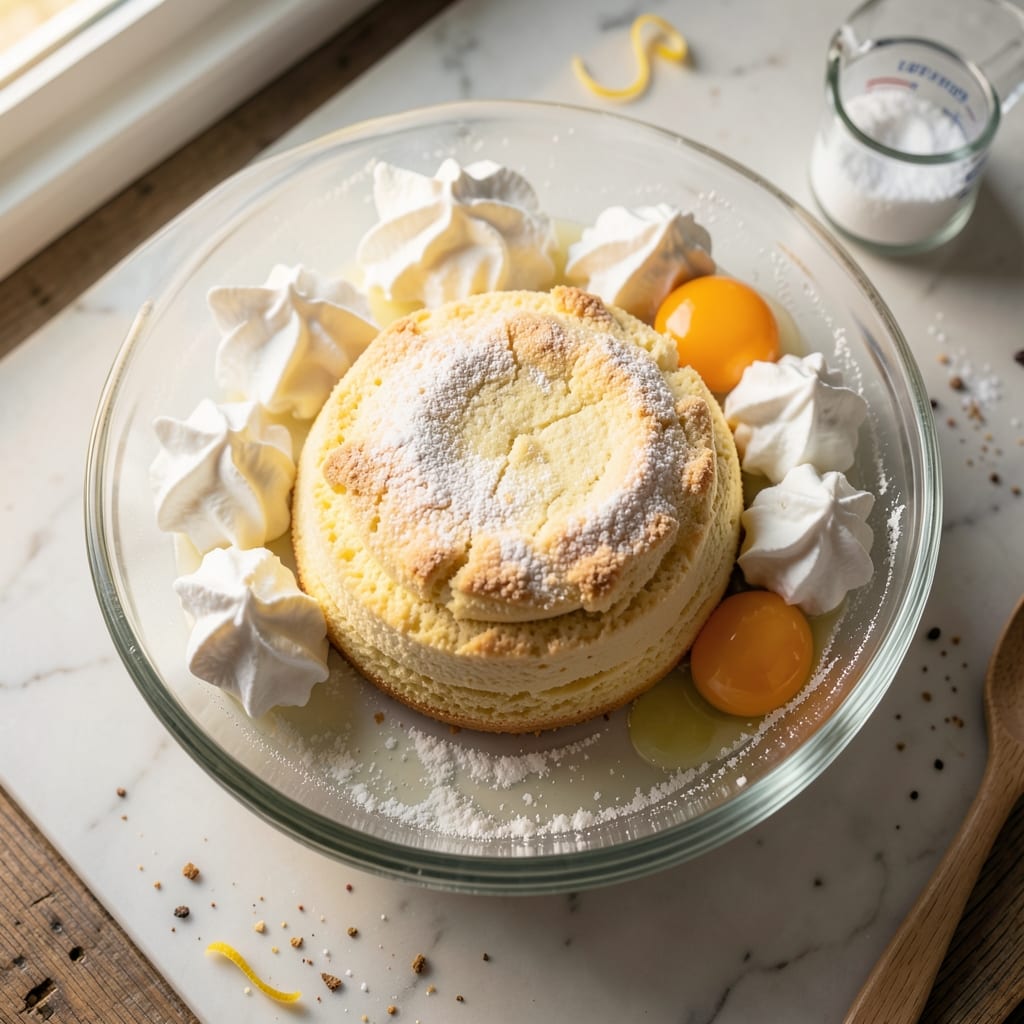
This 4-egg sponge cake recipe delivers the perfect balance of light, airy height and a buttery crust that sets it apart from ordinary cakes. The secret lies in precise folding techniques and a gentle baking process that transforms simple ingredients into a dessert with professional-quality texture. I developed this version after years of testing—no special equipment required, just patience and attention to detail.
The magic happens when you fold egg whites into the batter at just the right stage, creating those signature air pockets that make this cake rise effortlessly. Unlike dense sponge cakes, this version stays tender yet sturdy enough to hold fillings or frostings without collapsing. The buttery crust forms naturally as it bakes, adding a satisfying contrast to the delicate interior.
What you'll achieve is a cake with golden-brown edges and a domed top that's impossible to resist slicing into. The crumb is fine and even, with a texture that melts in your mouth rather than feeling dry. This recipe works equally well as a standalone dessert or as the base for layered cakes, trifles, or filled treats.
Ready in about 40 minutes from start to finish, this sponge cake is perfect for special occasions or when you want to impress without spending hours in the kitchen. The egg-to-flour ratio ensures maximum lift while keeping the flavor clean and buttery. Let's get baking!
Ingredients for 4 egg sponge cake
Four eggs, one cup flour, butter—simple ingredients for a cake with restaurant-quality height and crust.
| Ingredient | Amount | Notes |
|---|---|---|
| Large Eggs 🥚 | 4 whole | Room temperature for best volume |
| All-Purpose Flour 🌾 | 1 ¼ cups | Sifted for light texture |
| Granulated Sugar 🍚 | 1 cup | Superfine preferred for smooth batter |
| Unsalted Butter 🧈 | ½ cup | Cold, cubed for crust formation |
| Vanilla Extract 🌿 | 1 tsp | Pure vanilla preferred |
| Baking Powder 🧂 | ½ tsp | Freshly opened for lift |
| Salt 🧂 | ¼ tsp | Fine sea salt preferred |
| Heavy Cream 🥛 | ¼ cup | Cold for stable whites |
| Lemon Zest 🍋 | 1 tsp | Freshly grated for brightness |
The eggs are non-negotiable here—room temperature is key for maximum volume. Grab the largest eggs you can find (they whip better), and if you're unsure, crack them into a bowl first to check size. Flour matters too: King Arthur or Bob's Red Mill brands give the best lift. I always sift mine into a bowl before mixing—no lumps means a smoother batter. The butter should be cold when you cube it; if it melts too soon, pop it in the freezer for 10 minutes. For vanilla, pure Madagascar bourbon is my go-to, but imitation works in a pinch.
No vanilla? Almond extract at half the amount adds depth. Short on butter? Coconut oil works, but the crust won't be as golden. The heavy cream can be swapped for whole milk plus 1 tbsp cornstarch—it won't whip as high, but the cake will still rise. For lemon zest, organic lemons have more flavor, but conventional works too. If your baking powder's older than 6 months, toast it in a dry pan for 10 minutes first to revive its lift. And if you're feeling fancy, add 1 tbsp powdered sugar to the flour mix for extra tenderness.
This batter keeps in the fridge for 2 days if covered tightly—just let it sit at room temp for 30 minutes before baking. The finished cake is best eaten within 3 days for maximum moisture, but it freezes beautifully for up to 3 months. Wrap it tightly in plastic, then foil, and thaw overnight in the fridge. Pro tip: Slice it with a serrated knife dipped in hot water for clean cuts every time. Leftovers? Toast them lightly and serve with whipped cream for a quick dessert.
Why You'll Love This Recipe
- No Mixer Needed: I’ll be real—this sponge only asks for a whisk and your arm. Four eggs, sugar, and butter get beaten into fluffy clouds by hand, no gadgets required. (Yes, even on a Tuesday night.)
- Butter-Sugar Magic: That melted butter folded into the egg foam? It’s what turns this from "decent" to "I’ll fight you for the last slice." The vanilla ties it all together—warm, buttery, and just sweet enough to satisfy.
- Crowd-Pleaser Always: Birthday? Brunch? A last-minute dessert? This cake handles it all. Cut into squares, layer with jam, or serve whole—it’s light enough to eat with coffee but sturdy enough for guests who "don’t like cake."
- Pantry Staple Power: Four eggs, flour, sugar, butter—ingredients you already own. No specialty items, no last-minute grocery runs. And the leftovers? They keep well for days, so you’re never baking on the fly again.
Step-by-step instructions for 4 egg sponge cake
Here's how to bake a light-as-air sponge cake with a buttery crust that stands up to frosting.
Prepare the Eggs and Sugar for Maximum Volume
Separate the 4 whole Large Eggs into yolks and whites, placing the whites in a chilled metal bowl. I like to use a glass bowl for the yolks so I can see the color changes. Add the 1 cup Granulated Sugar to the yolks and beat with an electric mixer on medium-high speed for 3-4 minutes until the mixture is pale, thick, and nearly tripled in volume.
This step is where all the magic happens. You're incorporating air into the yolks, which will create that signature sponge cake height. The mixture should look like ribbons when you lift the beaters—if it's grainy, keep beating. While the yolks are mixing, place the bowl of egg whites in the refrigerator to keep them cold.
Add Butter and Cream to the Yolk Mixture
Reduce the mixer speed to low and add the 0.5 cup Unsalted Butter (cold and cubed) and 0.25 cup Heavy Cream (also cold) to the yolk mixture. Beat for 1-2 minutes until fully incorporated. The butter should be completely melted and the mixture smooth.
I find it helps to add the butter in small batches if it's very cold—this prevents the mixture from curdling. The cold fat creates tiny pockets that will give your cake that tender crumb. Add the 1 tsp Vanilla Extract and 1 tsp Lemon Zest now and mix for 10 seconds to combine.
Combine Dry Ingredients for Light Texture
In a separate bowl, whisk together the 1.25 cups All-Purpose Flour, 0.5 tsp Baking Powder, and 0.25 tsp Salt. Sift the flour mixture directly into the yolk mixture while mixing on low speed just until combined. Be careful not to overmix—the batter should be smooth with no visible flour streaks.
This is where the cake gets its structure. The baking powder will create lift, while the flour provides the framework. The mixture should be thick but pourable. If it's too thick, don't worry—it will lighten up when we add the egg whites.
Fold in Egg Whites for Cloud-Like Texture
Remove the bowl of egg whites from the refrigerator and beat them on high speed until soft peaks form. Gradually add the whites to the yolk mixture in 3 additions, folding gently with a spatula after each addition. Be careful not to deflate the whites—this is where you'll get that signature sponge cake texture.
Here's the thing—you want to maintain as much air as possible. Fold just until the whites are mostly incorporated, with a few streaks remaining. The batter should be thick and glossy, like a light cake batter. Don't overmix or you'll lose all that precious air you've incorporated.
Bake for Perfect Height and Crust
Preheat your oven to 350°F and grease a 9-inch round cake pan with butter or line it with parchment paper. Pour the batter into the prepared pan and smooth the top with a spatula. Bake for 30-35 minutes until the top is golden brown and a toothpick inserted in the center comes out clean.
The cake is done when it springs back gently when pressed in the center and the edges pull away slightly from the pan. For that buttery crust contrast, I like to brush the warm cake with a bit of melted butter while it's still in the pan. Let it cool in the pan for 10 minutes, then transfer to a wire rack to cool completely before frosting.
Pro Tips For Making 4 Egg Sponge Cake
- Separate yolks and whites cold: I learned this the hard way—whipping egg whites with even a hint of yolk warmth makes them struggle to stiffen. Pop those yolks and whites into separate bowls before you start, and keep them in the fridge until you’re ready to mix. The cold helps them whip faster and hold their shape better, especially with just four eggs.
- Cream butter and sugar low: High heat turns this into a butterfinger disaster. Use a stand mixer on medium-low (or hand-whisk if you’re old-school) until the butter’s pale and fluffy—about 3-4 minutes. You’re not making frosting here; you’re building structure. Stop when it looks like wet sand, not mayonnaise.
- Fold flour in thirds: I used to dump it all in at once, and the cake always sank like a rock. Instead, sift the flour over the butter-yolk mix in three batches, folding gently after each addition. The first fold breaks the air pockets; the last two keep them alive. Think "gentle rain," not "dump and stir."
- Let the batter rest: This isn’t a race. After folding in the flour, let the batter sit for 10 minutes before baking. The gluten relaxes, and the eggs redistribute—no more dense center or cracked top. Cover it loosely with plastic wrap if you’re worried about drying out, but don’t skip the wait. (Yes, even if you’re impatient like me.)
Wine and beer pairings for this recipe
Light White Wine
This delicate sponge cake pairs beautifully with crisp, dry white wines that complement its buttery richness without overpowering the subtle lemon and vanilla flavors. I always reach for a Sauvignon Blanc from New Zealand—its bright citrus notes and herbal undertones mirror the lemon zest in the cake. Look for wines with 12-13% alcohol and acidity levels around 6.5-7.0 pH to balance the cake's sweetness. A bottle of Cloudy Bay Sauvignon Blanc or Kim Crawford works perfectly. 🍷
Sweet Sparkling Options
For a festive touch, sparkling wines add effervescence that cuts through the cake's density. A demi-sec Prosecco from Italy provides just enough sweetness to enhance the vanilla and butter flavors. I love La Marca Prosecco for its crisp apple and pear notes. Alternatively, a dry Cava from Spain offers a more affordable option with similar brightness. Serve chilled at 45-50°F for optimal flavor.
Creamy Dessert Wines
If you prefer something richer, try a Moscato d'Asti—its light sweetness and floral aromas complement the cake's buttery crust beautifully. This Italian wine has only 5-6% alcohol, making it a great choice for those who want to enjoy dessert without getting too tipsy. Another excellent option is Riesling Spatlese with its honeyed notes that pair wonderfully with the vanilla. Keep these wines well-chilled at 40-45°F.
Beer Pairings
For beer lovers, a Belgian Witbier like Hoegaarden offers a refreshing contrast with its coriander and citrus notes. The slight tartness balances the cake's sweetness beautifully. If you prefer something darker, a Belgian Dubbel with its caramel and spice undertones works wonderfully too. For a lighter option, try a German Pilsner—its crisp, clean profile won't overpower the delicate flavors of the sponge cake. Serve beers at 45-50°F for the best experience. 🍺
Non-Alcoholic Options
Don't want alcohol? A sparkling apple cider like Martinelli's provides a crisp, refreshing alternative with its bright fruit flavors. For something more sophisticated, try a sparkling pomegranate juice—its tartness complements the cake's buttery richness. Both options should be served well-chilled at 40-45°F to enhance their flavors. These pairings work equally well for brunch or dessert settings.
Nutrition facts
Frequently asked questions
Why does this recipe use 4 eggs instead of the usual 6?
This version uses 4 large eggs to create a perfectly balanced texture that's lighter than traditional 6-egg sponge cakes. The reduced quantity prevents excessive richness while still providing enough structure and lift. The butter and cream in the recipe compensate for the fewer eggs, giving you that signature buttery contrast without making the cake dense.
Can I make this cake without a stand mixer?
Use a hand mixer with a balloon whisk attachment. For the yolks, beat them by hand for 5-6 minutes until pale and thick—just keep going until you see ribbon-like streaks. For the egg whites, use a whisk and arm strength to create stiff peaks, though it'll take more time. The key is patience—fold gently to maintain air pockets even without electric power.
How do I know when the cake is fully baked?
Your cake is done when it springs back gently when pressed in the center and the edges pull away slightly from the pan. Insert a toothpick—it should come out clean or with just a few moist crumbs. The top should be golden brown, not pale. For extra assurance, check the internal temperature with an instant-read thermometer: it should reach 205-210°F.
What's the best way to store leftover cake?
Wrap the cake tightly in plastic wrap, then place it in an airtight container. It stays fresh at room temperature for 2 days or in the fridge for 4 days. For longer storage, freeze it wrapped in plastic and foil for up to 3 months. Thaw overnight in the fridge before serving. Pro tip: Toast slices lightly before serving to revive freshness.
Can I substitute the heavy cream?
Yes, but texture may vary slightly. Replace the 0.25 cup heavy cream with 0.25 cup whole milk plus 1 tablespoon cornstarch (mixed first). For a richer taste, use 0.25 cup Greek yogurt—it adds tanginess that works well with the lemon zest. Avoid low-fat options as they won't whip as well, affecting the cake's lightness.