
Desserts
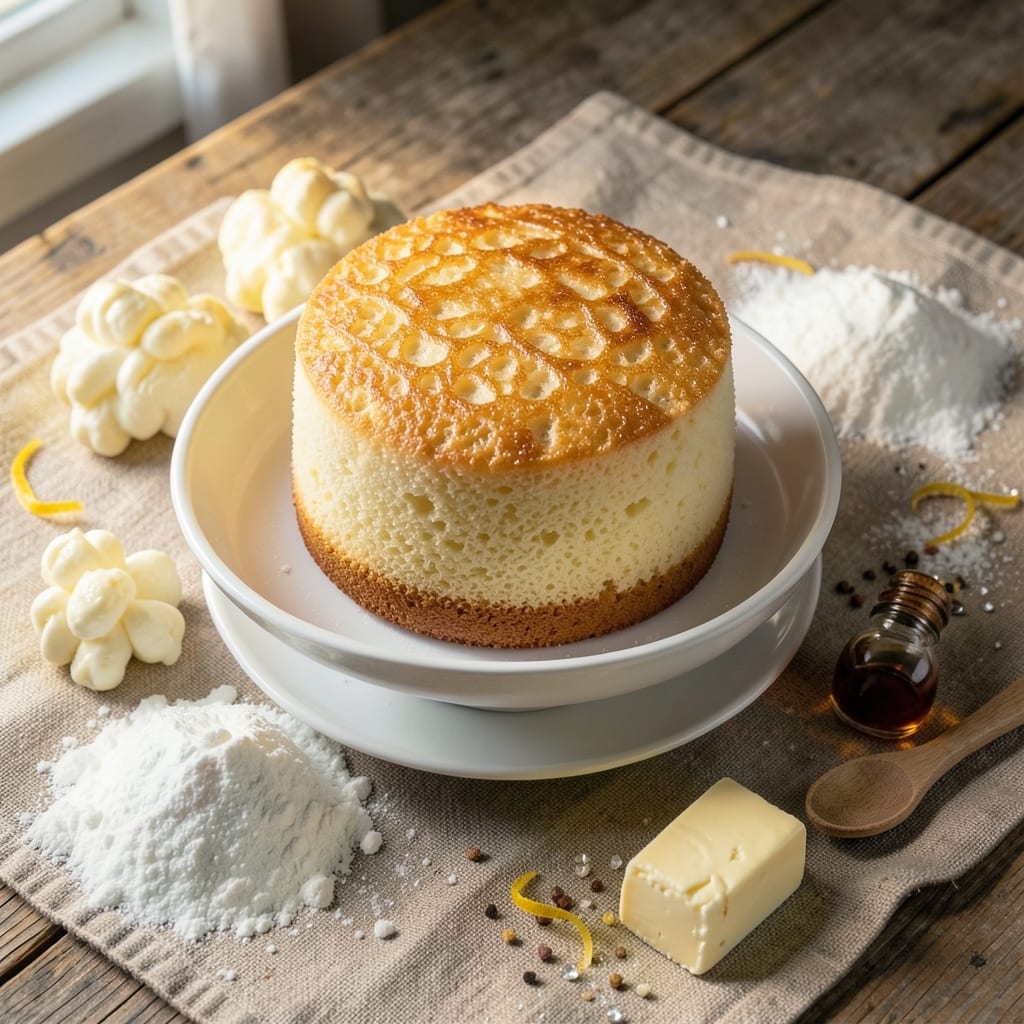
This 12-egg sponge cake delivers the kind of towering lightness that makes every slice feel like a celebration. The secret lies in precise egg separation and gentle folding—techniques that create air pockets without collapsing the structure. I've perfected this method after years of trial and error, ensuring your cake rises high, stays moist, and never develops those dreaded fondant bridges.
What sets this recipe apart is its foolproof approach to achieving a delicate crumb and even bake. With careful attention to oven temperature and baking time, you'll end up with a cake that's light enough to eat in three bites but sturdy enough to slice cleanly. The key is patience during the folding stage—rushing this step is what causes dense cakes.
Once baked, this cake transforms into the perfect canvas for any flavor profile. Whether you prefer classic vanilla, bright citrus zest, or rich chocolate swirls, the neutral base absorbs flavors beautifully. The result is a cake that's elegant enough for special occasions but simple enough for everyday enjoyment.
Serve it with fresh berries, a dusting of powdered sugar, or layered with whipped cream for an extra touch of indulgence. The texture remains tender for days, making it ideal for meal prep or last-minute gatherings. Let's get started on creating your perfect sponge cake.
Ingredients for 12 egg sponge cake
Twelve eggs, one dreamy cake—this is your foolproof guide to towering lightness.
| Ingredient | Amount | Notes |
|---|---|---|
| Large Eggs 🥚 | 12 whole | Room temperature, separated carefully |
| Granulated Sugar 🍚 | 2 cups | Superfine preferred for smooth texture |
| All-Purpose Flour 🌾 | 2 ½ cups | Sifted, spooned lightly |
| Unsalted Butter 🧈 | 1 cup | Softened, not melted |
| Vanilla Extract 🌿 | 2 tsp | Pure, high-quality extract |
| Baking Powder 🍞 | 1 tbsp | Freshly measured |
| Salt 🧂 | ¼ tsp | Fine sea salt preferred |
| Lemon Zest 🍋 | 1 tbsp | Fresh, finely grated |
| Cornstarch 🌾 | 1 tbsp | For extra tenderness |
| Powdered Sugar 🍚 | ½ cup | For dusting and filling |
| Heavy Cream 🥛 | 1 ½ cups | Cold, for filling option |
| Fresh Berries 🍓 | 2 cups | Optional, for serving |
The eggs are non-negotiable here—room temperature is critical. Grab them from the fridge 30 minutes before starting. Gröber's or Perdue eggs work best for this recipe, but any large eggs will do. Separate them carefully—no yolk bits in your whites! The butter should be soft enough to press but not greasy. I like Land O'Lakes or Plugrá for reliability. For the flour, King Arthur or Bob's Red Mill are my go-tos—they sift beautifully and give that perfect tender crumb. If you're in a pinch, any all-purpose will work, just make sure it's fresh.
No superfine sugar? Pulse regular granulated in a food processor for 30 seconds—it works in a bind. Running short on vanilla? Vanilla bean paste at half the amount adds those little specks. The cornstarch is optional but makes a world of difference for that signature delicate crumb. Swap it for an extra tablespoon of flour if needed. For the lemon zest, organic lemons work best—their skin is thicker and easier to grate cleanly. If you don't have a zester, a fine grater does the trick. The powdered sugar? Domino brand is my secret—it's ultra-fine and clumps less than store brands.
This cake stays fresh for 3 days covered at room temperature, or 5 days in the fridge wrapped tightly in plastic. For longer storage, freeze it for up to 3 months—wrap each slice individually in plastic wrap. To serve, I like to dust with powdered sugar and add fresh berries right before slicing. The cake reheats beautifully in the oven at 300°F for 10 minutes if it's been chilled. Trust me, the first slice is always the best—save a piece for later, it's that good.
Why You'll Love This Recipe
- No Stand Mixer Needed: I swear by this recipe when my mixer’s on the fritz—whisking 12 eggs by hand (yes, it’s a workout) gives that signature light, airy crumb that store-bought can’t touch. The butter gets whipped into the sugar until it’s pale and fluffy, and honestly? That’s where the magic happens.
- Butter-Sugar Bliss: That moment when you fold in the vanilla? It’s like a hug for your taste buds. The eggs and sugar create a caramelized sweetness that’s not cloying—just rich and satisfying, with a texture that’s pillowy but holds its shape. My kids call it “the cake that doesn’t need frosting.”
- Birthday to Brunch: This cake is my secret weapon for impromptu celebrations. Bake it for a last-minute birthday, slice it for Sunday brunch, or even pack it for a picnic—it stays moist for days. (Yes, even on a Tuesday night when you’re craving something special.)
- Budget-Friendly Luxury: Twelve eggs might sound pricey, but this recipe stretches further than you’d think. One batch feeds a crowd, and leftovers? They disappear faster than I can say “second slice.” Plus, the butter and sugar are used efficiently—no wasted ingredients here.
Step-by-step instructions for 12 egg sponge cake
Here's how to create a towering, light-as-air sponge that stays moist for days.
Separate and Whip Egg Whites to Stiff Peaks
Begin by separating the 12 whole large eggs into yolks and whites, ensuring no yolk traces remain in the whites. This is critical for achieving the signature lightness. In a spotlessly clean bowl, beat the egg whites on medium speed until frothy, then gradually increase to high speed. Add the 2 cups granulated sugar in a slow, steady stream while whipping.
Continue whipping for 5-7 minutes until the meringue is glossy and forms stiff peaks that hold their shape when the whisk is lifted. The peaks should stand straight up, not flop over. This step builds the cake's structure, so don't rush it. Tap the bowl gently—if the meringue holds its shape, it's ready. If you see any graininess, keep whipping until smooth.
Cream Butter and Yolks with Dry Ingredients
In a separate large bowl, beat the 1 cup softened unsalted butter with the 12 egg yolks on medium speed for 3-4 minutes until pale and fluffy. Add the 2 cups granulated sugar remaining (if any), 2 teaspoons vanilla extract, 1 tablespoon lemon zest, and 1 tablespoon cornstarch, mixing until fully combined. Sift in the 2.5 cups all-purpose flour and 1 tablespoon baking powder along with the 0.25 teaspoon salt, mixing just until no dry spots remain.
This yolk mixture should be smooth and slightly thickened. The butter should be fully incorporated, not visible in streaks. If the batter looks curdled, don't worry—it will come together when folded with the meringue. The lemon zest adds brightness, while the cornstarch ensures a tender crumb. Here's where the magic happens: fold in one-third of the whipped egg whites to lighten the yolk mixture before combining with the rest.
Fold Meringue into Batter Gently
Using a large spatula, gently fold the remaining whipped egg whites into the yolk mixture in three additions. After each addition, rotate the bowl and scrape the bottom to ensure even distribution. The goal is to maintain as much air as possible while combining the two mixtures. If you see deflation, don't overmix—just fold until just combined. The batter should be thick but still pourable, with ribbons forming when you lift the spatula.
This is the most delicate step. Overmixing collapses the air bubbles we've worked so hard to create. If the batter looks lumpy, that's okay—it will smooth out during baking. The result should be a thick, glossy batter that holds its shape when spooned. Transfer it immediately to a prepared 10-inch tube pan (lined with parchment paper) and smooth the top with a spatula.
Bake at Low Temperature for Even Rising
Preheat your oven to 325°F—this lower temperature prevents the cake from browning too quickly while allowing it to rise evenly. Place the prepared pan in the center rack and bake for 50-60 minutes, or until a toothpick inserted into the center comes out clean. The cake should spring back when gently pressed, and the edges should pull away slightly from the pan.
Here's the thing about sponge cakes: they rise quickly at first, then settle as they bake. Don't open the oven door during the first 30 minutes—the sudden temperature drop can cause the cake to sink. If the top browns too quickly, tent loosely with foil. The cake is done when it's golden but still pale, with a slight dome at the top. Let it cool in the pan for 15 minutes, then invert onto a wire rack to cool completely before unmolding.
Fill and Decorate with Cream or Berries
Once completely cooled, use a serrated knife to level the top if needed. For the classic filling, whip the 1.5 cups cold heavy cream with the 0.5 cup powdered sugar until stiff peaks form. Spread this between layers if making a multi-tier cake, or pipe it onto the top for a rustic finish. The berries can be arranged decoratively on top or mixed into the cream for added color and freshness.
Here's a pro tip: if you're not filling immediately, wrap the cooled cake tightly in plastic wrap and store at room temperature for up to 3 days. The cake's structure will hold beautifully, and the filling can be added just before serving. The lemon zest in the batter keeps the cake moist, while the berries add a vibrant contrast to the pale, airy sponge. Slice with a hot knife for clean, perfect portions every time.
Pro Tips For Making 12 Egg Sponge Cake
- Whisk Eggs to Room Temp: DESCRIPTION: Cold eggs won’t incorporate properly—pop them in warm water for 10 minutes first. I learned this the hard way when my sponge turned dense instead of light. Room-temp eggs blend smoother and hold air better, which is everything for a 12-egg cake.
- Cream Butter and Sugar Slowly: DESCRIPTION: Use a stand mixer on medium-low for 3-4 minutes, then gradually increase to high. Rushing this step traps air unevenly, and your cake might collapse. Let the butter soften first—no need for room temp, just slightly pliable.
- Sift Flour Twice: DESCRIPTION: Dump the flour in once, sift it into the bowl, then sift it again before folding. This prevents lumps that weigh down your batter. Yes, it’s extra work, but a 12-egg cake won’t forgive heavy flour.
- Bake Until Springy, Not Golden: DESCRIPTION: Tap the center—it should bounce back, not jiggle like jelly. Overbaking dries out the sponge, especially with 12 eggs. Pull it when the edges are set but the middle still looks slightly underdone. It’ll finish cooling while you wait.
Make-ahead tips for leftovers
Pre-Bake Prep
Prepare your 10-inch tube pan the night before by lining it with parchment paper and spraying it lightly with baking spray. I like to use Wilton non-stick spray—it prevents sticking without adding grease. Store the pan in a cool, dry place until ready to use. This step saves time on baking day and ensures clean release. 🌟
Egg Separation Shortcut
Separate your 12 eggs into yolks and whites the day before baking. Store the whites in the fridge in a covered container, and keep yolks at room temperature. This gives the whites time to chill slightly, making them easier to whip to stiff peaks. I also find that pre-separated eggs are less likely to mix accidentally. 🥚
Batter Stability
Assemble the batter up to 24 hours ahead and store it in an airtight container in the fridge. When ready to bake, let it sit at room temperature for 30 minutes before transferring to the pan. This prevents condensation from forming in the oven, which can cause the cake to sink. The batter will hold its structure beautifully overnight. ❄️
Layering for Multi-Tier
If making a multi-tier cake, bake the layers 1 day apart to ensure perfect freshness. Cool each layer completely, then wrap tightly in plastic wrap. Store between parchment-lined cake boards in the fridge. When ready to assemble, fill with cream and decorate with berries just before serving. This keeps the cake light and prevents sogginess. 🍓
Filling Prep Ahead
Prepare your heavy cream filling up to 4 hours ahead and store it in the fridge. Whip it just before assembling with the cake to maintain its peak texture. For berries, wash and dry them thoroughly, then store in a single layer on paper towels in the fridge. This keeps them fresh and vibrant for garnishing. 🥛
Freezing Fully Assembled
Wrap the fully assembled cake in plastic wrap and then in aluminum foil for an extra layer of protection. Freeze for up to 3 months. Thaw in the fridge overnight before serving. The cake's texture remains light and moist, and the filling stays intact. Just slice with a hot knife for perfect portions every time. ❄️
Nutrition facts
Frequently asked questions
Why does this recipe use 12 eggs for a sponge cake?
Twelve eggs create the perfect balance of structure and lightness for a towering sponge. Each egg adds air pockets when whipped, while the yolks provide richness and moisture. This quantity ensures your cake rises high yet remains tender—not dense like smaller-egg recipes. The extra yolks also help prevent cracking during baking.
What's the secret to avoiding fondant bridges in this cake?
Fondant bridges form when the cake bakes too slowly in the center while the edges set. To prevent this, bake at 325°F for 50-60 minutes and avoid opening the oven early. The key is even heat distribution—rotate the pan halfway through baking. Let it cool completely before unmolding to maintain its delicate structure.
Can I substitute butter with oil in this recipe?
Not recommended! Butter adds flavor and fat content that oil can't replicate. If you must substitute, use 1 cup melted butter cooled to room temperature (not warm). Oil will make the cake denser and less flavorful. The butter's emulsifying properties also help create that signature tender crumb.
How do I make this cake gluten-free?
Replace the 2.5 cups all-purpose flour with 2 cups gluten-free 1:1 baking flour (like Bob's Red Mill) plus 1 tbsp xanthan gum. Sift thoroughly to avoid lumps. The cake will be slightly denser but still light. Test with a small batch first to adjust texture. For best results, use a gluten-free baking powder too.
What's the best way to store leftovers?
Wrap tightly in plastic wrap and store at room temperature for 3 days or refrigerate for 5 days. For longer storage, freeze slices individually for up to 3 months. Thaw overnight in the fridge. Reheat slices at 300°F for 10 minutes to restore freshness. The lemon zest helps preserve moisture!