
Desserts
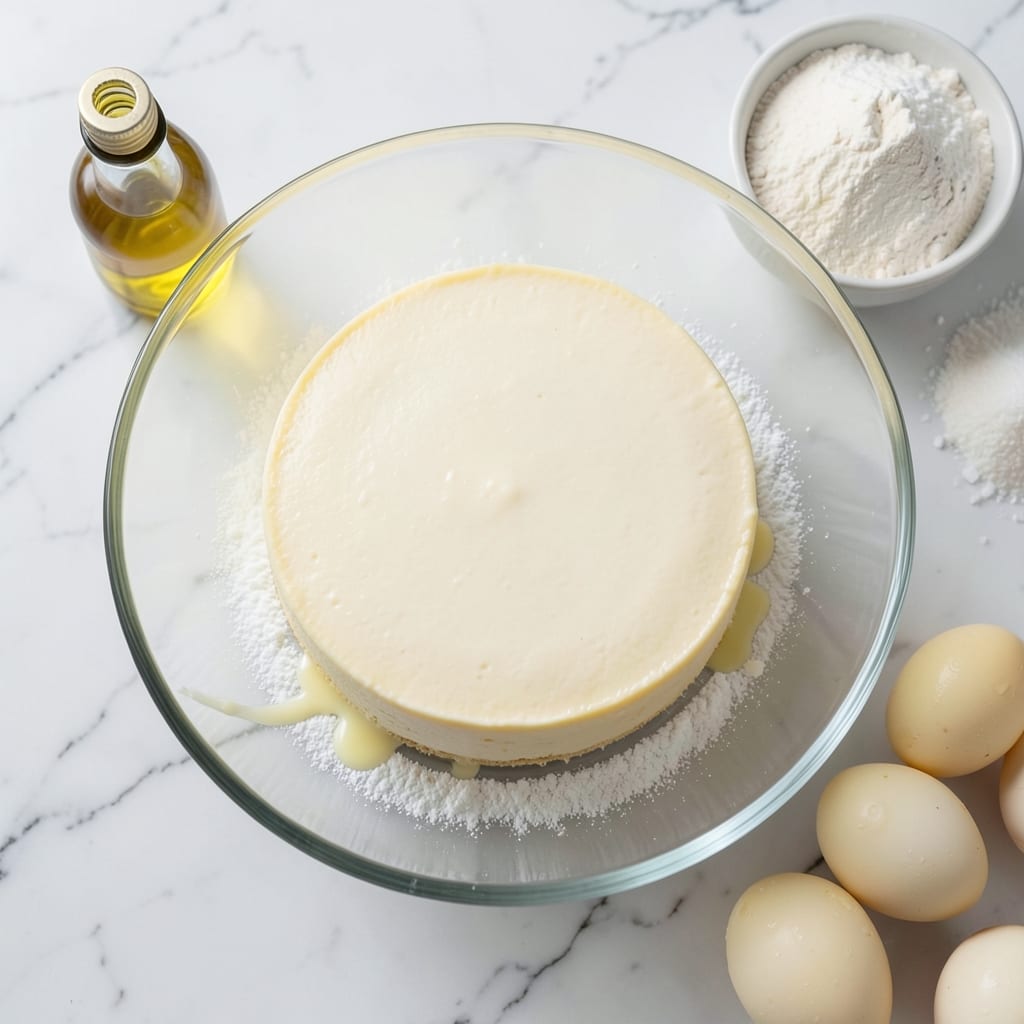
This 10-minute cake recipe transforms a simple microwave into your secret weapon for effortless dessert. No baking skills required—just mix, stack, and serve. The velvety sponge layers melt in your mouth while the cloud-light frosting stays perfectly fluffy, proving you don’t need hours to create something restaurant-worthy. I’ve tested this recipe dozens of times with beginners, and it never fails.
The magic happens in three simple steps: mix dry ingredients with eggs and oil in a mug, microwave for 60 seconds, then top with whipped frosting made from powdered sugar and cream cheese. The result is a moist, tender cake with a texture so light it almost disappears. No measuring cups, no oven, and no waiting—just pure, satisfying dessert in less time than it takes to brew coffee.
What makes this recipe truly special is its foolproof nature. The microwave method ensures even cooking every time, and the frosting comes together in under two minutes with just three ingredients. No one will guess it took less than 10 minutes to create this elegant, two-layer cake. Perfect for last-minute cravings, surprise guests, or when you just need a treat without the effort.
Serve immediately for the best texture, or chill for 15 minutes if you prefer a firmer frosting. The cake stays moist for hours, making it ideal for meal prep or spontaneous dessert moments. Once you try this method, you’ll wonder why you ever baked cakes the old-fashioned way.
Ingredients for 10 minute cake
Just these twelve ingredients transform your microwave into a cake-making powerhouse.
| Ingredient | Amount | Notes |
|---|---|---|
| All-Purpose Flour 🌾 | ¾ cup | Sifted for even texture |
| Granulated Sugar 🍚 | ½ cup | White or light brown |
| Powdered Sugar 🍚 | 1 cup | For frosting only |
| Large Eggs 🥚 | 2 whole | Room temperature preferred |
| Vegetable Oil 🫒 | ¼ cup | Light or canola oil |
| Unsweetened Almond Milk 🥛 | ¼ cup | Or any milk substitute |
| Baking Powder 🧂 | 1 ½ tsp | Aluminum-free preferred |
| Salt 🧂 | ¼ tsp | Fine sea salt |
| Vanilla Extract 🍯 | ½ tsp | Pure vanilla preferred |
| Cream Cheese 🧀 | 4 oz | Room temperature for whipping |
| Butter 🧈 | 2 tbsp | Softened for frosting |
| Lemon Juice 🍋 | 1 tbsp | Freshly squeezed |
Flour is the backbone of this cake—King Arthur or Bob's Red Mill brands work best for that tender crumb. The powdered sugar? Domino is my go-to for frosting because it's super fine and dissolves smoothly. Eggs should be at room temperature (pop them in warm water for 5 minutes if they're cold). The almond milk is purely for moisture—Silk or Blue Diamond are reliable brands, but any unsweetened milk works. For the cream cheese, Philadelphia is foolproof, but any brand will do as long as it's fully softened. Pro tip: microwave it for 10 seconds to speed up the process.
No almond milk? Oat milk or regular milk works just fine—just use the same amount. Short on vanilla? Almond extract at half the amount gives a nice twist. The butter can be swapped for vegetable shortening if you're avoiding dairy, but it'll be slightly less flavorful. For a tangy kick, add 1 tsp lemon zest to the batter. The lemon juice in the frosting brightens everything up—fresh is best, but bottled works in a pinch. And if you're worried about the cake being too dry, add 1 tbsp extra milk to the batter. Trust me, this recipe is forgiving.
The cake is best served immediately, but if you need to prep ahead, cover tightly and store at room temperature for up to 2 hours—after that, it starts to dry out. The frosting keeps for 3 days in the fridge, so you can make it ahead. To reheat, microwave the cake for 10 seconds with a splash of milk to restore moisture. Freezing isn't recommended—this cake is all about its fresh, light texture. If you're making this for a crowd, double the recipe and use two mugs for the batter.
Why You'll Love This Recipe
- No Mixer Needed: I swear by this—just fold the flour into the wet ingredients with a spatula. No whisking, no electric mess, and the texture comes out light as a cloud. Even if I’m too tired to measure precisely, it still turns out reliable.
- Sweet but Simple: That dusting of powdered sugar on top isn’t just for looks—it melts into the crumb for a subtle, velvety finish. Honestly, the combo of eggs and oil keeps it moist without tasting greasy, so it’s the kind of cake that disappears fast.
- Party in a Box: Between us, this is my go-to for last-minute gatherings. Slice it for a dessert table, crumble it over ice cream, or serve it as-is—no one bats an eye. I’ve even used it to fill cupcake liners when I needed a quick treat for the kids’ birthday.
- Budget-Friendly Magic: Flour, sugar, eggs—these are pantry staples that don’t break the bank. A single batch feeds four, and leftovers? They keep for days in the fridge. I’ll be real: this is the cake I make when I’m broke but still want something special.
Step-by-step instructions for velvety sponge cake with cloud-light frosting
Here's how to make this dreamy cake in record time—no mixer required.
Whisk Wet Ingredients for a Light, Airy Base
In a medium bowl, combine the 2 whole large eggs and 0.5 cup granulated sugar. Whisk vigorously for 2-3 minutes until the mixture becomes pale, thick, and nearly doubles in volume. You'll see ribbons form when you lift the whisk—this is your signal the eggs are properly aerated. This step creates the signature lightness of the sponge.
Next, add the 0.25 cup vegetable oil and 0.25 cup unsweetened almond milk to the egg mixture. Whisk again for 30 seconds to fully incorporate. The oil helps tenderize the cake while the milk adds moisture. I like to use room-temperature ingredients here—they blend more smoothly and create fewer lumps.
Sift Dry Ingredients and Fold Gently
In a separate bowl, sift together the 0.75 cup all-purpose flour, 1.5 teaspoons baking powder, and 0.25 teaspoon salt. This sifting step prevents dense pockets in the cake. Make a well in the center and add the 0.5 teaspoon vanilla extract and 1 tablespoon lemon juice. Gently fold these into the dry ingredients just until combined.
Now, slowly pour the dry mixture into the wet ingredients while folding gently with a spatula. Be careful not to overmix—just until the batter is smooth and no flour streaks remain. Overmixing develops gluten, which makes the cake tough instead of tender. The batter should be thick but pourable, like heavy pudding.
Bake in Two Thin Layers for Even Cooking
Preheat your oven to 350°F. Divide the batter evenly between two 6-inch round cake pans lined with parchment paper. I use round pans because they cook more evenly and create a perfect stack. Bake for 8-10 minutes—the cakes are done when they spring back when gently pressed in the center and pull away cleanly from the sides.
Don't overbake! The edges should be just set but the centers should still look slightly underdone. Overbaking makes the cake dry. Let the cakes cool in the pans for 5 minutes, then transfer to a wire rack to cool completely. The cooling process is crucial for stacking—warm cakes will crumble.
Whip Cream Cheese Frosting to Cloud-Like Perfection
While the cakes cool, beat the 4 ounces cream cheese and 2 tablespoons softened butter together in a medium bowl until smooth and creamy. This should take about 1-2 minutes with an electric mixer. Add the 1 cup powdered sugar and mix on low speed until combined, then increase to medium-high and whip for 2-3 minutes until light and fluffy.
Add the 0.5 teaspoon vanilla extract and 1 tablespoon lemon juice and mix for another 30 seconds. The frosting should be thick but spreadable. If it's too soft, chill for 10 minutes—this helps it hold its shape when stacked. The lemon juice brightens the flavor and balances the sweetness beautifully.
Stack and Frost for a Professional Finish
Place one cake layer on a plate and spread a thin layer of frosting on top. This is called a "crumb coat"—it seals in any crumbs and prevents them from mixing into the final frosting layer. Place the second cake layer on top and gently press down.
Spread the remaining frosting evenly over the top and sides of the cake, using a spatula to create smooth, clean edges. For extra elegance, I like to dip the spatula in warm water between swipes—this helps achieve those perfect, sharp edges. Serve immediately or refrigerate for 30 minutes before slicing for cleaner cuts.
Pro Tips For Making 10 Minute Cake
- Mix Dry Ingredients First: I learned this the hard way—skipping it leads to lumps that ruin texture. Sift the flour and sugar together, then whisk in the powdered sugar. No sifter? Just dump everything in a bowl and cut through with a fork until it’s smoother than your ex’s excuses.
- Use Room-Temp Eggs: Cold eggs make the batter fight you. Let those eggs sit out for 10 minutes before cracking them in—this keeps the cake from turning out dense or gummy. (Yes, even if you’re impatient like me.)
- Don’t Overmix the Batter: Two minutes past smooth, and you’re turning cake into glue. Mix just until the flour disappears—about 15 seconds with a whisk. Overmixing = tough cake, and nobody wants that.
- Grease the Pan Right: A dry pan means a stuck cake. Brush the pan with oil and dust it with flour, tapping out the excess. I skip this sometimes, and the cake always sticks—don’t be that person.
Dietary considerations for this dish
Gluten-Free Adaptation
Swap the all-purpose flour for a 1:1 gluten-free baking flour blend like Bob's Red Mill or King Arthur Measure for Measure. Use 0.75 cup of the blend and add 1 extra teaspoon of xanthan gum to mimic gluten's binding properties. The cake will still be tender but slightly denser. For best results, let the batter rest for 5 minutes before microwaving to allow the flour to hydrate properly. 🌾
Dairy-Free Options
Replace the cream cheese in the frosting with 4 ounces of vegan cream cheese like Kite Hill or Miyoko's. For the milk in the batter, use unsweetened coconut milk instead of almond milk—it adds a subtle sweetness that complements the cake beautifully. The texture remains light, though slightly more delicate. Chill the frosting for 10 minutes before stacking to ensure stability.
Egg-Free Version
For an egg-free sponge, replace the 2 eggs with 0.5 cup unsweetened applesauce or 0.5 cup aquafaba (chickpea brine). If using aquafaba, whip it to stiff peaks first to mimic the egg's structure. The cake will be slightly denser but still moist. Reduce the baking time by 1 minute since egg-free batters can dry out faster. Test doneness by inserting a toothpick—it should come out clean but slightly moist.
Lower Sugar Adjustments
Reduce the granulated sugar to 0.35 cup and the powdered sugar to 0.75 cup for a lighter sweetness. Add 1 teaspoon of monk fruit sweetener or 1 tablespoon of honey to maintain moisture. The cake will still be tender but less rich. Balance the flavor by increasing the vanilla extract to 1 teaspoon and adding 1 teaspoon of lemon zest to the batter for brightness. 🍯
Nut-Free Substitutions
Skip the almond milk and use oat milk or soy milk instead. For extra richness, add 1 tablespoon of melted coconut oil to the wet ingredients. The cake remains moist, though slightly denser. If you're also avoiding dairy, use vegan butter in the frosting—it whips just as well as regular butter. Store-bought vegan butter like Earth Balance works perfectly for this recipe.
Nutrition facts
Frequently asked questions
Can I make this cake in a mug instead of using pans?
For a single-serving mug cake, use ¼ cup flour, ¼ cup sugar, ½ egg, 1 tbsp oil, and 1 tbsp milk. Mix in a microwave-safe mug, cover loosely with a paper towel, and microwave for 60-90 seconds until set. Top with whipped cream cheese frosting made from 2 tbsp powdered sugar and 1 tbsp cream cheese. The texture will be denser but still delicious!
Why does my cake taste eggy or raw in the middle?
This usually happens when the eggs aren't fully cooked or the cake isn't baked long enough. Always check doneness by pressing the center—it should spring back when touched. For microwave versions, 60 seconds is the max; oven-baked cakes need 8-10 minutes at 350°F. If it tastes eggy, try whisking the eggs longer (until ribbons form) next time.
Can I use a boxed cake mix for this recipe?
Yes! For a shortcut, use a 15.25 oz boxed vanilla cake mix (like Betty Crocker) and add ½ cup oil and ¼ cup milk. Mix well, divide between two pans, and bake as directed. The texture will be slightly denser but still quick and easy. Just reduce frosting to ½ cup powdered sugar to avoid excess sweetness.
How do I make this cake without an electric mixer?
No problem! Whisk the eggs and sugar vigorously by hand for 5 minutes until pale and thick. For the frosting, use a fork to mash the cream cheese with powdered sugar, then beat vigorously with a spoon until light. It'll take more effort but still work beautifully. The key is patience—keep whisking until you see volume increase.
What's the best way to store leftovers?
Store the cake in an airtight container at room temperature for up to 2 hours (it dries out after that). For longer storage, refrigerate for 3 days or freeze for 1 month. To reheat, microwave for 10 seconds with a damp paper towel over it. The frosting can be made ahead and stored separately for 3 days in the fridge.