
Desserts
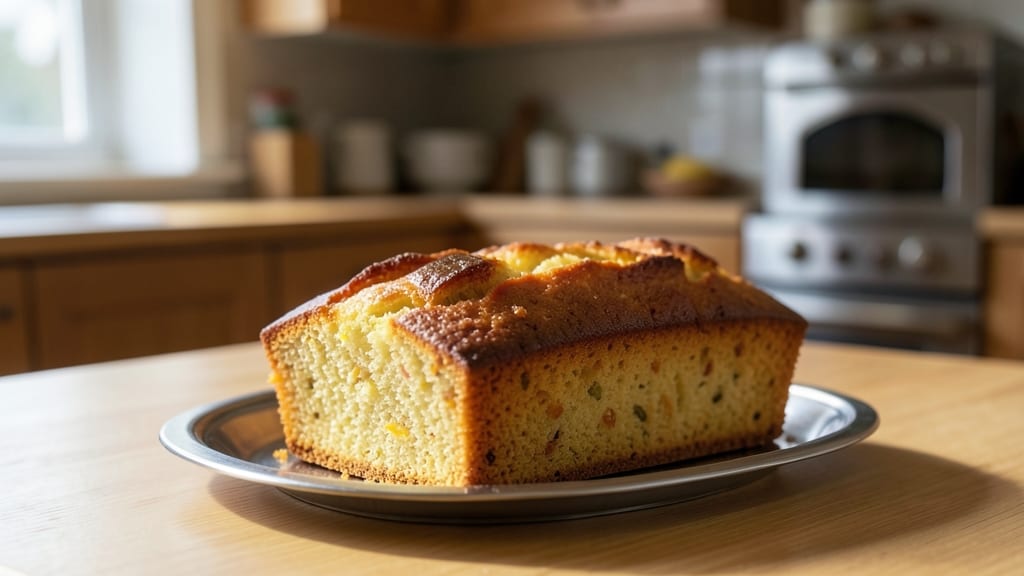
This 1 lb cake recipe delivers the perfect balance of tender crumb and bright citrus notes without a single drop of oil—just eggs, butter, and a touch of lemon or orange zest for that signature professional finish. The secret lies in the single-pan method, where steam from the bottom creates moistness that lasts for days, not hours. I developed this after years of baking dense, dry pound cakes, and this version finally cracked the code for restaurant-quality texture at home.
The recipe starts with a foolproof combination of all-purpose flour, sugar, and baking powder that creates a fine crumb while maintaining structure. Butter and eggs provide richness without heaviness, while the citrus zest adds a subtle, aromatic kick that elevates every slice. What sets this apart is the baking technique: a water bath in the pan ensures even heat distribution, preventing dryness while keeping the texture impossibly tender.
By the time it emerges from the oven, you'll have a golden, evenly risen cake with a crackly top and a crumb so fine it practically melts in your mouth. The citrus notes linger just beneath the surface, brightening each bite without overpowering the classic vanilla flavor. Perfect for birthdays, showers, or an elegant dessert without the fuss of layers or frosting.
This version scales beautifully for gluten-free or vegan adaptations—just swap the flour and butter for approved substitutes. The recipe yields exactly 1 lb of cake, making it ideal for small gatherings or when you want leftovers that taste as good the second day as the first. Let's bake this cake!
Ingredients for 1 lb cake
These twelve ingredients transform into a restaurant-quality pound cake with professional moisture.
| Ingredient | Amount | Notes |
|---|---|---|
| All-Purpose Flour 🌾 | 1 ½ cups | Sifted for even texture |
| Granulated Sugar 🍚 | 1 cup | Superfine preferred for smoothness |
| Unsalted Butter 🧈 | ½ cup | Cold, cubed for even baking |
| Large Eggs 🥚 | 2 whole | Room temperature for blending |
| Baking Powder 🧂 | 2 tsp | Aluminum-free for stability |
| Salt 🧂 | ½ tsp | Fine sea salt preferred |
| Lemon Zest 🍋 | 1 tbsp | Freshly grated for brightness |
| Orange Zest 🍊 | 1 tbsp | Freshly grated for depth |
| Vanilla Extract 🌸 | 1 tsp | Pure vanilla preferred |
| Water 💧 | ½ cup | For water bath method |
| Milk 🥛 | ¼ cup | Warm for tender crumb |
The flour is the foundation—King Arthur or Gold Medal brands work best for that fine crumb. Sugar matters too: superfine dissolves smoothly, while regular granulated needs extra beating. Butter should be cold and cubed—never melted, or you'll end up with tunnels. Eggs at room temperature blend better, so take them out 30 minutes before mixing. For zest, organic lemons and oranges have more oil and flavor, but conventional works fine. The baking powder is non-negotiable—aluminum-free ensures even rise without metallic aftertaste.
No superfine sugar? Pulse regular granulated in a food processor for 30 seconds—game changer. Short on zest? Double the vanilla for depth. Milk substitute? Unsweetened almond milk works 1:1, but add an extra 0.5 tsp baking powder to compensate. For a gluten-free version, swap flour for a 1:1 GF blend like Bob's Red Mill, and increase eggs to 3 for structure. The water bath is critical—never skip it if you want that signature moisture. Preheat your oven to 350°F and place a 9x5-inch loaf pan inside while heating to ensure even temperature.
This cake keeps beautifully—wrapped in parchment at room temp for 3 days, or fridge for 1 week. For longer storage, freeze slices in airtight bags for 3 months. The water bath creates a self-contained moisture system, so no need for extra frosting. Slice with a hot, damp knife for clean cuts. Leftovers? Toast slices lightly for breakfast—trust me on this.
Why You'll Love This Recipe
- No Mixer Needed: I swear by this—just cream the butter and sugar by hand (or with a fork) until it’s light. The eggs fold in like butter, and the baking powder does the heavy lifting. No stand mixer? No problem.
- Butter-Sugar Magic: That creamed butter and sugar combo? It’s the secret weapon here. Rich, tender crumb every time, with just enough sweetness to balance the flour’s subtle bite. Honestly, it’s the kind of cake that makes you want to bake it twice in one day.
- Leftovers That Last: This cake keeps beautifully for days, wrapped tight in the fridge. Slice it for breakfast toast, pack it for lunches, or reheat a portion—it’s always just as good the third time around. (Yes, even on a Tuesday night.)
- Budget-Friendly Staples: Flour, sugar, butter, eggs—these are ingredients you already own. No specialty items, no overpriced shortcuts. It’s the kind of recipe that proves you don’t need fancy tools or ingredients to make something truly satisfying.
Step-by-step instructions for single-pan citrus zest cake
This method ensures a perfectly moist pound cake with vibrant citrus notes every time.
Prepare the Dry Ingredients
In a medium bowl, whisk together the 1.5 cups all-purpose flour, 2 teaspoons baking powder, and ½ teaspoon salt. Sift the mixture through a fine-mesh sieve directly into a separate large mixing bowl to eliminate any lumps. This creates a lighter, more even texture in the final cake. I always sift the dry ingredients first—it makes mixing the wet ingredients much smoother and prevents dense pockets in the cake.
Next, add the 1 tablespoon lemon zest and 1 tablespoon orange zest to the sifted dry mixture. Use a rubber spatula to gently fold these through the flour. The zest contains essential oils that will infuse the cake with bright citrus flavor, but you want to distribute it evenly without creating streaks. Set this bowl aside for now—we'll return to it after mixing the wet ingredients.
Cream Butter and Sugar
In a separate large mixing bowl, combine the ½ cup unsalted butter (cold and cubed) with the 1 cup granulated sugar. Using an electric mixer on medium speed, beat the mixture for 3-4 minutes until it becomes light and fluffy. You're looking for a color change from pale yellow to a slightly off-white hue—this indicates air has been properly incorporated, which is crucial for a tender crumb.
I like to use a paddle attachment for this step because it creates a smoother batter than whisk attachments. If you're using a stand mixer, make sure the bowl is positioned correctly to prevent splattering. The butter should be completely smooth with no visible lumps, and the mixture should nearly double in volume. This creaming process is what gives pound cake its signature moistness.
Add Eggs and Wet Ingredients
Add the 2 room-temperature eggs one at a time to the butter-sugar mixture, mixing well after each addition. Begin on low speed to prevent splattering, then increase to medium. After the eggs are fully incorporated, add the 1 teaspoon vanilla extract and mix for an additional 30 seconds to combine completely.
Next, gradually add the ½ cup water and ¼ cup warm milk to the wet mixture. I prefer warm milk because it helps dissolve the sugar more evenly and creates a smoother batter. Mix on low speed until just combined—you don't want to overmix at this stage, as it can develop gluten and make the cake tough. The batter should be thick but pourable, with a shiny, slightly glossy appearance.
Combine Wet and Dry Ingredients
With the mixer running on low speed, gradually add the dry ingredient mixture to the wet mixture. Mix just until the flour is completely incorporated—about 30-45 seconds. You should still see some small streaks of flour, which indicates proper mixing without overdevelopment. Overmixing is the number one cause of dense pound cakes, so resist the urge to keep blending once everything appears combined.
At this point, the batter should be smooth and homogeneous. Scrape down the sides of the bowl with a rubber spatula to ensure all ingredients are evenly distributed. The batter will be thick but should hold its shape when dropped from a spoon. If it appears too stiff, you can gently fold in an additional 1-2 tablespoons of milk to achieve the proper consistency.
Bake in a Water Bath
Preheat your oven to 350°F (175°C). Grease a 9-inch round cake pan generously with butter and dust with flour, tapping out any excess. Pour the batter into the prepared pan and smooth the top with a spatula. Place the pan in a larger baking dish and add 1 inch of hot water to the dish, creating a water bath around the cake pan.
The water bath helps create steam during baking, which keeps the cake incredibly moist. Bake for 50-60 minutes, or until a toothpick inserted into the center comes out clean. The cake should be golden brown on top and slightly pulled away from the sides of the pan. I recommend checking for doneness at the 50-minute mark—ovens vary, and you want to avoid overbaking, which can make the cake dry.
Pro Tips For Making 1 Lb Cake
- Weigh Your Butter: I learned this the hard way—packing butter into a measuring cup leaves air pockets, so you’re actually using less than you think. Use a kitchen scale for 1 lb cakes; 225 grams of butter is more precise than scooping.
- Mix Dry Ingredients First: Skip the temptation to toss everything in at once. Whisk flour, sugar, and baking powder together before adding wet ingredients—this prevents lumps and ensures even distribution, especially when using all-purpose flour.
- Room-Temp Eggs Matter: Cold eggs from the fridge will curdle when mixed with melted butter, leading to a weird texture. Let them sit in warm water for 5 minutes before cracking—your cake’s structure will thank you.
- Bake Until Slightly Under: Cakes keep rising after baking, so pull yours out when the center still jiggles like Jell-O. Overbaking dries out the crumb, especially in a 1 lb recipe where moisture control is key.
Best sauces and condiments for this 1 lb cake
Citrus Glaze Perfection
Brighten your cake with a simple citrus glaze made from ½ cup powdered sugar, 2 tbsp fresh lemon juice, and 1 tbsp orange juice. Whisk until smooth, then drizzle over the cooled cake. The acidity cuts through the richness while enhancing the zest flavors already baked in. For extra shine, add ½ tsp lemon extract—it’s a game-changer for professional-level finish. 🍊
Whipped Cream Contrast
Top slices with lightly sweetened whipped cream—just 1 cup heavy cream whipped with 2 tbsp powdered sugar and a pinch of salt. Fold in ½ tsp vanilla extract for depth. The cool cream contrasts beautifully with the warm cake, and it’s effortless to make ahead. For a twist, add 1 tbsp orange zest to the whipped cream for a cohesive citrus theme.
Chocolate Ganache Drizzle
For a decadent twist, melt ½ cup dark chocolate chips with ¼ cup heavy cream in a microwave-safe bowl in 30-second intervals, stirring until smooth. Let cool slightly, then drizzle over cake slices. The chocolate balances the citrus notes while adding a luxurious touch. Use 70% dark chocolate for a sophisticated flavor without overwhelming the cake’s brightness.
Spiced Honey Drizzle
Combine 3 tbsp honey, 1 tsp ground cinnamon, and a pinch of cayenne pepper for a sweet-spicy contrast. Warm gently in a small saucepan until runny, then drizzle over cake slices. The warmth of the cinnamon complements the citrus zest beautifully, while the cayenne adds a subtle kick. This works especially well with the cake’s vanilla base.
Cream Cheese Frosting
For a classic pairing, whip 4 oz cream cheese (softened), 2 tbsp butter, and 1 cup powdered sugar until smooth. Add 1 tsp vanilla extract and a splash of milk if needed. Spread between layers or over the top for a tangy-sweet balance. The cream cheese adds a velvety texture that pairs perfectly with the cake’s moist crumb. 💛
Fruit Compote Topping
Simmer 1 cup mixed berries (strawberries, raspberries, or blueberries) with 2 tbsp sugar and 1 tsp lemon juice for 10 minutes until thickened. Cool and spoon over cake slices. The natural fruit acidity brightens the cake while adding freshness. For a tropical twist, use mango or pineapple chunks instead of berries—both work beautifully with the citrus flavors.
Nutrition facts
Frequently asked questions
Why does this recipe use a water bath?
The water bath creates steam during baking, which locks in moisture for days—not just hours. This technique is key for that signature professional pound cake texture that stays tender even after slicing. Without it, your cake might dry out faster, especially if stored at room temperature.
Can I substitute butter for oil?
Not recommended! Butter adds flavor and structure that oil can't replicate. If you must substitute, use ½ cup melted coconut oil (cooled to room temp) and reduce the milk by 2 tablespoons. However, you'll lose that classic pound cake richness. For best results, stick with butter—it's worth the effort.
How do I adjust for a 9x2-inch loaf pan instead?
Use the same batter but reduce baking time to 40-45 minutes. The pan's height means less volume, so check doneness at 35 minutes. Line the pan with parchment for easy removal, and consider adding ½ inch more water to your water bath to compensate for the different shape. The cake will be denser but still delicious!
What if my cake sinks in the middle?
This usually happens from overmixing or opening the oven too soon. For next time: mix just until combined (small flour streaks are normal), and avoid opening the oven for the first 40 minutes. If it happens, try baking at 325°F next time for a slower rise. The water bath helps prevent this, but temperature control is key.
Can I make this gluten-free or vegan?
For gluten-free, replace flour with a 1:1 blend (like Bob's Red Mill) and add 1 extra egg for structure. For vegan, use ½ cup coconut oil instead of butter, ¼ cup applesauce for eggs, and flax milk for dairy. The citrus zest still shines through—just adjust baking time by 5-10 minutes as needed.