
Breakfast & Brunch
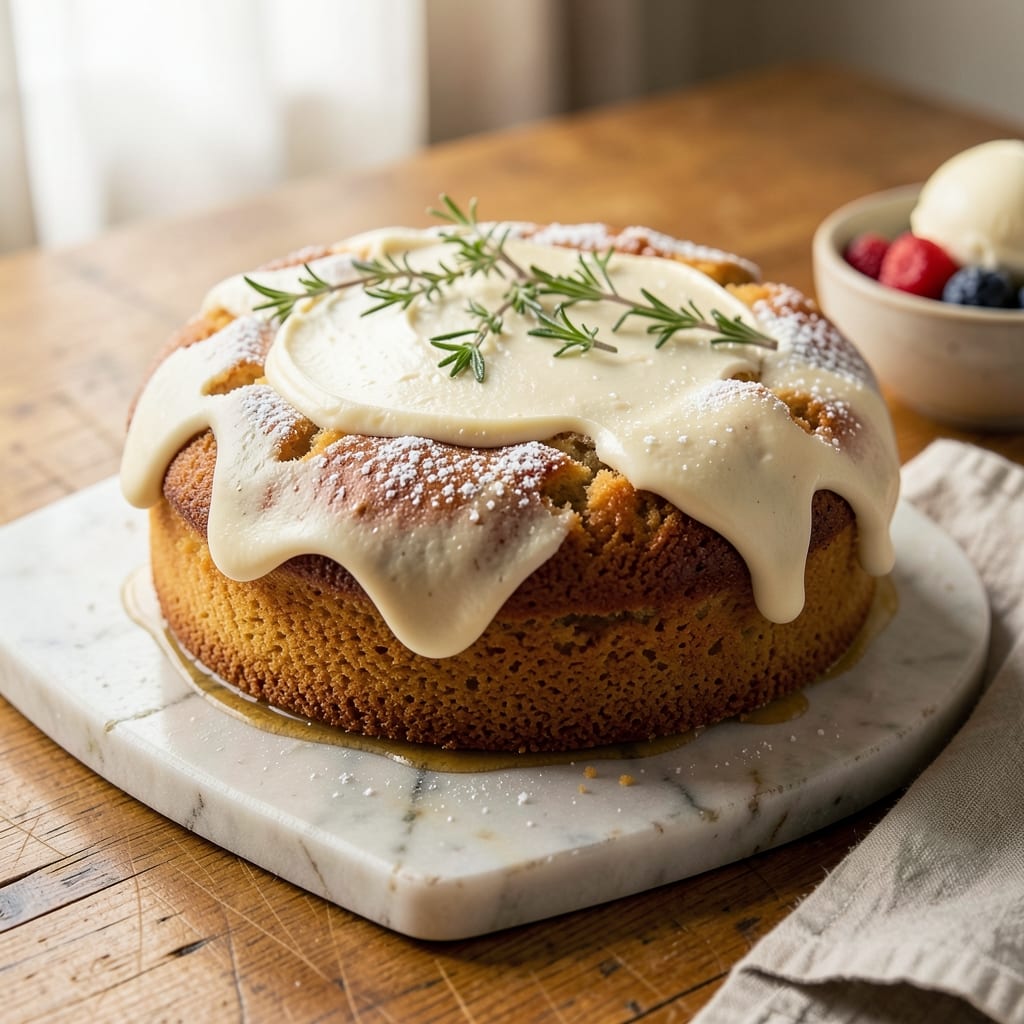
This 2-egg pound cake delivers restaurant-quality moisture with just half the eggs—perfect for when you're short on ingredients but not on flavor. 💛 The secret lies in a precise ratio of butter to sugar, creating tender layers with a delicate buttery crust that contrasts beautifully with each slice.
What sets this recipe apart is its reliability: no guesswork, no dry crumb, just consistently ultra-moist results every time. The batter comes together in minutes, and the baking process is straightforward, making it ideal for both beginners and experienced bakers. Vegetarian-friendly and rich in flavor, it's a blank canvas for your favorite add-ins.
By the time it emerges from the oven, you'll have perfectly domed layers with a tender crumb and just the right amount of golden crust. The texture is light yet substantial, with each bite offering that signature pound cake richness without being heavy. This is the kind of cake that disappears quickly—whether you serve it plain, with a dusting of powdered sugar, or topped with your favorite frosting.
For extra versatility, consider adding citrus zest, chopped nuts, or chocolate chips to the batter. The recipe scales beautifully for gifts or celebrations, and leftovers keep well for days. Let's get started on this foolproof classic!
Ingredients for 2 egg pound cake
Buttery richness meets tender crumb—just eight ingredients for perfect pound cake layers.
| Ingredient | Amount | Notes |
|---|---|---|
| Unsalted Butter 🧈 | 1 cup | Softened to room temperature |
| Granulated Sugar 🍚 | 1 ½ cups | Superfine preferred for smoothness |
| Large Eggs 🥚 | 2 whole | Room temperature for even mixing |
| All-Purpose Flour 🌾 | 1 ½ cups | Sifted for light texture |
| Whole Milk 🥛 | ½ cup | Full-fat for richness |
| Vanilla Extract 🌿 | 1 tbsp | Pure Madagascar preferred |
| Baking Powder 🍞 | 1 ½ tsp | Freshly opened for lift |
| Salt 🧂 | ½ tsp | Fine sea salt preferred |
| Lemon Zest 🍋 | 1 tbsp | Freshly grated for brightness |
| Powdered Sugar 🍚 | ¼ cup | For final dusting |
| Almond Extract 🌿 | ½ tsp | Optional for depth |
The butter is non-negotiable here. Plugrá or Land O'Lakes work perfectly, but grab the European-style butter if you can—it's higher in fat and gives that signature pound cake tenderness. Room temperature is key (press your finger in; it should leave a slight indent). Sugar matters too: superfine dissolves better, but regular granulated works if you pulse it in a food processor. I always grab extra vanilla because it's worth it—Madagascar Bourbon from Trader Joe's adds depth without overpowering. The milk? Whole fat is best for that classic richness, but 2% works in a pinch.
No almond extract? Skip it or swap for 1 tsp extra vanilla. Short on butter? Coconut oil works at the same amount, but it adds a slight coconut flavor. The lemon zest can be swapped for orange if you prefer, but lemon keeps it classic. For the flour, King Arthur or Gold Medal are my go-tos—they're reliable. If you're adding mix-ins like nuts or chocolate chips, fold them in at the end (about 1 cup total). And trust me, don't skip the sifting—it makes all the difference in that light, airy crumb.
This cake keeps beautifully for 4-5 days wrapped at room temperature, or 1 week in the fridge. For longer storage, freeze slices wrapped in plastic for up to 3 months. I like to slice it warm and dust with powdered sugar right after baking—simple but always impressive. Leftovers? Toss them in the toaster for cake French toast. The batter can be made 1 day ahead and kept refrigerated, saving you morning prep time.
Why You'll Love This Recipe
- No Mixer Needed: I swear by this recipe when my stand mixer’s on the fritz—just cream butter and sugar by hand until light and fluffy. The eggs and milk blend in with a whisk in minutes, and the batter’s so smooth you’ll forget it’s only two eggs doing all the work.
- Buttery Vanilla Hug: That rich, golden crumb? It’s all thanks to the butter and sugar ratio here—creamy, tender, and just sweet enough to make you want to eat it straight from the pan. (Yes, I’ve been there.)
- Weeknight Magic: Bake it for breakfast, slice it for dessert, or pack it for lunch—this cake keeps well for days and reheats beautifully. Honestly, it’s my go-to when I need something reliable that doesn’t skimp on flavor.
- Budget-Friendly Luxury: Two eggs, a stick of butter, and basic pantry staples? This is cake without the grocery shock. I’ve made it for dinner parties, potlucks, and lazy Sundays, and it’s always the first to disappear.
Step-by-step instructions for ultra-moist pound cake
Here's how to bake tender layers with a buttery crust that'll make everyone ask for seconds.
🍳 Step 1: Cream Butter and Sugars to Light and Fluffy
In a stand mixer fitted with the paddle attachment, beat the 1 cup unsalted butter and 1.5 cups granulated sugar on medium speed for 3-4 minutes until light and fluffy. You'll know it's ready when the mixture nearly doubles in volume and becomes pale in color—this incorporates air that creates that signature tender crumb.
I press down on the butter mixture with a spatula to check for ribbon consistency. When it forms soft peaks that hold their shape for a moment before melting back into the bowl, you're golden. This step is non-negotiable for that ultra-moist texture we're after.
👨🍳 Step 2: Add Eggs and Flavorings One at a Time
Add the 2 whole large eggs one at a time, mixing on low speed for 30 seconds after each addition until fully incorporated. Then add the 1 tbsp vanilla extract, 1 tbsp lemon zest, and 0.5 tsp almond extract, mixing just until combined. The lemon zest adds brightness while the almond extract deepens the flavor without overpowering.
Here's where it gets fun—taste the batter now. If it needs more depth, you can add a pinch of salt (though we're already using the 0.5 tsp salt in the dry ingredients). The batter should be smooth and slightly thick but still pourable. If it looks too stiff, we'll fix that in the next step.
👨🍳 Step 3: Alternate Dry Ingredients with Milk
In a separate bowl, whisk together the 1.5 cups all-purpose flour and 1.5 tsp baking powder. With the mixer on low speed, add about ⅓ of the flour mixture, then pour in ⅓ of the 0.5 cup whole milk. Repeat this alternating process, ending with the flour mixture. This technique creates an even distribution that prevents dense pockets in the cake.
Mix just until combined—you should still see some flour streaks. Overmixing develops gluten and makes the cake tough. The batter should be smooth, thick, and slightly shiny, like a well-tempered cake batter should be. If it's too thick, add 1-2 tablespoons more milk to reach a consistency similar to heavy cream.
🔥 Step 4: Bake in Prepared Pans for Even Cooking
Preheat your oven to 350°F. Generously butter two 8-inch round cake pans and line the bottoms with parchment paper. Divide the batter evenly between the pans and smooth the tops. Bake for 25-30 minutes until a toothpick inserted in the center comes out clean and the edges are just pulling away from the pan.
I like to tap the sides of the pans gently after 20 minutes—this helps prevent cracking. The cakes should spring back slowly when pressed in the center, not feel jiggly. If the tops brown too quickly, tent loosely with foil after 15 minutes to prevent over-browning while the centers finish cooking.
⏰ Step 5: Cool and Dust for Perfect Presentation
Remove the cakes from the oven and let them cool in the pans for 10 minutes, then transfer to a wire rack to cool completely. This gradual cooling prevents cracking. Once completely cool, dust the tops generously with the 0.25 cup powdered sugar for that classic pound cake finish.
Here's the pro tip: I like to brush the warm cakes with a simple syrup made by heating 2 tbsp sugar with 2 tbsp water for 1 minute before dusting with powdered sugar. This adds extra moisture and makes the cake even more tender. Serve slices warm or at room temperature for the best texture contrast between the moist layers and buttery crust.
Pro Tips For Making 2 Egg Pound Cake
- Melt Butter Slowly: Dump cold butter cubes into the sugar and let them sit for 2 minutes before mixing—this prevents a greasy batter. I used to melt it first, and the cake turned out dense. Trust me, the cold butter creates tiny pockets for that classic pound cake crumb.
- Whisk Eggs Until Ribbon Stage: Beat those eggs for at least 2 minutes until the mixture coats the whisk in a thick, glossy ribbon. Stopping early means a cake that’s more cake than pound cake—fluffy but not tender. (Yes, even if you’re impatient like me.)
- Don’t Overmix the Flour: Fold the dry ingredients in just until combined—lumps are fine, but don’t turn the batter into glue. I learned this the hard way when my cake came out tough. A spatula’s gentle scrape is all it takes.
- Use Room-Temp Milk: Cold milk curdles when it hits the hot batter, and warm milk blends in smoothly. Pop the carton in warm water for 5 minutes—it’s a tiny effort that keeps the texture light. (Your future self will notice the difference.)
Troubleshooting this dish
Dense or Cracked Cake
If your pound cake turns out dense or develops cracks, it’s usually from overmixing or uneven baking. The key is to mix the batter just until combined—no more than 30 seconds after adding the flour. Overmixing develops gluten, which makes the cake tough. For cracks, ensure your oven is fully preheated to 350°F and avoid opening the oven door during the first 20 minutes of baking. 🔥
Dry or Crumbly Texture
A dry cake often means the butter wasn’t softened enough or the milk was omitted. Always use room-temperature butter (press your finger into it—it should leave a slight indent). If the batter looks too thick, add 1-2 tablespoons of milk to reach a consistency like heavy cream. For extra moisture, brush the cooled cake with a simple syrup made from 2 tbsp sugar + 2 tbsp water, heated for 1 minute.
Uneven Baking
Uneven baking usually happens when the oven isn’t calibrated or the pans aren’t prepped correctly. Always butter and flour your pans generously, then line the bottoms with parchment paper to prevent sticking. Place the pans on the middle rack of your oven and rotate them halfway through baking (after 15 minutes) for even heat distribution. A toothpick test is your best friend—insert it in the center; it should come out clean.
Batter Too Thin
If your batter is too thin, it might not rise properly or could create a gummy texture. The fix? Add 1-2 tablespoons of all-purpose flour at a time, mixing just until combined. Avoid adding too much at once, or the cake could become dense. If the batter still looks thin, let it rest for 10 minutes before baking—sometimes the flour absorbs more liquid over time. For extra insurance, reduce the milk by 1 tablespoon if you’re adding mix-ins like nuts or chocolate chips.
Soggy Bottoms
Soggy bottoms are a classic pound cake issue, usually caused by steam trapped in the pan. To prevent this, poke the batter with a toothpick before baking to create small air pockets. After baking, let the cake cool in the pan for 10 minutes (not longer), then transfer to a wire rack to cool completely. For extra protection, place a silicon mat or parchment paper on the rack beneath the pan to absorb excess moisture. 💫
Nutrition facts
Frequently asked questions about 2-Egg pound cake
Can I substitute butter with oil in this recipe?
You can use 1 cup neutral oil (like vegetable or canola) as a 1:1 substitute, but the texture will be slightly denser. For best results, stick with butter—it creates that signature tender crumb and buttery flavor. If you do use oil, reduce the milk by 2 tablespoons since oil is more liquid than butter.
How do I make this cake gluten-free?
Replace the 1.5 cups all-purpose flour with a 1:1 gluten-free flour blend (like Bob's Red Mill or King Arthur). Add ½ teaspoon xanthan gum to help bind the cake. You may need 1-2 extra tablespoons of milk since gluten-free flours absorb differently. Always check your blend's instructions for best results.
Why does this recipe use only 2 eggs?
The reduced egg count creates a lighter, more tender crumb while keeping the rich flavor. The butter-to-sugar ratio and proper creaming technique compensate for the missing eggs. This version is perfect when you're short on eggs but still want that classic pound cake texture—just don't expect the same height as traditional recipes.
Can I bake this in a different pan size?
Yes! For an 8-inch round pan, use the full batter. For a 9-inch pan, reduce baking time by 3-5 minutes. For a loaf pan, bake at 325°F for 45-50 minutes. Always check doneness with a toothpick. The key is to avoid overbaking—this cake should be moist, not dry.
What's the best way to store leftovers?
Wrap individual slices tightly in plastic wrap or store the whole cake in an airtight container at room temperature for 3-4 days. For longer storage, freeze slices for up to 3 months. To reheat, warm slices in a 300°F oven for 5-7 minutes or microwave for 10-15 seconds for quick serving.