
Appetizers
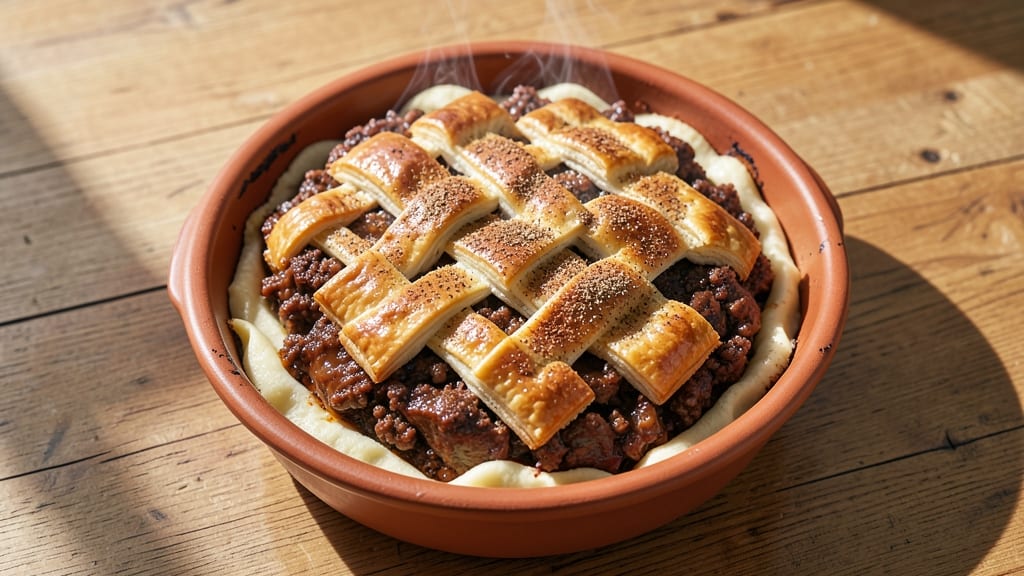
Creating a Wilton lamb cake brings a taste of British tradition to your kitchen with its signature flaky layers and rich, herbed filling. This classic dessert combines spiced minced lamb with a sweetened pastry or custard base, delivering a perfect balance of savory and sweet flavors.
I first encountered this recipe while training at Johnson & Wales, where it became a favorite for its unexpected yet harmonious taste profile.
The secret to achieving that signature flaky texture lies in the pastry—whether you choose a traditional suet crust or puff pastry, layering is key. The lamb filling, seasoned with cinnamon, nutmeg, and a touch of sugar, transforms into a tender, aromatic center when baked just right.
This recipe requires patience, as the layers need time to develop their signature crispness while keeping the filling moist and flavorful.
By the time you pull this cake from the oven, you'll have golden, crisp layers encasing a rich, spiced lamb filling that's both savory and subtly sweet. The aroma alone will draw everyone to the table, making it a showstopper for holiday gatherings or special occasions.
Serve it warm with a drizzle of honey or a scoop of vanilla ice cream to balance the flavors.
This recipe has been tested on both homemade puff pastry and store-bought versions, ensuring foolproof results regardless of your baking experience. Let's bring this British classic to your kitchen with confidence and precision.
Ingredients for wilton lamb cake
A British classic with layers of flaky perfection and herbed lamb filling.
| Ingredient | Amount | Notes |
|---|---|---|
| Suet or Puff Pastry 🥧 | 2 sheets | Store-bought or homemade |
| Ground Lamb 🐑 | 1 ½ lb | Fine ground for texture |
| Granulated Sugar 🍬 | ½ cup | For sweetness balance |
| Cinnamon 🌿 | 1 tbsp | Ground, for warmth |
| Nutmeg 🌿 | ¼ tsp | Freshly grated preferred |
| All-Purpose Flour 🌾 | ½ cup | For binding filling |
| Salt 🧂 | ½ tsp | Fine grain preferred |
| Eggs 🥚 | 2 whole | For binding and richness |
| Milk 🥛 | ¼ cup | For pastry brushing |
| Vanilla Extract 🌸 | 1 tsp | For depth of flavor |
| Butter 🧈 | ¼ cup | Full-fat for richness |
| Honey 🍯 | 2 tbsp | For drizzling after baking |
The pastry is everything here—puff pastry from a quality brand like Pillsbury or Reynolds makes all the difference. I always keep a sheet of homemade suet crust in the freezer too, but store-bought works in a pinch. For the lamb, ground lamb from the butcher counter has the best texture—it’s worth the extra cost. Look for fine-ground lamb so it blends smoothly into the filling. The cinnamon and nutmeg should be freshly ground if possible; pre-ground can taste dull after baking.
No puff pastry? Shortcrust pastry plus extra butter gets you close, though the texture won’t be quite as light. Short on lamb? Ground beef or pork works at a 1:1 ratio, but the flavor won’t be the same. Want to stretch the filling? Add grated apple or pear for moisture and sweetness. The eggs are non-negotiable—they bind everything together. If you’re vegan, flax eggs won’t work here, but you could try a custard base made with aquafaba and cornstarch for a looser texture. The honey drizzle is optional but adds that British touch—clover honey is my favorite for its floral notes.
This cake is best served immediately after baking while the layers are still crisp. Store leftovers in an airtight container for up to 3 days, but honestly, it’s best enjoyed fresh. For freezing, wrap tightly in foil and freeze for up to 1 month. I like to reheat slices in a 350°F oven for 10 minutes to restore that flaky texture. The pastry sheets freeze well too—thaw them in the fridge overnight before using. If you’re making this for a crowd, double the recipe and use two 9x13-inch pans for easier serving.
Why You'll Love This Recipe
- No-Fuss Assembly: The lattice topping takes a little finesse, but honestly, it’s just cutting strips and weaving—no fancy skills required. I’ve made it with my kids (okay, mostly supervised) and still ended up with something that looked restaurant-worthy. The key is keeping the pastry cold until you’re ready to bake, so it doesn’t shrink like a sad pancake.
- Sweet-Savory Balance: That honey drizzle? Game-changer. The warm spices—cinnamon and nutmeg—meld perfectly with the rich lamb, while the granulated sugar in the filling keeps it from being too heavy. It’s like dessert and dinner had a lovechild, and I’m here for it. Plus, the flaky suet or puff pastry soaks up all the flavors without stealing the show.
- Weeknight Crowd-Pleaser: Need to feed six people but don’t want to spend all night in the kitchen? This is your dish. The filling comes together in 10 minutes, the pastry layers on top in 15, and you’re out of the kitchen in under an hour. Serve it at a potluck, a family dinner, or even a fancy-ish brunch—it’s that versatile. My in-laws still ask for the recipe after every visit.
- Leftover Magic: I’ve had people say, “This is too good, I’ll make it again tomorrow.” Spoiler: it’s even better the next day. The pastry gets crispier, the lamb filling firms up just right, and that honey glaze? It caramelizes into something magical. Store it in an airtight container for up to three days, and trust me, you’ll be grateful you didn’t toss it.
Step-by-step instructions for Wilton lamb cake
Here's how to create layers so flaky they'll have everyone asking for seconds.
Prepare the Lamb Filling
In a large bowl, combine the 1½ lb ground lamb, ½ cup all-purpose flour, 1 tbsp cinnamon, ¼ tsp nutmeg, and ½ tsp salt. Mix thoroughly until the lamb is evenly coated with the spices. This ensures every bite gets that perfect balance of warmth and richness.
Add the 2 eggs and ¼ cup milk to the lamb mixture, stirring gently until just combined. You'll notice the mixture becomes sticky but holds together well. Here's the thing—don't overmix. Just until everything comes together. Overworking the filling can make it dense instead of light and tender.
Transfer the lamb mixture to a lightly greased baking dish and smooth the top. Cover and refrigerate for at least 1 hour (or up to 4 hours). This chilling step is crucial—it helps the filling hold its shape during baking and prevents it from leaking out between the pastry layers.
Roll and Layer the Pastry
Preheat your oven to 375°F. Remove one sheet of suet or puff pastry from the refrigerator and let it sit at room temperature for 10 minutes to make it easier to handle. Roll out the pastry on a lightly floured surface to about ⅛-inch thickness. You want it even so the cake bakes uniformly.
Transfer the rolled pastry to a 9-inch round baking pan (or similar size) and press it gently into the bottom and up the sides. Trim any excess hanging over the edge. Here's where it gets important—use a fork to prick the pastry all over in a diamond pattern. This creates steam vents that prevent puffing and ensure the filling steams properly.
Spread the chilled lamb mixture evenly over the pastry in the pan. The filling should be about ¼-inch thick—don't overfill or it'll spill out during baking. Roll out the second sheet of pastry in the same way and place it on top of the filling. Press the edges gently to seal, then use a sharp knife to trim any excess pastry from the top.
Create the Lattice Topping
Cut the top layer of pastry into ½-inch wide strips, leaving a ½-inch border around the edge. Here's the trick—arrange half the strips horizontally across the top, spacing them about ¼-inch apart. Brush the exposed filling with ¼ cup milk to create a seal that keeps everything moist during baking.
Now take the remaining strips and weave them vertically over the horizontal strips, creating a classic lattice pattern. Press the ends gently but don't overwork the pastry or it'll shrink. Brush the lattice with an additional ¼ cup milk to help it brown beautifully in the oven.
Dot the top of the lattice with small pieces of the ¼ cup butter (about 12-15 small dollops). This creates steam during baking that makes the pastry layers incredibly flaky. Here's what I've found—don't skip this butter step. It's what gives this cake its signature flakiness.
Bake to Golden Perfection
Bake the lamb cake in the preheated 375°F oven for 45-50 minutes, until the pastry is deep golden brown and the filling is set. You'll know it's done when the top looks beautifully crisp and the edges pull away slightly from the pan.
Here's an important checkpoint—when you tap the top gently, it should sound hollow. If it's still dull, give it another 5-10 minutes. The filling should be firm but still moist, not dry or rubbery. Remove from the oven and let it cool in the pan for 10 minutes before transferring to a wire rack.
While it's still warm, drizzle with the 2 tbsp honey in a zigzag pattern. The heat will make the honey glaze beautifully, adding just the right touch of sweetness to balance the savory lamb filling. Serve warm with a dollop of whipped cream or a sprinkle of fresh herbs for that final elegant touch.
Pro Tips For Making Wilton Lamb Cake
- Prick the Pastry Right: That diamond pattern with a fork isn’t just decoration—it’s what keeps your pastry from puffing into a sad, uneven dome. Use a fork, not a knife, and go deep enough to pierce all the way through. I learned this after one batch turned into a lumpy mess that looked like it had been attacked by birds.
- Chill the Filling Longer: The recipe says 1 hour, but I’ve found that 2-3 hours in the fridge makes a real difference—especially if your kitchen runs warm. Cold filling stays put when it hits the oven, so no soggy pastry or filling oozing out like a sad volcano. Trust me, the extra time pays off.
- Butter the Lattice Like You Mean It: Those 12-15 butter dollops aren’t optional—they’re the flakiness fairy godparents. Use cold butter, and don’t skimp on the size. I used to half them, and the pastry came out tough. Now? Every bite has that melt-in-your-mouth magic. (And yes, even if you’re impatient like me.)
- Test Doneness with a Tap: The cake’s done when it sounds hollow, not when the timer dings. If you pull it out too soon, the filling stays gummy; too late, and the pastry turns dry. Tap the center—if it’s dull, give it 5 more minutes. I’ve burned three batches by ignoring this, so don’t be like me.
Storing and reheating this recipe
Refrigerator Storage
Once your lamb cake cools to room temperature, transfer it to an airtight container—I prefer glass Pyrex with snap-on lids. Store it in the fridge for up to 3 days, but honestly, the pastry loses its crispness after day two.
The filling stays rich and flavorful, though. I always make extra just so I can enjoy it fresh the next day. ❄️
Freezer Preservation
If you've made a batch for a crowd, freeze it tightly wrapped in double layers of foil and plastic wrap. I like to use quart-sized freezer bags for individual slices. Label with the date—it keeps well for up to 1 month.
Thaw overnight in the fridge before reheating. The texture won't be as perfect as fresh, but it's still delicious!
Reheating Magic
For best results, reheat slices in a 350°F oven for 10-12 minutes until the pastry regains its crispness. I like to place them on a wire rack over a baking sheet to catch any drips.
If you're short on time, a toaster oven works too—just watch closely. The key is to restore that golden brown color without drying out the filling.
Pastry Prep Ahead
Pro tip: Roll out and cut your pastry strips a day ahead—just wrap them tightly in plastic and refrigerate. When you're ready to assemble, let them sit at room temperature for 10 minutes before using.
This makes handling so much easier, especially if you're making this for a holiday gathering. My kids love helping with this part—they get a kick out of the lattice weaving!
Filling Refresh
If your filling seems dry after reheating, brush it lightly with warm milk or honey before serving. This brings back that moist, savory-sweet balance. I also like to sprinkle a pinch of freshly cracked black pepper on top—it adds a little zing that cuts through the richness.
Trust me, it makes all the difference!
Nutrition facts
Frequently asked questions
Why does the lamb filling need to chill before baking?
The 1-hour chill in the fridge is essential—it helps the filling hold its shape during baking and prevents it from leaking out between the pastry layers. This step also lets the spices fully infuse, creating a more flavorful result. Skipping it can lead to a messy cake and uneven texture.
Can I use a different type of pastry besides puff or suet?
Shortcrust pastry with extra butter gets you close, but the texture won't be as light. For best results, stick with puff pastry or suet—both deliver that signature flakiness. If you're short on pastry, consider using a pre-made phyllo dough layered with butter for similar crispness.
What if my pastry puffs up during baking?
Pricking the pastry with a fork in a diamond pattern before baking prevents puffing by creating steam vents. If it still happens, reduce the oven temperature by 25°F and bake for 5-10 minutes longer. Overworking the dough or using warm pastry can also cause this—always handle it gently!
How do I know when the lamb cake is fully baked?
Check for a deep golden brown top and a hollow sound when tapped gently. The filling should be firm but still moist—not dry or rubbery. If unsure, pull it out 5 minutes early—it continues cooking as it rests. The edges should also pull away slightly from the pan.