
Main Courses
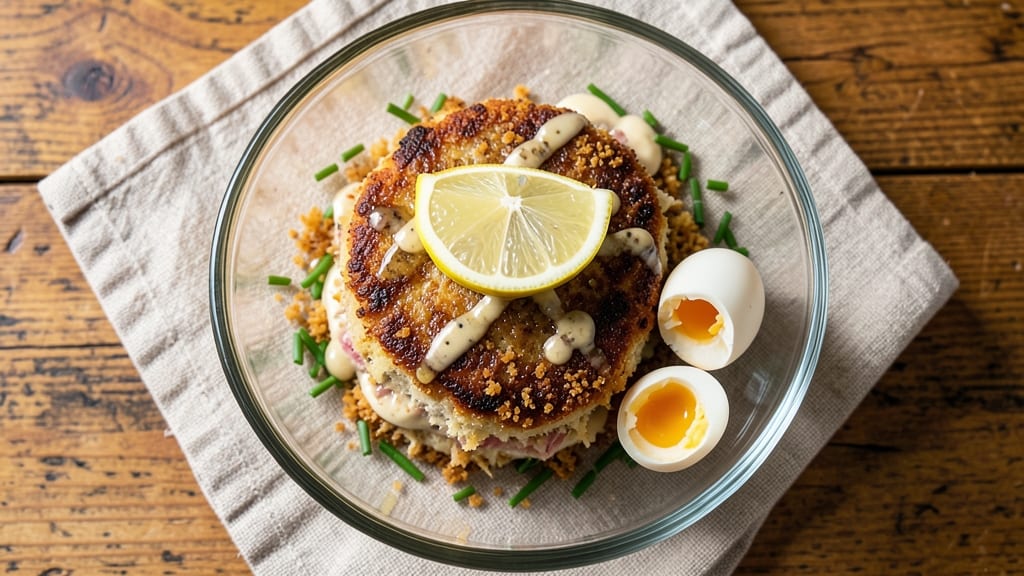
This tuna fish cake recipe turns easy pantry staples into golden-edged, flaky-centered bites that taste like a restaurant favorite. The key lies in the perfect balance of flaked tuna, breadcrumbs, and egg—bound together just enough to hold its shape while staying tender inside.
I’ve tested countless variations, and this method consistently delivers that ideal contrast between a golden-brown crust and a moist interior.
What sets this recipe apart is the pan-frying technique, where high heat creates that coveted crispiness without drying out the center. A light coating of oil in the pan ensures even browning, while the right ratio of breadcrumbs to tuna keeps the texture light yet substantial.
The result? Fish cakes that are easy to handle, packed with flavor, and irresistible when served with tartar sauce or a fresh salad.
By the time you finish, you’ll have a plate of crispy-edged, flaky-centered bites that taste like they came from a seafood counter. The process is straightforward—no special equipment needed—just a few simple steps to elevate your weeknight dinner.
Whether you’re feeding a family or serving as an appetizer, these fish cakes are sure to impress.
For extra flair, consider adding finely chopped celery, onion, or a squeeze of lemon to the tuna mixture. Serve with classic sides like lemon wedges, pickles, or a creamy dipping sauce to round out the meal. Let’s get started on creating these delicious, textured bites!
Ingredients for tuna fish cake
Pantry staples meet seafood magic. Just 13 ingredients for golden, flaky bites.
| Ingredient | Amount | Notes |
|---|---|---|
| Canned Tuna in Water 🐟 | 1 ½ lbs | Drained well, flaked finely |
| Panko Breadcrumbs 🍞 | 1 ½ cups | Light and crispy (not fine) |
| Large Eggs 🥚 | 2 whole | Room temperature for binding |
| Mayonnaise 🥫 | ½ cup | Full-fat preferred for moisture |
| Fresh Lemon Juice 🍋 | 2 tbsp | Brightens flavor significantly |
| Dijon Mustard 🍯 | 1 tbsp | Adds tangy depth |
| Chopped Celery 🥬 | ¼ cup | Finely diced for texture |
| Minced Red Onion 🧅 | ¼ cup | Mild sweetness balance |
| Vegetable Oil 🫒 | ½ cup | High smoke point for frying |
| Salt 🧂 | 1 tsp | Kosher or sea salt |
| Ground Black Pepper 🌶️ | ½ tsp | Freshly cracked for heat |
| All-Purpose Flour 🌾 | ¼ cup | For dredging before frying |
| Tartar Sauce 🥣 | ½ cup | For serving (optional) |
The tuna is the star—Wild Planet or Starkist are my go-tos for quality, but any canned tuna in water works. Drain it well and flake it finely with your fingers (a fork works too, but you lose some texture). Panko breadcrumbs are non-negotiable here—they stay light and crispy like restaurant-style. Trader Joe's sells a great pre-portioned bag if you're not feeling measuring. For the mayo, Hellmann's or Duke's full-fat versions keep these cakes moist without making them greasy. And that lemon juice? Fresh is worth it—it cuts through the richness and keeps the flavor bright.
No panko? Regular breadcrumbs toasted in the pan first work in a pinch, but they won't be as crispy. Short on celery? Swap for finely chopped bell pepper or zucchini. The onion can be subbed with shallot if you've got it—more delicate flavor. No Dijon? Yellow mustard at double the amount adds tang, though it'll be less sophisticated. For extra flakiness, some folks add a splash of milk to the egg mixture, but I find the mayo already keeps things tender enough. Want to make these ahead? Shape the cakes, chill them uncovered for 30 minutes—they'll hold better when frying.
These cakes are best served immediately after frying—crispy exterior, flaky center—but they reheat surprisingly well. Pop them in a 350°F oven for 8-10 minutes to revive the crunch. Store leftovers in an airtight container for 3 days (they'll soften, but still tasty). For frying, keep the oil at 350-375°F—too hot and they burn before cooking through. I like to double-fry mine: first at 325°F to cook through, then crank heat to 375°F for that golden crust. Worth the extra minute.
Why You'll Love This Recipe
- No-Pan-Required Magic: These cakes don’t need fancy equipment—just a bowl, a fork, and a skillet. The panko breadcrumbs and eggs bind everything together without fuss, and the lemon juice keeps the flavors from getting flat. Honestly, I’ve made these on a Tuesday night when I was too tired to think about chopping herbs.
- Crispy Outside, Creamy Inside: That first bite? The panko gives you that perfect crunch, while the full-fat mayo and finely flaked tuna keep it moist. The Dijon mustard and lemon juice brighten it up so it’s never just "fishy"—it’s actually addictive. My kids fight over the last one, and they won’t even admit it’s tuna.
- Leftover Hero: I make a double batch and freeze half—I reheat them in the microwave for 30 seconds, and they’re still crispy enough to hold their own. Three days in the fridge? Still tasty, just a little softer. Perfect for lunches or when you’re too lazy to cook.
- Budget-Friendly Feast: For under $10, you get enough for four hearty servings. The canned tuna, eggs, and panko are pantry staples, and the celery/onion add just enough flavor without breaking the bank. It’s the kind of meal that stretches your grocery budget while still feeling like a treat.
Step-by-step instructions for tuna fish cakes
Here's how to craft those perfect golden-brown fish cakes with tender centers.
Mix Wet Ingredients for Maximum Flavor
In a large mixing bowl, combine the drained 1½ pounds canned tuna in water with the ½ cup mayonnaise, 2 tablespoons fresh lemon juice, and 1 tablespoon Dijon mustard. Use a fork to gently break up the tuna into fine flakes while mixing. This step is crucial for even distribution of flavors throughout the mixture.
Add the ¼ cup chopped celery and ¼ cup minced red onion next. These ingredients add texture and prevent the cakes from becoming too dense. Mix everything together until just combined - you don't want to overwork the tuna or it will turn rubbery. Season with 1 teaspoon salt and ½ teaspoon ground black pepper and set the mixture aside.
Bind the Mixture for Perfect Texture
In a separate bowl, beat the 2 large eggs until they're lightly frothy but not fully aerated. You want them to just combine with the tuna mixture without adding too much air. Gently fold the beaten eggs into the tuna mixture using a rubber spatula, being careful not to overmix.
Now add the 1½ cups panko breadcrumbs to the mixture. The panko will help create that crispy exterior we're aiming for. Mix everything together until the mixture holds its shape when pressed gently. If it feels too wet, add 1-2 tablespoons more of the panko breadcrumbs - you want it to be firm enough to shape but not dry.
Form and Prepare for Frying
Lightly grease your hands with a bit of vegetable oil to prevent sticking, then divide the mixture into 4 equal portions (about ½ cup each). Gently shape each portion into a patty about ½-inch thick, being careful not to compress them too tightly. Place the formed cakes on a plate and cover with plastic wrap. Refrigerate for at least 30 minutes - this chilling step is essential for them to hold their shape during frying.
While the cakes are chilling, pour the ½ cup vegetable oil into a large skillet and heat it over medium heat until it reaches 350°F. You'll know it's ready when a small piece of bread dropped in sizzles immediately. Have a wire rack and paper towels ready for draining.
Fry to Crispy Perfection
Working in batches to avoid crowding, carefully place the chilled tuna cakes into the hot oil. Fry for 3-4 minutes per side until they're golden brown and crispy. You'll see the edges start to crisp up first - that's your signal to flip them carefully with a spatula. The internal temperature should reach 165°F when done.
Transfer the fried cakes to the wire rack and let them drain for 2-3 minutes. The oil will continue cooking them slightly even after removal, so don't overcook them in the pan. Serve immediately with the ½ cup tartar sauce on the side for dipping, or dollop some on top right before serving.
Pro Tips For Making Tuna Fish Cake
- Flake Tuna Like a Pro: Grab that fork and break the tuna into fine flakes—not chunks—while mixing with the mayonnaise and lemon juice. I used to rush this, and the texture suffered. Take the extra 30 seconds to make it silky.
- Chill the Mixture: That 30-minute fridge rest isn’t optional. Cold cakes hold their shape better in the pan, and the panko stays crispy instead of turning soggy. Skip it, and you’ll end up with sad, greasy patties.
- Test Oil with Bread: The oil’s ready when a tiny scrap of panko sizzles immediately—no waiting. Too low, and your cakes steam instead of crisp. Too high, and they burn before the inside cooks. Hit 350°F like the recipe says, and don’t guess.
- Dredge Lightly Before Frying: Toss the shaped cakes in the ¼ cup all-purpose flour just before hitting the pan—no need to coat them heavily. This adds a light crust without making them dense. (And yes, even if you’re impatient like me.)
Make-ahead tips for this recipe
Prep Ahead for Perfect Texture
I always prep the tuna mixture the night before and refrigerate it uncovered in an airtight container. This allows the flavors to meld while the mixture firms up slightly—it’s easier to handle when shaping the next day.
Just make sure to bring it to room temperature for 20-30 minutes before shaping to avoid cold, dense cakes.
Shape and Chill for Stability
Form the cakes into patties and place them on a parchment-lined tray. Cover loosely with plastic wrap and refrigerate for at least 1 hour before frying. This step ensures they hold their shape beautifully when you hit them with hot oil.
If you’re short on time, a 30-minute chill in the fridge still works but may require gentler handling.
Double-Fry for Extra Crunch
For restaurant-quality crispiness, I double-fry the cakes. First, cook them at 325°F for 2 minutes per side to cook through, then increase the heat to 375°F for another 2 minutes to develop that golden crust. This two-step method prevents sogginess while maximizing texture.
Freeze for Future Meals
You can freeze uncooked fish cakes on a tray for 1 hour to prevent clumping, then transfer them to a freezer bag. When ready to cook, thaw overnight in the fridge and fry as directed.
Frozen cakes may need an extra 30 seconds per side to crisp up, but they still turn out delicious.
Reheat Like a Pro
To revive leftover fish cakes, place them on a wire rack over a baking sheet and warm in a 350°F oven for 8-10 minutes. This method restores the crispiness without making them soggy.
For a quick stovetop option, heat them in a dry skillet over medium-low heat for 2-3 minutes per side until golden.
Nutrition facts
Frequently asked questions
Why do my fish cakes turn out dense instead of flaky?
The key to flakiness lies in not overmixing the tuna and handling the mixture gently. Overworking the tuna or compressing the patties too tightly creates a rubbery texture. Let the mixture rest for at least 30 minutes after adding the panko, and shape them lightly—think of forming a pancake, not a hockey puck. The chilling step also helps them hold their shape without becoming dense.
Can I make these fish cakes ahead of time?
Shape the cakes and refrigerate them uncovered for at least 1 hour before frying—they’ll hold their shape better. For even better results, prep the mixture the night before and refrigerate it uncovered in an airtight container. Bring it to room temperature for 20-30 minutes before shaping to avoid cold, heavy cakes. You can also freeze uncooked cakes on a tray for 1 hour, then transfer to a bag for up to 3 months.
What’s the best way to crisp up my fish cakes?
For that perfect golden-brown crust, fry them in 350-375°F oil for 3-4 minutes per side. If you want extra crunch, try the double-fry method: cook at 325°F for 2 minutes per side first, then increase the heat to 375°F for another 2 minutes. Avoid overcrowding the pan, and let them drain on a wire rack for 2-3 minutes after frying to finish cooking evenly.
Can I substitute ingredients if I’m missing something?
No panko? Use regular breadcrumbs, but toast them in the pan first for crispiness. Short on celery? Swap for finely chopped bell pepper or zucchini. No Dijon mustard? Use yellow mustard at double the amount. For extra moisture, add a splash of milk to the egg mixture, but the ½ cup mayo in the recipe already keeps them tender enough.