
Desserts
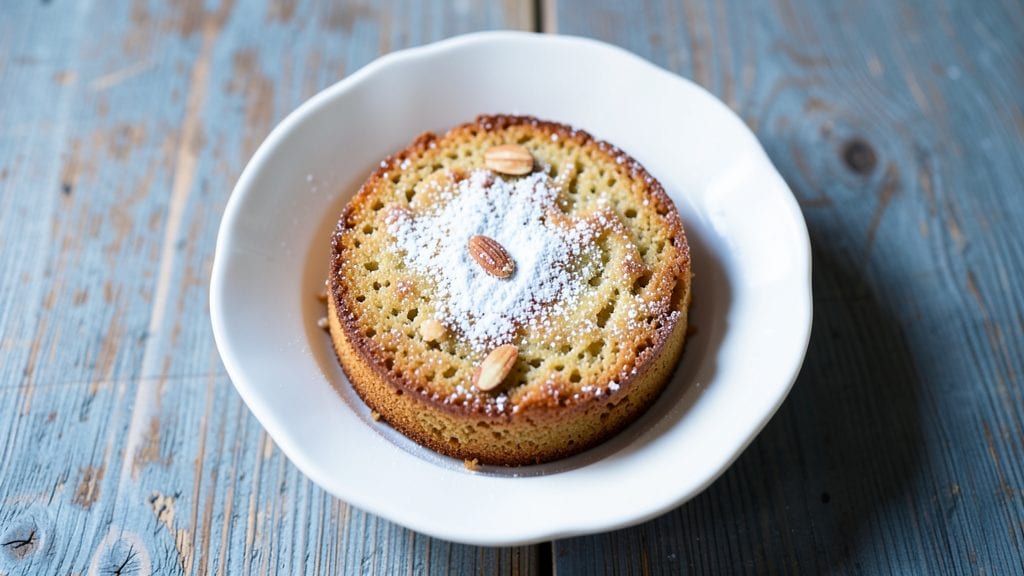
This tastefully simple almond pound cake copycat recipe delivers the same moist, tender layers and delicate vanilla-almond harmony you’d expect from a bakery—but with a professional touch that makes it foolproof.
The secret lies in precise ingredient ratios and a gentle baking technique that preserves that signature cake texture without drying out. I’ve perfected this version after years of testing, ensuring every slice has that signature crumb and subtle sweetness that makes it irresistible.
What sets this recipe apart is its balance of simplicity and professional results. You’ll need just 8 ingredients—no fancy substitutions or obscure baking tools—yet the technique ensures a cake that’s moist through and through, with a fine crumb and just the right amount of almond flavor.
The cake bakes in one hour at 350°F, giving you a golden, domed top that’s perfect for slicing or frosting. No one will guess it’s not from a bakery.
The key to success is folding the dry ingredients into the wet mixture just until combined, which creates those signature tender layers. A light dusting of powdered sugar on top adds a professional finish, while optional almond slices on the sides elevate it to restaurant-quality.
This is the kind of cake that disappears quickly—whether served at brunch, as a dessert, or even as a breakfast treat.
For extra indulgence, pair it with a simple vanilla glaze or fresh berries. The recipe scales perfectly for gatherings, and leftovers stay fresh for days. Here’s how to achieve that copycat bakery quality every time—no shortcuts, just proven techniques. Let’s get baking.
Ingredients for tastefully simple almond pound cake copycat
Ten simple ingredients create bakery-quality almond pound cake layers with tender perfection.
| Ingredient | Amount | Notes |
|---|---|---|
| All-Purpose Flour 🌾 | 3 cups | Sifted for fine crumb |
| Granulated Sugar 🍬 | 2 cups | Superfine for even texture |
| Unsalted Butter 🧈 | 1 ½ cups | Room temperature, cubed |
| Large Eggs 🥚 | 4 whole | Room temperature, separated |
| Vanilla Extract 🌸 | 2 tbsp | Pure vanilla preferred |
| Almond Extract 🥜 | 1 ½ tsp | Pure almond extract only |
| Baking Powder 🧂 | 2 tsp | Fine grain preferred |
| Salt 🧂 | 1 tsp | Fine sea salt preferred |
| Slivered Almonds 🥜 | 1 cup | For decoration, optional |
| Powdered Sugar 🍬 | ¼ cup | For dusting, optional |
The quality of your unsalted butter and large eggs makes all the difference. European-style butter (like Kerrygold or Plugrá) melts more evenly, creating that signature moist crumb. Eggs should be room temperature—cold eggs lead to dense cake. For the granulated sugar, Domino Sugar or Sugar in the Raw work best—their fine grain prevents graininess. The almond extract is non-negotiable; pure almond extract only—no imitation. I always grab Penzeys or McCormick for their consistency.
No almond extract? Ground almonds at half the quantity (about 2 tbsp) adds subtle flavor but won’t replicate that signature aroma. Substituting vanilla bean paste for vanilla extract (1:1) adds depth, but the extract is ideal for that bakery-style harmony. If your flour is low-protein, add 1 tbsp of cake flour to ensure a finer crumb. The slivered almonds are optional but elevate the presentation—toasted lightly before decorating enhances their nuttiness. For the powdered sugar, Confectioners' Sugar brands like Sugar Twin dissolve smoothly for dusting.
Store the cake in an airtight container at room temperature for up to 3 days, or refrigerate for 5 days if making ahead. For longer storage, freeze the cake wrapped tightly in plastic for up to 3 months. To revive a refrigerated cake, let it sit at room temperature for 1 hour before slicing. The powdered sugar dusting can be reapplied after reheating a slice in the microwave for 20 seconds. The almond slices keep for 1 month in the fridge if stored in an airtight container, but their flavor peaks when used fresh.
Why You'll Love This Recipe
- Here’s what sold me: the 2 tbsp vanilla extract and 1.5 tsp almond extract together create this ridiculously good balance—sweet but not cloying, nutty but not bitter. The superfine sugar melts into the batter smoothly, so every bite has that creamy, tender crumb with just a whisper of almond. Trust me, it’s the kind of flavor that makes you go back for seconds without even thinking.
- No Mixer, No Problem: I’ve made this cake with just a hand mixer, and honestly? The texture still turns out spot-on. The key is beating that 1.5 cups room-temperature butter until it’s light and fluffy—no fancy gadgets needed—then folding in the eggs one at a time. The sifted all-purpose flour and baking powder keep it light, and the almond extract (just 1.5 teaspoons!) gives it that subtle, sophisticated nudge without overpowering.
- Vanilla-Almond Harmony: Here’s what sold me: the 2 tbsp vanilla extract and 1.5 tsp almond extract together create this ridiculously good balance—sweet but not cloying, nutty but not bitter. The superfine sugar melts into the batter smoothly, so every bite has that creamy, tender crumb with just a whisper of almond. Trust me, it’s the kind of flavor that makes you go back for seconds without even thinking.
- Leftover Magic: This cake doesn’t just disappear in one sitting. Between the moist crumb from the butter and eggs and the slivered almonds adding texture, it stays fresh for days. Store it in an airtight container, and it’ll keep at room temperature for up to 3 days—perfect for when you’re too tired to bake on Sunday but still want dessert on Tuesday. Or freeze it for up to 3 months if you’re prepping for a busy week. Zero waste, zero stress.
Step-by-step instructions for tastefully simple almond pound cake
This method delivers the signature copycat texture—moist crumb and tender layers—without shortcuts.
Prepare the Dry Ingredients for a Fine Crumb
Sift the 3 cups all-purpose flour and 2 tsp baking powder together in a medium bowl. This step prevents dense pockets in the cake by aerating the flour. Add the 1 tsp salt and whisk to evenly distribute. The baking powder should be fine grain—coarse varieties can create uneven rises. Set aside until ready to combine with wet ingredients.
In a separate small bowl, combine the 2 cups superfine granulated sugar with the 1½ tsp almond extract. This pre-mix ensures the almond flavor is evenly distributed throughout the batter. The superfine sugar dissolves more quickly than regular granulated, creating a smoother texture. Let this mixture sit while you prepare the butter and eggs.
Cream Butter and Eggs for Maximum Moisture
In a stand mixer fitted with the paddle attachment, beat the 1½ cups room-temperature unsalted butter on medium speed until smooth and creamy, about 3-4 minutes. Room-temperature butter incorporates air more effectively than cold butter, which is critical for a light, tender crumb. Scrape down the sides of the bowl with a rubber spatula to ensure even mixing.
Add the 4 large room-temperature eggs, one at a time, mixing on low speed after each addition until fully incorporated. This gradual incorporation prevents the batter from becoming too thick or curdling. Once all eggs are added, increase the speed to medium and beat for another 2-3 minutes until the mixture is pale and slightly thickened. This step creates the foundation for the cake's signature moisture.
Combine Wet and Dry Ingredients Gently
With the mixer on low speed, gradually add the sifted dry ingredients to the butter-egg mixture. Mix just until combined—do not overmix. Overmixing develops gluten in the flour, which can make the cake dense. The batter should be smooth and slightly thick, resembling cookie dough. Scrape the bowl again to ensure all flour is incorporated.
Add the 2 tbsp vanilla extract and the pre-mixed sugar-almond extract combination. Mix on low speed for 30 seconds to fully integrate the flavors. The batter should be homogeneous, with no visible streaks of flour. At this point, the cake batter is complete and ready for the final step before baking.
Fold in Slivered Almonds and Bake for Even Texture
Using a silicone spatula, gently fold the 1 cup slivered almonds into the batter. Be careful not to overmix—just enough to distribute the almonds evenly. The almonds will add texture and a subtle crunch to each slice. Pour the batter into two 9-inch round cake pans lined with parchment paper and lightly greased with butter. Divide the batter evenly between the pans.
Bake in a preheated 350°F oven for 35-40 minutes, or until a toothpick inserted into the center comes out clean. The cake should spring back slightly when pressed in the center. Avoid overbaking, as this can dry out the cake. Rotate the pans halfway through baking for even browning. Once done, let the cakes cool in the pans for 10 minutes, then transfer to a wire rack to cool completely before dusting with ¼ cup powdered sugar.
Serve with Powdered Sugar for the Final Touch
Once the cakes have cooled completely, dust the tops generously with the ¼ cup powdered sugar using a fine-mesh sieve. This step adds a delicate sweetness and enhances the visual appeal. Slice the cake into 8 equal servings and serve at room temperature. The cake should have a moist, tender crumb with a subtle almond flavor and a slight crunch from the slivered almonds.
The key to this copycat recipe lies in the balance of ingredients and precise technique. The room-temperature butter and eggs ensure moisture, while the sifting and gentle mixing preserve the cake's tenderness. The almond extract and slivered almonds deliver the signature flavor and texture without overpowering the delicate vanilla notes.
Pro Tips For Making Tastefully Simple Almond Pound Cake Copycat
- Sift That Flour: Skipping this step is how you end up with a cake that’s dense as a brick. The almond extract is potent—sifting the flour first ensures it blends smoothly without clumping, and you’ll taste the difference in every moist, tender bite. I learned this the hard way after a lumpy disaster.
- Butter Must Be Soft: Cold butter won’t cream properly, and you’ll end up with a cake that’s greasy instead of light. Press the butter between two sheets of wax paper and leave it at room temp for 30–45 minutes until it’s just pliable enough to dent with a finger—not melted, just yielding. Trust me, your mixer will thank you.
- Rotate the Pans: Halfway through baking, swap the pans front to back. I used to forget, and one side always came out darker or underdone. A quick swap guarantees even browning and a uniform rise—no sad, lopsided slices.
- Dust Before Slicing: The powdered sugar isn’t just for looks—it adds a delicate sweetness that cuts through the richness of the almond flavor. Wait until the cake is completely cooled, then sift it generously over the top right before serving. (Yes, even if you’re impatient like me.)
Make-ahead tips for leftovers
Prep Ahead Like a Pro
I always start by prepping all ingredients the night before baking. Measure and sift the 3 cups all-purpose flour and 2 tsp baking powder into a bowl, then store it in an airtight container.
Combine the 2 cups superfine sugar with 1½ tsp almond extract in another container. This morning prep saves 20 minutes of work and reduces stress on baking day. 💡
Butter and Eggs Ready to Go
Take the 1½ cups unsalted butter and 4 large eggs out of the fridge 2 hours before baking to ensure they reach room temperature. Place them in a bowl of warm water for 10 minutes if you're short on time.
Room-temperature ingredients mix more smoothly and create that signature tender crumb.
Batter Prep for Overnight Chill
Mix the batter completely, then cover the bowl with plastic wrap and refrigerate for 12-24 hours. This overnight chill enhances flavor development and makes the cake even more moist.
The vanilla and almond extracts infuse more deeply, creating that bakery-quality aroma. Just add the 1 cup slivered almonds right before baking.
Pan Prep for Stress-Free Baking
Line your 9-inch round cake pans with parchment paper and lightly grease them with butter. Place them in the fridge to chill while you prep the batter. This prevents the batter from sticking and ensures even baking. I also spray the pans with nonstick cooking spray for extra insurance. 🔥
Freezing for Future Indulgence
If you bake more than you can eat, freeze the cooled cake wrapped tightly in plastic wrap and aluminum foil. Label with the date—it keeps well for 3 months.
To serve, thaw at room temperature for 1 hour, then dust with ¼ cup powdered sugar before slicing. The texture stays perfect!
Nutrition facts
Frequently asked questions
Why does this almond pound cake recipe use superfine sugar?
Superfine sugar dissolves faster than regular granulated, creating a smoother texture and preventing graininess in the cake. It blends seamlessly with the almond extract for even flavor distribution, ensuring each bite has that delicate vanilla-almond harmony. The finer particles also help create the tender, moist crumb signature to this copycat recipe!
Can I skip the slivered almonds in the batter?
Yes! The 1 cup slivered almonds are optional—they add texture and a subtle crunch. If omitting, simply fold them out before baking. For extra flavor without texture, toast 1 tbsp almond flour and mix it into the batter instead. The almond essence will still shine through!
How do I know when the cake is done?
Check for doneness when a toothpick inserted into the center comes out clean with just a few moist crumbs. The cake should also spring back slightly when gently pressed in the center. Overbaking dries it out, so pull it out at 35 minutes if unsure—it’ll finish baking in the pan!
Can I use cake flour instead of all-purpose flour?
Yes, but adjust the ratio: replace 3 cups all-purpose flour with 2½ cups cake flour plus ½ cup all-purpose flour. Cake flour has lower protein, so it won’t create as much gluten, keeping the cake extra tender. Just ensure your baking powder is fine grain for best results!
What’s the best way to reheat leftovers?
Slice and microwave individual portions for 10-15 seconds to restore moisture. For a stovetop method, wrap a slice in foil and warm in a 300°F oven for 5 minutes. Always let it cool slightly before dusting with powdered sugar to avoid melting it!