
Desserts
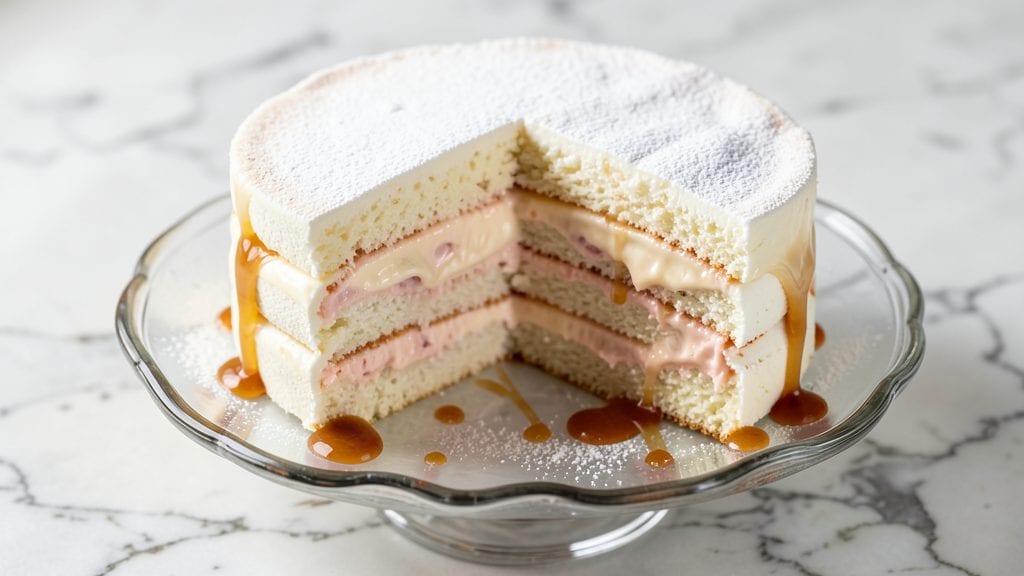
This steam cake recipe transforms simple ingredients into delicate, light-as-air layers that melt in your mouth with every bite. The secret lies in steaming rather than baking, which creates those signature airy pockets and tender crumb—perfect for vanilla lovers or anyone craving a refined dessert.
I developed this version after testing countless methods, and the difference in texture is night and day compared to traditional cakes.
The process is simpler than you might think, requiring just a few pantry staples and about 45 minutes of active time (plus steaming). The batter comes together in minutes, and the steaming method ensures even cooking without a dry crumb.
What makes this recipe stand out is how the vanilla infusion permeates every layer, creating a fragrance that fills your kitchen and makes the effort worthwhile.
What you'll end up with is a cake that's impossibly light yet rich, with a delicate vanilla flavor that's neither overpowering nor subtle. The layers separate effortlessly, revealing that signature steam cake texture that's crisp at the edges and tender in the center.
This recipe works equally well for special occasions or a quiet dessert night in.
For variations, you can add matcha powder for a vibrant twist or fold in red bean paste for a classic Asian-inspired version. The steaming method also makes this recipe adaptable to vegan diets by using plant-based milk and flax eggs. Let's get started on creating your perfect steam cake.
Ingredients for steam cake
Pantry staples meet delicate technique for this signature steam cake.
| Ingredient | Amount | Notes |
|---|---|---|
| All-Purpose Flour 🌾 | 2 cups | Sifted for light texture |
| Granulated Sugar 🍚 | 1 ½ cups | Superfine preferred for smoothness |
| Unsalted Butter 🧈 | ¾ cup | Cold, cubed for steam infusion |
| Large Eggs 🥚 | 4 whole | Room temperature for even mixing |
| Vanilla Extract 🍯 | 2 tbsp | Pure Madagascar preferred |
| Milk 🥛 | ¾ cup | Whole milk for richness |
| Baking Powder 🍞 | 1 tsp | Freshly opened for lift |
| Salt 🧂 | ½ tsp | Fine sea salt preferred |
| Vanilla Bean Paste 🍯 | 1 tbsp | For intensified vanilla flavor |
| Water 💧 | 1 ½ cups | For steaming, room temperature |
| Cornstarch 🌾 | 1 tbsp | For crisp edges |
| Vegetable Oil 🫒 | 1 tbsp | For greasing molds |
The flour and sugar are your foundation—King Arthur flour and Domino superfine sugar ensure the signature tender crumb. For the butter, Plugrá or Land O'Lakes work best when cold; let it sit out just until soft to the touch. Vanilla matters here: Madagascar Bourbon extract delivers the most complex flavor. If you're using vanilla bean paste, look for brands like Nielsen-Massey that specify pure vanilla content. The baking powder must be fresh—test by dropping a pinch in hot water; it should fizz immediately.
No superfine sugar? Pulse regular granulated sugar in a food processor for 30 seconds—it'll do the trick. Swapping whole milk for 2% or almond milk works, but the texture will be slightly denser. For a vegan version, flax eggs (3 tbsp ground flax + 9 tbsp water per egg) replace the chicken eggs perfectly. The cornstarch can be omitted if you prefer a softer edge, but it's worth the 1 extra minute of mixing for that signature crispness. For the steaming water, distilled or filtered water prevents mineral deposits on your steamer.
This batter keeps for 2 days in the fridge, covered tightly. The steamed cakes are best eaten fresh but can be wrapped in plastic and refrigerated for 3 days. For freezing, slice layers and freeze between parchment—3 months maximum. Reheat slices at 350°F for 5-7 minutes to restore that just-steamed texture. The vanilla infusion intensifies overnight, so leftovers often taste even better the next day.
Why You'll Love This Recipe
- No-Fuss Assembly: I love that this recipe turns a simple simmer of water and oil into your secret weapon. Just brush your molds with that vegetable oil, pop them into a steamer basket, and let the steam do the heavy lifting—no oven preheating, no temperature guessing. My daughter even helps with the batter division while I keep an eye on the water. It’s the kind of process that feels active but somehow still effortless.
- Vanilla Overload (In the Best Way): The combination of 2 tbsp vanilla extract and 1 tbsp vanilla bean paste? That’s not just flavor—it’s a full vanilla experience. The paste gives those little specks of richness that make every bite taste like a cozy afternoon, while the Madagascar extract keeps it bright and true. Trust me, when you cut into that cake and see those flecks, you’ll understand why people go wild for this.
- Crowd-Pleasing with Minimal Stress: This recipe is my go-to for when I need to feed a room without spending all day in the kitchen. The steam method ensures even, moist layers that hold up to seconds (or thirds, no judgment). I’ve served these at potlucks, family gatherings, and even as a fancy-ish dessert for friends who thought they were getting something complicated. The crisp edges from the cornstarch dusting? They make it look restaurant-worthy, but the recipe itself couldn’t be simpler.
- Budget-Friendly Luxury: You’d never guess this cake costs less than half the price of a comparable bakery treat, but the results? Chef’s kiss. The ingredients are pantry staples—flour, sugar, eggs, butter—all of which you probably already have. And because the batter keeps for 2 days in the fridge, I can make it on a Sunday and enjoy it all week without wasting a single bite. It’s the kind of recipe that makes me feel like a smart cook, not just a lucky one.
Step-by-step instructions for steam cake with vanilla infusion
Master this technique for perfectly light, airy layers that rise effortlessly in steam.
Prepare the Steam Base and Grease Molds
First, combine the 1½ cups water and 1 tbsp vegetable oil in a small saucepan. Heat over medium-low heat until the water reaches a gentle simmer—this creates your steam environment. Meanwhile, lightly brush each of your cake molds with a thin layer of the 1 tbsp vegetable oil, ensuring the entire interior is coated. This prevents sticking and helps create that signature crisp edge.
I always use a pastry brush for this step—it distributes the oil evenly without overgreasing. The oil should disappear into the mold rather than pool. If you're using silicone molds, skip the oiling entirely as they naturally release well. Keep the simmering water at a steady gentle boil while you prepare the batter—this ensures consistent steam throughout baking.
Mix Dry Ingredients and Infuse the Vanilla
In a medium bowl, sift together the 2 cups all-purpose flour, 1½ cups granulated sugar, 1 tsp baking powder, and ½ tsp salt. Gently whisk to combine, breaking up any lumps in the flour. In a separate small bowl, mix the 2 tbsp vanilla extract and 1 tbsp vanilla bean paste—this combination intensifies the vanilla flavor without overpowering. The paste adds subtle flecks of vanilla that enhance texture and aroma.
Here's the thing—don't overmix the dry ingredients. Just until combined is perfect. You want to preserve as much air as possible in the flour for that signature steam cake lightness. Keep these dry ingredients ready while you prepare the wet components. The vanilla mixture should be smooth with no visible paste chunks—use a small whisk or fork to ensure even distribution.
Combine Wet Ingredients and Create the Batter
In a large mixing bowl, beat the 4 large eggs until they're pale and slightly thickened—about 2-3 minutes with an electric mixer on medium speed. This step is crucial for incorporating air that will help the cake rise beautifully. Gradually add the ¾ cup milk while continuing to mix, then incorporate the ¾ cup unsalted butter, cut into small cubes. The butter should melt gradually into the mixture, creating a smooth, creamy texture.
With the mixer running on low speed, gradually add the dry ingredients to the wet mixture. Start with about half, mixing just until combined, then add the remaining dry ingredients. Finally, fold in the vanilla mixture using a spatula—this preserves the air bubbles created during the egg beating. The batter should be smooth, slightly thick, and glossy. If it looks too stiff, add 1-2 tablespoons of the reserved milk to adjust consistency. This is your final check before baking.
Assemble and Steam the Cake
Divide the batter evenly among your prepared molds—fill them about ¾ full. Place the filled molds into your steamer basket, ensuring they're stable and not touching each other. The steam needs to circulate freely around each mold. Position the basket over the simmering water, making sure the bottom of the molds doesn't touch the water—this prevents soggy bottoms. Cover with a tight-fitting lid or foil.
Steam the cake over medium heat for 40-45 minutes. You'll know it's done when the top springs back when gently pressed and a toothpick inserted comes out clean. The cake should pull away cleanly from the sides of the mold with minimal sticking. Here's where patience pays off—don't peek during steaming as the sudden temperature change can cause the cakes to sink. The steam should remain at a steady gentle boil throughout the entire process.
Cool and Serve for Maximum Lightness
Remove the cakes from the steamer and let them cool in the molds for 10 minutes. Then carefully transfer them to a wire rack to cool completely. This gradual cooling prevents them from collapsing. The cakes should be light as air with a delicate, crisp exterior. For serving, dust with a light layer of 1 tbsp cornstarch sifted through a fine mesh strainer—this adds a beautiful finish and prevents sticking when cutting.
The reason we use cornstarch here is twofold: it creates that signature crisp edge that's characteristic of steam cakes, and it adds a subtle contrast in texture. Serve the cake immediately while still warm for the best experience. Each slice should reveal that signature light, airy interior with just a hint of vanilla aroma. The cakes keep well at room temperature for 2 days when stored in an airtight container, though they're best enjoyed fresh.
Pro Tips For Making Steam Cake
- Cube the Butter: DESCRIPTION: Cut the 0.75 cup unsalted butter into 1-inch cubes—not too small, not too big—so they melt slowly into the batter while steaming. I used to melt it first, but the cold cubes create pockets of steam that make the cake actually lighter.
- Keep the Steam Steady: DESCRIPTION: The 1.5 cups water should simmer at a gentle boil, not a rolling one—like a whisper, not a shout. I learned this the hard way when my cakes came out dense from uneven heat. Adjust the flame if it bubbles too hard; consistency is everything.
- Sift the Sugar: DESCRIPTION: Use superfine sugar if you can, but if you’re stuck with regular granulated, pulse it in a food processor for 30 seconds. The finer the 1.5 cups granulated sugar, the smoother the texture—no gritty surprises in your cake.
- Don’t Overmix the Eggs: DESCRIPTION: Beat the 4 large eggs just until pale and slightly thickened—2-3 minutes max—or you’ll deflate all that air you worked so hard to incorporate. I once mixed them for five minutes, and the cake turned dense as a brick. Trust the recipe.
Perfect pairings for these flavors
Classic Tea Pairings
Earl Grey tea with its bergamot notes complements the delicate vanilla perfectly—try a loose-leaf blend like Twinings for an elegant pairing. The citrusy brightness cuts through the cake's richness while enhancing the vanilla's warmth. I always steep it for 3-4 minutes to avoid bitterness that could overpower the dessert. 💛
Wine Complements
A crisp Sauvignon Blanc from New Zealand, like Cloudy Bay, provides refreshing acidity that balances the cake's sweetness. The tropical fruit notes harmonize beautifully with the vanilla infusion.
For red wine lovers, a Pinot Noir from Oregon—light enough to complement without competing—works surprisingly well. Avoid heavy, tannic wines that might clash.
Coffee Enhancements
For a post-dinner treat, try a light roast espresso with 1 tsp vanilla syrup (like Monin) and a splash of steamed milk. The caramelized notes in the syrup echo the vanilla in the cake, creating a cohesive flavor experience.
I like to serve it in a small ceramic cup to maintain warmth and aroma. ☕
Fruit Accompaniments
Fresh raspberries or strawberries add a bright contrast to the cake's richness. Toss ½ cup berries with 1 tbsp honey and 1 tsp lemon juice for a simple topping. The acidity cleanses the palate between bites.
For a more indulgent touch, serve with whipped cream lightly sweetened with vanilla bean—just a pinch of the paste scraped into the cream.
Seasonal Beverage Twists
In summer, a vanilla-infused lemonade made with ½ cup simple syrup, 2 tbsp vanilla extract, and sparkling water feels refreshing alongside the cake.
For winter, a mulled wine with 1 cinnamon stick and 1 star anise adds warmth—just sip it after dessert to enjoy the spices without overpowering the vanilla. 🍋
Nutrition facts
Frequently asked questions
Why does this steam cake recipe use steaming instead of traditional baking?
Steaming creates those signature airy pockets and tender crumb by trapping moisture around the cake. Unlike baking, it prevents dryness while allowing the cake to rise evenly. The gentle heat from steam also enhances the vanilla infusion, creating a more delicate flavor profile. This method is especially effective for achieving that light-as-air texture.
Can I use regular granulated sugar instead of superfine sugar?
Yes, you can! While superfine sugar dissolves more smoothly, you can pulse regular granulated sugar in a food processor for 30 seconds to mimic superfine texture. This won't affect the cake's rise or flavor, just ensure it's finely ground before mixing. The texture will still be tender and moist.
What should I do if my cake sinks during steaming?
Don't peek during steaming—sudden temperature changes cause sinking! If it happens, cover the cake with foil immediately and return to steam for another 10-15 minutes. Overmixing the batter or opening the lid too soon are common culprits. Always maintain a steady gentle boil of water below.
How do I prevent the cake from sticking to the molds?
Lightly brush molds with 1 tbsp vegetable oil and ensure the oil disappears into the surface. For silicone molds, no oiling is needed. If sticking occurs, let the cake cool in the mold for 10 minutes before attempting to remove. A sharp knife dipped in hot water can help release stubborn cakes.
Can I make this cake ahead of time?
The batter keeps for 2 days in the fridge, covered tightly. For the steamed cakes, enjoy them fresh for best texture, but they keep wrapped in plastic for 3 days at room temperature. For longer storage, freeze sliced layers between parchment paper for up to 3 months. Reheat slices at 350°F for 5-7 minutes to restore their steam-risen texture.