
Main Courses
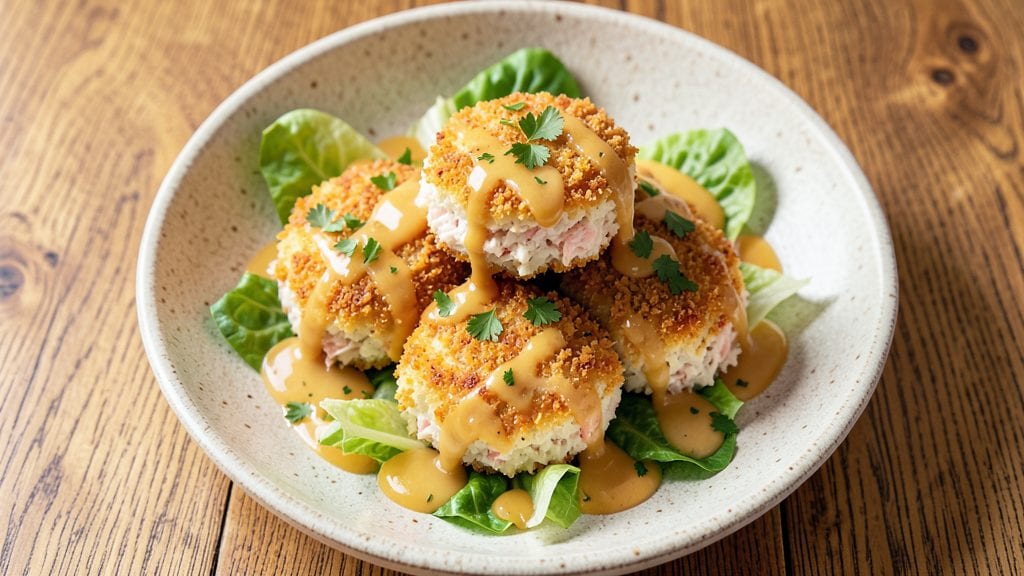
Recreating Soby's crab cakes at home delivers that signature crispy-edged, juicy-centered perfection you crave. This recipe captures the restaurant's signature texture—golden, crunchy exteriors with tender, flavorful centers—using a precise blend of lump crabmeat and carefully chosen binders.
The secret lies in proper breading technique and baking at the right temperature to ensure every bite is restaurant-quality.
What sets these crab cakes apart is their balance of simplicity and technique. You'll work with quality lump crabmeat (or a mix of lump and claw) bound with mayo, Dijon mustard, and Old Bay seasoning for authentic flavor.
The breading—a light dusting of flour followed by panko—creates that signature crunch without overwhelming the delicate crab flavor. Baking at 375°F for exactly 12 minutes ensures perfect doneness every time.
When you take that first bite, you'll experience the payoff: crispy, golden edges that give way to tender, buttery crab meat infused with Old Bay's signature zing.
These crab cakes shine served with classic accompaniments—tartar sauce, lemon wedges, and steamed asparagus—but they're equally impressive as a standalone appetizer or light main course. The recipe yields about 8 crab cakes, perfect for feeding a crowd or meal prepping for the week.
While this recipe uses homemade ingredients, it delivers results indistinguishable from Soby's signature version. The key is attention to detail—properly draining the crabmeat, maintaining even pressure when forming the cakes, and resisting the urge to overbake.
With these techniques mastered, you'll have crab cakes that impress even the most discerning seafood lovers. Let's get started on creating your own restaurant-quality masterpiece.
Ingredients for soby's crab cake
Quality lump crabmeat and precise binders create Soby's signature crispy-edged, juicy-centered crab cakes at home.
| Ingredient | Amount | Notes |
|---|---|---|
| Lump Crabmeat 🦞 | 1 ½ lb | Freshly packed, drained well |
| Mayonnaise 🥛 | ½ cup | High-quality, full-fat preferred |
| Dijon Mustard 🍯 | 1 ½ tbsp | Mild or classic variety |
| Old Bay Seasoning 🧂 | 1 ½ tbsp | Authentic, not imitation |
| All-Purpose Flour 🌾 | ¼ cup | Fine texture for light coating |
| Panko Breadcrumbs 🍞 | ½ cup | Light and crispy texture |
| Unsalted Butter 🧈 | ¼ cup | Cold, cubed for baking |
| Large Eggs 🥚 | 1 whole | Room temperature for even coating |
| Fresh Lemon Juice 🍋 | 1 tbsp | Brightens flavor profile |
| Kosher Salt 🧂 | ½ tsp | Diamond Crystal preferred |
| Ground Black Pepper 🌶️ | ¼ tsp | Freshly cracked for aroma |
| Extra-Virgin Olive Oil 🫒 | 1 tbsp | For pan preparation |
| Fresh Chives 🌿 | 2 tbsp | Finely chopped for garnish |
The crabmeat is non-negotiable—lump or a mix of lump and claw delivers that restaurant-quality texture. Seafood markets and specialty grocers like Whole Foods carry the best quality, often packed in cartons. Look for bright, fresh crabmeat with minimal shell fragments—freshly packed makes all the difference. If you're using frozen, thaw it overnight in the fridge, never under running water, to preserve texture. The Old Bay seasoning should be the authentic blend, not a generic imitation—Penzeys or McCormick are reliable brands. For the Dijon mustard, Amora or Maille provide that perfect balance of tang and depth.
No lump crabmeat? Claw meat or a mix of both works in a pinch, though texture will differ slightly. Substituting imitation crab is strongly discouraged—it lacks the delicate sweetness and proper texture. For the mayo, Duke's or Hellmann's full-fat versions work best, but avoid anything with added sugar. If you're avoiding dairy, a light mayo or even Greek yogurt can work (reduce by 1 tbsp), though flavor will shift. The panko should be light and crispy—Japanese panko is ideal, but don't use regular breadcrumbs. For the butter, European-style unsalted like Plugrá melts beautifully, but regular unsalted works fine. The lemon juice should be freshly squeezed—store-bought isn't worth it for this dish.
Store the crabmeat mixture in an airtight container with parchment paper pressed directly on the surface for up to 2 days in the fridge. The breaded cakes can be prepped ahead and refrigerated for 6 hours before baking, but bake immediately for best results. For meal prep, bake the crab cakes, let cool completely, then store in a single layer in the fridge for 3 days. Reheat in a 350°F oven for 5-7 minutes to restore crispiness. Freeze unbaked cakes on a tray, then transfer to a bag for up to 1 month—bake straight from frozen at 400°F for 14-16 minutes.
Why You'll Love This Recipe
- No Panic Needed: I’ve made crab cakes that looked like they belonged in a fancy restaurant, only to burn the crust or have them fall apart. This recipe? Just a big bowl, your hands, and a little patience. The Old Bay and Dijon mustard bind everything together without fuss, and the panko flour coating dries just enough to stay intact—no fancy techniques, just solid results.
- Crispy Outside, Creamy Inside: That crispy golden edge with the creamy, buttery center? Chef’s kiss. The cold cubed butter in the pan creates a rich foam that caramelizes perfectly, while the lemon juice keeps the crab from getting rubbery. Trust me, the first bite will have you forgetting about sad, soggy crab cakes from the past.
- Prep Ahead, Serve Later: Need to host a last-minute brunch or feed a crowd? The uncooked cakes can chill for six hours in the fridge before baking—just don’t let them sit too long. My daughter even helps me portion the crab mixture (she loves the texture), and they still hold together like a dream. Perfect for game days, summer cookouts, or when you’re too tired to cook but still want to impress.
- Budget-Friendly Luxury: Lump crab isn’t cheap, but this recipe stretches it into eight generous cakes—no waste, no shortcuts. The high-quality mayo and fresh chives might seem like splurges, but they elevate the dish so much you’ll forget you’re not at Soby’s. Plus, leftovers? Reheat gently and serve with a drizzle of hot sauce—still delicious the next day.
Step-by-step instructions for Soby's crab cakes
Here's the method that delivers restaurant-quality crab cakes with perfect texture every time.
Prepare the Crab Mixture
In a large mixing bowl, gently combine the 1½ lb lump crabmeat with the ½ cup mayonnaise, 1½ tbsp Dijon mustard, and 1½ tbsp Old Bay seasoning. The crab should be packed firmly but not packed down—this preserves the natural moisture. Use your hands to work the mixture until just combined, being careful not to overwork the crab, which can make the cakes dense.
Add the 1 tbsp fresh lemon juice, ½ tsp kosher salt, and ¼ tsp ground black pepper, mixing again until evenly distributed. The lemon juice brightens the flavor while preventing the crab from turning rubbery. At this point, the mixture should hold together when pressed gently but still feel slightly loose—this ensures juicy centers without falling apart.
Create the Crispy Coating
In a separate shallow bowl, whisk together the ¼ cup all-purpose flour, ½ cup panko breadcrumbs, and an additional ¼ tsp ground black pepper. This combination creates the perfect balance of lightness from the panko and structure from the flour, which is essential for that signature crispy exterior. The extra pepper ensures a well-seasoned crust on every bite.
Next, prepare the egg wash by beating the 1 large egg in another shallow bowl until frothy. This will help bind the coating to the crab mixture, ensuring a uniform, golden crust. Keep all three stations—flour mixture, egg wash, and crab mixture—within easy reach for efficient assembly.
Form and Coat the Crab Cakes
Using a cookie scoop or your hands, portion the crab mixture into 8 equal-sized cakes, each about 3 inches in diameter and 1 inch thick. Handle them gently to maintain their shape while keeping the texture intact. Place them on a parchment-lined tray and refrigerate for 15 minutes to firm up slightly—this prevents them from crumbling when you add the coating.
Working one at a time, dip each crab cake into the egg wash, allowing any excess to drip off. Then press firmly into the flour-panko mixture, coating all sides thoroughly. The coating should adhere well but not feel overly thick—this ensures a crispy exterior without sacrificing the juicy interior. Place the coated cakes back on the tray and refrigerate for another 10 minutes to allow the coating to set.
Cook to Golden Perfection
Heat 1 tbsp extra-virgin olive oil and ¼ cup unsalted butter (cold and cubed) in a large skillet over medium heat until the butter melts and the mixture foams but doesn't brown. The combination of olive oil and butter creates a rich, flavorful base for cooking that enhances the crab's natural sweetness. Add the crab cakes in a single layer, leaving ½ inch of space between each for even browning.
Cook for 3-4 minutes per side until the coating is deep golden brown and the crab cakes release easily from the pan. Avoid pressing down on them—this can cause the coating to break apart. The butter should bubble gently around the edges, indicating it's hot enough to create that coveted crispy texture. Transfer the cooked crab cakes to a wire rack and tent loosely with foil to keep them warm while you finish the batch.
Serve with Fresh Garnish
Garnish each crab cake with 2 tbsp finely chopped fresh chives just before serving. The chives add a fresh, bright contrast to the rich, savory flavors of the crab and coating. Serve immediately while the crab cakes are still hot and the coating is at its crispest. The interior should be juicy and tender, with the crab flaking easily, while the exterior remains crisp and golden—the hallmark of a perfectly executed crab cake.
Pro Tips For Making Soby'S Crab Cake
- Chill the Mixture: After mixing the crab, mayo, mustard, and Old Bay, pop the whole bowl in the fridge for 20–30 minutes. I learned this the hard way—skipping it means the cakes fall apart when you flip them, no matter how gently you go. The cold also helps the Old Bay bloom, so every bite packs that signature zing.
- Pat Crab Dry: Drain the lump crabmeat, then press it between two paper towels to soak up every last drop of moisture. Wet crab = gluey cakes. This isn’t just about texture—it’s about letting the Old Bay and flour cling to the meat instead of getting diluted by juice. (Yes, even if the label says "pre-drained.")
- Use a Mixer—Briefly: Pulse the crab mixture in a food processor or mixer for no more than 10 seconds. You’re not making pâte à choux here—overworking it turns the cakes dense and rubbery. Just enough to distribute the mayo and mustard evenly, then stop. Your hands are fine for the rest.
- Fry in Batches: Crowd the pan, and you’ll steam the cakes instead of sear them. Two at a time, max, in about 2 tablespoons of oil per side. The oil should sizzle but not smoke—if it’s bubbling like a lava lamp, you’re overloading. Patience here guarantees a crisp crust, not a sad, greasy mess.
Troubleshooting your soby's crab cake
Crumbling Cakes
If your crab cakes fall apart during cooking or handling, it’s often due to overmixing the crab mixture or not chilling them long enough. When combining the 1½ lb lump crabmeat with mayo and seasonings, handle it gently—just enough to distribute flavors evenly.
Overworking the crab releases moisture and creates a dense, rubbery texture. After forming the cakes, always refrigerate them for 15 minutes before coating to firm up the mixture. 💡
Uneven Cooking
When one side browns too quickly while the other remains pale, it’s usually a heat issue. Use medium heat and avoid pressing down on the cakes with a spatula—this crushes the coating. Instead, let the butter and oil create a gentle foam before adding the cakes.
If your pan isn’t large enough, cook in batches, ensuring each cake has ½ inch of space for even browning.
Gummy Interiors
A gummy texture often means the crab wasn’t drained properly or the cakes were overcooked. Always drain the 1½ lb lump crabmeat thoroughly to remove excess liquid, then pat it dry with a clean towel.
Overcooking happens when cakes sit in the pan too long—remove them as soon as the coating turns deep golden brown. Use a thermometer to check internal temp: it should reach 145°F for safe cooking but not exceed it.
Dull, Greasy Coating
A lackluster coating usually stems from old or improperly stored ingredients. Ensure your panko breadcrumbs are fresh and your egg wash is room-temperature. If the coating sticks instead of crisping, the pan isn’t hot enough—let the butter and oil foam gently before adding the cakes.
For extra crispiness, broil for 1-2 minutes at the end, but watch closely to avoid burning.
Soggy Bottoms
Soggy bottoms happen when cakes sit in their own juices or when the pan isn’t properly preheated. Always cook the cakes in a cold skillet over medium heat until the butter melts and foams.
Avoid adding them to a hot pan directly. If you’re baking instead of pan-frying, place the cakes on a wire rack over a baking sheet to allow air circulation and prevent steam buildup.
Nutrition facts
Frequently asked questions
Why does the recipe call for refrigerating the crab cakes before coating?
Refrigerating the cakes for 15 minutes after forming helps them firm up slightly, preventing them from crumbling when you add the flour-panko coating. This step ensures the cakes hold their shape beautifully during cooking. The 10-minute chill after coating lets the breading adhere properly for that signature crispy texture.
Can I use imitation crab instead of lump crabmeat?
While imitation crab works in a pinch, it won't deliver the same delicate sweetness or authentic texture that lump crabmeat provides. The Old Bay seasoning and fresh lemon juice shine brightest with real crab's natural flavors. For best results, stick with 1½ lb of freshly packed lump crabmeat—it's worth the investment for that restaurant-quality taste.
What's the best way to reheat leftover crab cakes?
For crispy results, reheat baked crab cakes in a 350°F oven for 5-7 minutes on a wire rack. This restores the coating's crunch without making the interior soggy. Avoid microwaving—it turns the breading rubbery. If you must pan-fry, use a cold skillet with butter and cook for 2 minutes per side over medium-low heat.
How do I prevent the coating from sticking to the pan?
Start with a cold skillet and heat the 1 tbsp olive oil + ¼ cup cold butter until it foams gently—this creates the perfect fat layer. Avoid pressing down on the cakes with a spatula, as this crushes the coating. If sticking occurs, ensure your egg wash is room temperature and the pan is properly preheated before adding the cakes.