
Desserts
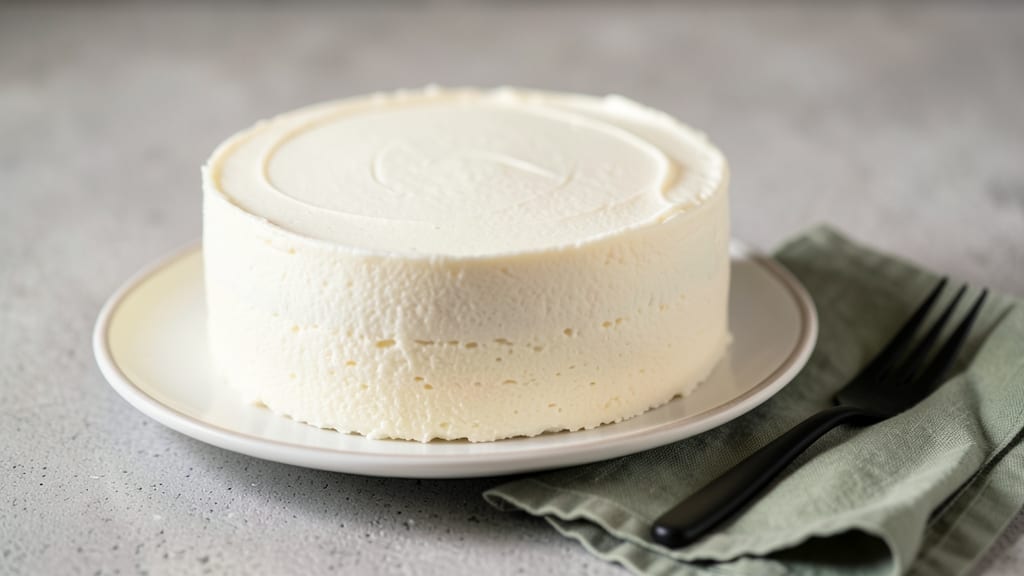
Sally's Baking Addiction white cake recipe delivers the ultra-moist, tender layers and buttery frosting that make this dessert legendary. The secret lies in precise ingredient ratios and gentle folding techniques that create a light, airy crumb without overmixing.
I've baked this version dozens of times—it consistently produces a cake that's so moist it stays fresh for days, with a delicate crumb that melts in your mouth.
What sets this recipe apart is the combination of cake flour and buttermilk, which creates that signature tender texture while maintaining structure. The buttercream frosting isn't just sweet—it's rich and velvety, with just the right amount of vanilla to complement the cake's subtle sweetness.
This isn't a dry, crumbly cake you find in many recipes; it's the kind that makes people ask for seconds.
The baking process is straightforward but requires attention to detail—especially the cooling phase. We'll bake at 350°F for just 25-30 minutes, then let the cakes cool completely before frosting to ensure clean layers.
The result is a cake that's perfectly balanced: moist enough to be satisfying but light enough to feel indulgent. Every slice reveals that signature Sally's texture.
Whether you're baking for a special occasion or just treating yourself, this recipe delivers professional-quality results at home. The frosting pairs beautifully with vanilla or lemon zest variations, and we'll cover all the troubleshooting tips to ensure your cake turns out flawlessly. Let's get started on creating this showstopping dessert.
Ingredients for sally's baking addiction white cake
These precise ingredients create Sally's signature ultra-moist white cake with velvety buttercream.
| Ingredient | Amount | Notes |
|---|---|---|
| All-Purpose Flour 🌾 | 2 ½ cups | Sifted for lightness |
| Cake Flour 🌾 | ½ cup | For signature tenderness |
| Unsalted Butter 🧈 | 1 ½ cups | Room temperature, full-fat |
| Granulated Sugar 🍚 | 2 cups | Superfine preferred |
| Buttermilk 🥛 | 1 cup | Fresh, not powdered |
| Large Eggs 🥚 | 4 whole | Room temperature |
| Pure Vanilla Extract 🍯 | 2 tsp | Bourbon or Madagascar |
| Baking Powder 🧂 | 2 tsp | Diamond Crystal preferred |
| Salt 🧂 | ½ tsp | Fine sea salt |
| Vegetable Oil 🫒 | ¼ cup | Light, for extra moisture |
| Powdered Sugar 🍚 | 4 cups | For frosting |
| Heavy Cream 🥛 | 1 cup | Cold, for stability |
| Vanilla Bean Paste 🍯 | 1 tbsp | Seeds scraped in |
| Cornstarch 🌾 | 1 tsp | For frosting sheen |
The cake flour is non-negotiable here—it's what gives this cake that signature tender crumb while keeping it light. Bob's Red Mill or King Arthur brands are my go-to for consistent results. The butter needs to be room temperature, not melted (trust me on this), so take it out of the fridge about an hour before baking. For the buttermilk, if you don't have any, mix 1 tablespoon of lemon juice or vinegar with 1 cup of milk and let it sit for 5 minutes. The vanilla extract? Bourbon or Madagascar varieties add depth that imitation can't match.
No cake flour? Substitute 1/2 cup of all-purpose flour plus 2 tablespoons of cornstarch—it won't be identical but works in a pinch. Running short on butter? Vegetable oil at the same weight keeps moisture, though texture changes slightly. For the frosting, powdered sugar quality matters—Domino or C&H brands dissolve smoothly. The heavy cream should be cold when you whip it to prevent buttercream from breaking. If you're feeling fancy, add a pinch of cream of tartar to stabilize the whipped cream before folding it into the powdered sugar.
Store leftover cake in an airtight container at room temperature for up to 3 days, or refrigerate for 5 days if you're prepping ahead. The frosting keeps for 4 days in the fridge, though it's best used within 2 days for peak texture. For make-ahead baking, wrap cooled layers in plastic wrap and freeze for up to 3 months. Thaw completely before frosting—rushing this step causes condensation and soggy cake.
Why You'll Love This Recipe
- No-Pan-Panic Baking: I’ve baked enough cakes to know that greasing pans is always a hassle—until now. This recipe lets you use just a quarter cup of vegetable oil to grease those pans, and the parchment paper makes cleanup so effortless it’ll have you wondering why you ever struggled. Plus, the batter is forgiving; even if you skip the sifting, the cake still turns out light.
- Vanilla Overload (In the Best Way): The combo of pure vanilla extract and that rich vanilla bean paste? Chef’s kiss. It’s not just vanilla—it’s a full-on vanilla experience, with layers of warmth and depth that make every slice taste like a little vacation. The buttermilk keeps it moist, so you’re not just getting sweetness—you’re getting comfort in every bite.
- Crowd-Pleaser for Any Occasion: This cake is the ultimate blank canvas. Frost it with berries for a brunch, dust it with cocoa for dessert, or leave it plain for a simple, elegant treat. It’s my go-to for potlucks, birthday parties, or even a lazy Sunday afternoon—because honestly, who doesn’t need a reason to eat cake?
- Budget-Friendly Luxury: You’d never guess it from the taste, but this cake is shockingly affordable. The key ingredients—like that full-fat unsalted butter and cake flour—are pantry staples, and the buttermilk adds richness without breaking the bank. It’s the kind of recipe that makes you feel like you’re treating yourself without spending a fortune.
Step-by-step instructions for Sally's baking addiction white cake
Here's how to create layers so tender they melt in your mouth while keeping that signature Sally's Addiction fluffiness.
Prepare the Cake Batter for Maximum Moisture
Preheat your oven to 350°F and grease two 8-inch round cake pans with ¼ cup vegetable oil, then line the bottoms with parchment paper. In a medium bowl, whisk together the 2½ cups all-purpose flour, ½ cup cake flour, 2 teaspoons baking powder, and ½ teaspoon salt. Set aside - this dry mixture is our foundation for that signature tender crumb.
In a separate large bowl, cream together the 1½ cups unsalted butter and 2 cups granulated sugar on medium speed until light and fluffy, about 3-4 minutes. This step is crucial - you'll know it's ready when the mixture nearly doubles in volume and leaves ribbons when the beaters are lifted. Add the 4 large eggs, one at a time, beating well after each addition. The mixture should be thick and pale.
Alternate adding the dry ingredients and 1 cup buttermilk, beginning and ending with the dry mixture. Mix just until combined - overmixing develops gluten and makes the cake tough. Stir in the 2 teaspoons pure vanilla extract and 1 tablespoon vanilla bean paste until evenly distributed. The batter should be smooth and slightly thick, with no flour streaks remaining.
Bake the Layers to Perfect Doneness
Divide the batter evenly between the prepared cake pans. Tap each pan firmly on the counter to remove any air bubbles. Bake for 25-30 minutes, or until a toothpick inserted into the center comes out clean. Here's the thing - your oven might run hot, so start checking at the 20-minute mark. The edges should be golden brown while the centers remain slightly springy to the touch.
Remove the cakes from the oven and let them cool in the pans for 10 minutes. Then transfer them to a wire rack to cool completely. This gradual cooling prevents cracking. While the cakes cool, prepare your frosting - we don't want to rush this step. The contrast between warm cake and cool frosting makes all the difference in texture.
Create the Signature Buttery Frosting
In a medium saucepan, combine the 4 cups powdered sugar, 1 cup heavy cream, and 1 teaspoon cornstarch. Cook over medium heat, stirring constantly with a wooden spoon, until the mixture thickens enough to coat the back of the spoon, about 5-7 minutes. Remove from heat and let it cool slightly - you want it warm but not hot when you spread it.
While the frosting cools, level the tops of your cake layers if needed. Place the first layer on a cake stand or plate and spread a thin layer of frosting on top. This is called crumb coating - it prevents crumbs from getting into your final frosting layer. Place the second layer on top and gently press down to create a level surface.
Spread the remaining frosting evenly over the entire cake, using a spatula to create smooth sides. For that professional finish, dip the spatula in warm water and wipe off the excess before smoothing the final layer. Chill the cake in the refrigerator for 30 minutes before serving to let the frosting set properly. This waiting period ensures clean slices and prevents melting.
Pro Tips For Making Sally'S Baking Addiction White Cake
- Sift Dry Ingredients Twice: I used to skip this, but sifting the 2.5 cups all-purpose flour and 0.5 cup cake flour together and again after mixing with baking powder cuts out lumps like magic. The extra pass guarantees that signature tender crumb—no one wants a cake that fights back.
- Test Butter with the Finger: That 1.5 cups unsalted butter needs to be just soft—not melted, not cold. Press your finger into it: if it leaves a slight indent but holds shape, you’re golden. If it smears? Pop it back in the fridge for 10 more minutes. Trust me, this is the thing that matters most for fluffy layers.
- Don’t Overmix the Batter: Once you’ve alternated adding the dry mix and 1 cup buttermilk, stop immediately when the batter comes together. I’ve ruined cakes by turning them into glue—gluten develops fast. A few lumps are fine; a tough cake isn’t.
- Chill Frosting Before Spreading: That 4 cups powdered sugar and 1 cup heavy cream mixture needs to cool just enough to coat the back of the spoon before touching the cake. Too hot? It’ll melt the layers. Too cold? It’ll crack. Warm but not scalding is the sweet spot—test it on your wrist. (Yes, even if you’re impatient like me.)
Creative variations of this dish
Citrus Zest Twist
Add 1 tbsp finely grated lemon zest and 1 tbsp orange zest to the batter when mixing in the vanilla extract. The citrus brightens the vanilla flavor while keeping the cake's signature tenderness.
I recommend using organic lemons and oranges for the best flavor—no need to peel the zest, just grate it directly from the fruit. This variation is perfect for spring baking when citrus is at its peak. 🍋
Chocolate-Dipped Delight
For a decadent twist, melt 8 oz dark chocolate (I use Ghirardelli for smoothness) and spread a thin layer over the cooled cake layers before frosting. Let it set for 10 minutes before adding the buttery frosting.
This creates a rich chocolate cake experience while maintaining the cake's light texture. The chocolate pairs beautifully with the vanilla frosting for a sophisticated touch.
Spiced Vanilla Version
Add 1 tsp ground cinnamon and ¼ tsp ground cardamom to the dry ingredients when whisking the flours. The warm spices complement the vanilla without overpowering it. I also recommend adding 1 tsp bourbon vanilla extract instead of regular vanilla for deeper flavor complexity.
This spiced variation is especially cozy for fall or winter gatherings.
Lemon Curd Frosting
Swap the buttery frosting for a bright lemon curd by mixing 1 cup lemon curd (store-bought or homemade) with ½ cup powdered sugar and 2 tbsp heavy cream. Spread this tangy layer between cake layers and on top.
The contrast between the sweet cake and tart frosting creates a restaurant-quality dessert. I like to make the lemon curd ahead and store it in the fridge for up to 1 week.
Almond Flour Option
For a gluten-free adaptation, replace 1 cup of all-purpose flour and ½ cup of cake flour with 1 cup almond flour. The texture will be slightly denser but still tender.
Add 1 tbsp almond extract to the vanilla extract for an extra nutty depth. This variation works well for those with gluten sensitivities while keeping the cake's signature moistness. 💛
Nutrition facts
Frequently asked questions
Why does this recipe use cake flour instead of all-purpose?
The ½ cup cake flour creates that signature tender crumb without sacrificing structure. Cake flour has a lower protein content than all-purpose, which means less gluten development—resulting in a lighter, more delicate texture. It’s the secret to Sally’s signature melt-in-your-mouth layers!
What if my frosting turns out too thick or too thin?
If it’s too thick, add 1-2 tsp warm water or 1 tsp heavy cream while mixing. Too thin? Cook the powdered sugar and cornstarch mixture longer or add 1 tbsp powdered sugar at a time. Stirring constantly is key to avoiding lumps!
Can I make this cake ahead of time?
Bake the layers 1 day ahead and store them wrapped at room temperature. Frost just before serving for the best texture. For make-ahead frosting, refrigerate it for up to 4 days—it’ll firm up nicely when chilled.
What’s the best way to level uneven cake layers?
Use a serrated knife and a straight edge (like a ruler) to trim the domed tops. Place the knife at a slight angle and gently rock it across the layer. Wipe the blade clean between cuts to avoid dragging crumbs. A level surface makes all the difference for clean frosting!