
Desserts
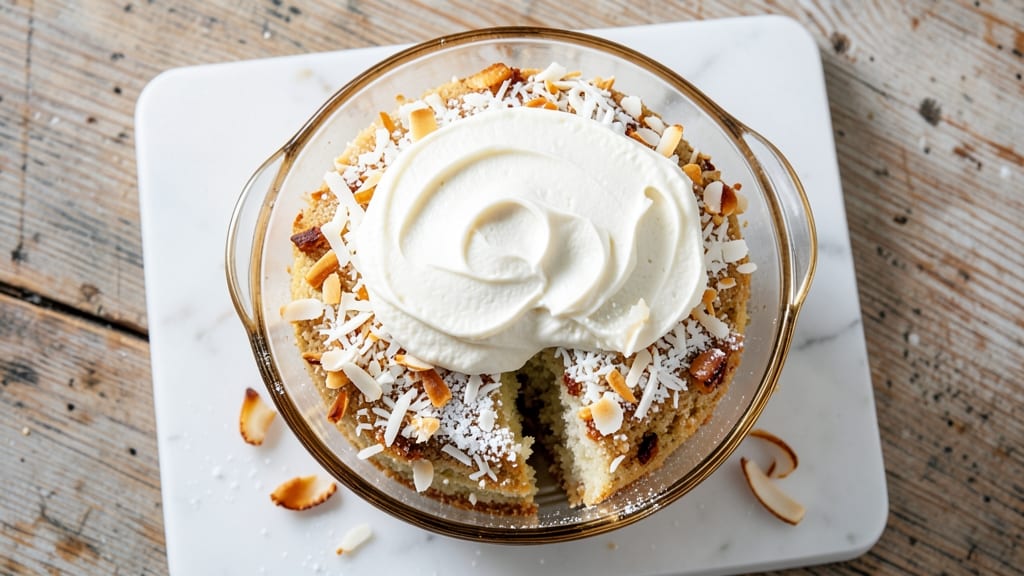
Sally's Baking Addiction coconut cake recipe delivers layers of airy, moist perfection with a signature toasted coconut crunch that sets it apart from every other vanilla cake you've tried.
The secret lies in combining shredded coconut with the batter, then toasting it separately to create that irresistible aroma and texture—it's the kind of detail that transforms a good cake into something truly memorable.
What makes this recipe stand out is how it balances traditional baking techniques with a modern twist that keeps the coconut flavor front and center without overpowering the delicate cake layers.
This recipe builds on classic cake fundamentals while incorporating the signature techniques from Sally's Baking Addiction that create that signature texture contrast. The cake itself is tender and fluffy, baked to a perfect golden finish that reveals just the right amount of toasted coconut throughout each slice.
What sets this apart is the methodical approach to developing the coconut flavor—starting with the dry ingredients, then incorporating it at just the right moment to maximize its aromatic qualities.
By the time you pull this cake from the oven, you'll have a dessert that's equal parts elegant and comforting—light enough to feel special yet rich enough to satisfy any craving.
The toasted coconut adds a subtle crunch that contrasts beautifully with the soft cake layers, while the vanilla frosting ties everything together in a way that feels both classic and innovative.
This is the kind of cake that makes guests ask for the recipe, and once you try it, you'll understand why it's become a fan favorite.
The beauty of this recipe is its versatility—whether you're serving it at a celebration or simply treating yourself to a midweek indulgence, it delivers professional-quality results with minimal fuss.
The instructions walk you through every step to ensure you achieve that perfect balance of texture and flavor, from mixing the batter to achieving the signature toasted coconut finish. Ready to create a cake that's as impressive as it is delicious?
Ingredients for sally's baking addiction coconut cake
Fluffy layers meet toasted coconut crunch—just these pantry staples make magic happen.
| Ingredient | Amount | Notes |
|---|---|---|
| All-Purpose Flour 🌾 | 3 cups | Sifted for light texture |
| Granulated Sugar 🍬 | 2 cups | Superfine for even spread |
| Unsalted Butter 🧈 | 1 ½ cups | Room temperature, cubed |
| Shredded Coconut 🥥 | 2 cups | Sweetened, unsweetened works |
| Large Eggs 🥚 | 4 whole | Room temperature preferred |
| Vanilla Extract 🌸 | 2 tbsp | Pure, not imitation |
| Baking Powder 🧂 | 1 tbsp | Freshly checked |
| Salt 🧂 | 1 tsp | Fine grain preferred |
| Vanilla Bean Paste 🌿 | 1 tbsp | For extra depth |
| Buttermilk 🥛 | 1 cup | Full-fat for richness |
| Powdered Sugar 🍬 | 2 cups | For frosting |
| Vanilla Frosting 🍰 | 1 cup | Homemade preferred |
| Toasted Coconut Flakes 🥥 | ½ cup | For topping |
The shredded coconut is your star player—sweetened or unsweetened both work, but toast it separately for that signature aroma. Costco's bulk bins are my go-to for quality, but any brand with fine shreds will do. Pro tip: don't skip the vanilla bean paste—it adds depth beyond extract alone. The butter matters too; room temperature is non-negotiable for even crumb. I always grab Plugrá for my butter—it's the best for baking.
No buttermilk? Milk plus 1 tbsp vinegar works in a pinch, but the tanginess makes a difference. Short on vanilla? Vanilla sugar at half the amount adds subtle flavor. Want to stretch your coconut? Add 1/4 cup almond flour to the dry mix—it keeps the texture light. The baking powder should be fresh—test it with vinegar if unsure. And if you're using pre-made frosting, add 1 tbsp coconut extract to tie it to the cake.
Store the cake layers in an airtight container for 3 days—they'll keep their moisture. The frosting? Make it the day you bake—it's best fresh. For a crowd, freeze assembled cake for 1 month. I like to portion frosting into small containers so I can grab just what I need. The toasted coconut flakes? Toast them in a dry pan until golden—no oil needed, just watch them closely.
Why You'll Love This Recipe
- No Mixing Madness: I swear, this cake is the only one where I can actually enjoy folding in the shredded coconut. No clumps, no weird lumps—just smooth, dreamy batter that handles like a pro. The secret? Sifting the flour directly into the butter-sugar mix, and folding the eggs and buttermilk in one at a time. My kitchen’s never been cleaner after baking this.
- Tropical Whiplash: Between the rich vanilla bean paste and the toasted coconut flakes, this cake hits like a vacation in every bite. The frosting? Pure indulgence—sweet but not cloying, with that coconut crunch cutting through the creaminess. My kids don’t even notice it’s a "healthy-ish" cake because it’s that good.
- Leftovers That Last: This cake doesn’t just work for birthdays—it’s my go-to for Sunday brunch, potlucks, or even a fancy dinner when I’m feeling lazy. And here’s the kicker: those layers stay moist for three whole days in an airtight container. I’ve sliced into a 5-day-old slice and still raved about it. (Okay, fine, maybe I’m exaggerating… slightly.)
- Budget-Friendly Luxury: I could buy a pre-made coconut cake for $12, but this one costs me about $8 for all the ingredients—and it’s way better. The shredded coconut and butter might seem pricey, but the rest of the pantry staples (flour, sugar, eggs) turn this into a steal. Plus, the vanilla bean paste upgrade? Worth every penny for that extra je ne sais quoi.
Step-by-step instructions for sally's baking addiction coconut cake
Here's how to create layers of tropical bliss with this moist, fragrant coconut cake.
Cream Butter and Sugars Together
In a large mixing bowl, combine the 1½ cups unsalted butter and 2 cups granulated sugar. Using an electric mixer on medium speed, beat until the mixture is light and fluffy, about 3-5 minutes. You'll notice the sugar gradually dissolves and the mixture becomes pale and airy. This step is crucial for creating that tender crumb—don't rush it.
Once the butter and sugar are fully combined, add the 2 tbsp vanilla extract and 1 tbsp vanilla bean paste. Mix on low speed for 30 seconds until evenly incorporated. The vanilla bean paste adds a subtle depth of flavor that makes this cake truly special. Set this mixture aside for now—it's the foundation of our cake layers.
Combine Dry Ingredients and Fold into Batter
In a separate bowl, whisk together the 3 cups all-purpose flour, 1 tbsp baking powder, and 1 tsp salt. Sift the flour mixture directly into the butter-sugar mixture to avoid lumps. Using a spatula, gently fold in the dry ingredients until just combined—you should still see some streaks of flour. This prevents overmixing, which can make the cake dense.
Next, add the 4 large eggs, one at a time, mixing just until each egg is fully incorporated. Then, gently fold in the 1 cup buttermilk and 2 cups shredded coconut. The batter will be thick but not overly stiff. Here's where it gets fun—fold in the ½ cup toasted coconut flakes by hand to distribute them evenly throughout the batter. These add a delightful crunch and extra coconut flavor to every bite.
Bake the Cake Layers
Preheat your oven to 350°F. Grease two 8-inch round cake pans with butter or line them with parchment paper. Divide the batter evenly between the two pans and smooth the tops with a spatula. Bake for 25-30 minutes or until a toothpick inserted into the center comes out clean. The edges should be golden brown, and the tops should spring back when gently pressed.
Once baked, let the cakes cool in the pans for 10 minutes, then transfer them to a wire rack to cool completely. This cooling step is important—it prevents the frosting from melting and ensures clean slices. While the cakes cool, you can prepare the 1 cup vanilla frosting by whipping it with the 2 cups powdered sugar until smooth and spreadable. This will be the perfect finishing touch for your cake.
Assemble and Decorate the Cake
Place one cake layer on a serving plate and spread a generous layer of the vanilla frosting on top. Place the second cake layer on top of the frosting and spread the remaining frosting evenly over the top and sides of the cake. Use a spatula to create smooth sides, or go for a rustic look by spreading it unevenly—it's your choice!
For the final touch, sprinkle the remaining ½ cup toasted coconut flakes over the top of the cake. You can also add a few extra flakes around the sides for a beautiful presentation. Let the frosting set for 10-15 minutes before slicing. This cake is best served at room temperature, so let it sit for about 30 minutes before serving to enjoy every moist, coconut-infused bite.
Pro Tips For Making Sally'S Baking Addiction Coconut Cake
- Sift That Flour Properly: I learned this the hard way—skipping the sift for the 3 cups all-purpose flour leads to dense, uneven layers. Sift it directly into the butter-sugar mix while whisking the dry ingredients first. The baking powder needs space to work, and lumps are the enemy of that light, airy crumb.
- Cube Butter Like Ice: Room-temperature butter is non-negotiable, but cold cubes that just soften when pressed? That’s the magic. If your 1.5 cups of butter gets too warm, chill the bowl for 5 minutes mid-creaming—you want fluffy, not greasy. Trust me, your cake’s texture depends on this.
- Toast Coconut Flakes First: The ½ cup toasted coconut flakes should pop when you press them—golden and fragrant, not raw. Spread them on a dry pan over medium heat for 2-3 minutes, stirring constantly, until they smell like a tropical vacation. Cool them completely before folding into the batter, or you’ll end up with soggy pockets.
- Don’t Overmix the Batter: After folding in the 2 cups shredded coconut and buttermilk, the batter will look messy—that’s normal. Overmixing turns this cake into a brick. Stop when the flour streaks disappear but the mixture still looks slightly uneven. Your future self will thank you when slicing.
Troubleshooting great sally's baking addiction coconut cake
Cake Layers Too Dense?
If your cake layers come out dense instead of light and fluffy, it’s usually because of overmixing or improper butter temperature. Double-check that your 1.5 cups unsalted butter is fully room temperature—cold butter creates dense crumbs.
I always let mine sit out for 1-2 hours before mixing. Also, avoid overmixing after adding the eggs—just fold gently until combined. 🔥
Underbaked or Overbaked?
Cakes baked too short may feel gummy, while overbaked layers can turn dry. Bake for 25-30 minutes at 350°F and test with a toothpick—it should come out with a few moist crumbs, not wet batter. If your oven runs hot, reduce the temperature by 10°F for even baking.
Batter Too Thick?
If your batter seems too thick after adding the 2 cups shredded coconut, it’s likely because you didn’t fold in the buttermilk enough. Mix the buttermilk into the dry ingredients first to create a slurry, then incorporate it gradually into the batter. This ensures a smoother, more workable consistency.
Frosting Not Holding?
If your frosting spreads too easily or doesn’t hold its shape, it might be too warm or not stiff enough. Whip the 2 cups powdered sugar with the 1 cup vanilla frosting until it reaches ribbon stage—when it forms peaks that slowly fall.
Chill the frosting for 15 minutes before spreading to make it easier to work with.
Coconut Flakes Burning?
Toasted coconut flakes often burn quickly when toasting in a pan. Use a dry, nonstick pan over medium-low heat and stir constantly. Watch them closely—they go from golden to burnt in seconds. For even toasting, spread them on a baking sheet and broil for 2-3 minutes instead. 💛
Frosting Separating?
If your frosting separates or looks grainy, it’s likely because the powdered sugar wasn’t fully sifted. Always sift the 2 cups powdered sugar before mixing to avoid lumps.
Also, ensure your vanilla frosting is at room temperature—cold ingredients can cause separation. Beat it for an extra 30 seconds if needed to restore smoothness.
Nutrition facts
Frequently asked questions
Can I substitute sweetened for unsweetened coconut in this recipe?
Yes, you can use either! Sweetened coconut adds natural sweetness that complements the cake, while unsweetened gives you more control over the sugar content. If using unsweetened, reduce the granulated sugar by ¼ cup to balance the flavor. Toasting the coconut enhances its natural sweetness, so either works beautifully.
How do I make this cake gluten-free?
Replace the 3 cups all-purpose flour with a 1:1 gluten-free baking flour blend like Bob's Red Mill. Add ½ tsp xanthan gum to improve texture, and increase the buttermilk by 2 tbsp since gluten-free flours absorb more liquid. Bake at 325°F instead of 350°F to prevent over-browning.
What's the best way to store leftover cake?
Wrap the cake layers tightly in plastic wrap and store them in an airtight container at room temperature for up to 3 days. For longer storage, freeze the assembled cake (unfrosted) for 1 month. Thaw overnight in the fridge before frosting. The toasted coconut stays fresh this way!
Can I use this recipe for a vegan version?
Swap the butter for 1½ cups vegan butter or coconut oil, use flax eggs (replace each egg with 1 tbsp ground flaxseed + 3 tbsp water), and substitute buttermilk with 1 cup almond milk + 1 tbsp vinegar. The coconut flavor shines even more in vegan versions—just reduce oven temp to 325°F to prevent over-browning.
Why does my cake crack on top?
Cracking usually happens when the cake cools too quickly or the oven temperature fluctuates. To prevent this, let the cake cool in the pan for 10 minutes before transferring to a rack, and avoid opening the oven door during baking. A light layer of frosting can also help "seal" the cracks while adding beauty!